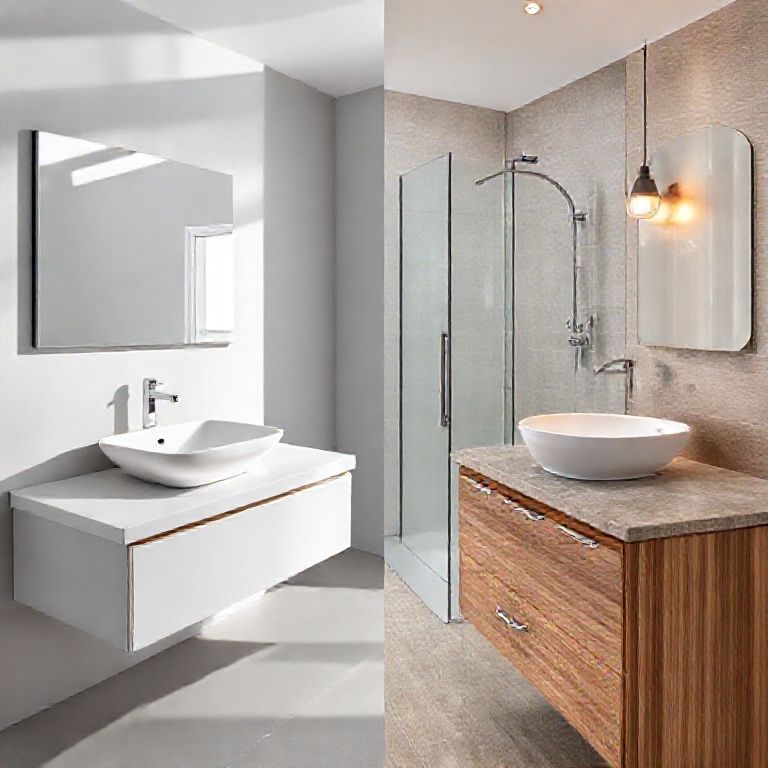
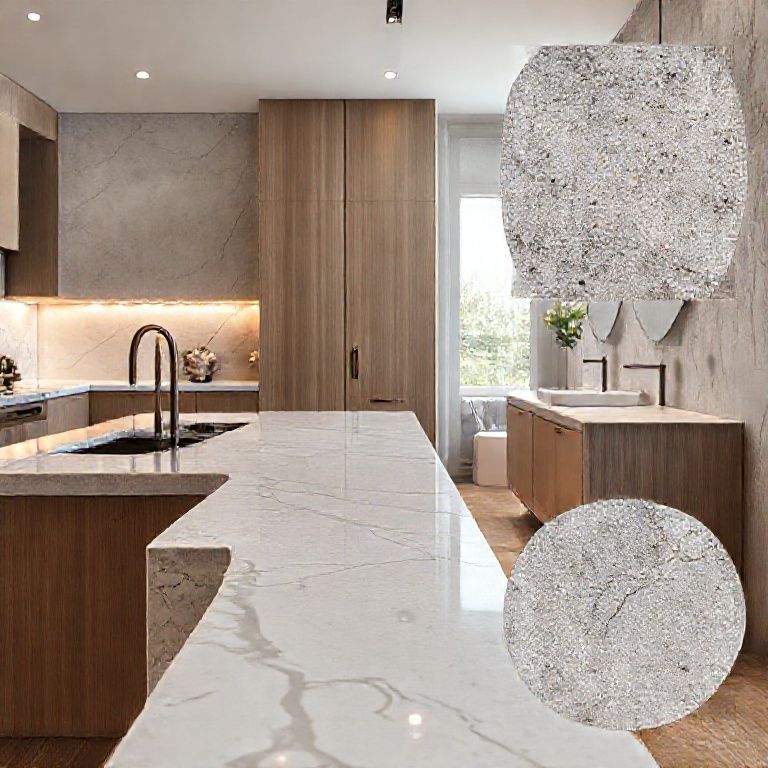
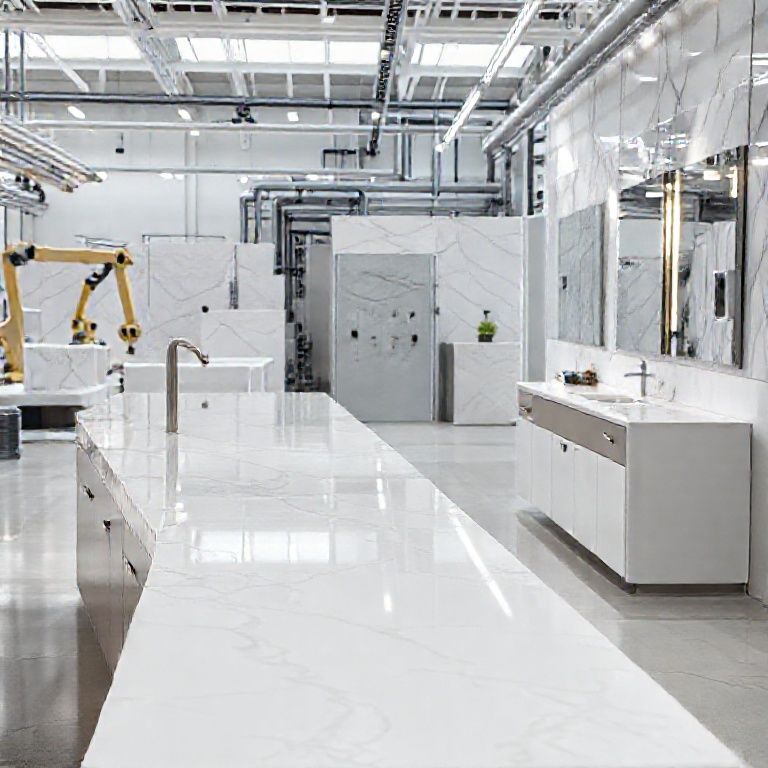
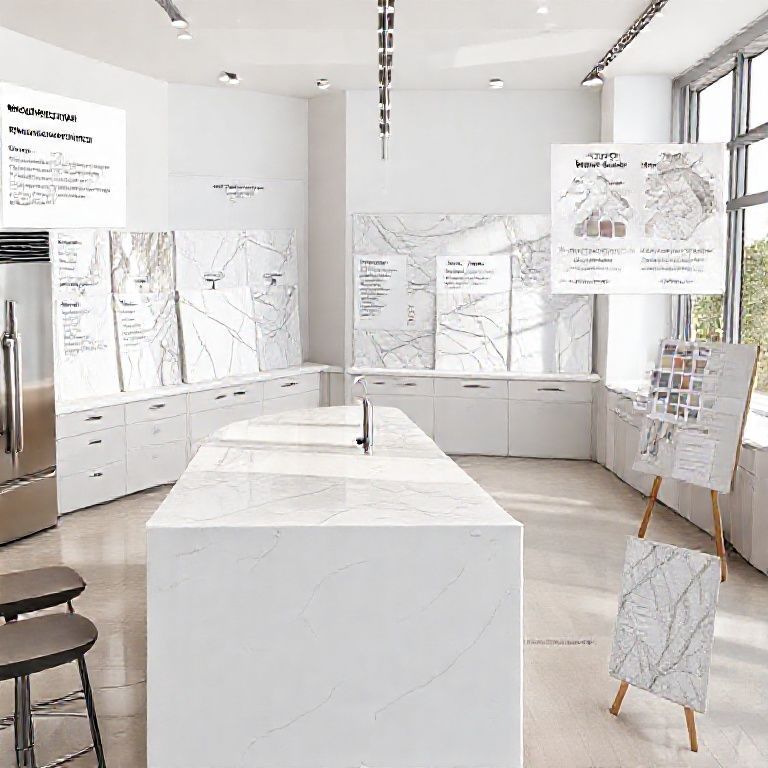
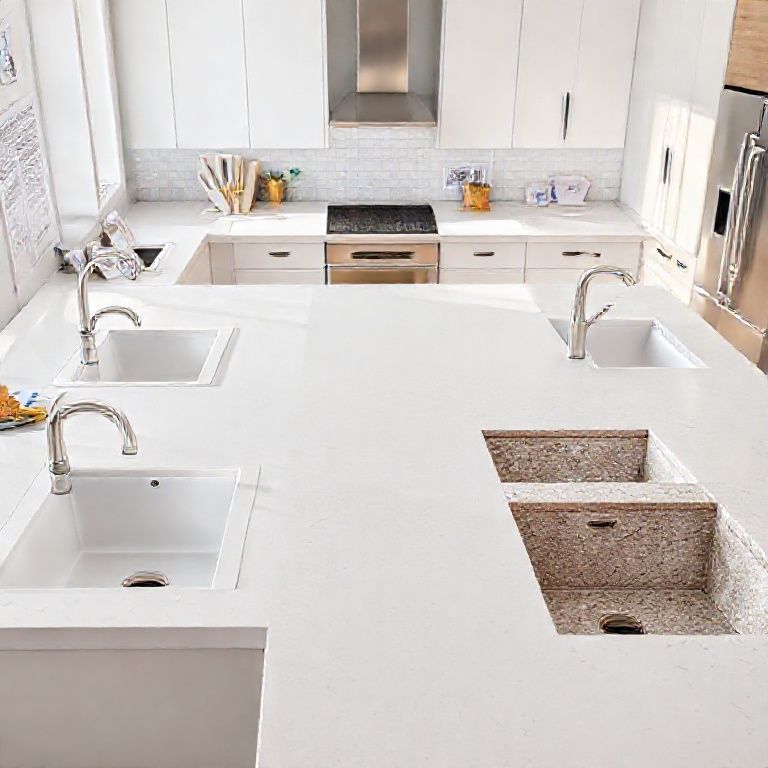
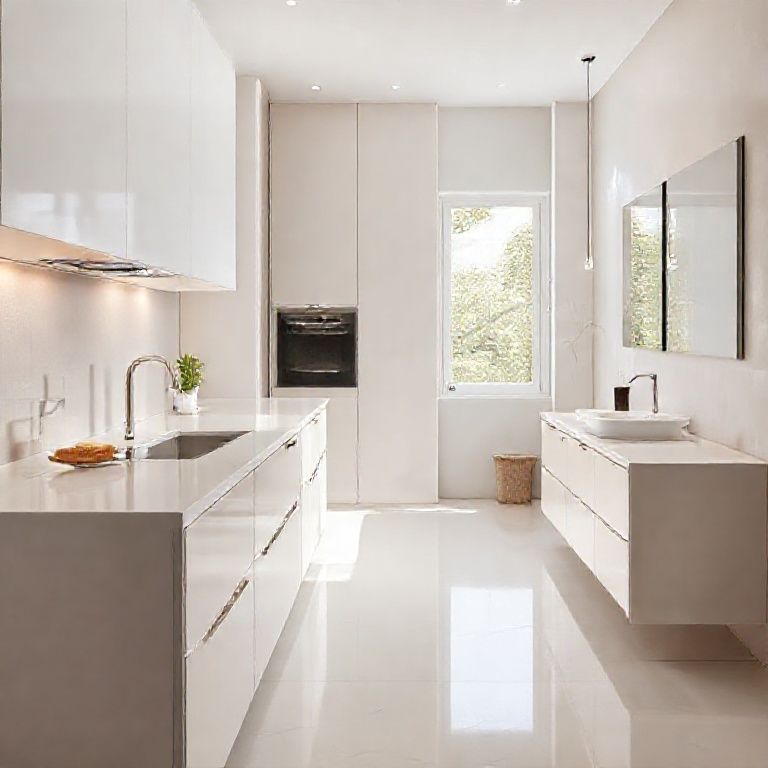
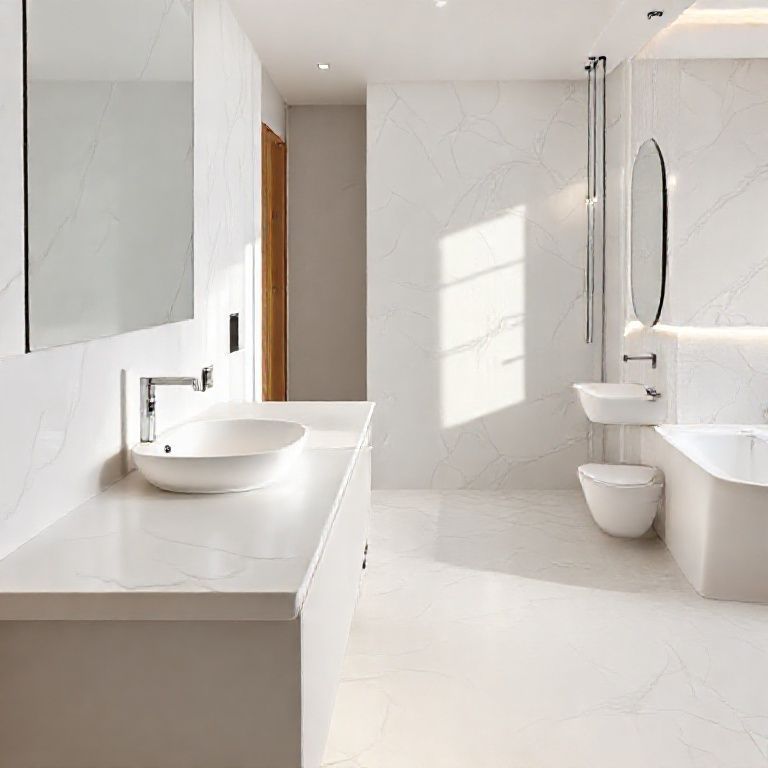
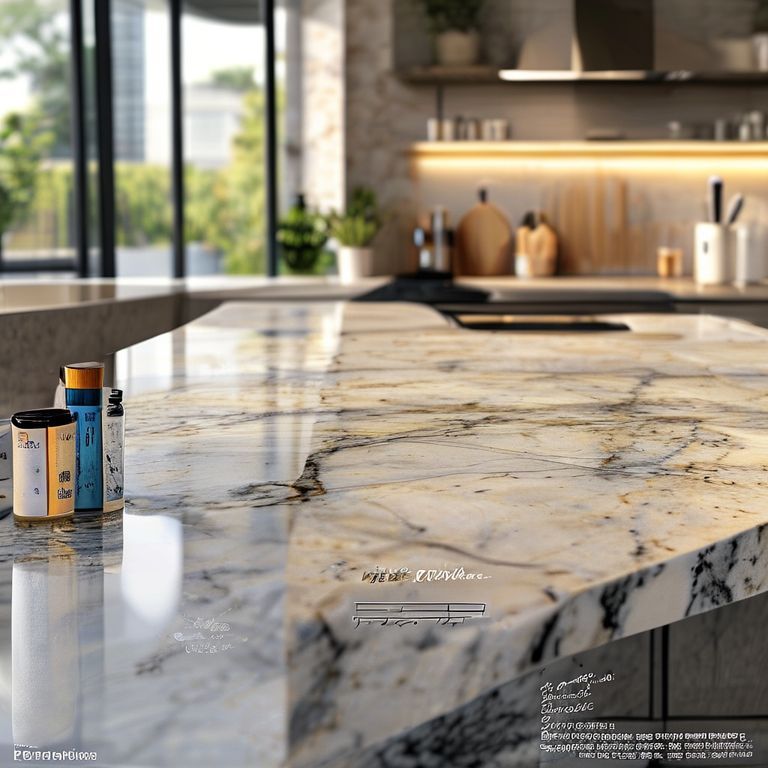
In the realm of interior design, few materials exude the timeless elegance and sophistication that marble does. Known for its natural beauty and versatility, marble is a favorite choice for both residential and commercial spaces. However, understanding the cost of marble per square meter is essential for making informed decisions about its use in your projects. This part of our comprehensive guide will delve into the factors that influence marble pricing, the various types of marble available, and how to navigate the market to get the best value.
Understanding Marble Pricing Factors
When it comes to marble, several factors play a crucial role in determining its cost per square meter. These factors include the type of marble, its quality, the complexity of the design, and the geographical location of the supplier.
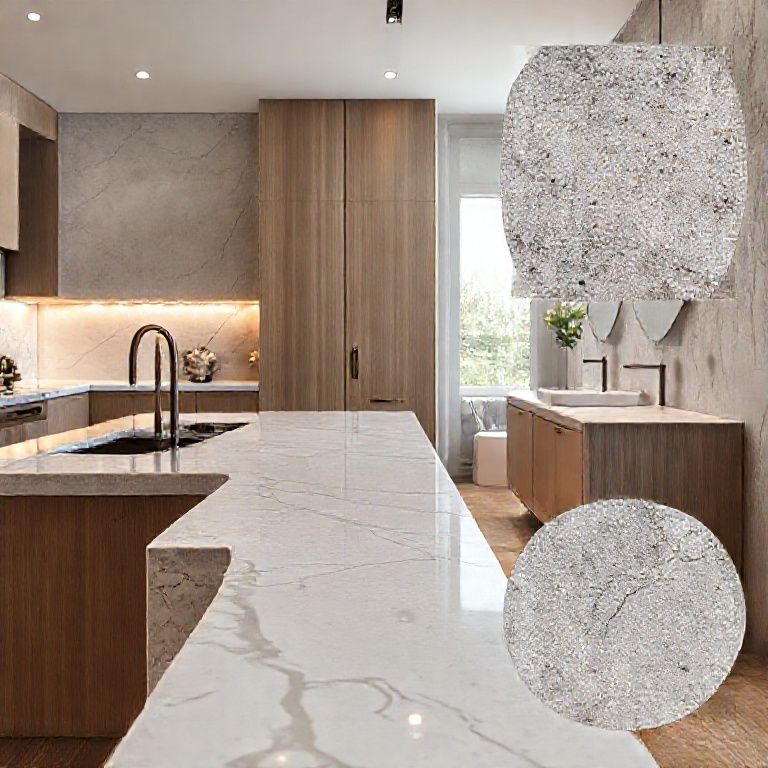
Type of Marble: The type of marble you choose can significantly impact its cost. Marble comes in various varieties, each with unique characteristics, colors, and patterns. High-end marbles like Carrara and Botticino are prized for their pristine white hues and intricate veining, making them more expensive than other types such as grey or colored marbles.
Quality: Marble quality is another key factor. Higher quality marble, which features fewer veins and blemishes, commands a higher price. The quality is often determined by the stone’s origin, with marble from certain regions known for their superior craftsmanship and aesthetic appeal.
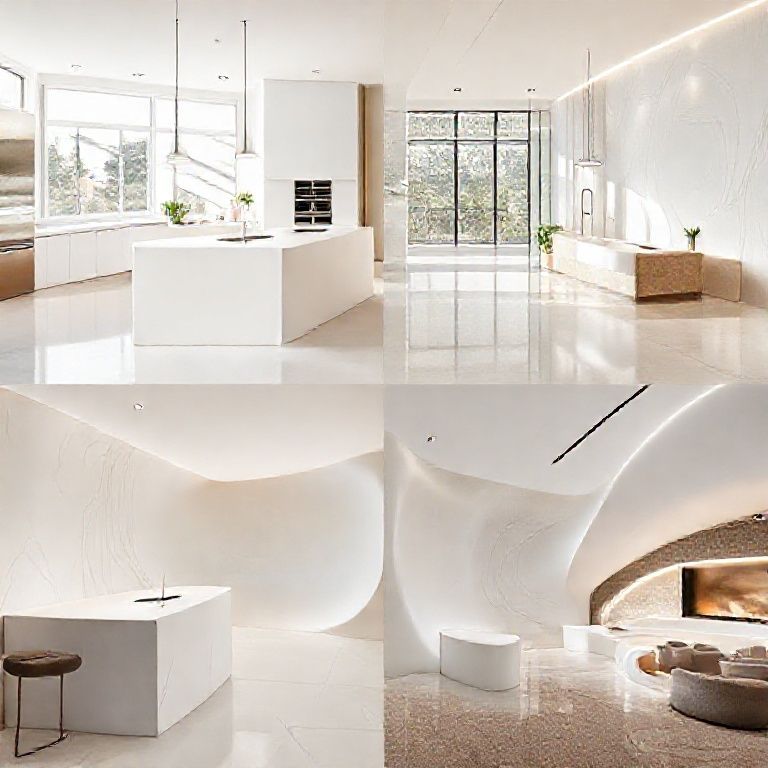
Design Complexity: The intricacy of the design also influences the cost. Custom designs, intricate patterns, and detailed carvings increase the labor and time required for installation, thereby raising the overall price.
Geographical Location: The geographical location of the supplier affects transportation costs and availability. Marble sourced from renowned quarries in Italy, France, or Turkey might be more expensive due to the prestige associated with these regions and the logistics involved in transporting the stone.
Exploring Different Types of Marble
Marble is not a one-size-fits-all material; its beauty and cost can vary widely based on the type. Here are some of the most popular types of marble used in interior design:
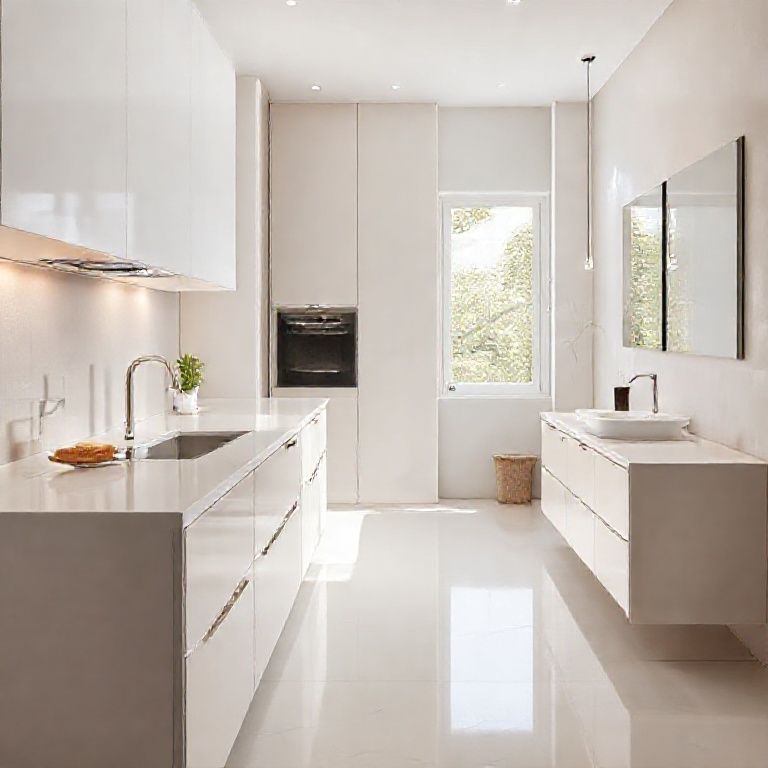
Carrara Marble: Renowned for its pure white color and intricate veining, Carrara marble is a favorite in high-end construction projects. It is commonly used for flooring, countertops, and decorative elements in homes and offices.
Botticino Marble: Originating from Italy, Botticino marble is known for its light cream color with fine, subtle veins. It is often used in interior design for its classic and timeless look.
Emperor Marble: This marble, also from Italy, is characterized by its grey base color with dark veining. Emperor marble is popular for its durability and cost-effectiveness, making it a great choice for commercial spaces.
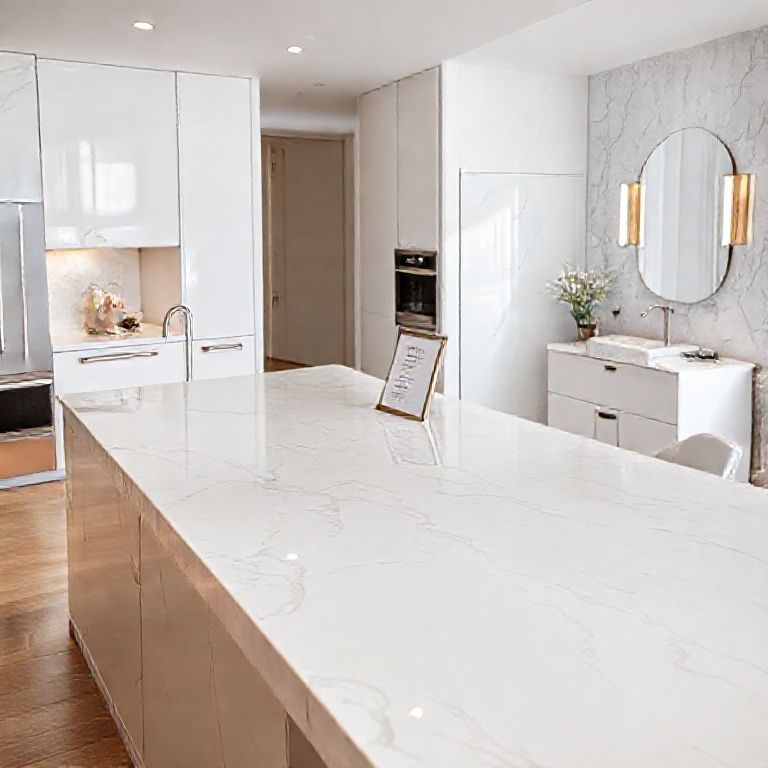
Lara Marble: Lara marble is a blend of light grey and white marble, featuring fine veining that adds a touch of elegance. It is versatile and can be used in various interior design applications.
Onyx Marble: While technically not a marble but a type of stone, Onyx marble is highly valued for its striking black and white veining. It is often used for countertops and decorative surfaces due to its unique appearance.
Getting the Best Value
To get the best value for your marble investment, consider the following tips:
Research Suppliers: Take the time to research different suppliers and compare their prices. Look for reputable suppliers with a good track record for quality and customer service.
Consider Quantity: Buying in bulk can often reduce the cost per square meter. Discuss with your supplier if bulk purchasing offers any discounts or advantages.
Custom Designs: While custom designs can increase the overall cost, they can also enhance the beauty and uniqueness of your space. Weigh the benefits of custom designs against their additional cost.
Quality Over Quantity: While it might be tempting to opt for cheaper options, investing in high-quality marble ensures longevity and maintains the aesthetic appeal of your space over time.
Conclusion
Understanding the cost of marble per square meter is essential for anyone looking to incorporate this luxurious material into their design projects. By considering the factors that influence marble pricing, exploring the different types available, and seeking the best value through careful research, you can make informed decisions that enhance the beauty and durability of your space. Stay tuned for the second part of our guide, where we will delve deeper into the installation process and maintenance tips for marble surfaces.
Building on our previous exploration of marble costs and types, this part of our comprehensive guide focuses on the installation and maintenance of marble surfaces. Proper installation and meticulous maintenance are key to ensuring that your marble remains a stunning feature in your space for years to come. This section will delve into the best practices for installing marble, the tools and techniques required, and essential tips to keep your marble looking pristine and durable.
Best Practices for Marble Installation
Professional Installation: For best results, it is highly recommended to hire professional installers who have experience with marble. Professional installers bring expertise in handling the delicate nature of marble and ensuring a flawless finish.
Proper Preparation: Before installation, it is crucial to prepare the surface where the marble will be placed. Ensure that the surface is clean, level, and free from any contaminants. This preparation is essential for a smooth and secure installation.
Adhesive Selection: Choosing the right adhesive is important for marble installation. Use a high-quality, flexible adhesive designed for natural stone that can withstand temperature changes and provide a strong bond.
Grout Selection: Selecting the appropriate grout is also crucial. Opt for a high-quality grout that matches the color and finish of your marble. Proper grouting ensures durability and enhances the aesthetic appeal of your marble surface.
Sealing: After installation, sealing the marble is essential to protect it from stains and moisture. Use a high-quality sealer that is suitable for the type of marble you have. Regular sealing helps maintain the beauty and longevity of your marble.
Tools and Techniques for Marble Installation
Tile Cutter: A tile cutter is essential for cutting marble tiles to fit your space accurately. Use a tile cutter with a diamond blade for the best results.
Level: A level is crucial for ensuring that your marble installation is even and flat. This tool helps in achieving a professional-looking finish.
Chisels and Hammers: Chisels and hammers are often used to fit marble tiles precisely and to remove any excess adhesive or grout.
Masonry Saw: A masonry saw is useful for cutting through marble without damaging the surface. This tool provides clean and precise cuts.
Sealer Applicator: A sealer applicator is necessary for applying the sealer evenly across the marble surface. This ensures that the sealer penetrates the stone effectively.
Essential Maintenance Tips
Regular Cleaning: To keep your marble looking pristine, regular cleaning is essential. Use a mild pH-neutral cleaner and a soft cloth to wipe the surface gently. Avoid using acidic or abrasive cleaners that can damage the marble.
Spot Cleaning: For minor spills and stains, act quickly to prevent them from setting in. Use a pH-neutral cleaner to spot clean the affected area. Avoid rubbing the marble, as this can scratch the surface.
Avoiding Acidic Foods and Drinks: To prevent stains and etching on the marble, avoid placing acidic foods and drinks directly on the surface. Use trivets or coasters to protect the marble from heat and acidity.
Sealing: Regular sealing is crucial for maintaining the beauty and durability of your marble. Depending on the type of marble and the level of exposure, reseal every 6 to 12 months. Follow the manufacturer’s instructions for the best results.
Proper Storage: If you have marble tiles or slabs that are not in use, store them properly to prevent damage. Store them in a cool, dry place away from direct sunlight and extreme temperatures.
Conclusion
Proper installation and meticulous maintenance are key to ensuring that your marble remains a stunning feature in your space for years to come. By following best practices for installation, using the right tools and techniques, and adhering to essential maintenance tips, you can preserve the beauty and durability of your marble investment. Whether you are a homeowner, designer, or contractor, these insights will help you make the most of your marble surfaces. For more detailed information and expert当然,继续我们的指南,关于如何最大限度地利用您的大理石投资。
长期投资与回报
耐久性和耐用性: 大理石以其高度耐用和耐腐蚀性而闻名。正确安装和维护后,大理石可以在家庭和商业环境中持续多年,减少了频繁更换和维护的成本。
升值潜力: 高质量的大理石在市场上具有较高的升值潜力。经典设计和纯正材质的大理石在房地产升值和商业投资中表现尤为突出。特别是在高档住宅和商业地产中,优质大理石的使用可以显著提升物业的整体价值。
环境和可持续性
环保选择: 尽管大理石是天然材料,但其开采和运输过程对环境有一定影响。选择具有环保认证的大理石供应商,比如那些采用可持续采矿和运输方式的公司,可以减少对环境的负面影响。
本地采购: 如果可能,考虑选择本地供应商的大理石。这不仅减少了运输成本和碳排放,还能支持本地经济。
个性化和定制设计
定制设计: 大理石的多样性和纹理使其成为绝佳的定制材料。无论是独特的地板设计、定制柜台还是独特的墙面装饰,定制大理石设计可以满足个性化需求,提升空间的独特性和美感。
多功能用途: 大理石不仅适用于室内装饰,还可用于户外项目如庭院、花园和露台。这种多功能性让大理石成为多种项目的理想选择。
风格与趋势
经典与现代结合: 大理石的经典美学使其适合各种风格的设计,从传统到现代。通过与其他材料的搭配,如木材、金属和玻璃,大理石可以轻松融入多种现代设计风格。
趋势与创新: 随着设计趋势的变化,大理石的应用也在不断创新。例如,新型大理石复合材料和现代颜色和纹理处理正在引领新的设计潮流。
安全与健康
无毒无害: 大理石是一种天然无毒材料,对人体无害。相比于一些合成材料,大理石在健康方面具有显著优势。
抗菌特性: 尽管大理石并不是完全无菌的,但其天然的结构特性使其对细菌和霉菌具有一定的抵抗力。适当的清洁和维护可以进一步提升其抗菌能力。
结论
大理石不仅是一种美观和高质量的装饰材料,还具有长期投资和可持续发展的潜力。通过选择高质量的材料,专业的安装,以及细致的维护,您可以确保大理石在您的空间中发挥其最大的美学和功能价值。无论是家庭装饰还是商业项目,大理石都是一个值得投资的选择。