The Timeless Elegance and Diverse Types of Marble
Marble has long been celebrated for its unparalleled beauty and durability, making it a preferred choice for luxury interiors and high-end architecture. Whether it’s the intricate veining that tells a unique story or the glossy finish that captures light in mesmerizing ways, marble’s allure is undeniable. However, understanding the pricing of marble per square meter requires an appreciation of its diverse types, each offering distinct characteristics and cost variations.
The Allure of Marble
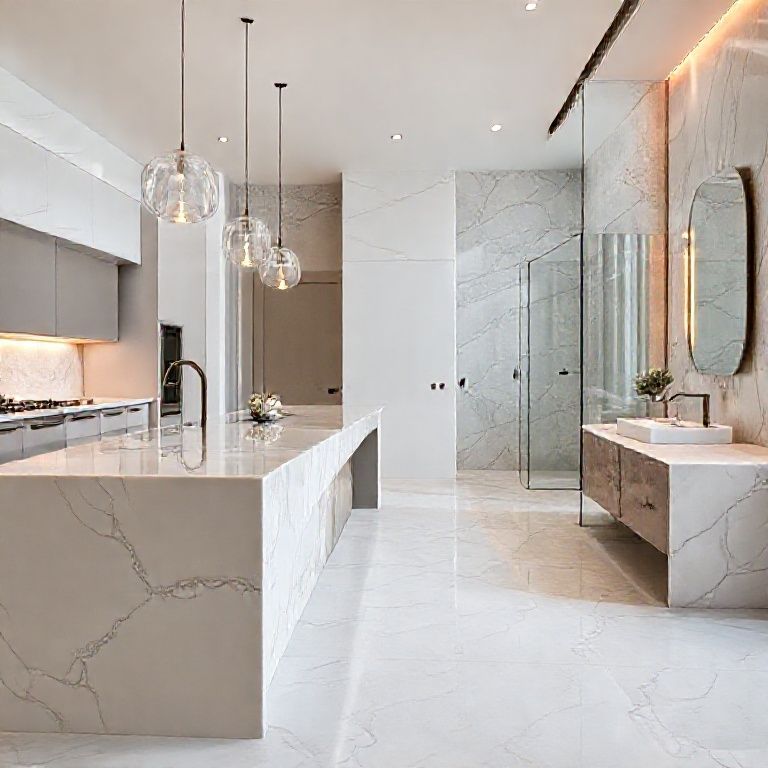
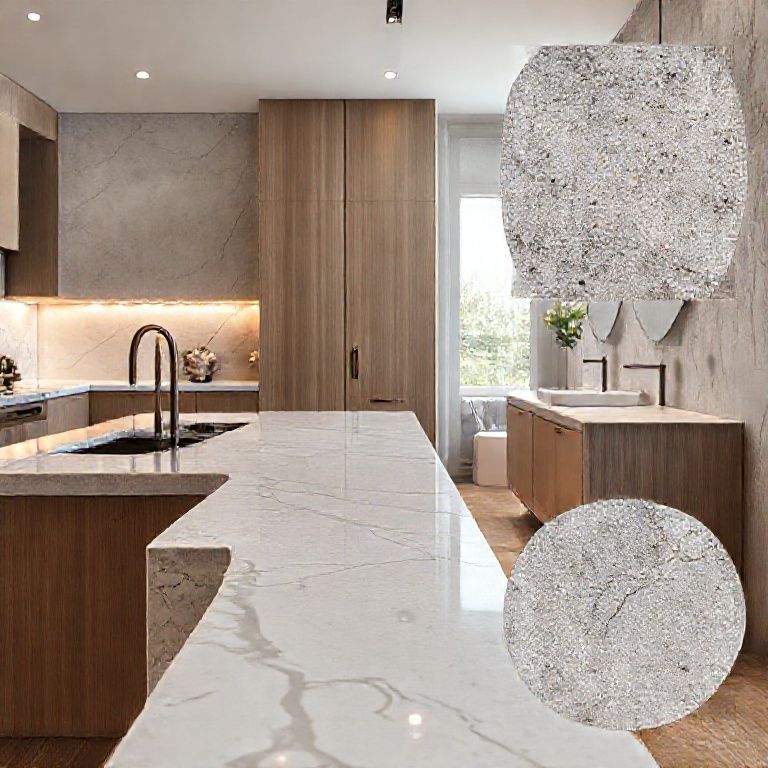
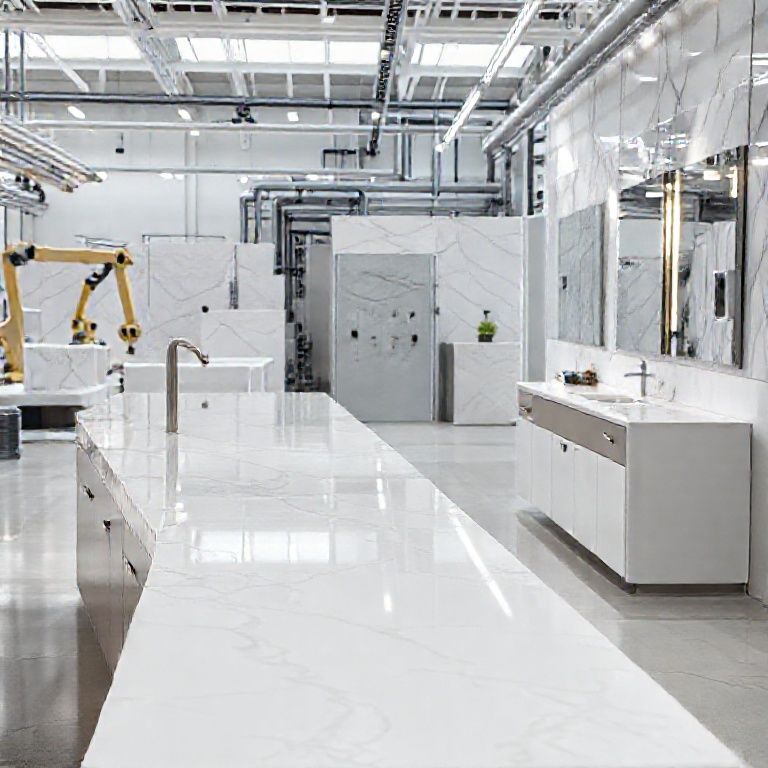
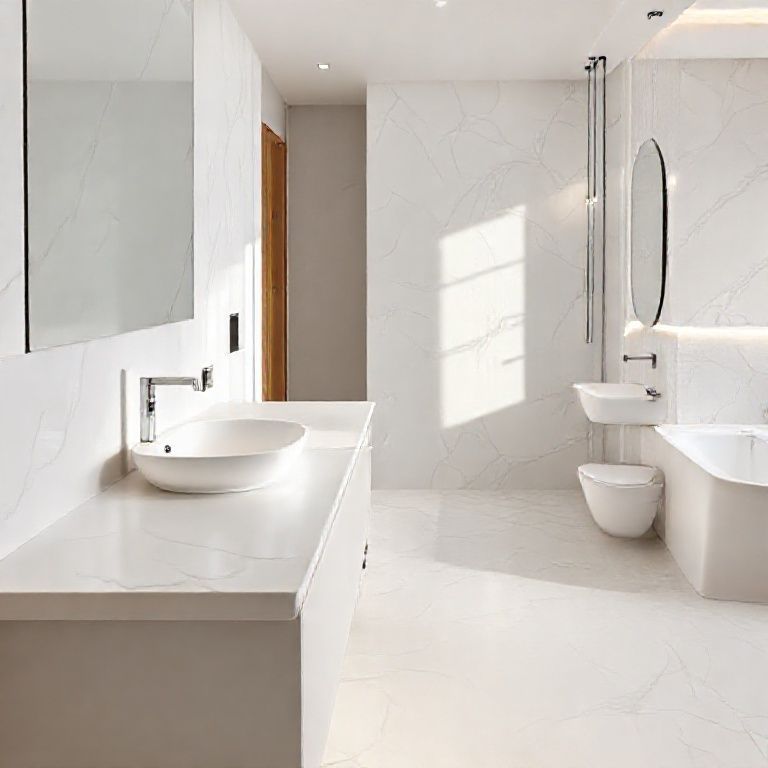
Marble, a metamorphic rock formed from limestone, boasts a rich history in global architecture and design. Renowned for its striking appearance and elegant textures, marble has adorned the homes of the wealthy and famous for centuries. It is used in various applications, from flooring and countertops to wall cladding and sculptures, making it a versatile choice for any space.
Varieties of Marble
There are numerous types of marble, each distinguished by its color, veining, and overall aesthetic appeal. Here are some of the most popular types:
Italian Marble: Carrare: Perhaps the most famous Italian marble, Carrara is renowned for its pure white veins and high-quality finish. It’s often used in high-end architectural projects and luxury interiors. Bianco Antico: Known for its creamy, off-white color with delicate veining, Bianco Antico is a favorite in upscale bathrooms and kitchens. Indian Marble: Jasper: With its rich, colorful veins, Jasper marble adds a dramatic flair to any space, making it a popular choice for bold, modern designs. Black Marble: This versatile marble is perfect for both contemporary and traditional settings, offering a striking black finish with varying veining patterns. Turkish Marble: Emperor: This marble is prized for its unique veining and color, often featuring shades of pink, red, and white. It’s ideal for creating a regal atmosphere. Sapphire: Known for its deep blue hues, Sapphire marble is perfect for adding a touch of luxury to any space.
Factors Influencing Marble Pricing
The cost of marble per square meter is influenced by several factors, including:
Type and Origin: Marble from certain regions or with specific veining patterns can command higher prices. For instance, Carrara marble is generally more expensive than other types due to its quality and the labor-intensive process required to extract it.
Color and Veining: Marbles with unique and vibrant veining patterns often have higher prices. Natural variations in color and veining make each piece unique, and these variations can significantly impact the cost.
Finishing: The way marble is finished affects its durability and aesthetic appeal. Polished marble, which has a glossy finish, tends to be more expensive than honed or brushed marble.
Quantity and Size: Larger, consistent slabs of marble are easier to work with and thus more economical to produce, leading to lower costs per square meter.
Transport and Installation: The cost of transporting marble from its source to the installation site can vary based on location and logistics. Additionally, the complexity of the installation can influence the overall cost.
Conclusion of Part 1
Understanding the different types of marble and the factors influencing its cost is essential for anyone considering this luxurious material for their next project. Each type of marble brings its own unique beauty and set of characteristics, and the pricing per square meter can vary widely depending on these factors. In the next part, we will delve deeper into the specific pricing of marble, offering a comprehensive guide to help you make informed decisions.
Comprehensive Guide to Marble Pricing per Square Meter
Now that we have explored the diverse types of marble and the factors influencing their pricing, it’s time to delve into the specifics of marble cost per square meter. This section will provide a detailed overview of the pricing landscape, offering insights to help you navigate the world of marble and make informed choices for your next renovation project.
Understanding Marble Pricing
The cost of marble per square meter can vary significantly based on several factors, including the type of marble, its origin, and the specific characteristics that make it unique. Here’s a comprehensive guide to help you understand and navigate marble pricing:
1. Marble Types and Their Pricing
Different types of marble have varying prices based on their origin, color, veining, and quality. Here’s a breakdown of the pricing for some popular marble types:
Italian Marble: Carrare: $150 – $250 per square meter. Known for its high quality, Carrara marble is often used in high-end projects. Bianco Antico: $120 – $200 per square meter. Its creamy, off-white color with delicate veining makes it a favorite for luxury interiors. Indian Marble: Jasper: $80 – $150 per square meter. The colorful veining of Jasper marble adds a dramatic touch to any space. Black Marble: $100 – $180 per square meter. Versatile and striking, black marble is perfect for modern designs. Turkish Marble: Emperor: $120 – $220 per square meter. This marble’s unique veining and color make it ideal for regal settings. Sapphire: $100 – $180 per square meter. Its deep blue hues add a luxurious touch to any space.
2. Influence of Color and Veining
The natural variations in color and veining of marble can significantly impact its price. Marbles with unique and vibrant patterns often have higher prices due to their rarity and the intricate veining that requires more labor to achieve.
3. Finishing and Its Impact on Pricing
The finishing process also affects the cost of marble per square meter:
Polished Marble: This type of marble has a glossy finish and is more expensive due to the labor-intensive process required to achieve this finish. Honed Marble: This finish has a matte surface and is less expensive than polished marble because it requires less labor. Brushed Marble: This finish has a rough texture and is often used for walls and other surfaces that don’t require a smooth surface, making it a cost-effective option.
4. Quantity and Size
The size and quantity of marble slabs can influence the cost per square meter. Larger, consistent slabs are easier to work with and produce, leading to lower costs. Conversely, smaller, irregularly shaped slabs can be more expensive due to the additional labor required for cutting and fitting.
5. Transport and Installation Costs
Transporting marble from its source to the installation site can vary based on location and logistics. Additionally, the complexity of the installation can impact the overall cost. For instance, installing marble on uneven surfaces or in hard-to-reach areas may require more labor and specialized equipment, increasing the cost.
Special Considerations
When considering the cost of marble per square meter, it’s essential to account for additional costs such as:
Cutting and Shaping: Custom cutting and shaping can add to the overall cost, especially for unique designs or irregular shapes. Sealing and Maintenance: Marble requires regular sealing and maintenance to maintain its beauty and durability. While this is not a one-time cost, it’s important to consider the long-term expenses associated with marble upkeep. Labor Costs: Professional installation is often necessary for marble, and labor costs can vary based on the complexity of the project and the skill level of the workers.
Conclusion
Understanding the pricing of marble per square meter involves considering various factors, including the type of marble, its origin, color and veining, finishing, size and quantity, transport, and installation costs. By taking these elements into account, you can make informed decisions and choose the perfect marble for your next project. Marble’s timeless elegance and versatility make it a worthwhile investment for any luxury renovation, and with this comprehensive guide, you’re well-equipped to navigate the world of marble pricing.