The Elegant Choice: Artificial Stone vs. Quartz Countertops
When it comes to selecting the perfect material for your kitchen or bathroom countertops, two names often stand out: artificial stone and quartz. Both of these materials have gained popularity for their durability, aesthetic appeal, and versatility. But what exactly sets them apart, and which one is the better choice for your home renovation project? Let’s delve into the intricacies of artificial stone and quartz countertops, exploring their characteristics, benefits, and drawbacks to help you make an informed decision.
What is Artificial Stone?
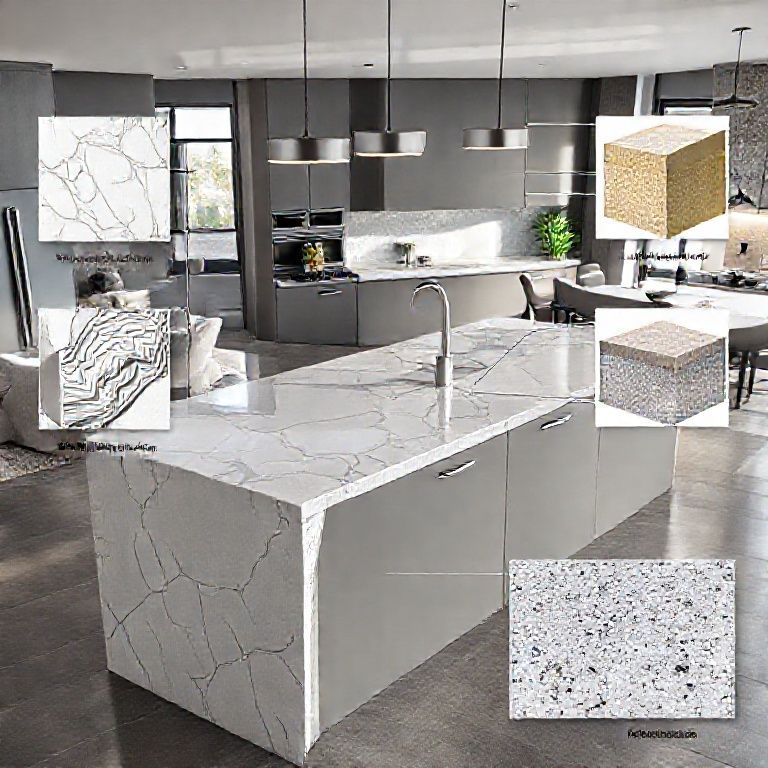
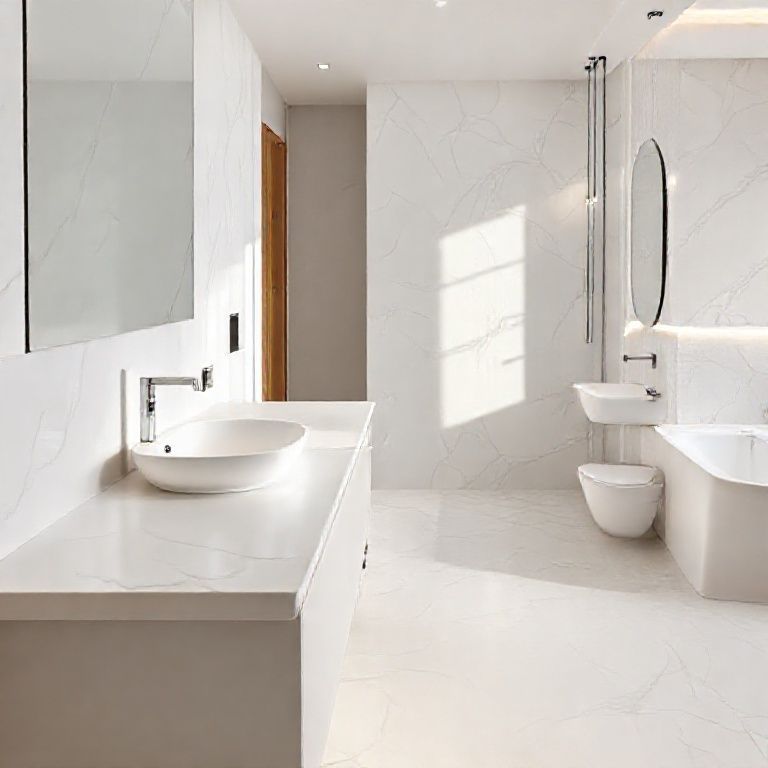
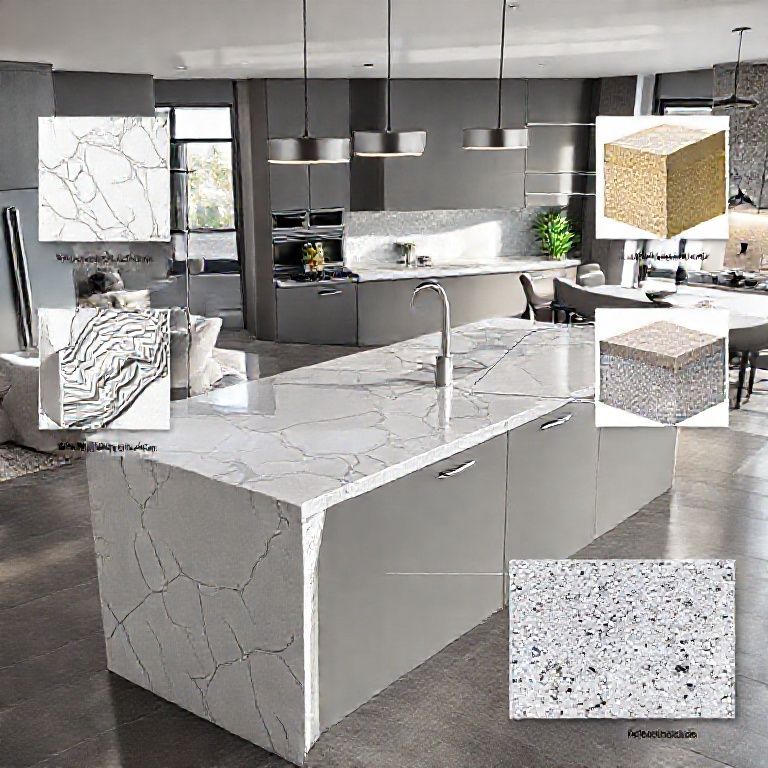
Artificial stone, often referred to as cultured stone, is a composite material made from a mixture of natural stone powder (such as marble, granite, or limestone) and resin. This combination is poured into molds and then cured, resulting in a solid stone-like material. The process allows for a variety of colors, patterns, and finishes that mimic the appearance of natural stone.
Advantages of Artificial Stone
Aesthetic Variety: Artificial stone offers a vast range of colors, textures, and patterns. You can choose from classic marble looks to more exotic designs, giving you the freedom to match or exceed the aesthetics of natural stone.
Durability: While artificial stone can be susceptible to acid-based stains, it is generally more durable than some types of natural stone. The resin bonding process makes it less likely to chip or crack compared to certain natural stone alternatives.
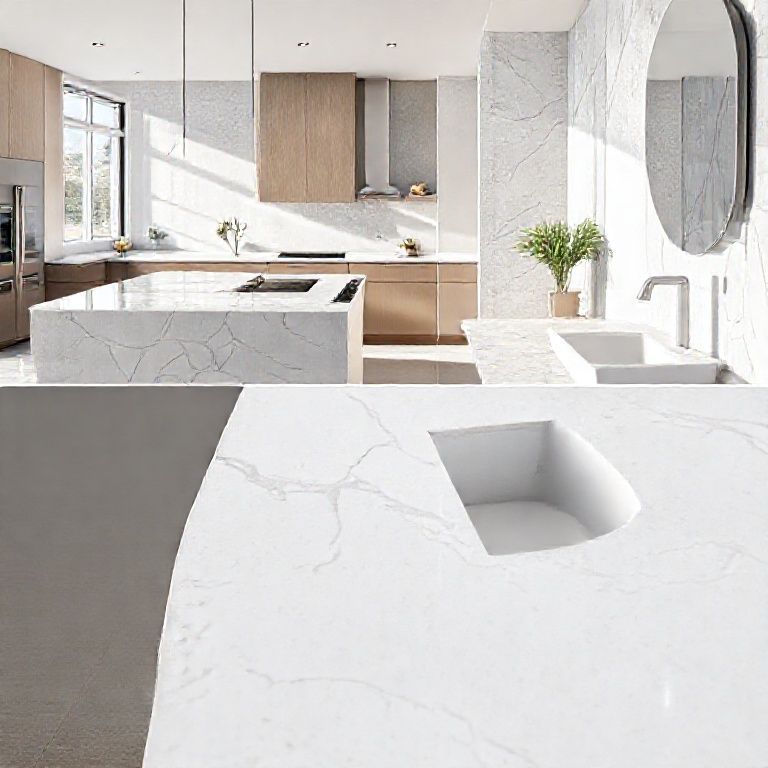
Cost-Effectiveness: Artificial stone is often more affordable than natural stone options, making it an attractive choice for those looking to achieve high-end aesthetics without breaking the bank.
Maintenance: Unlike natural stone, artificial stone does not require sealing. It is also more resistant to water and can be easily cleaned with a soft cloth and mild detergent.
Disadvantages of Artificial Stone
Heat Resistance: Artificial stone is not as heat-resistant as quartz. It can crack under prolonged exposure to very hot pots and pans.
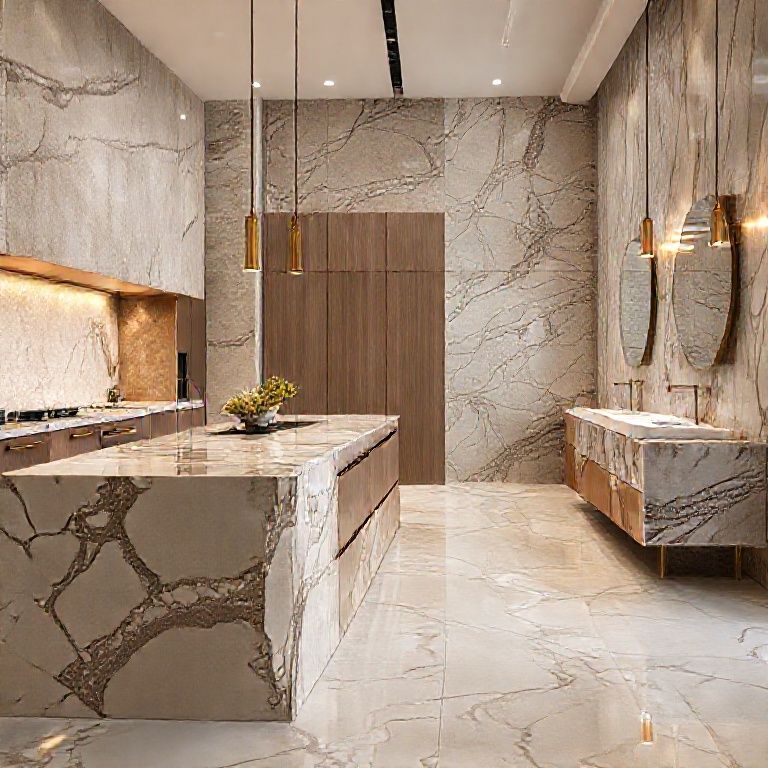
Stain Potential: While generally low-maintenance, artificial stone can still be stained by acidic substances. However, it is often easier to clean than natural stone.
What is Quartz Countertops?
Quartz countertops are made from 90% quartz powder and 10% resin. This material is engineered using high-pressure and high-temperature processes, resulting in a solid surface that is both beautiful and highly durable.
Advantages of Quartz Countertops
Aesthetic Versatility: Quartz offers a stunning array of colors and patterns. Manufacturers can create custom designs that cater to any aesthetic preference, from classic to contemporary.
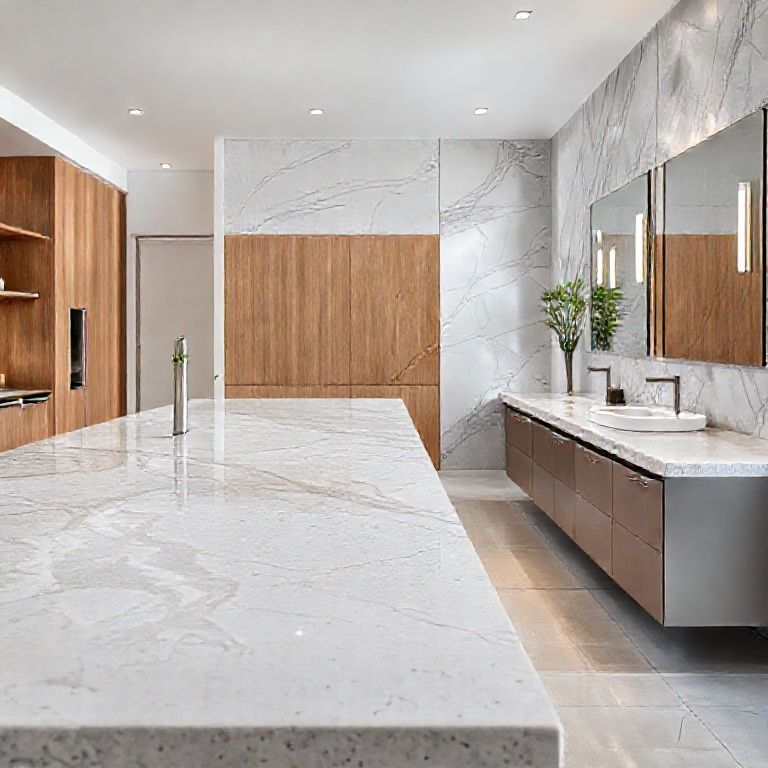
Durability: Quartz is one of the hardest natural minerals, making it highly resistant to scratches, stains, and thermal damage. This durability ensures that quartz countertops can last for decades without significant wear.
Low Maintenance: Quartz countertops do not require sealing and are easy to clean with a mild soap and water solution. They are also resistant to stains, bacteria, and most chemicals.
Heat Resistance: Quartz is highly resistant to heat, making it an excellent choice for kitchen countertops that are frequently exposed to hot pots and pans.
Disadvantages of Quartz Countertops
Cost: Quartz countertops can be more expensive than artificial stone due to the high-quality materials and manufacturing process.
Installation: Installing quartz countertops can be more complex and may require professional installation to ensure a perfect fit and seamless look.
Weight: Quartz countertops are heavier than artificial stone, which may necessitate additional support during installation.
Comparison: Artificial Stone vs. Quartz Countertops
When comparing artificial stone and quartz countertops, several factors come into play, including aesthetics, durability, maintenance, and cost.
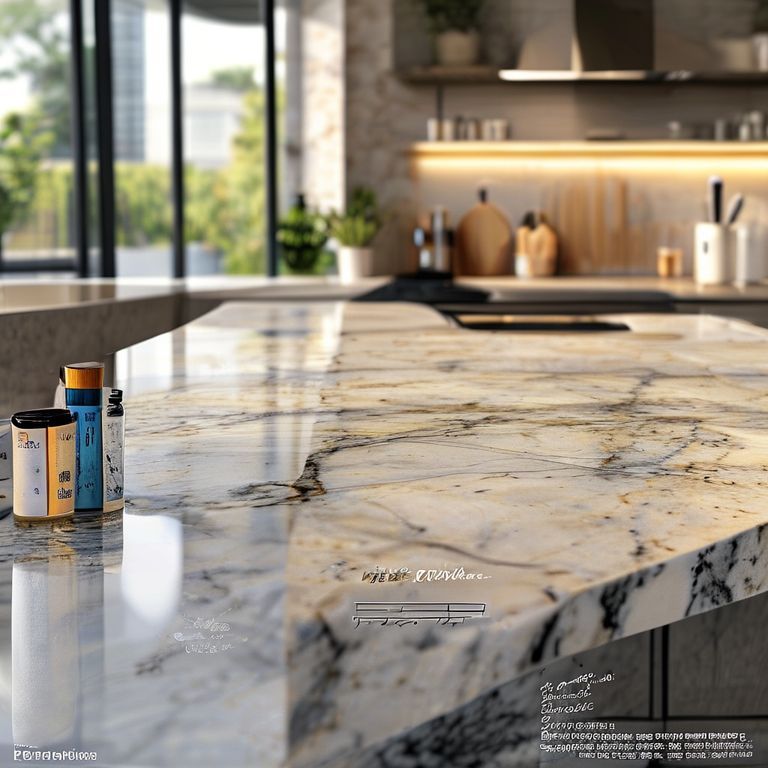
Aesthetics: Both materials offer a wide range of designs and finishes. However, quartz provides an unmatched level of realism, closely mimicking the look of natural stone with precision. Artificial stone also offers a broad spectrum of colors and patterns, but it may not always capture the natural beauty and uniqueness of real stone.
Durability: Quartz holds the edge in durability, offering superior resistance to scratches, stains, and thermal damage. Artificial stone is more affordable and still offers good durability, but it may not withstand extreme heat or certain acidic substances as well as quartz.
Maintenance: Both materials are low-maintenance, but quartz stands out for its ease of cleaning and resistance to everyday wear and tear. Artificial stone is also low-maintenance but may require more vigilance to prevent certain types of stains.
Cost: Artificial stone is generally more affordable than quartz, making it a cost-effective option for those who still want high-end aesthetics without the premium price tag. Quartz, while more expensive, offers long-term durability and a more polished finish.
Conclusion: Choosing between artificial stone and quartz countertops depends on your specific needs and preferences. If you prioritize aesthetics and are willing to invest in a material that offers unmatched durability and low maintenance, quartz is the superior choice. On the other hand, if you are looking for an affordable yet stylish option that still provides good durability, artificial stone could be the perfect fit.
In the next part, we will further explore the installation process, long-term care, and additional benefits of both artificial stone and quartz countertops to help you finalize your decision for your next home renovation project.
The Elegant Choice: Artificial Stone vs. Quartz Countertops
In the second part of our detailed comparison between artificial stone and quartz countertops, we will delve deeper into the installation process, long-term care, and additional benefits of both materials. Understanding these aspects will provide you with a comprehensive view to help you make an informed decision for your home renovation project.
Installation Process
Artificial Stone: Artificial stone is relatively easy to install. It can be cut and shaped on-site using standard tools, making it suitable for DIY enthusiasts or custom installations. However, professional installation is recommended to ensure a seamless and durable finish.
Quartz Countertops: The installation of quartz countertops is more complex due to their solid surface nature. Professional installation is typically required to ensure proper fitting and a flawless appearance. This process involves meticulous cutting, fitting, and sealing to achieve an impeccable finish.
Long-Term Care
Artificial Stone: Artificial stone requires minimal maintenance. Regular cleaning with a mild soap and water solution will keep it looking fresh. However, it is important to avoid using acidic cleaners, as they can potentially damage the surface. For occasional heavy-duty cleaning, a specialized cleaner designed for artificial stone can be used.
Quartz Countertops: Quartz countertops are renowned for their low maintenance requirements. A simple wipe with a mild soap and water solution will suffice for daily cleaning. Quartz is also highly resistant to stains, bacteria, and most household chemicals, making it ideal for high-traffic areas. For occasional deep cleaning, specialized cleaners are available but rarely needed.
Additional Benefits
Artificial Stone:
Environmentally Friendly: Artificial stone is a sustainable option as it uses recycled stone powder and resin, reducing the need for cutting natural stone. Versatility: Beyond countertops, artificial stone can be used for tiles, vanities, and other decorative elements in your home. Customization: The ability to create custom colors and patterns allows for unique designs that can match any home decor.
Quartz Countertops:
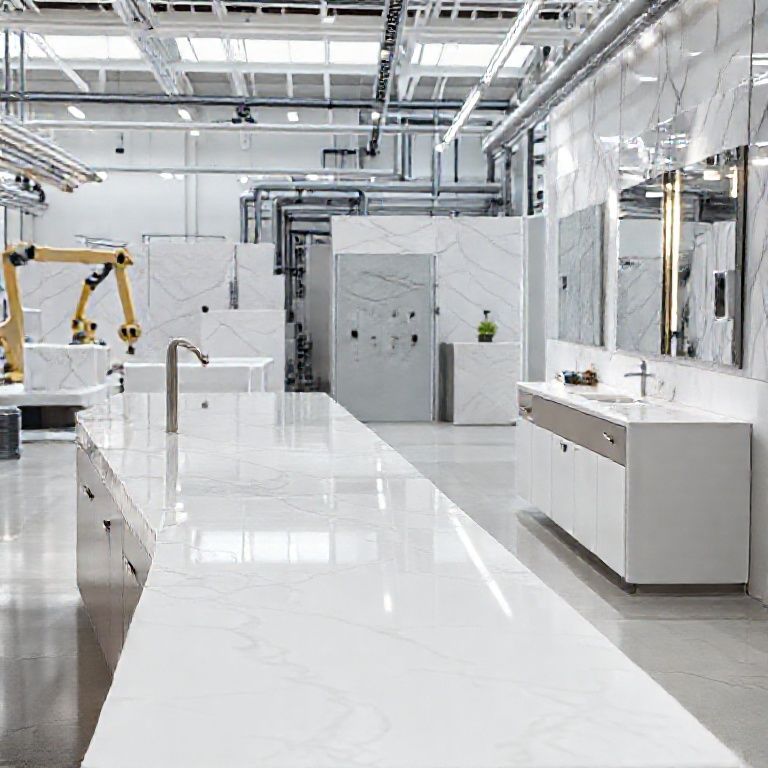
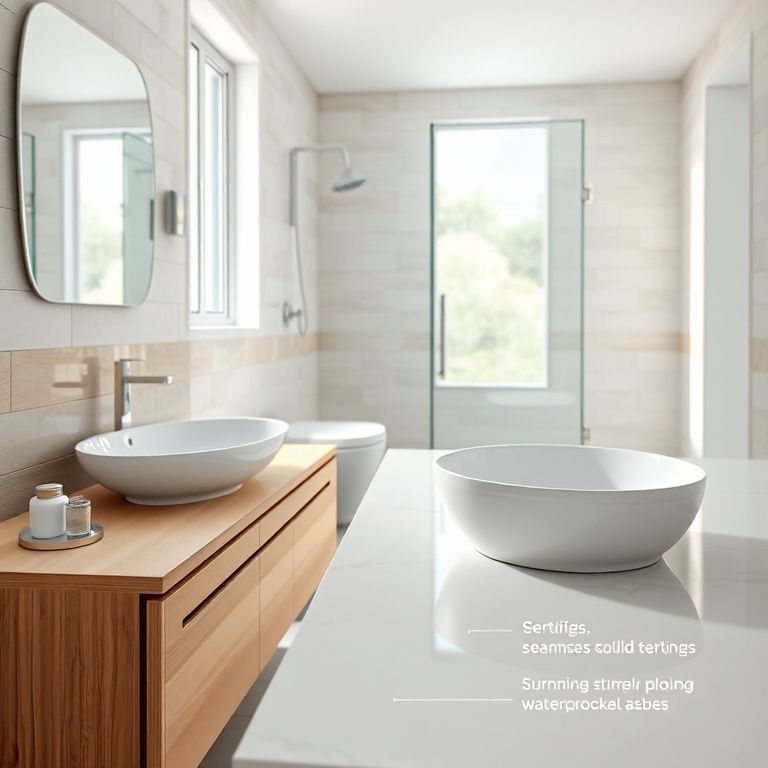
Chemical Resistance: Quartz is highly resistant to a wide range of chemicals, including alcohol, bleach, and oil. This makes it an excellent choice for commercial kitchens and laboratories. Water Resistance: While quartz is not water-resistant, it is highly resistant to water damage. This makes it ideal for areas where spills and splashes are common. Eco-Friendly: Quartz countertops are made from natural quartz powder and resin, contributing to a more sustainable building option.
Sustainability Considerations
Artificial Stone: Artificial stone is an eco-friendly choice because it utilizes recycled stone powder, which reduces the demand for cutting natural stone. This approach minimizes the environmental impact associated with traditional stone quarrying.
Quartz Countertops: While quartz countertops are made from natural quartz powder, the manufacturing process is energy-intensive. However, the longevity and durability of quartz can offset the initial environmental cost, as fewer replacements are needed over time.
Final Thoughts
In making your decision between artificial stone and quartz countertops, it’s essential to consider your specific needs, aesthetic preferences, and budget. Here’s a quick recap:
Artificial Stone:
Pros: Affordable, versatile, low maintenance, customizable Cons: Limited heat resistance, potential for acidic stains
Quartz Countertops:
Pros: Unmatched durability, low maintenance, chemical resistance, aesthetic versatility Cons: Higher cost, complex installation, heavier
Making the Decision
Ultimately, the choice between artificial stone and quartz countertops depends on your priorities. If you are looking for an affordable, stylish, and versatile option that still offers good durability, artificial stone might be the way to go. On the other handMaking the Decision
Ultimately, the choice between artificial stone and quartz countertops depends on your priorities. If you are looking for an affordable, stylish, and versatile option that still offers good durability, artificial stone might be the way to go. On the other hand, if you prioritize unmatched durability, low maintenance, and resistance to a wide range of chemicals, quartz countertops are the superior choice.
Budget Considerations
Artificial Stone: Artificial stone is generally more affordable than quartz. This makes it an excellent option for those on a budget while still wanting high-end aesthetics. The cost-effectiveness of artificial stone also makes it a popular choice for DIY enthusiasts who want to save on installation fees.
Quartz Countertops: Quartz countertops come with a higher price tag. However, their durability and low maintenance requirements can save you money in the long run, as they are less likely to need replacement or extensive repairs.
Installation and Professional Help
Artificial Stone: Artificial stone is relatively easy to install, making it a good choice for DIY projects or for those who prefer a more hands-on approach. However, professional installation is recommended to ensure the best results and a seamless finish.
Quartz Countertops: Due to their solid surface nature, quartz countertops require professional installation to achieve a flawless appearance. This complexity in installation can add to the overall cost but ensures a perfect fit and finish.
Aesthetics and Design
Artificial Stone: Artificial stone offers a wide range of colors, patterns, and finishes. It can mimic the appearance of natural stone materials like marble, granite, and limestone. This versatility allows for a custom design that can match or exceed the aesthetics of natural stone.
Quartz Countertops: Quartz countertops also provide a broad spectrum of designs, with manufacturers offering custom colors and patterns. Quartz’s realism makes it an excellent choice for those looking to replicate the look of natural stone with precision.
Durability and Maintenance
Artificial Stone: While durable, artificial stone has some limitations, particularly in heat resistance and resistance to acidic substances. It is also more prone to stains compared to quartz, but regular cleaning with mild soap and water can help maintain its appearance.
Quartz Countertops: Quartz’s superior durability makes it one of the most resilient countertop materials available. It is highly resistant to scratches, stains, and thermal damage. The low maintenance requirements make it ideal for busy households and commercial kitchens.
Conclusion
When deciding between artificial stone and quartz countertops, it’s essential to weigh your priorities. If you’re looking for an affordable, stylish option with good durability and a range of design possibilities, artificial stone is an excellent choice. If you’re willing to invest more for unmatched durability, low maintenance, and superior resistance to scratches, stains, and heat, quartz countertops are the way to go.
Regardless of your choice, both materials offer high-quality options for enhancing the aesthetic and functionality of your kitchen or bathroom. Taking into account your specific needs, budget, and maintenance preferences will help you make the best decision for your home renovation project.
Final Tips
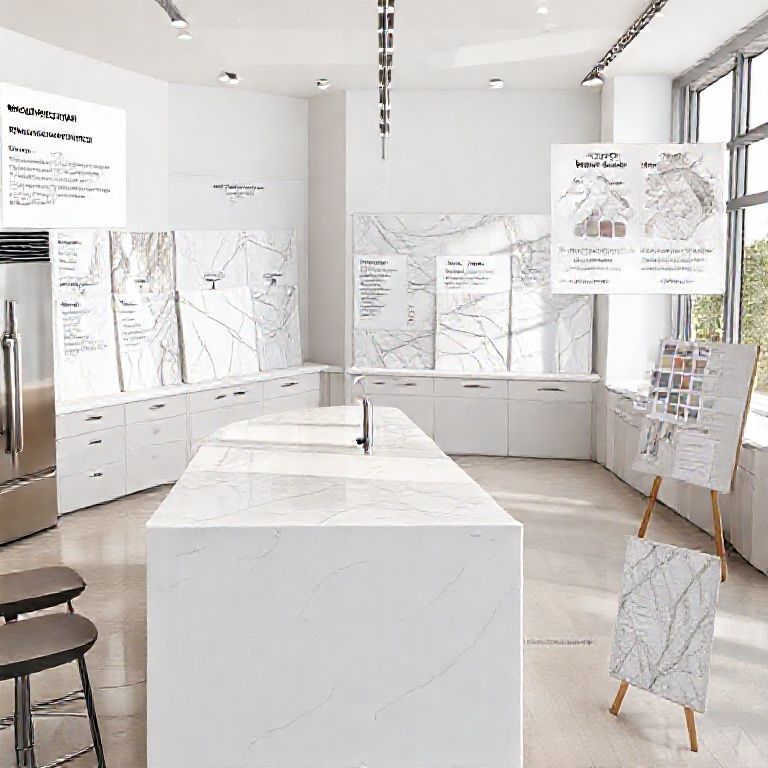
Consult Professionals: Whether you choose artificial stone or quartz, consulting with professionals can provide valuable insights and help ensure a successful installation. Sample Before Purchase: If possible, view samples of both materials to get a feel for their appearance and texture. Long-Term View: Consider the long-term benefits and costs of each material, including maintenance and potential replacement.
By carefully considering these factors, you can make an informed decision that will enhance the beauty and functionality of your home for years to come.