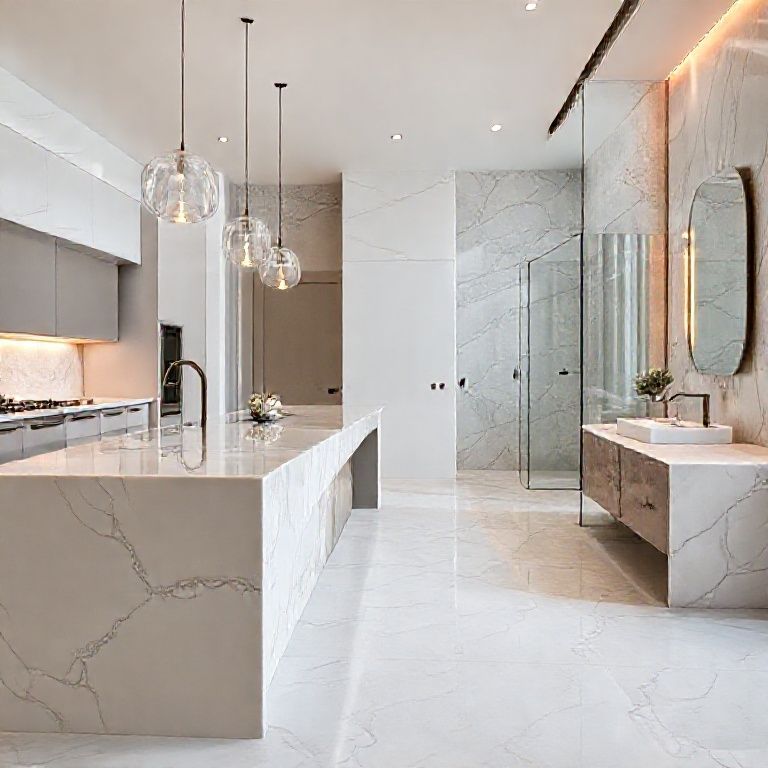
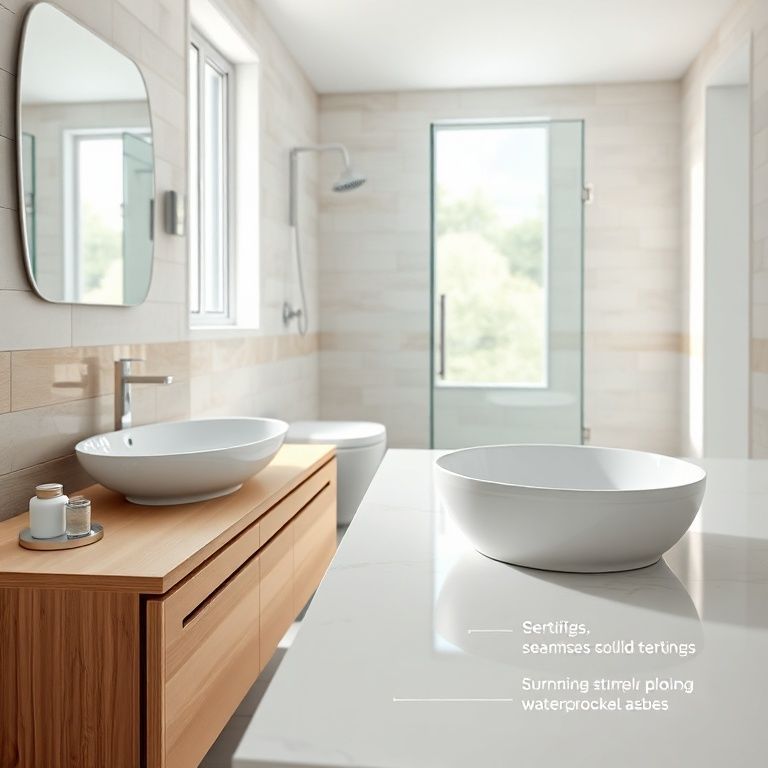
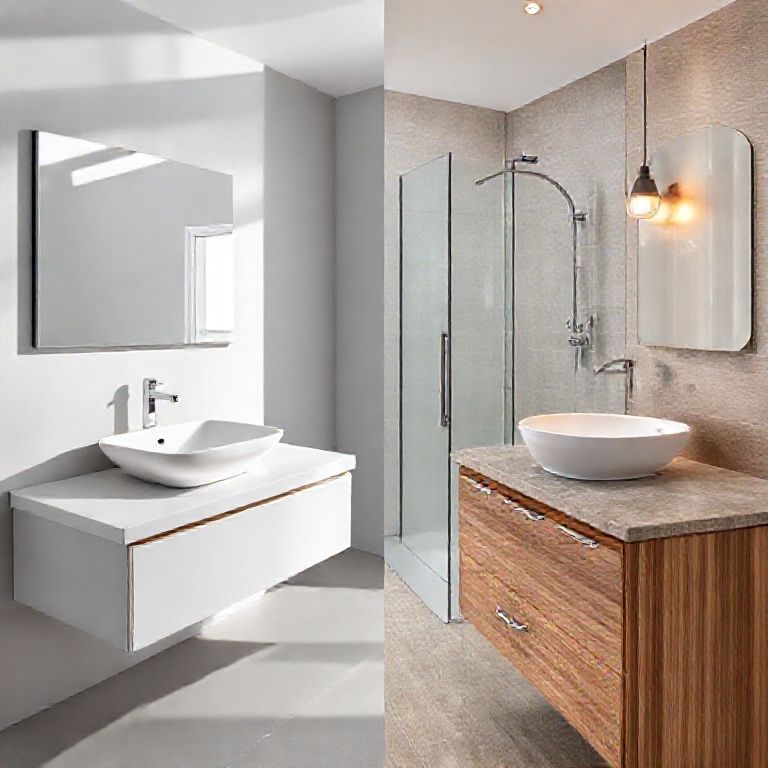
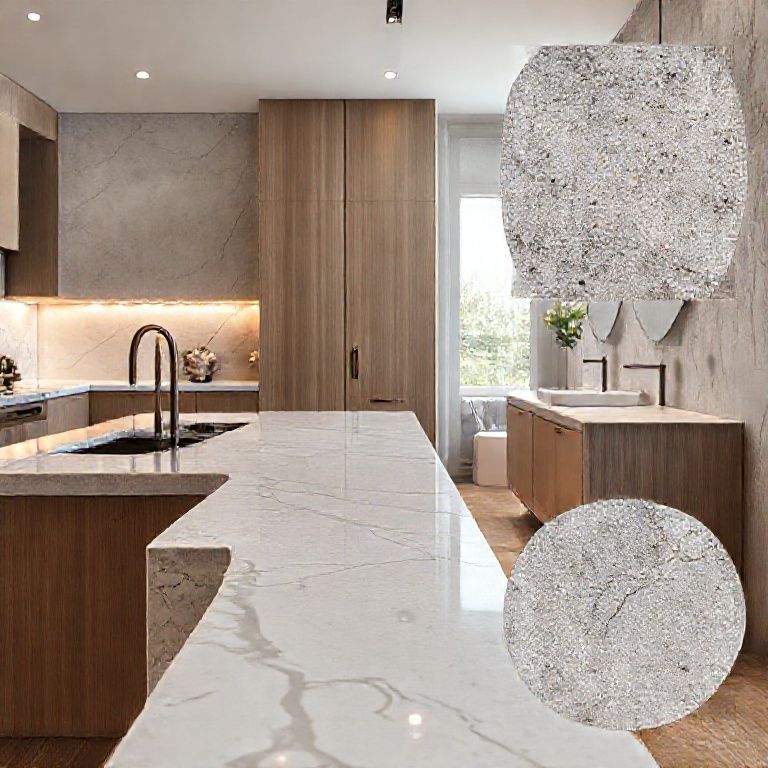
Delve into the captivating world of marble with our comprehensive guide comparing synthetic and natural marble. Discover their unique characteristics, advantages, and applications. From kitchen countertops to luxurious bathrooms, learn why choosing the right marble is essential for your home decor.
marble, synthetic marble, natural marble, marble countertop, marble tiles, marble durability, marble maintenance, kitchen decor, bathroom design, home renovation
The Intricacies and Benefits of Synthetic Marble vs. Natural Marble
In the realm of home decor, marble has long been a symbol of luxury and elegance. Whether you’re designing a kitchen, bathroom, or any other area of your home, choosing the right type of marble can significantly impact the aesthetics and longevity of your space. This article delves into the differences between synthetic marble and natural marble, highlighting their unique attributes and benefits.
Understanding Synthetic Marble
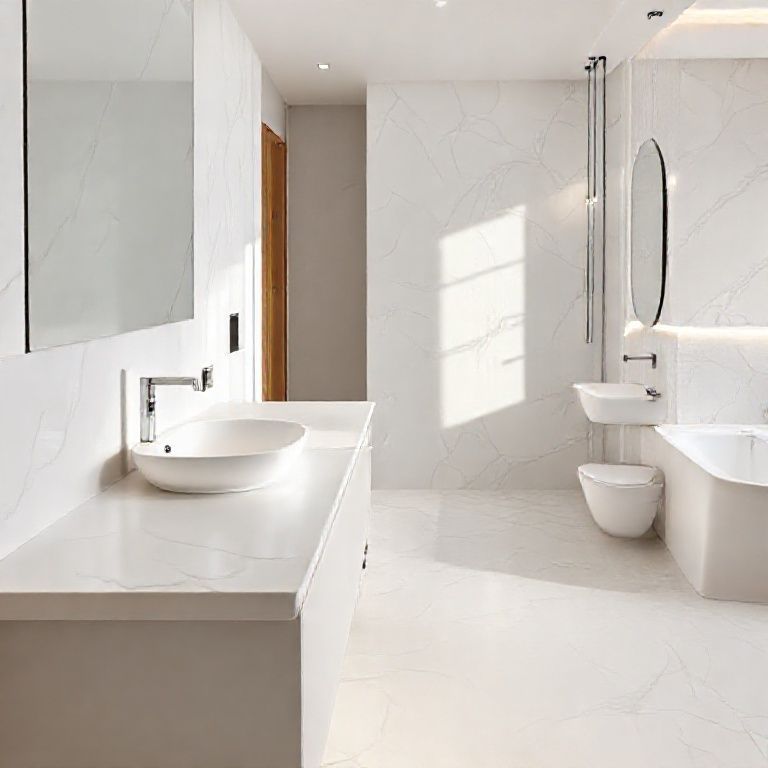
Synthetic marble, often referred to as engineered stone, is a composite material made from natural stone powder and resin. This innovative product is meticulously crafted in a lab to mimic the appearance and texture of natural marble while offering superior durability and resistance to various environmental factors.
Key Characteristics of Synthetic Marble
1. Durability and Hardness: Synthetic marble is renowned for its superior durability. The high-pressure and high-temperature processes involved in its creation make it exceptionally hard, offering a long-lasting alternative to natural marble. This makes synthetic marble an excellent choice for high-traffic areas like kitchens and commercial spaces where wear and tear are common.
2. Design Flexibility: One of the standout features of synthetic marble is its design flexibility. Manufacturers can mold it into any shape or size to perfectly fit your space. This versatility allows for intricate designs and patterns that are difficult to achieve with natural marble. You can have custom shapes, colors, and finishes that cater to your unique aesthetic preferences.
3. Water Resistance: Synthetic marble is inherently water-resistant, making it an ideal choice for areas prone to moisture. Unlike natural marble, which can absorb water and stains, synthetic marble maintains its pristine appearance even when exposed to water and spills regularly.
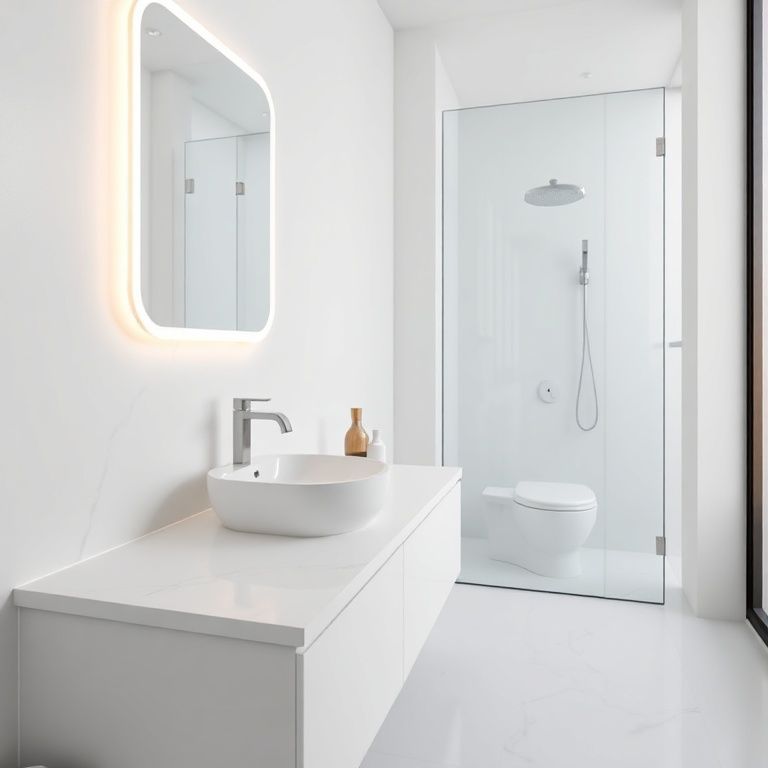
4. Cost-Effectiveness: While natural marble can be quite expensive, synthetic marble offers a cost-effective alternative without compromising on quality or aesthetics. The production process of synthetic marble is more economical, which translates to a more affordable price point for consumers.
Advantages of Synthetic Marble
1. Low Maintenance: Synthetic marble is easy to maintain. It requires minimal upkeep, such as regular cleaning with mild soap and water. Unlike natural marble, synthetic marble does not need sealing to prevent water stains and does not react to acidic substances, making it an easier choice for busy households.
2. Environmentally Friendly: The manufacturing process of synthetic marble is more environmentally friendly compared to natural marble. It doesn’t require the extraction of natural stone, thereby reducing the environmental impact associated with quarrying and transportation.
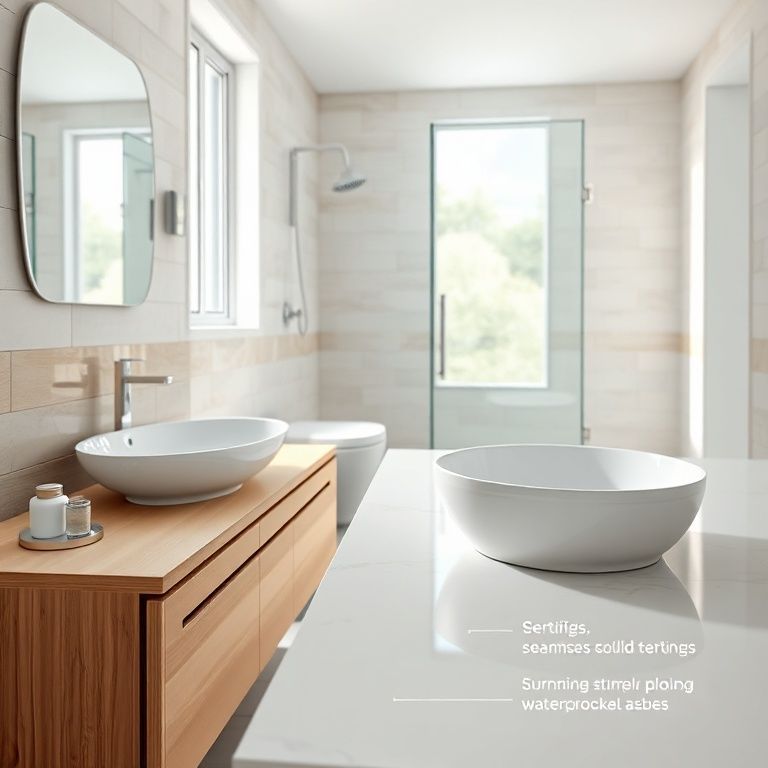
3. Consistent Quality: The production process of synthetic marble ensures consistent quality across all pieces. There are no variations in color or texture, which means you get a uniform appearance throughout your space. This consistency is a significant advantage over natural marble, which can have unique variations in every piece.
Understanding Natural Marble
Natural marble, on the other hand, is a metamorphic rock that has been prized for centuries for its beauty and elegance. Formed through the heat and pressure transformation of limestone, natural marble is a natural stone that offers a unique aesthetic charm.
Key Characteristics of Natural Marble
1. Unmatched Aesthetic Appeal: Natural marble is celebrated for its unique beauty and timeless elegance. Each piece of natural marble is unique, featuring a natural pattern and color that can vary from one piece to another. This inherent uniqueness makes natural marble a coveted choice for those looking to add a touch of luxury and authenticity to their home decor.
2. Warmth and Texture: Natural marble offers a warm, tactile quality that synthetic marble cannot replicate. The natural texture and veining of marble add a touch of sophistication and character to any space. This organic feel can create a serene and inviting atmosphere, particularly in bathrooms and living areas.
3. Historical Significance: Throughout history, natural marble has been used in some of the world’s most iconic architectural masterpieces. From the ancient temples of Greece to the grand palaces of Europe, natural marble has played a crucial role in shaping the aesthetics of classical and modern designs.
Advantages of Natural Marble
1. Timeless Elegance: The timeless elegance of natural marble is unmatched. Its natural beauty and unique patterns make it a classic choice for those who appreciate fine craftsmanship and traditional aesthetics. Natural marble can add a touch of sophistication and luxury to any space, making it ideal for high-end homes and commercial projects.
2. Versatility: Natural marble is incredibly versatile and can be used in various applications, including countertops, flooring, tiles, and decorative elements. Its versatility allows for creative design possibilities and can be tailored to fit a wide range of architectural styles.
3. Durability and Longevity: While natural marble is susceptible to water and stains, it is still a durable material that can last for decades with proper care. When maintained correctly, natural marble can provide a long-lasting and beautiful addition to your home decor.
Conclusion
Both synthetic and natural marble have their unique advantages and benefits, making them suitable for different purposes and preferences. Synthetic marble offers unmatched durability, design flexibility, and cost-effectiveness, making it ideal for high-traffic areas and modern designs. On the other hand, natural marble’s timeless elegance and unique beauty make it a perfect choice for those looking to add a touch of luxury and authenticity to their space.
When choosing between synthetic and natural marble, consider the specific needs and aesthetic preferences of your project. Whether you opt for the durability and versatility of synthetic marble or the timeless elegance of natural marble, both options can elevate the beauty and functionality of your home decor.
Application and Maintenance: Navigating Synthetic and Natural Marble in Your Home
As we continue our exploration into the differences between synthetic and natural marble, it’s crucial to understand their applications and maintenance requirements. This knowledge will help you make an informed decision about which type of marble best suits your needs and enhances the beauty and functionality of your home.
Application of Synthetic Marble
Synthetic marble, with its versatility and durability, is ideal for various applications in both residential and commercial settings. Here are some of the most common uses of synthetic marble:
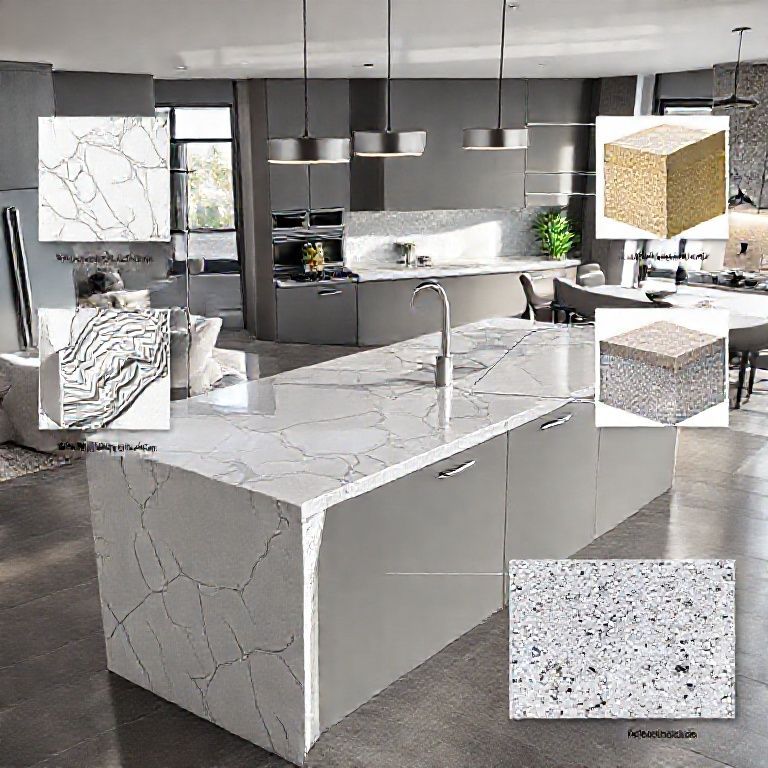
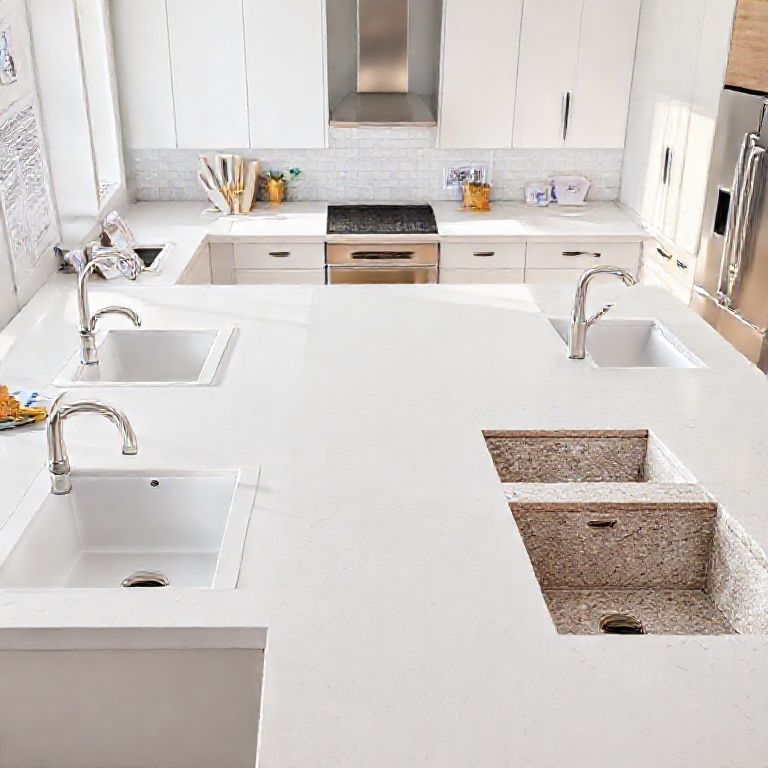
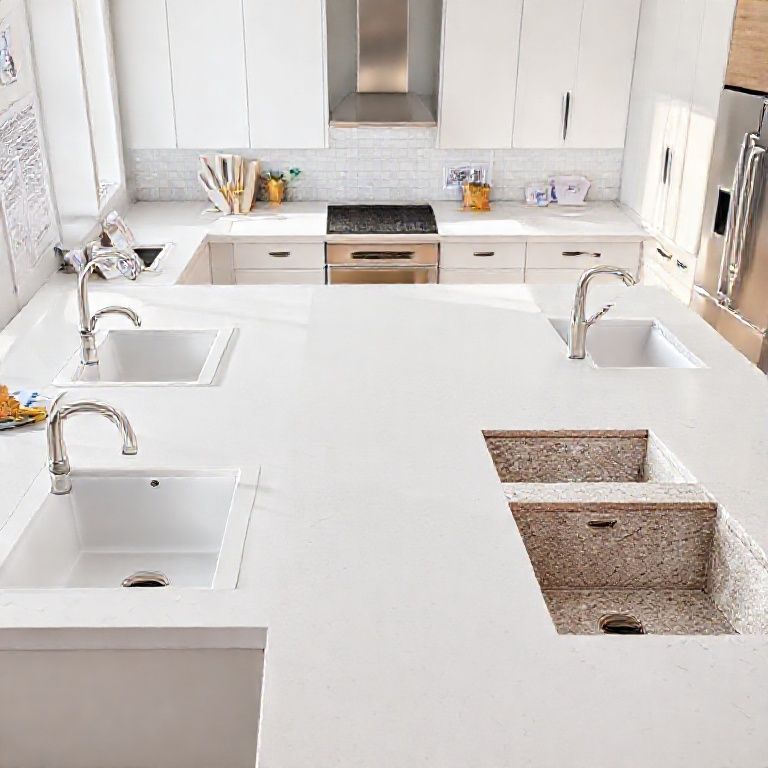
1. Kitchen Countertops: Synthetic marble is an excellent choice for kitchen countertops due to its durability, resistance to water and stains, and easy maintenance. It can mimic the look of natural marble while offering a more durable and cost-effective alternative.
2. Bathroom Vanities and Sinks: Bathroom vanities and sinks made from synthetic marble are highly durable and resistant to water and stains. Its non-porous surface ensures that it remains clean and looks pristine over time.
3. Shower Walls and Tiles: Synthetic marble tiles are perfect for shower walls due to their water-resistant properties. They can be designed to match the aesthetic of natural marble, providing a luxurious and elegant look in your bathroom.
4. Flooring: While less common, synthetic marble can be used for flooring in areas where durability and resistance to wear are critical. It offers a durable and low-maintenance option for flooring.
5. Decorative Elements: Synthetic marble can be used for decorative elements such as fireplace surrounds, wall panels, and decorative stones. Its versatility allows it to be molded into various shapes and sizes to suit different design needs.
Application of Natural Marble
Natural marble’s unique beauty and timeless elegance make it a popular choice for various applications in both residential and commercial settings. Here are some of the most common uses of natural marble:
1. Kitchen Countertops: Natural marble countertops are a luxurious and elegant choice for kitchens. They add a touch of sophistication and character to the space. However, they require regular maintenance to prevent water stains and maintain their beauty.
2. Bathroom Vanities and Sinks: Natural marble vanities and sinks offer a luxurious and elegant look for bathrooms. Their unique patterns and colors can enhance the aesthetic appeal of your bathroom. Proper sealing and maintenance are essential to prevent water damage.
3. Shower Walls and Tiles: Natural marble tiles for shower walls can provide a luxurious and elegant look. Their unique patterns and colors can add a touch of sophistication to your bathroom. However, they require regular sealing to maintain their appearance.
4. Flooring: Natural marble flooring is a timeless and elegant choice for homes and commercial spaces. Its unique patterns and colors can add a touch of luxury and character to your space. However, it requires regular maintenance to prevent water stains and maintain its beauty.
5. Decorative Elements: Natural marble can be used for decorative elements such as fireplace surrounds, wall panels, and decorative stones. Its unique beauty and timeless elegance make it a perfect choice for adding a touch of sophistication to your home.
Maintenance of Synthetic Marble
Maintaining synthetic marble is relatively straightforward, thanks to its durable and low-maintenance nature. Here are some key maintenance tips for synthetic marble:
1. Regular Cleaning: Clean synthetic marble with a mild soap and water solution. Avoid using harsh chemicals or abrasive cleaners that can scratch the surface. Wipe it down regularly to remove spills and stains promptly.
2. Avoiding Acidic Substances: Synthetic marble is resistant to acidic substances, but it’s best to avoid them whenever possible. Acidic foods and beverages can cause discoloration if left on the surface for an extended period.
3.Maintenance of Natural Marble
Maintaining natural marble requires more attention and care due to its susceptibility to water and stains. Here are some key maintenance tips for natural marble:
1. Regular Cleaning: Clean natural marble with a mild soap and water solution. Avoid using harsh chemicals, as they can damage the surface. Use a soft cloth to wipe down the marble regularly to remove spills and stains promptly.
2. Sealing: Regularly seal natural marble to protect it from water stains and spills. Use a high-quality marble sealer that is recommended for natural marble. Follow the manufacturer’s instructions for application and maintenance.
3. Avoiding Acidic Substances: Acidic foods and beverages can cause discoloration on natural marble if left on the surface for an extended period. Use coasters for drinks and avoid leaving acidic substances on the marble for too long.
4. Using Marble Polishing Compounds: Over time, natural marble can lose its luster. Use a marble polishing compound to restore its shine. Follow the manufacturer’s instructions for application and ensure the surface is clean before polishing.
5. Professional Cleaning: For high-traffic areas or areas with heavy use, consider professional cleaning services that specialize in marble maintenance. They have the expertise and equipment to clean and restore the marble’s beauty without damaging it.
Choosing Between Synthetic and Natural Marble
When deciding between synthetic and natural marble, consider the following factors:
1. Aesthetic Preferences: If you prefer the unique beauty and timeless elegance of natural marble, it’s a perfect choice for adding a touch of luxury and authenticity to your space. However, if you’re looking for a material that closely mimics the look of natural marble while offering superior durability and design flexibility, synthetic marble is an excellent option.
2. Budget: Synthetic marble is generally more cost-effective than natural marble. If budget is a significant concern, synthetic marble offers a high-quality alternative without compromising on aesthetics.
3. Maintenance: Natural marble requires more maintenance to prevent water stains and maintain its beauty. If you prefer low-maintenance options and are willing to invest in regular sealing and cleaning, natural marble is a great choice. Synthetic marble, on the other hand, is easier to maintain and requires minimal upkeep.
4. Durability: Synthetic marble is more durable and resistant to wear and tear compared to natural marble. If you need a material that can withstand high traffic and spills, synthetic marble is the better option.
5. Design Flexibility: If you need a material that can be molded into various shapes, sizes, and designs, synthetic marble offers greater flexibility. Natural marble’s unique patterns and colors can be a challenge to replicate in custom designs.
Conclusion
Both synthetic and natural marble have their unique advantages and benefits, making them suitable for different purposes and preferences. Synthetic marble offers unmatched durability, design flexibility, and cost-effectiveness, making it ideal for high-traffic areas and modern designs. On the other hand, natural marble’s timeless elegance and unique beauty make it a perfect choice for those looking to add a touch of luxury and authenticity to their space.
When choosing between synthetic and natural marble, consider the specific needs and aesthetic preferences of your project. Whether you opt for the durability and versatility of synthetic marble or the timeless elegance of natural marble, both options can elevate the beauty and functionality of your home decor.
By understanding the differences and applications of synthetic and natural marble, you can make an informed decision that enhances the beauty and functionality of your space while ensuring long-lasting results.