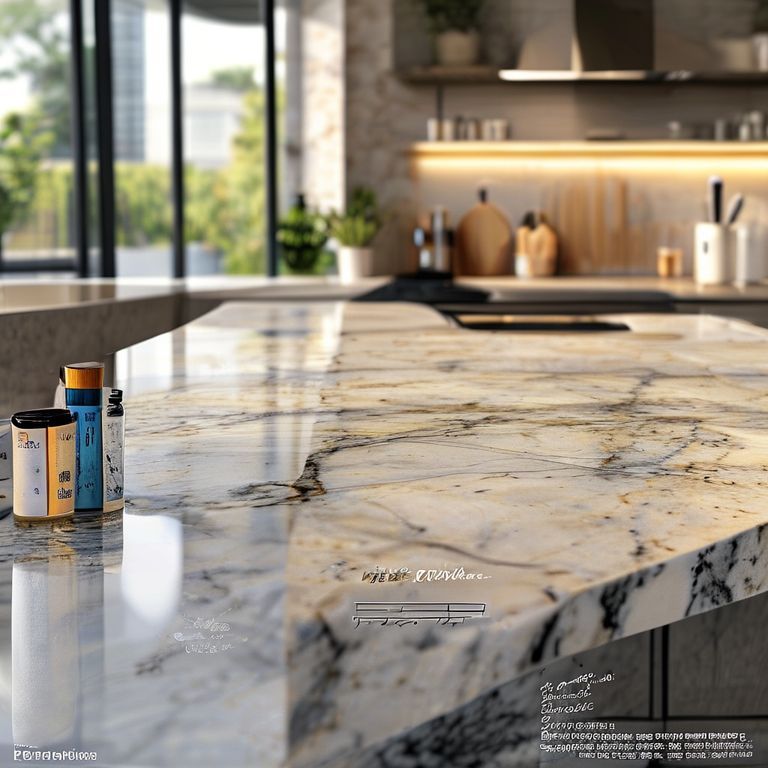
Introduction:
When it comes to choosing high-end materials for your kitchen and bathroom countertops, two of the most popular options are quartz and granite. Both materials offer stunning aesthetics and impressive durability, but they come with distinct characteristics that set them apart. Understanding these differences can help you make a well-informed decision for your next renovation project. In this article, we will explore the unique features, benefits, and maintenance tips for both quartz and granite countertops.
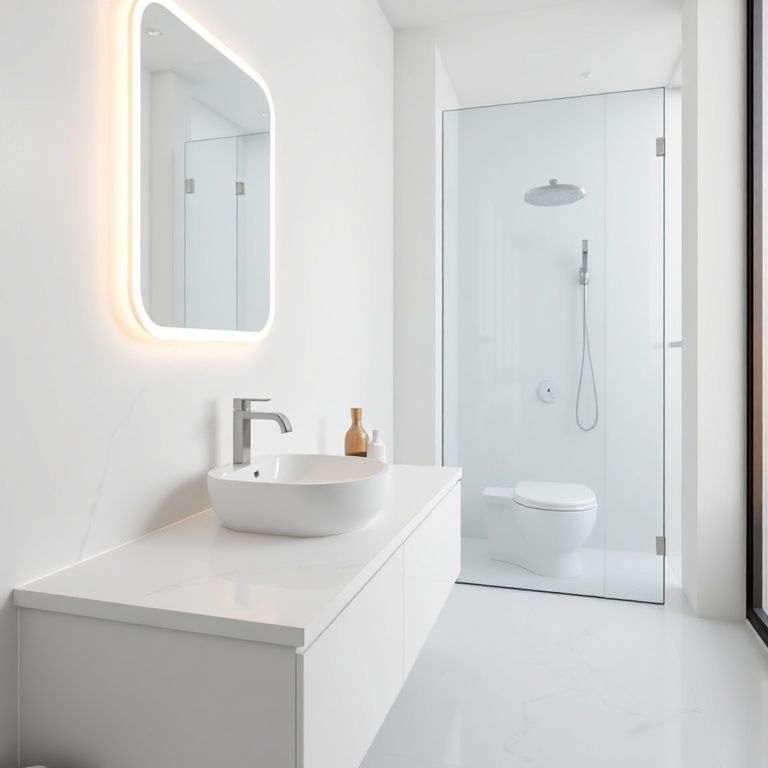
Quartz Countertops: A Modern Marvel
1. Composition and Aesthetic Appeal:
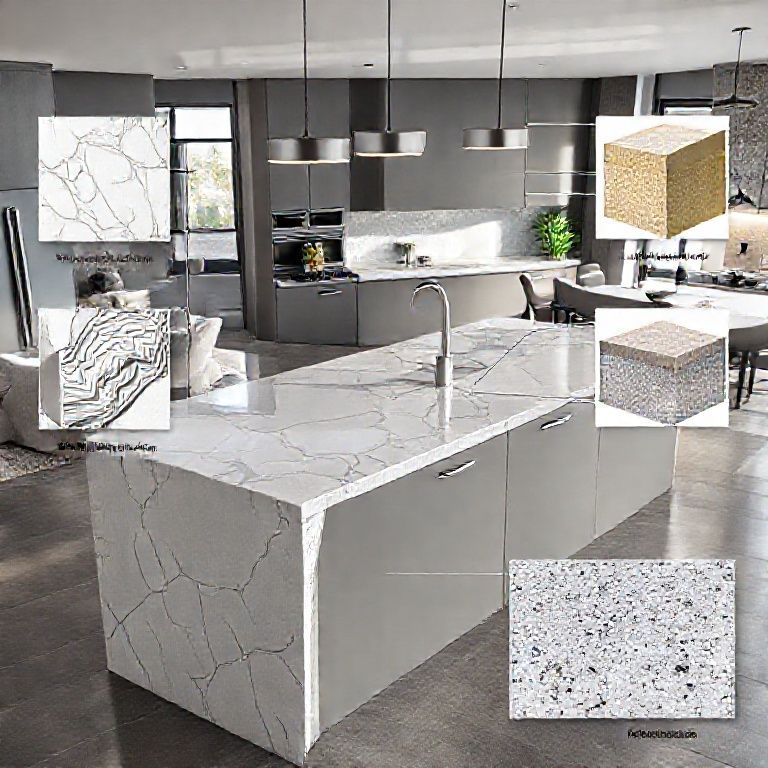
Quartz countertops are made from 93% quartz, combined with other materials like silica and various pigments. This unique composition gives quartz its sleek, modern look and solid surface, which is virtually indestructible. The beauty of quartz lies in its versatility; it comes in an array of colors and patterns, allowing you to match or even exceed the design possibilities of traditional stone countertops.
2. Durability and Strength:
One of the most significant advantages of quartz is its exceptional durability. Quartz surfaces are virtually scratch-proof and resistant to heat, making them an excellent choice for kitchens where spills and hot pans are a daily occurrence. Unlike traditional stone, quartz does not absorb liquids or stains, which means that it maintains its pristine appearance over time.
3. Installation and Versatility:
Quartz countertops are pre-fabricated and can be installed quickly and easily. This makes them a great option for those who are looking for a hassle-free installation process. Additionally, quartz can be used in various settings beyond kitchens and bathrooms, including dining tables, vanities, and even outdoor spaces.
4. Maintenance:
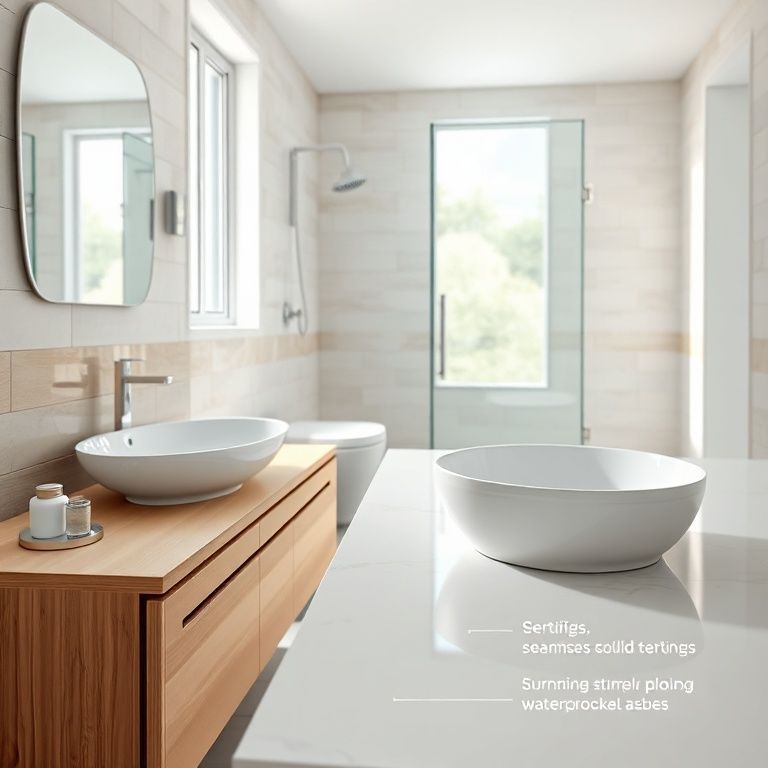
The low-maintenance nature of quartz countertops is one of their biggest selling points. Since quartz is not porous, it does not require sealing like granite does. Simply wipe it down with a soft cloth and a mild cleaner, and you’re good to go. This makes quartz a practical choice for busy households.
Granite Countertops: A Timeless Classic
1. Composition and Aesthetic Appeal:
Granite is a natural stone that has been used for centuries due to its striking beauty and durability. Composed primarily of quartz, feldspar, and mica, granite countertops come in an array of colors and patterns, ranging from the deep, rich hues of black and gray to the vibrant shades of red and pink. Each piece of granite is unique, offering a natural beauty that cannot be replicated.
2. Durability and Strength:
Granite is renowned for its hardness and durability. It ranks a 7 on the Mohs scale of hardness, making it highly resistant to scratches and abrasions. This makes granite an excellent choice for high-traffic areas where durability is a top priority. However, because granite is a natural stone, it can be affected by heat and certain types of acidic substances, which can cause stains or damage if not handled properly.
3. Installation and Versatility:
Granite countertops are typically installed by professionals due to the need for careful cutting and sealing. While the installation process can be more complex compared to quartz, the end result is often worth the effort. Granite can be used in a wide range of settings, from traditional kitchens and bathrooms to contemporary spaces and even outdoor areas like patios and gardens.
4. Maintenance:
Granite countertops require more maintenance than quartz. Because granite is a natural stone, it is porous and can absorb liquids and stains. To maintain its beauty and longevity, granite needs to be sealed periodically to create a protective barrier against stains. Regular cleaning with mild soap and water is also essential to prevent damage.
Comparing Quartz and Granite: Which Is Right for You?
1. Aesthetic Preferences:
If you prefer a sleek, modern look with a wide range of colors and patterns, quartz might be the better choice for you. Quartz’s versatility allows it to mimic the appearance of natural stone while offering the benefits of a non-porous surface. On the other hand, if you appreciate the unique beauty of natural stone and are willing to maintain it properly, granite might be the way to go. Granite’s natural patterns and colors offer a timeless elegance that can enhance any space.
2. Durability and Maintenance:
Both quartz and granite are incredibly durable, but their maintenance needs differ significantly. Quartz’s low-maintenance nature makes it an attractive option for those who want a beautiful countertop with minimal upkeep. Granite, while also durable, requires more care in terms of sealing and regular cleaning to maintain its appearance and prevent damage.
3. Budget Considerations:
When considering budget, it’s important to note that while quartz and granite can sometimes overlap in price, there are variations within each material. High-end granite can be quite expensive, but so can premium quartz. It’s essential to factor in the cost of installation and maintenance when making your decision.
Conclusion:
Choosing between quartz and granite countertops ultimately comes down to your personal preferences, lifestyle, and the specific needs of your space. Quartz offers a modern, versatile, and low-maintenance option, while granite provides a timeless, natural beauty that requires a bit more upkeep. Both materials are excellent choices for creating stunning and durable countertops that will enhance your kitchen or bathroom for years to come.
By understanding the unique features, benefits, and maintenance requirements of each material, you can make a well-informed decision that will ensure your countertop choice stands the test of time. Whether you opt for the sleek, modern look of quartz or the classic, natural beauty of granite, you’ll be setting a new standard for elegance and durability in your home.
Exploring the Unique Benefits of Quartz Countertops
1. Unmatched Design Flexibility:
One of the standout features of quartz countertops is their design flexibility. Because quartz is manufactured, it can be engineered to mimic the appearance of any natural stone, including granite, marble, and even wood. This allows you to choose from an extensive palette of colors, patterns, and textures, giving you virtually limitless design options. Whether you’re looking for a sleek, contemporary look or a rustic, natural aesthetic, quartz can be customized to fit your vision.
2. Environmental Sustainability:
Quartz is an eco-friendly choice for many homeowners. Since it is made from natural quartz and other materials, it does not require the extraction of additional natural stone, which can have significant environmental impacts. Additionally, quartz countertops are produced in a controlled environment, which reduces waste and emissions compared to the extraction and transportation processes involved with natural stone.
3. Cost-Effectiveness:
While premium granite can be quite expensive, quartz often offers a more cost-effective alternative without sacrificing quality. The ability to mass-produce quartz allows for more competitive pricing, making it an excellent choice for those looking to maximize their budget without compromising on beauty or durability.
4. Easy Integration with Modern Designs:
Quartz countertops are highly compatible with modern design trends. Their sleek, flat surfaces can easily blend with contemporary kitchen and bathroom designs, providing a clean and uncluttered look. The uniform finish also makes it simple to incorporate quartz into various elements of your space, such as backsplashes, island counters, and vanities.
Granite Countertops: Timeless and Unmatched Natural Beauty
1. Unparalleled Natural Aesthetics:
Granite’s natural stone composition gives it a unique beauty that cannot be replicated. The way light plays off the intricate patterns and colors of granite creates a mesmerizing effect that is both timeless and elegant. Each piece of granite is one-of-a-kind, making your countertop a true work of art. This natural aesthetic is particularly appealing to those who value the beauty of natural materials and are willing to invest in a more traditional design.
2. Superior Hardness and Durability:
Granite’s ranking of 7 on the Mohs scale of hardness makes it one of the hardest natural materials available. This exceptional hardness translates to outstanding durability, making granite an excellent choice for high-traffic areas where wear and tear are a concern. It is also highly resistant to scratches and abrasions, ensuring that your countertop will maintain its appearance and functionality over the years.
3. Versatility in Design:
1. 成分和形成:
大理石(Marble):
大理石是由石灰岩(主要成分为碳酸钙CaCO3)经过地壳运动和高温高压重结晶而形成的变质岩。
在形成过程中,原始的石灰岩经过重结晶,结构和矿物成分发生了显著变化,形成了大理石的独特花纹和颜色。
花岗岩(Granite):
花岗岩是一种深成岩,主要由石英、长石和黑云母等矿物组成,其成分通常包括20-60%的石英,20-60%的长石,以及10-25%的黑云母和其他矿物。
花岗岩是在地壳深处形成的,然后通过侵入或抬升作用暴露在地表。
2. 物理特性:
大理石:
质软,相对花岗岩更容易被雕刻和加工。
较低的硬度(摩氏硬度为3-4)。
容易受酸和某些化学品的腐蚀,因此需要特殊的保护和维护。
具有优美的纹理和多样的颜色,但因为其质软,容易留下刮痕和污渍。
花岗岩:
质硬,相对大理石更难加工,但耐磨性和耐久性更高。
较高的硬度(摩氏硬度为6-7)。
具有极高的耐腐蚀性,几乎不受酸、碱和大多数化学品的影响。
通常呈现大理石般的丰富纹理,但颜色和纹理较为均匀,多为灰色、白色和棕色。
3. 应用领域:
大理石:
广泛用于建筑装饰,如楼梯、壁板、门廊等。
经常用于雕塑和艺术品制作,因其可塑性和美观性。
也常见于厨房台面和浴室台面。
花岗岩:
常用于建筑外立面、地面和地板。
适用于台面、橱柜台面、浴室台面和厨房台面,因为其耐用性和易于清洁。
也用于雕塑和纪念碑。
4. 维护和保养:
大理石:
需要定期保养,包括使用专用的大理石保护剂进行封闭处理,以防止污渍和刮痕。
避免使用强酸和强碱清洁剂,以防腐蚀。
花岗岩:
维护相对简单,只需定期擦拭并使用中性清洁剂。
不需要特殊的封闭处理,但为了保持光泽,可以使用专用的花岗岩护理剂。
5. 成本:
大理石:
价格因矿源和品质不同而有所差异,一般较为昂贵,尤其是高端品种。
花岗岩:
相对大理石来说,成本较低,但也因品质和矿源而有所不同。
大理石和花岗岩各有其独特的优点和缺点,选择哪一种石材应根据具体的使用需求和预算来决定。大理石适合追求高端装饰效果和艺术感的场所,而花岗岩则更适合需要高耐用性和低维护的建筑和装修项目。