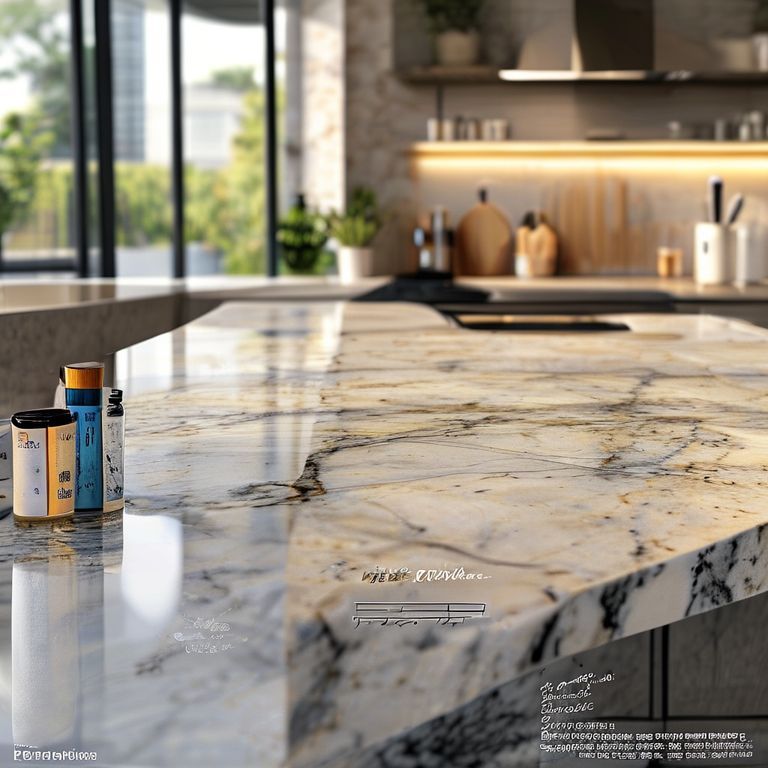
In the realm of kitchen design, the choice between granite and quartz countertops is a pivotal decision that goes beyond mere aesthetics. This article delves into the nuanced differences between these two popular materials, offering valuable insights to help you make an informed choice for your kitchen makeover.
granite countertops, quartz countertops, kitchen design, countertop materials, durability, maintenance, cost, aesthetic appeal, kitchen renovation
Part 1
The Elegant Distinction Between Granite and Quartz Countertops for Your Kitchen
When it comes to selecting countertops for your kitchen, one of the most critical decisions you will make is choosing between granite and quartz. Both materials are renowned for their durability and aesthetic appeal, but they have distinct differences that can influence your choice.
Durability and Hardness
Granite is a natural stone that has been used for centuries in various construction applications due to its impressive hardness and durability. It is formed from the slow cooling of magma deep within the Earth’s crust, which results in a tightly packed stone with a complex mineral composition. The Mohs hardness scale, which measures the scratch resistance of various minerals, rates granite between 6 to 7, making it highly resistant to scratches and cuts.
On the other hand, quartz is a synthetic material created through a process of polymerization that combines silica sand with resin. It is engineered to mimic the look of natural stone but offers slightly higher scratch resistance than granite, rating around 8 to 9 on the Mohs hardness scale. This higher rating means quartz is less likely to show scratches or other marks.
Maintenance and Cleaning
One of the primary advantages of quartz countertops is their maintenance-free nature. Because they are a solid surface made from a polymer matrix, they do not require sealing like natural stone countertops do. This means you can simply wipe them down with a soft cloth and mild soap, avoiding the need for periodic sealing that granite requires. Over time, granite needs to be sealed to protect its surface from stains and wear, which can be a bit more involved and costly.
In contrast, quartz’s surface is impervious to most stains, acids, and grease, making it incredibly easy to clean and maintain. This ease of maintenance makes it a popular choice for busy households and commercial kitchens alike.
Cost
When it comes to cost, granite and quartz countertops often fall within the same price range, depending on the quality, design, and type of stone or quartz used. However, the initial cost is generally comparable. The difference often comes in the long run due to maintenance costs. Granite, while durable, requires regular sealing to maintain its appearance and protect its surface, which can add to the overall cost over time.
Quartz, with its low maintenance requirements, tends to have a lower long-term cost. Since it does not need to be resealed frequently, the ongoing upkeep is minimal. Additionally, quartz offers a wide range of colors and patterns, which often allows for more customization without the premium price tag that certain high-end granites might have.
Aesthetic Appeal
Both granite and quartz offer stunning aesthetic appeal, but they cater to different design tastes. Granite’s appeal lies in its natural beauty. Each piece of granite is unique, with its own pattern and color variations, giving it a one-of-a-kind look that many homeowners find timeless and elegant. The natural stone’s appeal is further enhanced by its warmth and texture, making it a favorite for traditional and rustic kitchen designs.
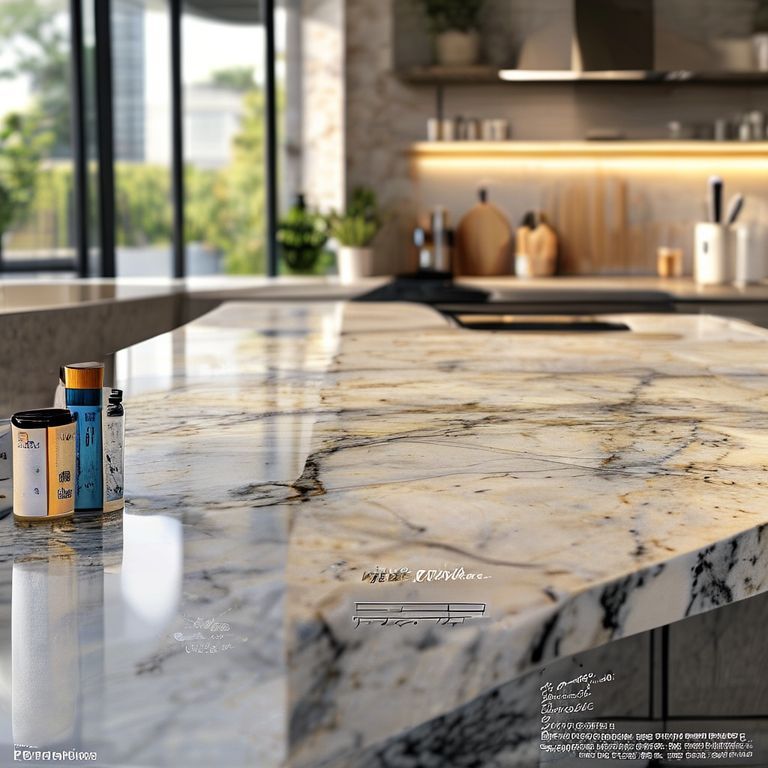
Quartz, while mimicking the look of natural stone, offers an unparalleled level of customization. You can choose from thousands of colors and patterns, and even create custom designs that perfectly match your vision. This versatility allows quartz to fit into a wide range of design styles, from modern and minimalist to traditional and luxurious. Moreover, quartz can be designed to have a smooth, sleek surface that complements contemporary kitchen aesthetics.
Heat Resistance
Both granite and quartz are excellent at withstanding heat, but they do it in slightly different ways. Granite, being a natural stone, can be prone to thermal shock if subjected to extreme heat or cold rapidly. This means that placing a hot pot or pan directly on a granite countertop can cause it to crack or chip.
Quartz, however, is designed to handle heat better. Its solid surface construction allows it to withstand hot items without the risk of cracking or warping. This makes quartz an ideal choice for kitchens where high heat is a frequent occurrence.
Installation and Worktops
The installation of granite countertops typically involves more complex processes compared to quartz. Granite requires careful cutting and fitting to ensure a seamless installation. Additionally, because it is a natural stone, it can sometimes be challenging to find pieces that perfectly match each other, especially for larger installations.
Quartz, being a synthetic material, is easier to cut and install. It comes in large sheets that can be easily cut to size and can be installed with minimal effort. This ease of installation makes quartz a practical choice for DIY enthusiasts or those who want to minimize installation costs.
Environmental Impact
Both granite and quartz have environmental considerations. Granite mining can have significant environmental impacts, including land disruption and the use of heavy machinery, which can lead to deforestation and habitat destruction. However, granite is a natural stone and does not require additional chemicals or processes to form.
Quartz, on the other hand, is a manufactured product that involves chemical processes to create its polymer matrix. While these processes can have environmental impacts, quartz manufacturers are continually working to reduce their ecological footprint. Additionally, quartz countertops can be recycled, providing an environmentally friendly option.
Conclusion
In the battle between granite and quartz countertops, both materials have their unique advantages and disadvantages. Granite offers a natural beauty and timeless elegance, but comes with higher maintenance requirements and potential thermal shock issues. Quartz provides unmatched scratch resistance, low maintenance, and a wide range of design possibilities, making it a practical and versatile choice.
When selecting the right countertop for your kitchen, consider your lifestyle, design preferences, and long-term maintenance plans. Both granite and quartz are excellent choices, but understanding their differences can help you make the best decision for your home.
Part 2
The Elegant Distinction Between Granite and Quartz Countertops for Your Kitchen (Continued)
In the second part of our exploration into the differences between granite and quartz countertops, we delve deeper into the environmental impact, versatility, and long-term considerations that will help you make an informed decision for your kitchen makeover.
Versatility and Design Options
One of the most significant advantages of quartz countertops is their unparalleled versatility. Quartz manufacturers offer an extensive range of colors, patterns, and textures that can be customized to suit any design vision. This flexibility allows homeowners to create unique and personalized countertops that can match or even surpass the aesthetic appeal of natural stone.
Granite, while offering stunning natural beauty, is limited to the colors and patterns found in nature. While this can be a beautiful and timeless choice, it may not always align with every design vision. Moreover, because each piece of granite is unique, achieving a seamless and uniform look across large installations can be challenging.
Long-Term Considerations
When considering the long-term benefits and drawbacks of granite and quartz, several factors come into play. Granite’s durability and natural beauty make it a long-lasting choice. However, its need for periodic sealing to maintain its appearance and protect against stains can add to its overall cost over time. Additionally, the potential for thermal shock means that granite may not be the best choice for kitchens where high heat is a frequent occurrence.
Quartz, on the other hand, offers excellent longevity with minimal maintenance. Its scratch resistance and impervious nature mean it can withstand daily wear and tear without showing signs of wear. Additionally, because quartz does not require sealing, it has a lower long-term maintenance cost compared to granite.
Environmental Impact
When it comes to environmental impact, both granite and quartz have their pros and cons. Granite mining can have significant environmental consequences, including habitat destruction and the use of heavy machinery that can lead to deforestation. However, once installed, granite countertops are a natural product that does not require additional chemicals or processes.
Quartz, being a manufactured product, involves chemical processes in its creation. These processes can have environmental impacts, but advancements in manufacturing technology are continually reducing these effects. Additionally, quartz countertops can be recycled at the end of their life cycle, providing an environmentally friendly option.
Worktops and Kitchen Design
When considering worktops and kitchen design, granite and quartz each offer distinct advantages. Granite’s natural beauty and texture can complement a wide range of kitchen styles, from traditional and rustic to modern and sleek. Its ability to showcase unique patterns and colors adds character and charm to any kitchen.
Quartz’s versatility allows it to fit seamlessly into any kitchen design, providing a modern, sleek, and customizable look. Its ability to mimic natural stone while offering the benefits of a solid surface makes it an excellent choice for contemporary designs. Additionally, quartz’s resistance to scratches, stains, and heat makes it practical for busy kitchens where ease of maintenance is a priority.
Installation and Durability
The installation process for granite countertops can be more complex compared to quartz. Granite requires careful cutting and fitting to ensure a perfect fit, which can sometimes lead to issues with matching pieces, especially in large installations. Additionally, because granite is a natural stone, it can be more prone to damage from thermal shock if not used carefully.
In contrast, quartz countertops are easier to install. They come in large sheets that can be easily cut to size, making installation more straightforward and less prone to errors. This ease of installation makes quartz an ideal choice for DIY enthusiasts or those looking to minimize installation costs.
Cost and Value### Part 2
The Elegant Distinction Between Granite and Quartz Countertops for Your Kitchen (Continued)
In this second part of our comprehensive comparison between granite and quartz countertops, we will explore the cost-effectiveness, aesthetic versatility, and practical considerations that can help you make an informed decision for your kitchen renovation.
Cost-Effectiveness
When considering the cost-effectiveness of granite versus quartz, it’s important to look beyond the initial purchase price and consider long-term factors such as maintenance, durability, and potential replacement costs.
Granite countertops are often priced higher than quartz due to their natural stone nature and the beauty they bring to a kitchen. However, the initial cost is often offset by their durability and low maintenance requirements over time. Granite’s need for periodic sealing adds to the overall cost, but this is typically a minor expense compared to the initial price tag.
Quartz countertops, while also offering excellent durability and low maintenance, can sometimes be more affordable initially due to their synthetic nature and the ease of mass production. The cost-effectiveness of quartz often lies in its long-term low maintenance, which translates to fewer expenses over time.
Aesthetic Versatility
One of the standout features of quartz countertops is their versatility in design. Quartz manufacturers offer an extensive range of colors, patterns, and textures that can be customized to suit any design vision. This allows for a high degree of personalization, enabling homeowners to create unique and customized countertops that can match or even surpass the aesthetic appeal of natural stone.
Granite, while offering stunning natural beauty, is limited to the colors and patterns found in nature. While this can be a beautiful and timeless choice, it may not always align with every design vision. Moreover, achieving a seamless and uniform look across large installations can be challenging due to the natural variability of granite.
Practical Considerations
When it comes to practical considerations, both granite and quartz offer excellent performance in a kitchen environment. Granite’s natural beauty and texture can complement a wide range of kitchen styles, from traditional and rustic to modern and sleek. Its ability to showcase unique patterns and colors adds character and charm to any kitchen.
Quartz’s versatility allows it to fit seamlessly into any kitchen design, providing a modern, sleek, and customizable look. Its resistance to scratches, stains, and heat makes it practical for busy kitchens where ease of maintenance is a priority. Additionally, quartz’s ability to mimic natural stone while offering the benefits of a solid surface makes it an excellent choice for contemporary designs.
Installation and Durability
The installation process for granite countertops can be more complex compared to quartz. Granite requires careful cutting and fitting to ensure a perfect fit, which can sometimes lead to issues with matching pieces, especially in large installations. Additionally, because granite is a natural stone, it can be more prone to damage from thermal shock if not used carefully.
In contrast, quartz countertops are easier to install. They come in large sheets that can be easily cut to size, making installation more straightforward and less prone to errors. This ease of installation makes quartz an ideal choice for DIY enthusiasts or those looking to minimize installation costs.
Environmental Impact
When it comes to environmental impact, both granite and quartz have their pros and cons. Granite mining can have significant environmental consequences, including habitat destruction and the use of heavy machinery that can lead to deforestation. However, once installed, granite countertops are a natural product that does not require additional chemicals or processes.
Quartz, being a manufactured product, involves chemical processes in its creation. These processes can have environmental impacts, but advancements in manufacturing technology are continually reducing these effects. Additionally, quartz countertops can be recycled at the end of their life cycle, providing an environmentally friendly option.
Conclusion
In the ongoing debate between granite and quartz countertops, both materials offer unique advantages and considerations that can influence your decision. Granite’s natural beauty and timeless elegance provide a stunning aesthetic that can enhance any kitchen, but come with higher maintenance and potential thermal shock issues. Quartz, on the other hand, offers unparalleled versatility, low maintenance, and practical benefits that make it an excellent choice for modern, busy kitchens.
When selecting the right countertop for your kitchen, consider your lifestyle, design preferences, and long-term maintenance plans. Both granite and quartz are excellent choices, but understanding their differences can help you make the best decision for your home. Whether you choose the natural charm of granite or the customizable, low-maintenance appeal of quartz, both materials can elevate the look and functionality of your kitchen.