The Elegant Distinction: Comparing Quartz and Engineered Stone Countertops
When it comes to choosing the perfect countertops for your kitchen or bathroom, the decision between quartz and engineered stone can be a challenging one. Both options offer stunning aesthetics and remarkable durability, but they have distinct differences that make them suitable for different preferences and needs. In this comprehensive comparison, we will explore the unique features of both quartz and engineered stone, from their design versatility to their maintenance requirements, helping you make an informed choice for your next renovation.
Design Versatility and Aesthetics
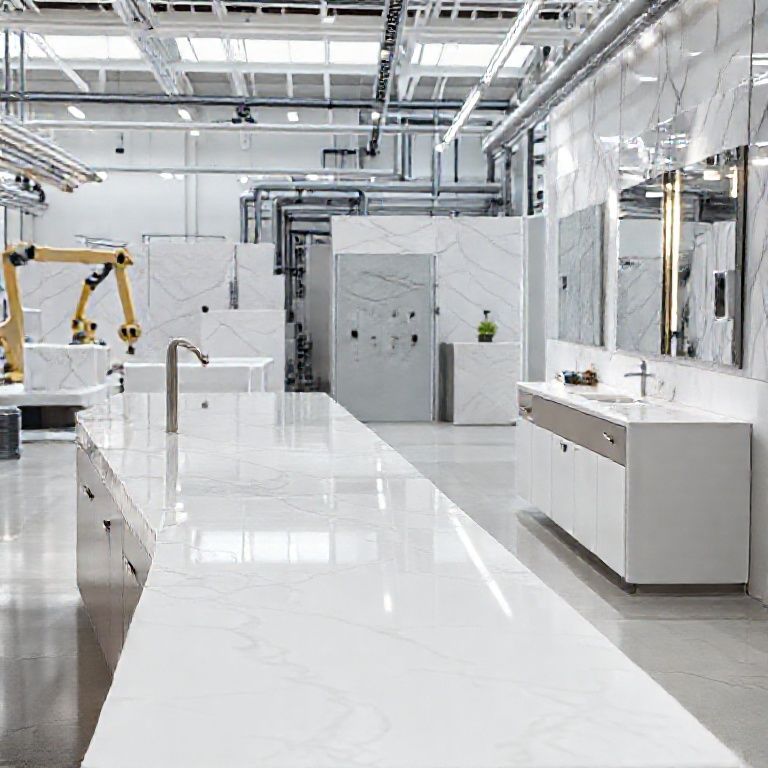
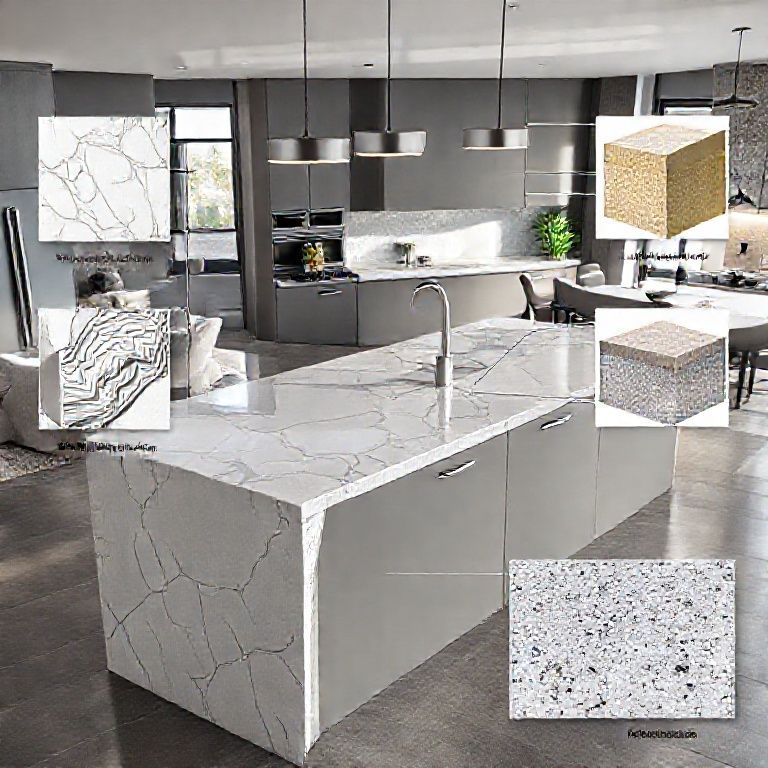
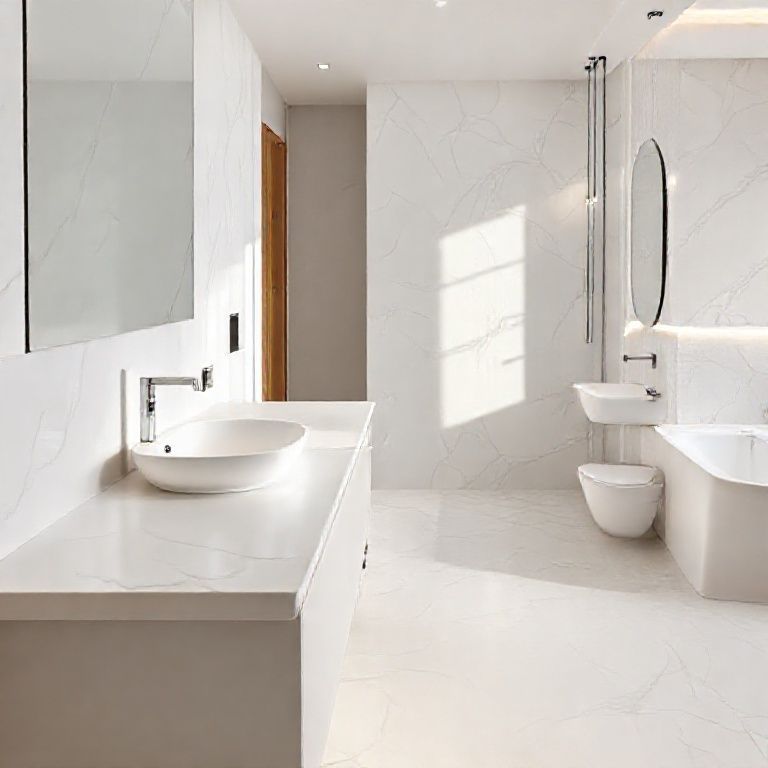
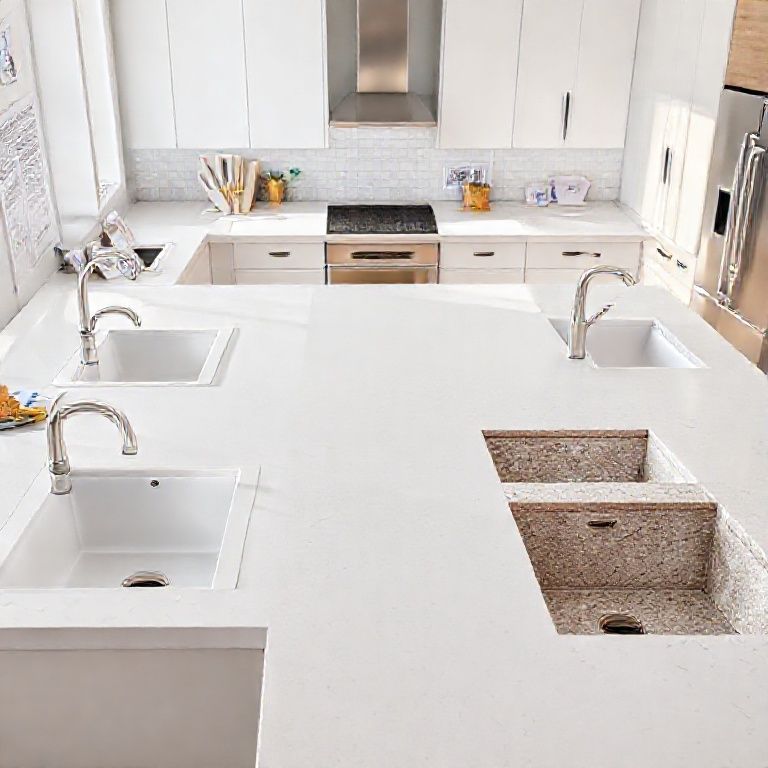
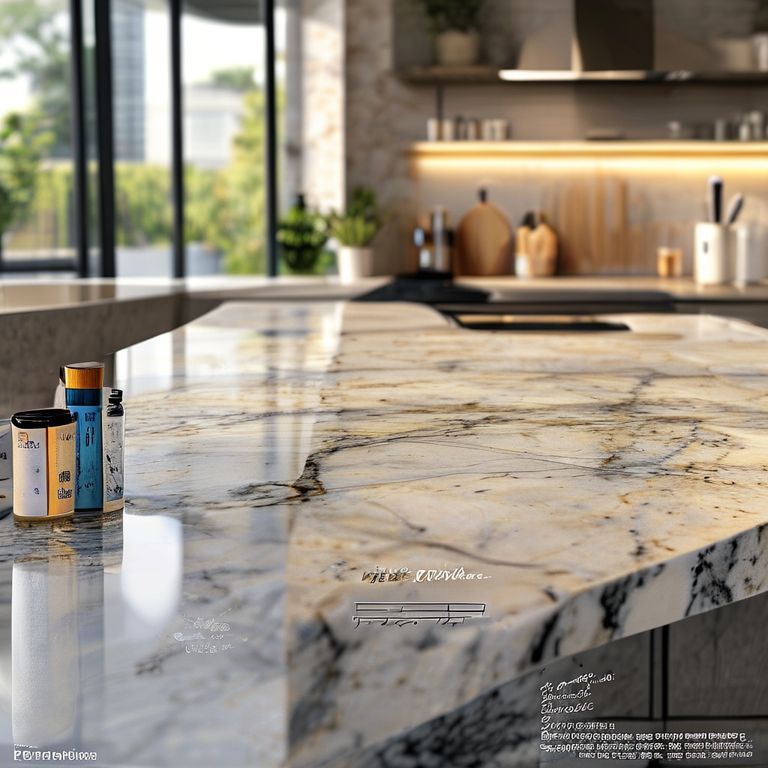
Quartz countertops are celebrated for their flawless, one-of-a-kind designs. Composed of 94% pure quartz, these countertops are fused together with a resin binder, creating a surface that is both beautiful and functional. The result is an incredibly versatile material that can mimic the look of almost any natural stone or wood grain. Quartz slabs come in a wide array of colors and patterns, allowing designers to create bespoke pieces that perfectly match the aesthetic of any space.
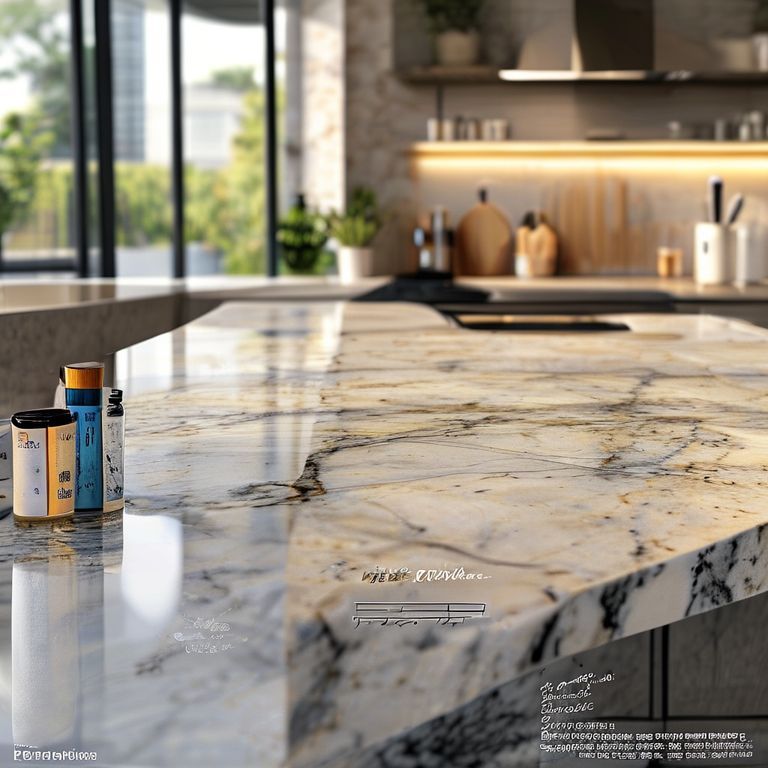
Engineered stone, on the other hand, is a composite material that is made by layering natural stone with resin and then bonding them together under high pressure. This process results in a material that has the appearance of natural stone while offering the benefits of a more durable and cost-effective option. While engineered stone cannot match the precise, unique veining of natural stone, it provides a close approximation with consistent patterns that are highly appealing.
Durability and Performance
When it comes to durability, quartz stands out as one of the hardest non-metallic surfaces available, boasting a Mohs hardness rating of 7. This means that quartz is highly resistant to scratches, dents, and impact, making it an excellent choice for high-traffic areas where durability is paramount. Additionally, its non-porous nature means that quartz countertops do not stain or absorb liquids, making them incredibly easy to clean and maintain.
Engineered stone also offers impressive durability, although it typically falls slightly short of quartz in terms of hardness. Engineered stone countertops are designed to withstand daily use and minor impacts without significant damage. While they are not as scratch-resistant as quartz, they still provide a robust surface that is suitable for everyday wear and tear.
Maintenance and Care
Maintaining your countertop is crucial to preserving its beauty and extending its lifespan. Quartz countertops are incredibly low maintenance. Because they are non-porous, they do not absorb liquids or stains, which means that spills can be wiped up easily with a damp cloth. Regular cleaning with mild soap and water is usually sufficient to keep quartz countertops looking pristine. For occasional deep cleaning, specialized quartz cleaners are available to maintain their shine and finish.
Engineered stone countertops also require minimal maintenance. Their surfaces can be cleaned with a damp cloth and mild soap, and any spills can be easily wiped up. However, engineered stone can be slightly more susceptible to staining compared to quartz. It is important to clean up any spills immediately to prevent any potential staining, and using a specialized engineered stone cleaner can help maintain their appearance.
Cost Considerations
When considering the cost, both quartz and engineered stone offer excellent value for their durability and aesthetics. However, the cost can vary depending on the specific product and the complexity of the design.
Quartz countertops generally range from $60 to $180 per square foot, depending on the design and quality. Higher-end designs with intricate patterns can cost more, but the material’s durability and low maintenance make it a worthwhile investment in the long run.
Engineered stone countertops typically range from $30 to $70 per square foot. While they may be more affordable upfront, it’s important to consider the cost of maintenance and potential for minor repairs over time. The durability of engineered stone can sometimes result in fewer long-term costs, but this depends on individual usage and care.
Conclusion
In conclusion, both quartz and engineered stone countertops offer remarkable beauty and durability, making them excellent choices for any home renovation. Quartz stands out for its superior hardness, non-porous surface, and low maintenance requirements, making it ideal for those who value a pristine and low-effort surface. Engineered stone provides a cost-effective alternative that offers the appearance of natural stone with reliable durability.
By understanding the key differences in design, durability, maintenance, and cost, you can make a well-informed decision that best suits your aesthetic preferences and practical needs. Whether you opt for the unparalleled elegance of quartz or the budget-friendly beauty of engineered stone, both materials promise a stunning and lasting addition to your home.
The Elegant Distinction: Comparing Quartz and Engineered Stone Countertops
Installation and Versatility
When considering the installation of quartz and engineered stone countertops, it’s important to note that both materials are relatively easy to install. Quartz slabs, due to their lightweight nature, can be installed by most professional installers without the need for specialized equipment. Their flat, uniform surface also makes them an excellent choice for custom cuts and intricate designs.
Engineered stone countertops also offer versatile installation options. The slabs are slightly heavier than quartz but still manageable for professional installers. Engineered stone’s layered construction can sometimes make it more challenging to achieve precise cuts, but it is still feasible with the right tools and expertise.
Heat Resistance and Safety
Quartz countertops are highly heat resistant, making them an excellent choice for kitchens where hot pots and pans are common. Their non-reactive surface ensures that heat does not cause discoloration or warping, providing a stable and safe surface for daily cooking.
Engineered stone countertops also offer good heat resistance but generally fall slightly short of quartz in this regard. While they can withstand typical kitchen heat, prolonged exposure to very high temperatures may cause some discoloration or damage over time. It’s always best to avoid placing hot items directly on the surface to prolong the life of your engineered stone countertops.
Chemical Resistance
Both quartz and engineered stone are known for their excellent chemical resistance. Quartz’s non-porous surface means it does not absorb chemicals, making it highly resistant to acids, alkalis, and most cleaning agents. This ensures that your quartz countertop will remain unblemished and stain-free even with frequent use.
Engineered stone also offers good chemical resistance due to its resin binder, which helps to keep the stone’s surface intact and resistant to common household chemicals. However, it’s still important to avoid prolonged exposure to harsh chemicals, as this can lead to some degree of surface damage over time.
Longevity and Value
One of the most compelling reasons to choose quartz countertops is their longevity. The material’s hardness and non-porous surface ensure that quartz countertops remain in pristine condition for many years, often outlasting other countertop materials. Additionally, their low maintenance requirements mean that the cost of upkeep remains minimal, making quartz a very cost-effective choice in the long run.
Engineered stone countertops also offer excellent longevity, though their durability can vary depending on the specific composition and quality of the stone. While they may not match quartz in terms of hardness, their robustness and resistance to everyday wear and tear make them a durable and reliable option. Over time, the cost-effectiveness of engineered stone can shine through, especially when considering the lower initial cost and the ease of repairs.
Environmental Impact
An important consideration for many homeowners today is the environmental impact of the materials they choose. Quartz countertops are made from natural quartz that is processed through a manufacturing process that involves significant energy use. While this does contribute to a carbon footprint, the material’s durability means that the environmental impact is spread over a long period of use.
Engineered stone, on the other hand, is a more sustainable option. The process of creating engineered stone involves combining natural stone with resin, which reduces the need for cutting and transporting large pieces of natural stone. This results in less waste and a lower environmental impact compared to traditional natural stone countertops. Additionally, engineered stone’s durability means that it will last longer, reducing the need for frequent replacements and thus further minimizing its environmental footprint.
Conclusion
In conclusion, the choice between quartz and engineered stone countertops ultimately boils down to personal preference, budget, and specific needs. Quartz offers unparalleled beauty, unmatched durability, and exceptional heat and chemical resistance, making it a top choice for those looking for a low-maintenance, long-lasting countertop. Engineered stone provides a more affordable alternative with a natural stone look and reasonable durability, making it ideal for those seeking an attractive, cost-effective option.
By considering the aspects of design, installation, heat and chemical resistance, longevity, and environmental impact, you can make a well-informed decision that will enhance the beauty and functionality of your kitchen or bathroom. Whether you choose the stunning elegance of quartz or the budget-friendly appeal of engineered stone, both materials promise a remarkable and lasting addition to your home.