
The allure of marble is undeniable. Its timeless beauty, veined patterns, and cool, luxurious feel have graced palatial estates and modern homes alike for centuries. Yet, the extraction of natural marble comes with a significant environmental cost. Quarries scar landscapes, energy-intensive processes are employed for extraction and transport, and the sheer volume of material removed can be staggering. Enter artificial marble, a sophisticated imitation that promises the aesthetic appeal of its natural counterpart with a potentially lighter ecological touch. But is this promise fully realized? The question of “人工大理石环保吗” – is artificial marble environmentally friendly? – is a nuanced one, demanding a closer look at its lifecycle, from raw materials to disposal.
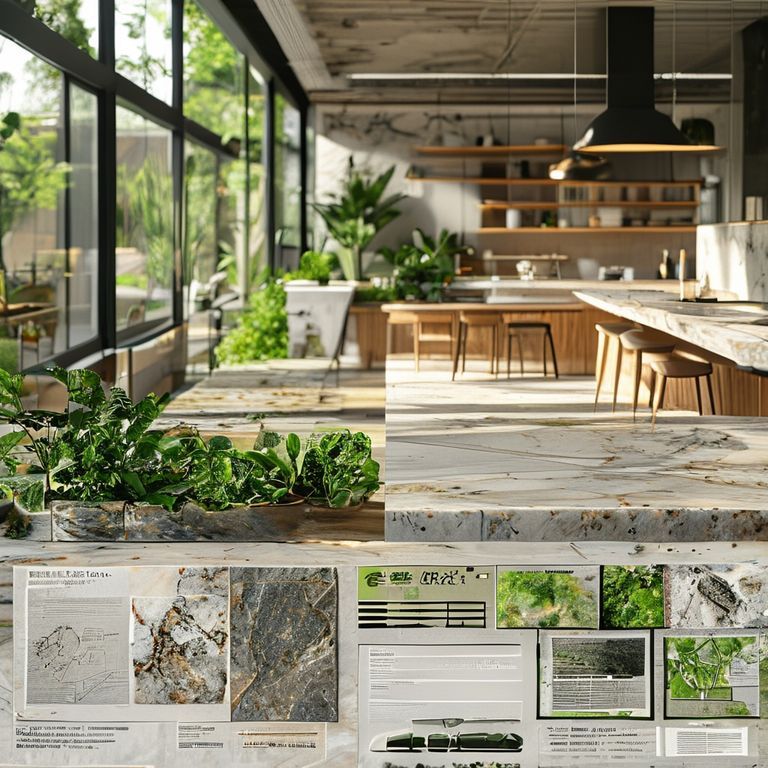
At its core, artificial marble, often referred to as engineered stone or quartz surfaces, is a composite material. It’s typically made from a blend of natural quartz crystals (usually around 90-95%), polymer resins, and pigments. This fusion creates a non-porous, durable, and visually stunning surface that can mimic the appearance of natural marble, granite, and other stones with remarkable fidelity. The manufacturing process itself is a key area of environmental consideration. Unlike quarrying, which involves extensive land disruption, engineered stone production takes place in controlled factory settings. This allows for greater efficiency in resource utilization and potentially less direct impact on natural ecosystems.
The primary component, quartz, is abundant and widely available, making its sourcing less environmentally burdensome than mining for rare or specific marble formations. However, the energy required for crushing, processing, and transporting these quartz crystals is still a factor. The resins used to bind the quartz particles together are typically polyester or epoxy-based. These are petrochemical products, and their production, like all fossil fuel-derived materials, carries an environmental footprint related to extraction, refining, and potential emissions. The pigments used to achieve the desired colors also need to be considered, with some requiring more energy-intensive production or containing elements that warrant scrutiny.
One of the most frequently raised environmental concerns with artificial marble revolves around Volatile Organic Compounds (VOCs). VOCs are carbon-containing chemicals that easily evaporate into the air. In the context of building materials, they can be emitted from adhesives, sealants, paints, and resins. Some early formulations of artificial marble, and indeed many other composite materials, were known to off-gas VOCs, which can contribute to indoor air pollution and have potential health implications. This is where the “环保吗” (is it environmentally friendly?) question becomes particularly sharp.
Reputable manufacturers have made significant strides in addressing VOC emissions. Modern engineered stone products often undergo rigorous testing and are certified to meet stringent indoor air quality standards, such as GREENGUARD. These certifications indicate that the product has been tested for a wide range of chemicals and is contributing to healthier indoor environments. The resins used are increasingly being formulated with lower VOC content, and manufacturers are implementing advanced ventilation and filtration systems in their production facilities to capture and minimize emissions. However, it’s still prudent for consumers to inquire about specific product certifications and to ensure proper ventilation during and after installation, especially in the initial stages.
The durability and longevity of artificial marble are significant environmental advantages. Engineered stone is exceptionally hard-wearing, resistant to stains, scratches, and heat. This means it’s less likely to need replacement over its lifespan compared to less durable materials. A countertop that lasts for 20-30 years, or even longer, represents a considerable reduction in resource consumption and waste generation over time. When you factor in the resources and energy that would have been expended to produce and install a replacement material, the extended lifespan of a high-quality engineered stone becomes a compelling argument for its environmental sustainability. This “buy it once, buy it right” philosophy aligns well with a more conscientious approach to consumption.
Furthermore, the non-porous nature of artificial marble offers another environmental benefit: hygiene. Unlike natural stone, which can absorb liquids and harbor bacteria, engineered stone is inherently resistant to microbial growth. This means it requires less aggressive cleaning agents, which can often be harsh chemicals with their own environmental consequences. A simple wipe-down with soap and water is usually sufficient to maintain its pristine appearance and hygienic qualities, contributing to a healthier home and a reduced reliance on chemical disinfectants.
The manufacturing process itself is also becoming more sophisticated in its environmental management. Many leading producers are investing in energy-efficient machinery, closed-loop water systems for cooling and dust suppression, and waste reduction programs. The recycling of manufacturing byproducts, such as scrap material and dust, is also becoming more common, further closing the loop and minimizing waste sent to landfills. These operational improvements, while not always visible to the end consumer, play a crucial role in determining the overall environmental impact of artificial marble production.
However, it’s important to acknowledge that no manufactured product is entirely without an environmental footprint. The energy embodied in the production process, the use of petrochemical-based resins, and the transportation of raw materials and finished products all contribute to its overall impact. The “环保吗” question, therefore, isn’t a simple yes or no. It’s a comparative assessment, weighing the advantages against the disadvantages, and considering the advancements made by the industry in mitigating its environmental effects. As consumers become more discerning about the materials they choose for their homes, understanding these complexities is key to making truly informed decisions that align with personal values and a broader commitment to environmental stewardship.
Continuing our deep dive into the environmental credentials of artificial marble, we now turn our attention to the critical aspects of its end-of-life and the broader context of sustainable building practices. While the durability of engineered stone is a significant plus during its functional life, what happens when a countertop is eventually replaced or a renovation project calls for a change? This is where the concept of recyclability and the potential for landfill burden come into play, adding another layer to the “人工大理石环保吗” discussion.
The composition of artificial marble presents a challenge for traditional recycling streams. Because it’s a composite material, a blend of quartz, resins, and pigments, it cannot simply be melted down and reformed like some plastics or metals. Separating these components effectively and economically is a complex undertaking. However, the industry is not standing still. Innovative approaches to recycling engineered stone are emerging. Some manufacturers are developing specialized facilities that can crush and process scrap material and old countertops into aggregate for use in new construction materials, such as road base or concrete. This diverts waste from landfills and reintroduces valuable resources back into the economy, creating a more circular approach to material management.
The effectiveness and widespread adoption of these recycling initiatives are still developing. Consumer awareness and the availability of convenient recycling drop-off points are crucial factors in their success. As more municipalities and manufacturers implement robust recycling programs, the end-of-life impact of artificial marble can be significantly reduced. This is a vital area of growth for the industry, moving beyond a linear “take-make-dispose” model towards a more sustainable, circular economy.
Another crucial aspect of assessing the environmental friendliness of any material is its embodied energy. Embodied energy refers to the total energy consumed in the extraction, manufacturing, transportation, and installation of a product. While the manufacturing of engineered stone is often more energy-efficient than the intensive quarrying and processing of some natural stones, it still requires significant energy inputs. The energy needed to produce the resins, crush and purify the quartz, and operate the manufacturing machinery all contribute to its embodied energy. However, as mentioned earlier, the long lifespan of engineered stone can offset this initial energy investment over time. A material that lasts for decades will have a lower annual embodied energy impact than one that needs frequent replacement.
Comparing artificial marble to its natural counterpart is essential for a balanced perspective. Natural marble extraction can be incredibly destructive, leading to habitat loss, water pollution from quarry runoff, and significant carbon emissions from heavy machinery and long-distance transportation. While engineered stone manufacturing also has its energy demands and uses petrochemicals, it generally avoids the large-scale landscape disruption associated with quarrying. The controlled environment of a factory allows for better management of emissions and waste. Therefore, in many scenarios, artificial marble can indeed be a more environmentally responsible choice than certain natural stones, especially those quarried in locations with less stringent environmental regulations or those requiring extensive transport.
The rise of green building certifications, such as LEED (Leadership in Energy and Environmental Design) and BREEAM (Building Research Establishment Environmental Assessment Method), also plays a role in promoting more sustainable material choices. Many artificial marble products now come with Environmental Product Declarations (EPDs) that provide transparent data on their environmental performance, including embodied energy, carbon footprint, and the presence of VOCs. These EPDs allow architects, designers, and consumers to make informed decisions based on verifiable data, helping to drive demand for more eco-conscious products. When these products contribute to achieving green building credits, it incentivizes manufacturers to further improve their environmental performance.
Furthermore, the “local” aspect of material sourcing can be a significant environmental consideration. While quartz is abundant, the manufacturing plants for artificial marble might be located closer to major population centers or construction hubs than distant quarries. This can reduce transportation distances for the finished product, thereby lowering associated carbon emissions. However, the origin of the raw materials still needs to be factored in. A product manufactured locally using imported quartz and resins might not necessarily have a lower environmental impact than a natural stone sourced from a relatively nearby quarry, depending on the specific circumstances.
The consumer’s role in the environmental story of artificial marble cannot be overstated. By choosing products with low VOC certifications, supporting manufacturers with strong sustainability initiatives, and inquiring about end-of-life recycling options, consumers can actively influence the market. The demand for greener products drives innovation and encourages companies to prioritize environmental responsibility throughout their supply chains. Beyond the material itself, responsible installation practices, such as using low-VOC adhesives and sealants, also contribute to a healthier indoor environment.
Ultimately, the question of “人工大理石环保吗” is not about finding a perfect, zero-impact material. It’s about making informed choices based on a comprehensive understanding of a product’s lifecycle. Artificial marble, when produced by responsible manufacturers and selected with environmental certifications in mind, offers a compelling blend of aesthetics, durability, and a potentially lighter ecological footprint compared to many alternatives. Its long lifespan reduces the need for frequent replacement, and emerging recycling initiatives are addressing its end-of-life challenges. As the industry continues to innovate and consumers become more aware, engineered stone is poised to play an increasingly significant role in the landscape of sustainable interior design and construction. It represents not a perfect solution, but a thoughtful, evolving answer to the desire for beauty without undue harm to our planet.









