
The realm of interior design is a constant evolution, a symphony of textures, colors, and materials that transform mere spaces into reflections of our lifestyles and aspirations. Amidst this dynamic landscape, certain materials emerge that possess an almost timeless appeal, a testament to their inherent qualities and enduring performance. One such material that has cemented its place in modern design for decades is Corian solid surface. Developed by DuPont in the late 1960s, Corian is not just a countertop material; it’s a canvas for creativity, a testament to innovation, and a choice that has graced countless kitchens, bathrooms, and commercial spaces worldwide.

At its core, Corian is an engineered composite material, a harmonious blend of acrylic polymer and alumina trihydrate (ATH), a mineral derived from bauxite ore. This unique composition grants it a set of characteristics that have propelled its popularity. The most striking advantage of Corian is its seamless aesthetic. Unlike natural stone or laminate, which often require visible seams to join pieces, Corian can be fabricated with inconspicuous seams that are virtually invisible. This means you can achieve expansive, uninterrupted surfaces – think grand kitchen islands or flowing vanity tops – without the visual clutter of joints. This seamless quality not only enhances the visual appeal, lending a sleek and modern finish, but also contributes to its hygienic properties. The absence of grout lines or tight crevices means fewer places for bacteria and mold to hide, making Corian a highly desirable option for kitchens and bathrooms where cleanliness is paramount.
Beyond its visually seamless nature, Corian boasts remarkable durability and resilience. It is a non-porous material, meaning it doesn’t absorb liquids. This inherent characteristic translates into exceptional stain resistance. Spills from coffee, wine, or oil are less likely to penetrate the surface and leave lasting marks. A simple wipe with a damp cloth is often all that’s needed to maintain its pristine appearance. This low maintenance is a significant draw for busy households where time is a precious commodity. Furthermore, Corian is resistant to common household chemicals, adding to its practicality in everyday use.
The inherent flexibility of Corian in terms of design possibilities is another compelling advantage. It is available in an extensive palette of colors, patterns, and textures, ranging from subtle, marble-like veining to bold, vibrant hues. This vast selection allows designers and homeowners to achieve a personalized look that perfectly complements their interior design scheme. Whether you’re aiming for a minimalist Scandinavian aesthetic, a classic traditional feel, or a cutting-edge contemporary statement, Corian offers the versatility to bring your vision to life. Moreover, its thermoformability is a game-changer. Corian can be heated and molded into a multitude of shapes, allowing for the creation of curved countertops, integrated sinks, and bespoke design elements that are simply not possible with more rigid materials. This ability to create fluid, organic forms opens up a world of creative expression in architectural and interior design.
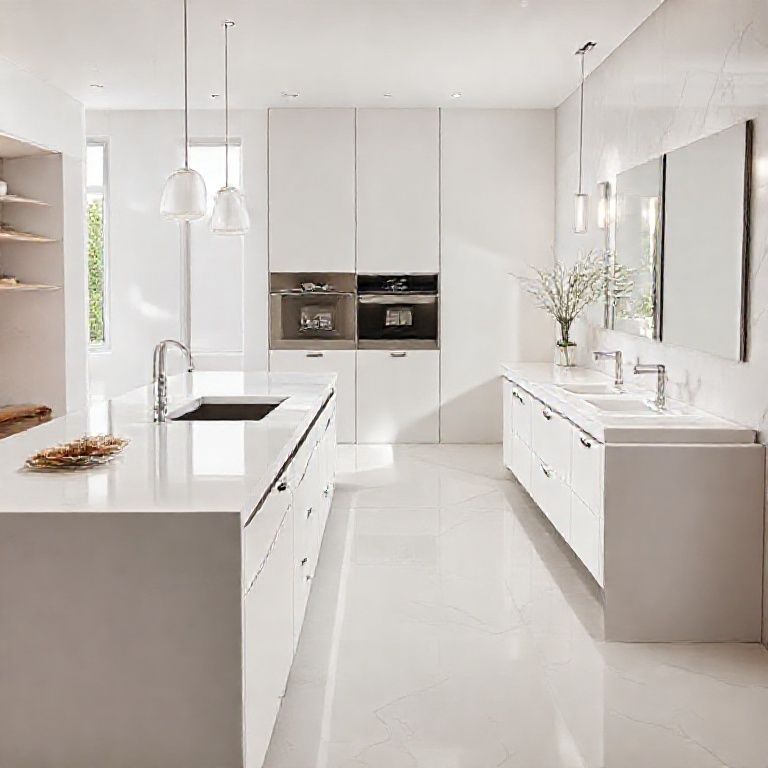
The repairability of Corian is a feature that often sets it apart from other surfacing materials. While highly durable, like any surface, it can, over time, incur minor scratches or chips. However, unlike materials that might require a complete replacement, minor damage to Corian can often be repaired relatively easily. Light scratches can typically be buffed out by a professional fabricator, restoring the surface to its original glory. Deeper damage or chips can also be addressed through patching and refinishing, often making the repair virtually undetectable. This ability to rejuvenate and restore the material significantly extends its lifespan and offers peace of mind to homeowners.
Another significant advantage is Corian’s hygienic nature. As mentioned earlier, its non-porous surface prevents the absorption of liquids and inhibits the growth of mold and bacteria. This makes it an excellent choice for healthcare settings, laboratories, and, of course, residential kitchens and bathrooms where sanitation is a primary concern. The smooth, unbroken surface is easy to clean and disinfect, contributing to a healthier living environment.
Finally, the warmth and feel of Corian are often cited as positive attributes. Unlike the cold, hard feel of some natural stones or solid surfaces, Corian possesses a certain tactile quality that is pleasant to the touch. It doesn’t feel as inherently cold as granite or quartz, contributing to a more inviting and comfortable atmosphere in the home. This subtle difference in feel can elevate the overall user experience, making everyday interactions with your countertops a more enjoyable affair.
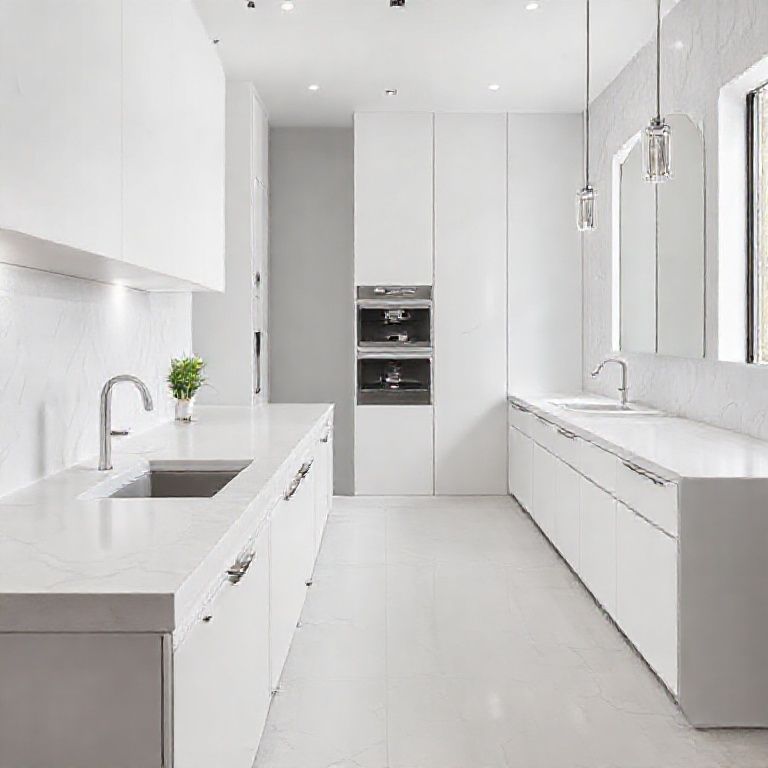
In essence, Corian solid surface presents a compelling package of benefits for the discerning homeowner or designer. Its ability to create seamless, beautiful surfaces, coupled with its durability, stain resistance, design versatility, repairability, and hygienic properties, solidifies its position as a leading material in the world of interior design. It is a material that offers both aesthetic appeal and practical functionality, promising a long-lasting and visually satisfying addition to any space.
While the advantages of Corian solid surface are substantial and have rightfully earned it a prominent place in the design world, a balanced perspective necessitates an exploration of its potential drawbacks. Understanding these limitations allows for a more informed decision-making process, ensuring that the chosen material aligns perfectly with your lifestyle, expectations, and budget.
One of the primary considerations for many when choosing a surfacing material is its resistance to heat. Corian, being an acrylic polymer composite, is not as heat-resistant as materials like granite or quartz. While it can withstand moderate temperatures, placing hot pots, pans, or trivets directly from a stovetop or oven onto a Corian surface can lead to thermal shock. This can cause discoloration, blistering, or even cracking. Therefore, it is imperative to always use trivets, hot pads, or cutting boards when handling hot items. This need for consistent heat protection is a crucial point to remember for anyone considering Corian for their kitchen countertops, where cooking is a frequent activity.
Another aspect to consider is Corian’s susceptibility to scratches. While its surface is smooth and non-porous, it is not as inherently hard as some natural stones or engineered quartz. This means that it can be more prone to developing superficial scratches from everyday use, especially in high-traffic areas like kitchens. While minor scratches can often be buffed out, deeper or more extensive scratching can be a persistent issue if care is not taken. Again, the diligent use of cutting boards and avoiding dragging abrasive objects across the surface becomes paramount. This is a trade-off for its seamless repairability; the ease of fixing minor damage comes with a slightly higher likelihood of needing to do so.
The cost of Corian can also be a factor. While it often falls within a mid-range price point compared to premium natural stones, it is generally more expensive than laminate or some tile options. The initial investment for Corian countertops can be significant, particularly for larger projects or when opting for more intricate designs or integrated sinks. However, it’s important to weigh this initial cost against its longevity, repairability, and the aesthetic value it brings to a space. When comparing it to other solid surfaces or high-end natural stones, its price point becomes more competitive, offering a strong value proposition for its performance and look.
While Corian is renowned for its vast color selection, it’s worth noting its potential for UV sensitivity. Certain colors, particularly darker or more vibrant hues, can be susceptible to fading or discoloration when exposed to prolonged direct sunlight. This is more of a concern for outdoor applications or in areas with extensive sun exposure, such as near large, south-facing windows. For indoor use in typical lighting conditions, this is usually not a significant issue, but it’s a point to consider if your design involves significant natural light exposure on the surface.
The repair process, while a major advantage, is not always a DIY endeavor. While minor buffing might be manageable for some, significant repairs or refinishing often require a professional fabricator. This means that while the material is repairable, you might incur additional costs for professional services to restore its appearance. This is a stark contrast to materials like laminate, where a damaged section might be more easily replaced, or natural stone, which might only require sealing.
Furthermore, while Corian is non-porous and therefore stain-resistant, it can still be affected by harsh chemicals or abrasive cleaners. Aggressive scrubbing with steel wool or using strong solvents can damage the surface finish. Sticking to recommended cleaning agents and methods is essential to maintain its pristine look. This means a certain level of diligence in selecting cleaning products is necessary, which might be a slight inconvenience for those accustomed to using a wider range of household cleaners without much thought.
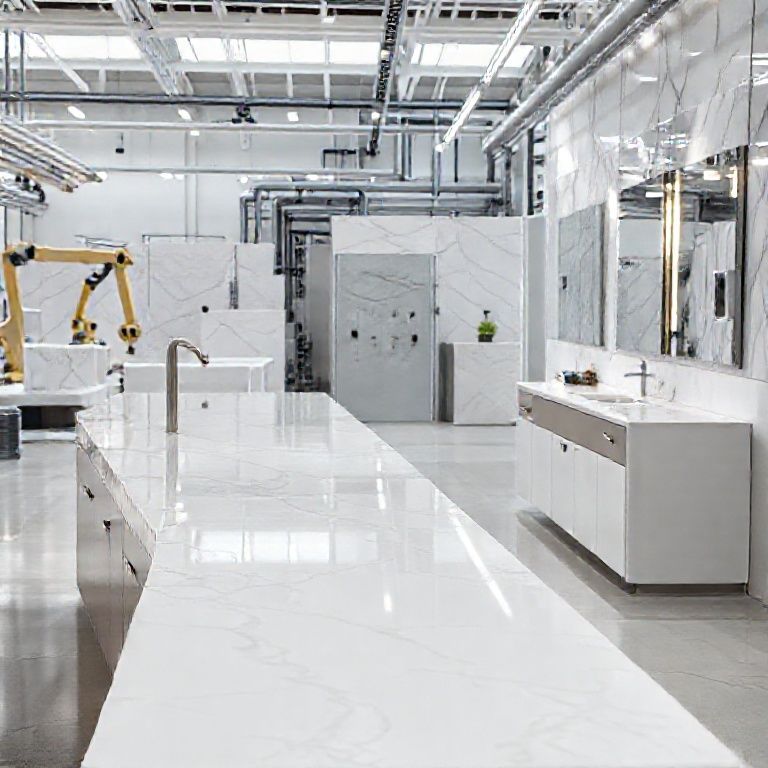
Finally, the thermoforming process, while enabling incredible design flexibility, also means that the fabrication of Corian requires specialized equipment and expertise. This limits the number of individuals or companies that can effectively work with the material, potentially influencing the availability of fabricators and the associated labor costs. This is not a material that can be easily cut or shaped with standard woodworking tools.
In conclusion, Corian solid surface is a material that offers a compelling blend of beauty, functionality, and innovation. Its seamless aesthetics, durability, stain resistance, and design versatility are undeniable strengths that have cemented its popularity. However, potential buyers must also acknowledge its limitations, particularly concerning heat resistance, susceptibility to scratches, cost, and the need for professional repair in certain situations. By carefully considering these pros and cons in relation to your specific needs and usage patterns, you can make an informed decision about whether Corian is the ideal surfacing solution for your next design project. Its enduring appeal lies in its ability to transform spaces, but like any material, understanding its nuances is key to unlocking its full potential and ensuring long-term satisfaction.









