
The Enduring Allure of Corian: Unpacking the Origin and Craftsmanship of a Modern Marvel
The world of interior design is a constantly evolving tapestry, woven with threads of innovation, aesthetics, and functionality. Among the myriad materials that grace our living spaces, few possess the enduring appeal and versatile nature of Corian. More than just a countertop material, Corian represents a significant leap in material science, a testament to human ingenuity that has seamlessly blended form and function for decades. But when we speak of Corian, what truly lies at its heart? The question of “可丽耐人造石产地” – the origin of Corian solid surface – invites us on a fascinating exploration, not just of geography, but of the very essence of its creation, the dedicated hands and sophisticated processes that bring this modern marvel to life.

The story of Corian is inextricably linked with the pioneering spirit of DuPont, the venerable American chemical company that introduced it to the world in 1967. This was not an accidental discovery; it was the product of extensive research and development, a deliberate effort to create a material that could overcome the limitations of traditional surfaces like laminate, tile, and natural stone. The vision was to engineer a material that was durable, non-porous, easy to maintain, and, crucially, aesthetically pleasing with a seamless finish. The early production facilities were established in the United States, leveraging DuPont’s established expertise in polymer chemistry and manufacturing. These initial sites were the crucibles where the magic of Corian was first distilled, laying the groundwork for its future global expansion.
While the foundational innovation and initial manufacturing were rooted in the United States, the “产地” of Corian is not confined to a single location. Over the decades, as Corian’s popularity surged and its applications diversified, DuPont strategically expanded its production capabilities. This expansion was driven by a desire to serve a growing global market more efficiently, reduce shipping costs, and adapt to regional design preferences and building codes. Consequently, Corian manufacturing facilities have been established in various key regions around the world. This global footprint means that a Corian countertop in your kitchen might have originated from a state-of-the-art plant in North America, Europe, or Asia. Each facility adheres to the stringent quality control standards set by DuPont (and now its successor, Corian® Design, a division of DuPont), ensuring that the material maintains its consistent, high-quality characteristics regardless of its point of origin.
The term “man-made stone” or “solid surface” itself hints at the controlled, engineered nature of Corian’s creation. Unlike natural stones that are quarried and then processed, Corian is meticulously manufactured. Its primary components are acrylic polymer and alumina trihydrate (ATH), a derivative of bauxite ore. These ingredients are combined under precise conditions, including controlled temperature and pressure, to create a homogenous, non-porous material. This manufacturing process is a critical aspect of its origin story. It’s not merely about where it’s made, but how it’s made. The proprietary manufacturing techniques are what imbue Corian with its unique properties: its resistance to staining and impact, its ability to be thermoformed into curved shapes, and its seamless integration, which eliminates grout lines and hidden crevices where bacteria can thrive.
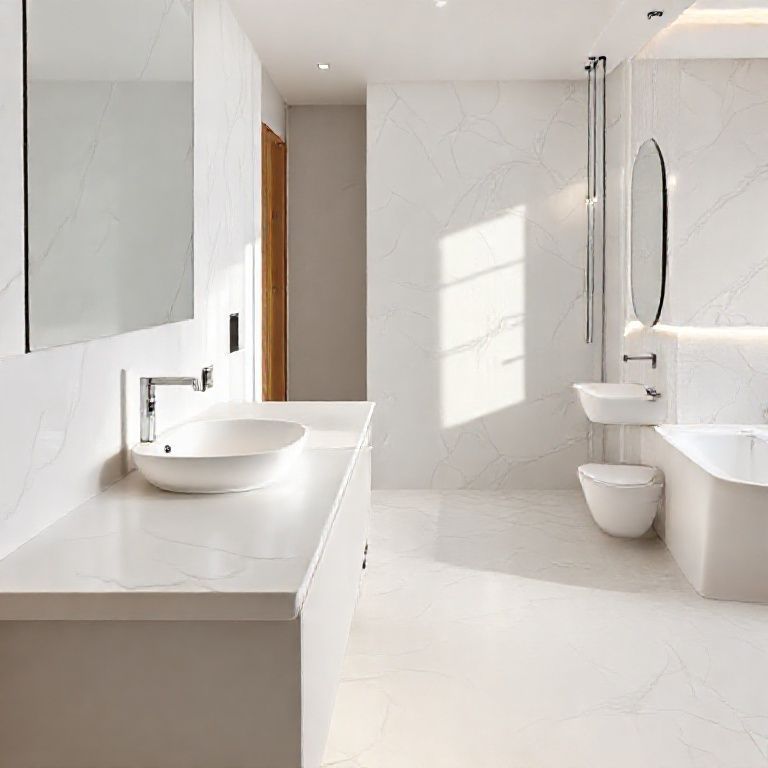
The global manufacturing network allows Corian to be responsive to market demands. Different regions may favor specific color palettes or finishes, and the localized production can facilitate a quicker response to these trends. Furthermore, the distributed manufacturing model contributes to the material’s sustainability story. By producing closer to the point of sale, transportation emissions are reduced, a significant consideration in today’s environmentally conscious world. The “产地” then becomes a dynamic entity, reflecting a commitment to global reach and local responsibility. It signifies a material that is both universally recognized for its quality and adaptable to the diverse needs of designers, fabricators, and homeowners across the globe. The meticulous attention to detail at each manufacturing site, from the raw material sourcing to the final quality checks, ensures that every sheet of Corian embodies the same promise of durability, beauty, and innovation that has defined it since its inception. Understanding the origin of Corian is therefore an appreciation of a sophisticated, global manufacturing process that prioritizes quality, consistency, and innovation, making it a truly remarkable material for contemporary living.
Delving deeper into the “可丽耐人造石产地” reveals that it’s not just about the physical location of its manufacture, but also about the ecosystem of skilled individuals and specialized processes that contribute to its final form. While the raw materials are synthesized and formed into sheets at large-scale manufacturing plants, the journey of Corian doesn’t end there. The true artistry and customization that make Corian so beloved often take place in the workshops of certified fabricators. These are the skilled artisans who transform raw Corian sheets into bespoke countertops, integrated sinks, intricate wall panels, and even sculptural elements. Their expertise is as much a part of Corian’s “origin” story as the factory floor.
The fabrication process is where the inherent qualities of Corian are truly unleashed. Unlike many natural stones which can be brittle and prone to chipping, Corian’s composition allows for precise cutting, routing, and shaping. Fabricators use specialized tools to cut the sheets to exact dimensions, often incorporating cutouts for sinks, cooktops, and faucets. The true magic, however, lies in the ability to achieve seamless joints. Using a specially formulated adhesive that chemically bonds with the Corian, fabricators can join pieces together in such a way that the seam becomes virtually invisible. This is a critical differentiator from many other solid surface materials and a hallmark of high-quality Corian installation. It not only contributes to a sleek, modern aesthetic but also enhances hygiene by eliminating grout lines where dirt and bacteria can accumulate.
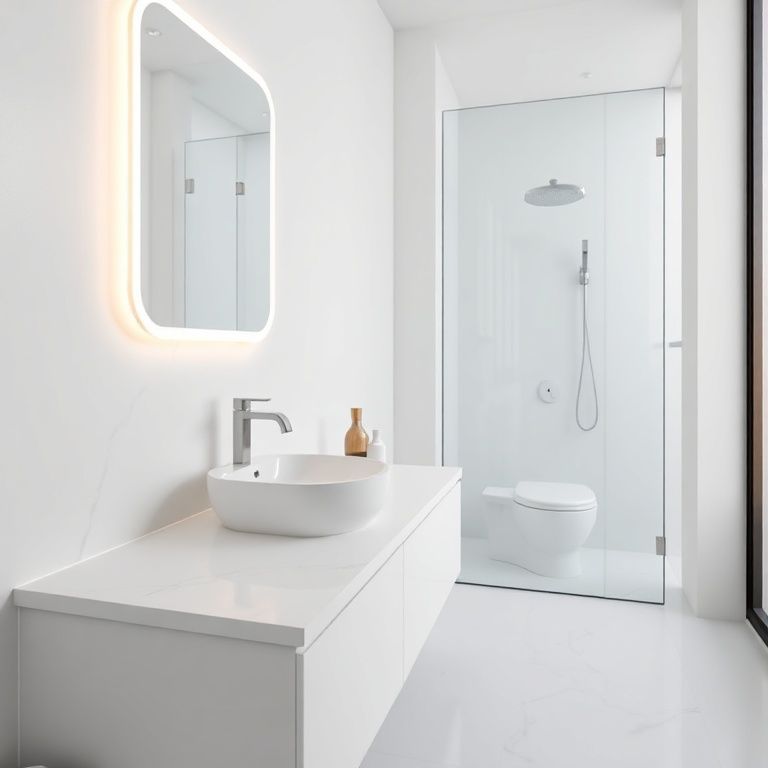
Furthermore, Corian’s unique thermoformability is a testament to its engineered nature. At elevated temperatures, Corian can be softened and molded into gentle curves, dramatic waves, or complex three-dimensional shapes. This capability opens up a world of design possibilities that are simply not achievable with rigid materials like granite or quartz. Imagine a waterfall edge that flows seamlessly down a cabinet, a curved reception desk that guides visitors, or a seamless vanity top that wraps around a corner. These bespoke creations are born from the collaboration between designers, architects, and skilled fabricators who understand and harness the material’s plasticity. This aspect of its “origin” – the transformation from a flat sheet into a sculpted form – is where its true potential is realized.
The global network of certified fabricators is a crucial extension of Corian’s production. These professionals undergo rigorous training to master the techniques required for working with the material. They understand its properties, the correct adhesives to use, and the best methods for achieving flawless finishes. Their commitment to quality ensures that the end product not only looks beautiful but also performs as expected for years to come. The warranty that often accompanies Corian installations is also a reflection of this trust in both the material and the certified fabricators. It signifies a shared responsibility for delivering a superior product.
When considering the “产地” of Corian, it’s also important to acknowledge the ongoing innovation that continues to shape its future. Corian Design, the entity now responsible for the material, is dedicated to research and development. This includes introducing new colors and patterns, often inspired by global design trends and natural aesthetics, as well as exploring new formulations that enhance performance, such as improved scratch resistance or antimicrobial properties. This continuous evolution means that the “origin” of Corian is not static; it’s a living, breathing story of material science and design adaptation.
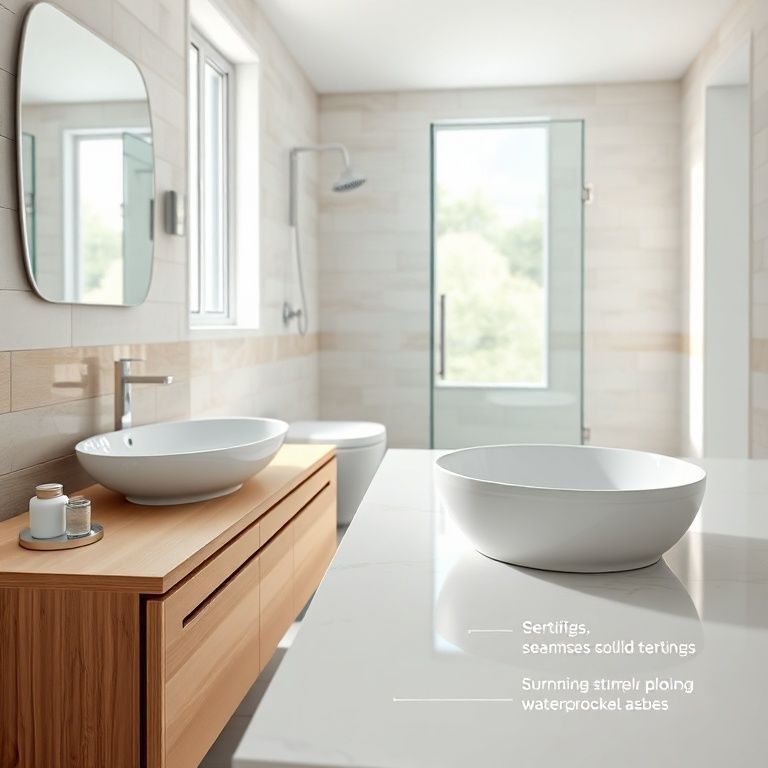
In essence, the origin of Corian is a multifaceted concept. It encompasses the sophisticated, global manufacturing facilities that produce the raw material with unwavering consistency and quality. But it also extends to the skilled hands of fabricators who meticulously shape, join, and install the material, transforming it into functional and beautiful elements within our homes and businesses. The “可丽耐人造石产地” is, therefore, a testament to a comprehensive system of material science, advanced manufacturing, and artisanal craftsmanship, all working in concert to deliver a material that has earned its place as a leader in the world of interior design. It’s a story of American innovation that has bloomed into a globally recognized and respected material, shaped by processes and people from around the world.









