
The whisper of ancient mountains, the silent strength of the earth’s embrace – this is the essence of quartz. More than just a mineral, quartz is a testament to geological artistry, a crystalline marvel that has graced our planet for eons. In its purest form, it is silicon dioxide (SiO₂), a ubiquitous component of continental crust, often appearing as colorless, translucent crystals. Yet, nature, in its infinite creativity, imbues quartz with an astonishing spectrum of colors and forms, from the rose blush of amethyst to the smoky depths of smoky quartz, each shade telling a story of the earth’s fiery genesis and slow, deliberate transformation. For centuries, humans have marveled at its beauty, utilizing its resilience in everything from jewelry to intricate carvings. But it is in the realm of modern design that quartz has truly ascended, not just as a natural wonder, but as a meticulously engineered masterpiece.

Engineered quartz, a brilliant fusion of nature’s finest and human ingenuity, has revolutionized the way we perceive and utilize stone in our homes and commercial spaces. This isn’t simply quarried rock; it’s a sophisticated composite material, born from the union of approximately 90-95% natural quartz crystals with a binder, typically a polymer resin, and pigments. The process is as much an art as it is a science. The raw quartz, crushed into fine particles, is meticulously mixed with the resin and pigments. This potent concoction is then subjected to a high-pressure, high-vibration process known as vibrocompression. This technique mimics the immense pressure found deep within the earth, creating an incredibly dense and non-porous material. The result is a surface that not only inherits the inherent beauty and strength of natural quartz but also surpasses it in terms of consistency, durability, and stain resistance.
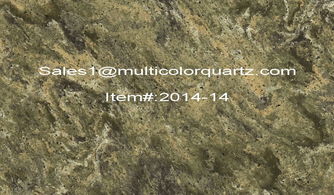
The appeal of engineered quartz lies in its unparalleled versatility and the sheer breadth of aesthetic possibilities it offers. Unlike natural stone, which can present unpredictable variations in color and pattern, engineered quartz allows for a remarkable degree of control. Manufacturers can create a stunning array of colors, from classic whites and subtle grays to bold blacks and vibrant hues, each with an even distribution of veining and flecks. This consistency is a designer’s dream, enabling seamless execution of even the most ambitious design visions. Whether you’re aiming for the timeless elegance of marble, the dramatic flair of granite, or a completely bespoke aesthetic, engineered quartz can deliver. The ability to precisely replicate intricate patterns and achieve uniform color saturation means that designers and homeowners can achieve a cohesive and sophisticated look across large surfaces, a feat that can be challenging with natural stones.
Beyond its visual charisma, engineered quartz boasts a suite of practical advantages that make it an exceptionally sought-after material for high-traffic areas. Its non-porous nature is arguably its most significant triumph. Natural stones, by their very composition, often contain microscopic pores that can absorb liquids, leading to staining and the potential breeding ground for bacteria. Engineered quartz, however, forms a virtually impenetrable barrier. This makes it exceptionally resistant to common kitchen spills like wine, coffee, oil, and fruit juice. A quick wipe with a damp cloth is usually all that’s needed to maintain its pristine appearance. This inherent resistance to staining translates to a low-maintenance lifestyle, freeing up precious time for what truly matters.
Furthermore, the density and composition of engineered quartz render it highly resistant to scratches and chips. While no material is entirely impervious to damage, quartz surfaces are significantly more resilient than many natural stones, including softer marbles. This means that everyday kitchen activities, such as chopping vegetables (with a cutting board, of course!), placing hot pans (though trivets are always recommended for longevity), and general wear and tear, are less likely to leave their mark. This robust nature ensures that a quartz surface will retain its beauty and integrity for years to come, making it a wise and enduring investment for any home. The combination of stain resistance and scratch resilience transforms a kitchen or bathroom from a space of constant vigilance to one of effortless enjoyment.

The manufacturing process itself also contributes to the sustainable profile of engineered quartz. While it utilizes natural quartz, the process of quarrying and processing it into engineered slabs is often more efficient and less resource-intensive than extracting massive blocks of natural stone. Furthermore, many manufacturers are incorporating recycled materials, such as glass or mirrors, into their quartz compositions, further enhancing their environmental credentials. This commitment to sustainability, coupled with the material’s exceptional longevity, means that choosing engineered quartz is not only an aesthetic and practical decision but also a conscientious one. It’s a material that allows us to create beautiful, functional spaces without compromising the health of our planet. The journey from the earth’s core to the polished surface of our countertops is a story of transformation, resilience, and a harmonious coexistence between the natural world and human innovation.
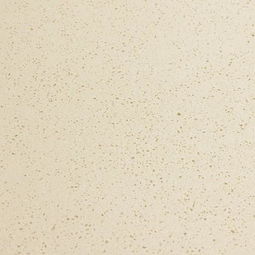
The allure of quartz extends far beyond its inherent strength and practical advantages; it lies in its chameleon-like ability to adapt to any design narrative, offering a canvas for endless creativity. The spectrum of colors and patterns available in engineered quartz is truly astounding, a testament to the power of precise manufacturing married with inspired aesthetics. Imagine a kitchen that exudes the airy lightness of a Mediterranean villa – a crisp, pure white quartz with subtle, almost imperceptible veining can achieve this effortlessly, reflecting light and creating a sense of spaciousness. Or perhaps a more grounded, earthy feel is desired, where a warm, sandy-toned quartz with delicate flecks can evoke the comforting embrace of natural landscapes.
For those who crave the dramatic elegance of natural stone but are wary of its inherent imperfections and maintenance demands, engineered quartz offers a compelling solution. The intricate veining and bold patterns found in some quartz collections are meticulously designed to mimic the grandeur of marbles like Calacatta or Statuario, or the dynamic dynamism of granites. These surfaces can become the breathtaking focal point of a kitchen, drawing the eye with their sophisticated beauty. The beauty of engineered quartz lies in its ability to deliver these high-impact aesthetics with predictable consistency, ensuring that the veining flows harmoniously across seams and that the color saturation remains uniform throughout. This level of control is invaluable for achieving a truly polished and professional finish.
The trend towards bolder, more dramatic kitchen designs has seen a surge in the popularity of quartz with striking veining and darker color palettes. Deep charcoals, rich blacks, and even vibrant jewel tones are now readily available, offering a sophisticated and contemporary edge. These darker quartz surfaces provide a striking contrast to lighter cabinetry and appliances, creating a sense of depth and luxury. Conversely, the enduring appeal of minimalist and Scandinavian design continues to favor lighter, more muted tones. Soft whites, gentle creams, and pale grays with minimal patterns offer a clean, serene backdrop that promotes a sense of calm and order. This adaptability means that quartz is not confined to a single design era; it can be tailored to complement virtually any architectural style, from ultra-modern and industrial to traditional and rustic.
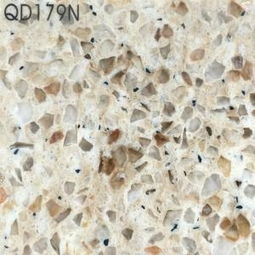
The tactile experience of quartz is also noteworthy. While often associated with a smooth, cool surface, the finishing techniques employed in quartz manufacturing can create a range of textures. From a highly polished, reflective finish that amplifies light and creates a sense of grandeur, to a more matte or honed finish that offers a softer, more understated elegance, the textural possibilities further enhance its design versatility. A honed finish, for instance, can lend a more natural, organic feel to a countertop, while a polished finish can provide the sleek, sophisticated look often desired in contemporary kitchens.
The application of quartz extends far beyond kitchen countertops and bathroom vanities, though these remain its most popular domains. Its durability and hygienic properties make it an excellent choice for a wide range of commercial applications. In hospitals and laboratories, where stringent hygiene standards are paramount, the non-porous and easy-to-clean nature of quartz is invaluable. It can be found adorning laboratory benches, nurse stations, and operating room surfaces, providing a reliable and sanitary work environment. In restaurants and hotels, quartz surfaces grace bar tops, reception desks, and food preparation areas, offering a blend of aesthetic appeal and robust performance that can withstand the rigors of high-volume use.
Furthermore, quartz is increasingly being used for wall cladding, backsplashes, and even furniture. Its ability to be fabricated into large, seamless panels makes it ideal for creating striking architectural features. A waterfall edge on an island, a floor-to-ceiling tiled wall, or a custom-designed dining table – all can be brought to life with the inherent beauty and strength of quartz. The continuous flow of patterns and the absence of grout lines in many applications create a visually uninterrupted and effortlessly elegant aesthetic.
The enduring allure of quartz is a testament to its remarkable synergy of form and function. It is a material that respects the timeless beauty of natural stone while embracing the advancements of modern technology. It offers homeowners and designers the best of both worlds: the captivating aesthetics and the inherent durability, all with a low-maintenance profile that simplifies daily life. As design trends evolve and our demands for beautiful, resilient materials continue to grow, engineered quartz stands poised to remain at the forefront, a testament to nature’s enduring power and humanity’s innovative spirit, shaping the spaces where we live, work, and dream. Its journey from the ancient earth to the heart of our homes is a story of transformation, one that promises to continue inspiring and delighting for generations to come.









