
The Enduring Allure: How Long Can Your Artificial Stone Truly Last?
The allure of artificial stone in modern interior design is undeniable. Its sleek surfaces, diverse aesthetic possibilities, and perceived durability have made it a go-to choice for everything from kitchen countertops and bathroom vanities to flooring and wall cladding. But when we talk about artificial stone, what exactly are we referring to, and perhaps more importantly, how long can we expect this manufactured marvel to grace our living spaces? The question, “人造石能用多久” (How long can artificial stone last?), is not just a matter of practicality; it delves into the very essence of its value and our investment in creating beautiful, functional homes.
Artificial stone isn’t a monolithic entity. It’s a broad category encompassing a range of materials, each with its own unique composition and, consequently, its own lifespan. The most common players in this arena are quartz surfaces and solid surfaces. Quartz surfaces, often marketed as engineered stone or simply quartz, are a high-performance composite material made by combining ground natural quartz crystals with polymers and pigments. The natural quartz content typically ranges from 90% to 95%, with the remaining percentage consisting of binders and colorants. This high proportion of natural quartz is what gives these surfaces their exceptional hardness, scratch resistance, and stain resistance.
Solid surfaces, on the other hand, are typically composed of acrylic polymers or polyester resins, blended with mineral fillers such as bauxite. While they may not boast the same raw hardness as quartz, solid surfaces offer a unique set of advantages, including seamless installation, repairability, and a warm, tactile feel. The lifespan of these materials, while impressive for both, is influenced by a constellation of factors, making a definitive, one-size-fits-all answer to “How long can artificial stone last?” a bit like trying to bottle lightning.
Let’s start with quartz surfaces. When properly installed and cared for, quartz countertops are exceptionally durable. Manufacturers often back their products with warranties ranging from 10 to 25 years, and in many cases, these surfaces can far outlast their warranty periods. We’re talking about decades of reliable service, potentially 20, 30, or even more years. The inherent properties of quartz make it resistant to many of the daily indignities that a kitchen or bathroom surface endures. Its non-porous nature means it won’t readily absorb liquids like wine, coffee, or oil, making it highly resistant to staining. The high quartz content also contributes to its impressive scratch resistance, meaning casual encounters with knives or keys are unlikely to leave a permanent mark.

However, even this stalwart material isn’t entirely invincible. Extreme heat is its Achilles’ heel. Placing hot pots or pans directly from the stove or oven onto a quartz surface can cause thermal shock, leading to discoloration, cracking, or even irreparable damage. The resins used in the composition are not as heat-tolerant as natural stone. Similarly, while scratch-resistant, it’s not scratch-proof. Aggressive scrubbing with abrasive pads or using knives directly on the surface can eventually lead to micro-scratches that may become more noticeable over time, especially on darker or highly polished finishes. Harsh chemicals, particularly those containing high concentrations of bleach or oven cleaners, can also potentially damage the resin binders, leading to dullness or discoloration.
Solid surfaces, while perhaps not possessing the same extreme hardness as quartz, offer a different kind of longevity. Their lifespan is also measured in decades, often 20 years or more, with the potential for even greater longevity through their unique repairability. The key advantage of solid surfaces lies in their ability to be sanded and refinished. Minor scratches, chips, or even deeper gouges can often be buffed out or filled by a professional, effectively restoring the surface to its original glory. This “renewability” is a significant factor in their long-term value and sustainability. Imagine a countertop that, after years of use, can be made to look almost new again – that’s the magic of solid surfaces.
However, solid surfaces are generally more susceptible to scratches and heat damage than quartz. While they can withstand moderate heat, direct contact with very hot items can cause scorching or discoloration. The acrylic or polyester resins are also more vulnerable to certain strong chemicals and solvents, which can cause etching or dullness. The seamless nature of solid surfaces, while aesthetically pleasing and hygienic, can also be a point of vulnerability if not properly installed, as water ingress into seams could potentially lead to underlying damage.
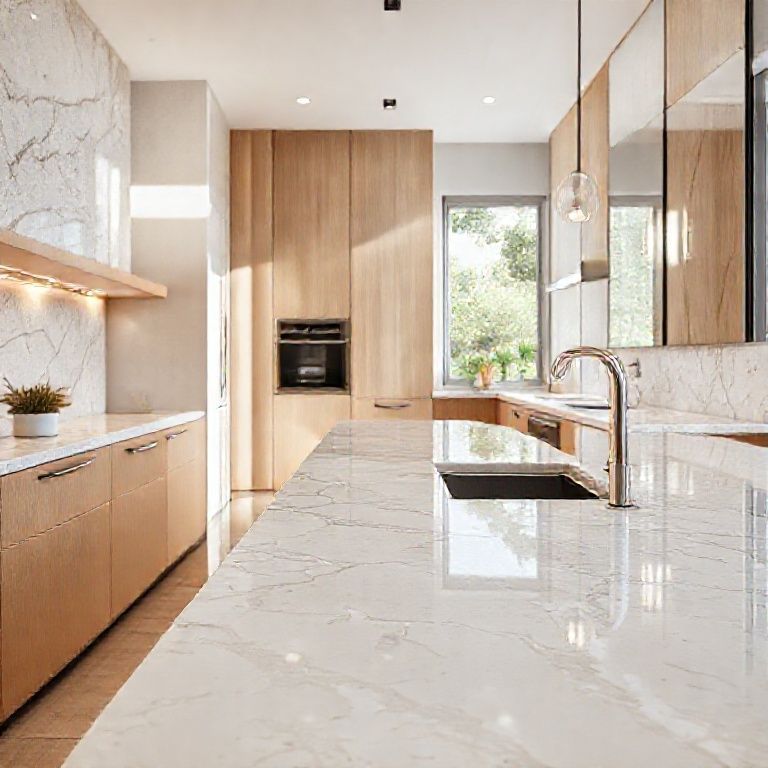
Beyond the inherent material properties, the “How long can artificial stone last?” equation is heavily influenced by installation and maintenance. A poorly installed countertop, for instance, might be more prone to cracking or chipping over time due to uneven support or stress points. Similarly, a lack of proper care can accelerate wear and tear. For quartz, this means using trivets and cutting boards, and avoiding harsh cleaners. For solid surfaces, it involves similar precautions against excessive heat and abrasive chemicals, alongside regular cleaning with mild detergents.
The environment in which the artificial stone is installed also plays a role. A countertop in a busy family kitchen that sees constant heavy use will naturally experience more wear than a vanity top in a guest bathroom that is used infrequently. Exposure to direct sunlight can also, over extended periods, lead to fading or discoloration in some artificial stone products, particularly those with intense pigments.
Ultimately, the question of how long artificial stone can last is a testament to its modern engineering and design. It’s not simply about a single number but about understanding the material’s strengths and weaknesses, the factors that contribute to its longevity, and the role we play as owners in preserving its beauty and functionality. It’s about a material that, with a little respect and attention, can be a beautiful and enduring presence in our homes for a very, very long time.

Continuing our exploration of “人造石能用多久” (How long can artificial stone last?), we’ve established that the answer is not a simple fixed duration but rather a dynamic interplay of material science, installation expertise, and, crucially, user care. While quartz and solid surfaces represent the dominant categories of artificial stone, the overarching principle remains: these are engineered materials designed for longevity, offering a compelling alternative to traditional natural stones.
The impressive lifespan of artificial stone, particularly quartz, can be attributed to its manufacturing process. By precisely controlling the ratios of natural quartz, binders, and pigments, manufacturers create a material with predictable and enhanced properties. The resins act as a strong adhesive, binding the quartz particles together and filling any microscopic voids. This results in a non-porous surface that is inherently resistant to moisture and stains, a significant advantage over many natural stones which can be porous and require regular sealing. The engineering aspect allows for consistent quality and performance, making it a reliable choice for homeowners.
Consider the aesthetic aspect. Artificial stone offers an unparalleled spectrum of colors, patterns, and finishes. From mimicking the intricate veining of marble to boasting bold, solid hues, designers can achieve virtually any look. This versatility means that artificial stone is not only durable but also adaptable to evolving design trends. A kitchen that feels modern today can remain stylish for years, as the stone itself doesn’t succumb to the rapid obsolescence of fleeting fads. The question of lifespan, therefore, also touches upon the enduring appeal of the design itself. A timeless design paired with a durable material like artificial stone creates a truly long-lasting investment.
The economic argument for artificial stone also ties into its longevity. While the initial cost might be comparable to or even higher than some natural stones, the reduced need for maintenance, the absence of frequent sealing, and the potential for repair (especially with solid surfaces) translate into lower lifetime costs. A countertop that lasts 20-30 years without requiring replacement or extensive upkeep is a far more economical choice than one that needs frequent attention or premature replacement. This is a key consideration for homeowners looking to maximize their return on investment in their living spaces.
Let’s delve deeper into the practicalities of maximizing the lifespan of your artificial stone. For quartz surfaces, the golden rule is to treat it with respect, much like you would any fine surface. Always use trivets or hot pads under hot cookware. This simple habit is arguably the single most important factor in preventing heat damage. Similarly, cutting boards are your best friend. While quartz is highly scratch-resistant, prolonged or aggressive contact with sharp objects can still leave marks. When it comes to cleaning, mild dish soap and water are usually sufficient for daily upkeep. For tougher stains, a non-abrasive cleaner specifically designed for countertops or a solution of baking soda and water can be effective. Avoid using abrasive scrubbers, steel wool, or harsh chemicals like oven cleaners, drain cleaners, or paint strippers, as these can degrade the resin binders and cause permanent damage. Regular dusting and wiping down will prevent the build-up of grime that can dull the surface over time.
For solid surfaces, the principles are similar, with an added emphasis on their repairability. Regular cleaning with mild detergents and soft cloths will keep them looking their best. While they are more susceptible to scratches than quartz, the advantage lies in their ability to be restored. If minor scratches appear, a fine-grit sandpaper or a specialized polishing compound, often available from the manufacturer, can be used to buff them out. For deeper chips or gouges, professional repair services can often seamlessly fill and refinish the area, making it virtually undetectable. This “mendable” quality makes solid surfaces an incredibly sustainable and long-lasting choice, as they can be revitalized rather than replaced. However, like quartz, they are susceptible to damage from excessive heat and strong chemicals, so the use of trivets and avoiding abrasive cleaners remains paramount.
The installation process itself is a critical, albeit often overlooked, factor in the longevity of artificial stone. A professional installer will ensure the material is properly supported, cut, and fitted, minimizing stress points that could lead to future cracks or breaks. For countertops, this includes ensuring adequate support brackets and a well-prepared substrate. For other applications like wall cladding, proper adhesion and sealing are vital to prevent moisture ingress. Choosing a reputable fabricator and installer is, therefore, a significant investment in the long-term performance of your artificial stone.
When considering the lifespan of artificial stone, it’s also useful to compare it with other popular countertop materials. Granite, a natural stone, can also last for decades, but its porosity requires regular sealing to prevent stains, and it can be susceptible to etching from acidic substances. Laminate countertops, while more budget-friendly, generally have a shorter lifespan of 10-15 years and are more prone to chipping and heat damage. Marble, while beautiful, is notoriously soft and porous, requiring meticulous care and is prone to staining and etching, making its long-term pristine appearance a challenge. In this context, the durability and relatively low maintenance of artificial stone stand out as significant advantages.
Ultimately, the question “人造石能用多久” (How long can artificial stone last?) is an invitation to appreciate the innovation and engineering behind these materials. It’s about choosing a surface that is not only aesthetically pleasing but also built to withstand the rigors of daily life for years, even decades, to come. With appropriate care, proper installation, and an understanding of their material properties, artificial stones like quartz and solid surfaces are not just a choice for today but a lasting investment in the beauty and functionality of your home for generations to enjoy. Their enduring appeal lies not just in their appearance but in their remarkable resilience and the promise of lasting quality.









