
Sure, I can help you with that! Here’s a soft article about the durability of artificial stone, themed around “人造石耐用吗” (Is artificial stone durable?).
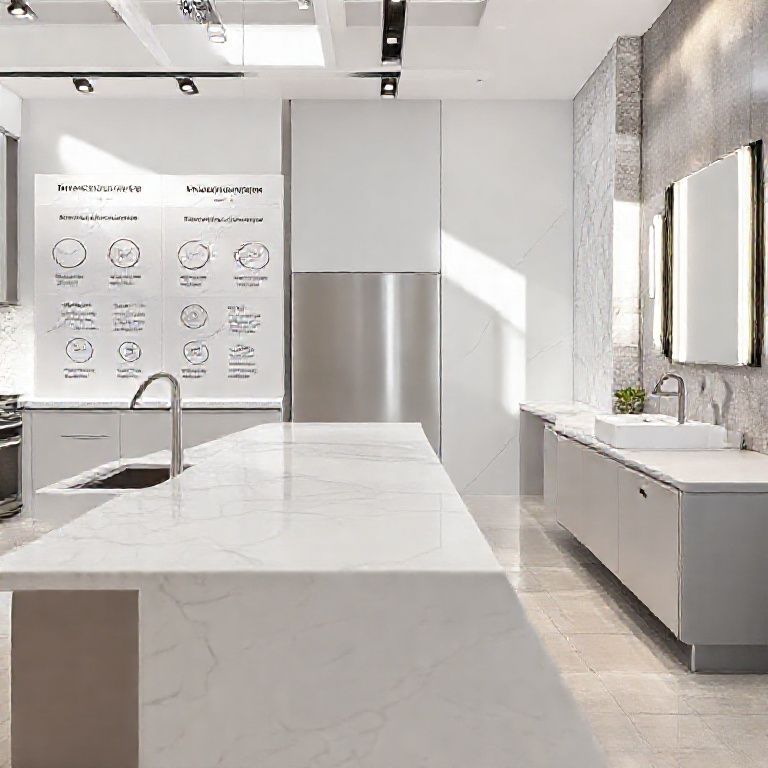
The question “人造石耐用吗” (Is artificial stone durable?) echoes through the minds of homeowners, designers, and renovators alike. It’s a practical query, born from the desire to invest in surfaces that not only look stunning but also stand the test of time, resisting the daily wear and tear of life. The answer, resoundingly, is yes. Artificial stone, a category encompassing a range of meticulously engineered materials, offers a compelling blend of beauty and brawn that has cemented its place as a go-to choice for kitchens, bathrooms, and beyond. But what exactly makes it so durable? Let’s delve into the science and substance behind its impressive resilience.
At its core, artificial stone is designed to mimic the aesthetic appeal of natural stone – think the veining of marble or the speckled patterns of granite – but with enhanced performance characteristics. This is achieved through a sophisticated manufacturing process that typically involves combining natural minerals, pigments, and resins. The exact composition varies depending on the type of artificial stone, but common players include quartz (in the case of engineered quartz), acrylics, polyesters, and various fillers. These components are mixed, molded, and then subjected to heat and pressure, creating a dense, non-porous, and incredibly robust material.
Consider engineered quartz, perhaps the most celebrated member of the artificial stone family. It’s typically composed of around 90-95% ground natural quartz, a super-hard mineral, bound together with polymer resins and pigments. This high quartz content is the secret sauce to its legendary durability. Quartz itself ranks 7 on the Mohs scale of hardness, meaning it’s exceptionally resistant to scratching and chipping. When fused with resins, this inherent hardness is amplified, creating a surface that can readily withstand the rigors of a busy kitchen. Slicing vegetables directly on a quartz countertop, while not generally recommended for preserving your knife’s edge, won’t leave a noticeable mark on the stone itself. This level of scratch resistance is a significant advantage over many natural stones, which can be more susceptible to damage from knives or abrasive cleaning.
Beyond physical resistance, the non-porous nature of engineered quartz and many other artificial stones is a critical component of their durability, particularly in high-moisture environments like kitchens and bathrooms. Natural stones, by contrast, often have microscopic pores that can absorb liquids, leading to staining, etching, and even structural compromise over time if not properly sealed. Artificial stones, particularly engineered quartz and solid surface materials (like Corian), are manufactured in a way that minimizes or eliminates these pores. This means spills – whether it’s red wine, coffee, or cooking oil – sit on the surface, ready to be wiped away without fear of penetration. This resistance to staining is a major boon for maintaining a pristine appearance with minimal effort.
Furthermore, the inherent properties of these materials make them remarkably resistant to heat. While it’s always wise to use trivets or hot pads when placing extremely hot pans on any countertop surface, engineered quartz can generally withstand temperatures up to around 300°F (150°C) before any discoloration or damage occurs. This is a significant improvement over some natural stones and many laminate countertops, offering a greater degree of peace of mind during cooking. The resins in the composition are formulated to be heat-resistant, contributing to this impressive thermal performance.
The manufacturing process also allows for greater consistency and control over the final product. Unlike natural stone, where geological variations can lead to unpredictable strengths and weaknesses, artificial stone is produced under strict quality control. This means a slab of engineered quartz will perform predictably, offering uniform hardness, color, and finish across its entire surface. This predictability contributes to its overall reliability and long-term durability. There are fewer surprises and fewer hidden flaws that could compromise its integrity over time.
Another aspect of durability is resistance to impact. While not entirely shatterproof, the combination of hard quartz aggregates and flexible resins in engineered quartz creates a material that is surprisingly resilient to everyday impacts. Dropping a mug or a can of food is less likely to result in a catastrophic chip or crack compared to more brittle materials. The resins act as a sort of shock absorber, distributing the force of impact and preventing it from causing significant damage. This is crucial in areas that see a lot of activity, like kitchen islands or bar tops.
The aesthetic longevity of artificial stone also plays a role in its perceived durability. Because the color and pattern are integrated throughout the material, rather than being a surface treatment, they are less prone to fading or wearing off, even with prolonged exposure to sunlight or harsh cleaning. This ensures that your investment continues to look as good as the day it was installed for many years to come. The pigments used are also selected for their UV stability, further enhancing their resistance to fading.
In summary, the durability of artificial stone is not a matter of chance but a direct result of its intelligent design and manufacturing. It’s engineered to excel in key areas: resistance to scratches, stains, heat, and impact, all while maintaining a consistent and attractive appearance. This makes it an exceptionally practical and long-lasting choice for a variety of applications within the home, a testament to the power of thoughtful material science meeting aesthetic aspiration. The question “人造石耐用吗” is definitively answered by its performance in the real world.
Building upon the understanding of its inherent material strengths, the practical durability of artificial stone is further enhanced by its low maintenance requirements. This is where the true “set it and forget it” appeal of materials like engineered quartz and solid surfaces truly shines, directly addressing the “人造石耐用吗” question through its ease of care. The non-porous nature that makes it stain-resistant also means it doesn’t require the frequent sealing that many natural stones do. For granite or marble, regular sealing (often annually) is essential to maintain their protective barrier against liquids and potential stains. Neglecting this can lead to irreversible damage. Artificial stone, however, largely bypasses this often-tedious maintenance chore.
Cleaning is typically straightforward, usually requiring nothing more than a soft cloth, warm water, and a mild soap or household cleaner. For tougher, dried-on messes, a gentle scrub with a non-abrasive pad is usually sufficient. The absence of pores means that dirt and grime don’t get embedded deep within the material, making it easy to keep surfaces hygienically clean. This ease of cleaning not only contributes to the material’s longevity by preventing the build-up of damaging substances but also saves homeowners significant time and effort in their daily routines. This is a crucial aspect of durability – a material that is easy to care for is more likely to be cared for properly, thus extending its life and maintaining its appearance.
The consistency in manufacturing also translates to a predictable performance in terms of repairability, though for most types of artificial stone, the need for repairs is infrequent. For engineered quartz, chips or cracks are uncommon due to its strength, but if they do occur, they can often be repaired by experienced professionals. For solid surface materials, which are homogeneous throughout their thickness, scratches and minor damage can often be buffed out, and deeper repairs are also feasible, sometimes even by DIY enthusiasts with the right materials and guidance. This ability to restore a surface that has sustained minor damage further contributes to its long-term viability and value, answering the “人造石耐用吗” question with a resounding “yes, and it can be fixed if needed.”
When comparing artificial stone to other popular countertop materials, its durability often comes out on top. Laminate countertops, while budget-friendly, are notoriously susceptible to scratches, heat damage, and water seepage at the seams, leading to delamination and swelling. Natural stones, while beautiful, require diligent sealing and can be prone to etching from acidic substances and chipping. Wood countertops offer a warm aesthetic but demand regular oiling and are vulnerable to stains, scratches, and water damage. In this landscape, artificial stone offers a compelling balance of resilience, low maintenance, and aesthetic appeal.
The variety within the “artificial stone” umbrella also means there’s a durable option for nearly every need and budget. Engineered quartz, with its high quartz content, leads in hardness and heat resistance. Solid surface materials, with their acrylic or polyester bases, offer unparalleled seamlessness and excellent repairability, making them ideal for integrated sinks and curved designs where durability in seamlessness is paramount. Even some composite materials that fall under the broader artificial stone category offer robust performance for specific applications, like industrial settings or high-traffic commercial spaces.
Furthermore, the environmental considerations surrounding artificial stone are also evolving, with manufacturers increasingly focusing on sustainable practices. Many engineered quartz products, for instance, are made with recycled content and produced in energy-efficient facilities. The long lifespan of these materials also contributes to their environmental friendliness, as they reduce the need for premature replacement and the associated resource consumption and waste generation. A durable product is, in essence, a more sustainable product, as it stays in use for longer.
The perception of artificial stone has also transformed over the years. Initially, some viewed it as a less authentic or “lesser” alternative to natural stone. However, as technology has advanced, the aesthetic capabilities of artificial stone have reached new heights. Manufacturers can now replicate the look of rare and exotic natural stones with incredible fidelity, often with patterns and veining that are more consistent and refined than their natural counterparts. This allows homeowners to achieve the desired high-end look without compromising on the practical durability and ease of maintenance that artificial stone offers.
In conclusion, the question “人造石耐用吗” is not just about physical strength; it’s about a holistic durability that encompasses resistance to daily challenges, ease of care, repairability, aesthetic longevity, and ultimately, the long-term value it brings to a home. Artificial stone, through its engineered composition and thoughtful design, consistently delivers on all these fronts. It’s a testament to how innovation in material science can provide solutions that are not only beautiful but also remarkably resilient, making it a wise and enduring choice for those seeking surfaces that can truly stand the test of time. Its enduring allure is intrinsically linked to its enduring strength.









