
The quest for beautiful, durable, and functional materials in home design has led many to the doorstep of artificial stone. Often seen gracing elegant kitchen countertops, sophisticated bathroom vanities, and even sleek commercial spaces, engineered stone has carved out a significant niche in the world of interior design. But beyond its aesthetic appeal, a crucial question lingers for many homeowners and designers: just how long can we expect this marvel of modern material science to last? The answer, thankfully, is a resounding testament to its quality and ingenuity.
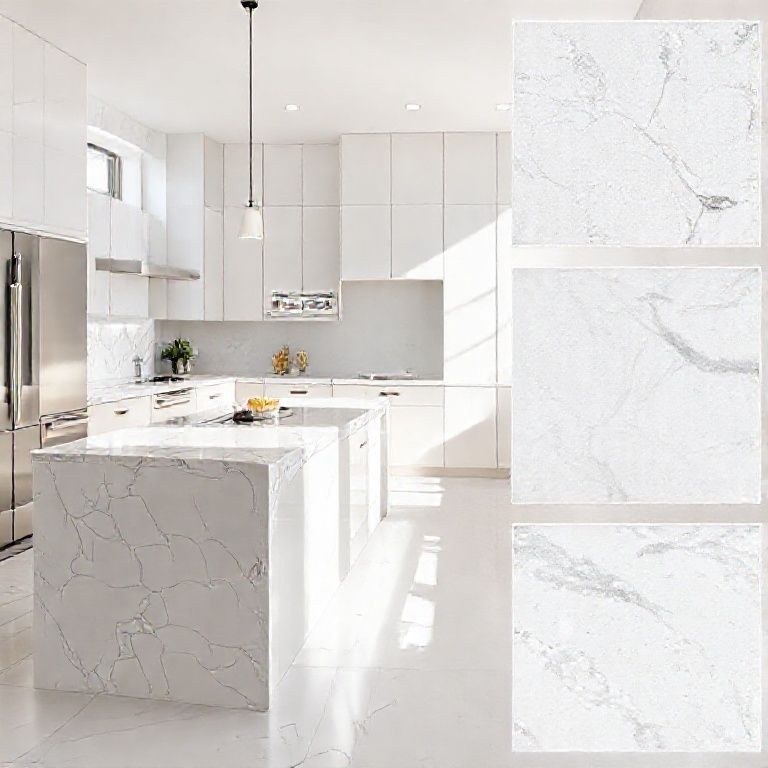
When we talk about “artificial stone,” we’re usually referring to materials like engineered quartz and solid surface. These aren’t simply imitations of natural stone; they are meticulously crafted composites that harness the best qualities of natural elements and modern polymers. Engineered quartz, for instance, is typically made from around 90-95% crushed natural quartz, bound together with resins and pigments. This fusion creates a material that inherits the strength and beauty of quartz while gaining enhanced properties like non-porosity and superior stain resistance. Solid surface materials, on the other hand, are typically made from acrylic or polyester resins combined with mineral fillers. While they offer a different aesthetic and feel, they share the common goal of providing a seamless, durable, and hygienic surface.
So, what’s the typical lifespan of these materials? Generally speaking, you can expect both engineered quartz and solid surface to last for decades, often between 10 to 20 years, and in many cases, even longer. This longevity is not a mere claim; it’s a direct result of their inherent properties and how they are manufactured. Engineered quartz, with its high quartz content, boasts exceptional hardness and scratch resistance. This means that under normal household use, it’s highly unlikely to scratch or chip. Its non-porous nature is another significant factor in its longevity. Unlike natural stones like granite or marble, which can absorb liquids and stains, engineered quartz is virtually impervious to spills. This dramatically reduces the risk of permanent discoloration from common kitchen culprits like wine, coffee, or oil. The resins used in its composition also contribute to its robustness, providing flexibility and impact resistance.
Solid surface materials also offer impressive durability, though their properties differ slightly. While they might be more susceptible to scratching than quartz (though still quite resistant), their major advantage lies in their seamless fabrication. They can be thermoformed into curves and shapes, and seams are virtually invisible, creating a clean, monolithic look. More importantly, scratches and minor damage on solid surfaces can often be repaired and buffed out, effectively restoring the surface to its original pristine condition. This reparability significantly extends their usable life, making them a very long-term investment.
The lifespan of any material, however, isn’t solely determined by its inherent qualities; it’s also a function of care and maintenance. While engineered stone is renowned for its low maintenance, a little attention can go a long way in ensuring it remains beautiful and functional for generations. For engineered quartz, daily cleaning is incredibly simple. A soft cloth with warm water and mild soap is usually all that’s needed to wipe away spills and everyday grime. For tougher spots, a non-abrasive cleaner can be used, but it’s always wise to avoid harsh chemicals like oven cleaners or drain unblockers, which could potentially dull the finish over time. Crucially, while quartz is heat resistant, it’s not heat-proof. Prolonged exposure to extreme heat, especially from hot pots and pans directly placed on the surface, can cause thermal shock, leading to discoloration or even cracking. Using trivets and hot pads is a simple yet effective way to protect your investment and ensure its longevity.
Solid surface materials, while also relatively easy to maintain, benefit from a slightly different approach. Regular cleaning with a damp cloth and mild detergent is effective. For tougher stains or minor scratches, a non-abrasive scrubbing pad (like a Scotch-Brite pad) can be used along with a mild abrasive cleaner. The key here is to understand the material’s properties – its ability to be repaired. If a scratch does appear, or if the surface starts to look a little dull after years of use, a professional can often resurface and polish it, bringing it back to its former glory. This inherent repairability is a significant factor contributing to the extended lifespan of solid surface installations.
The variety available within the realm of artificial stone is another factor contributing to its enduring appeal. Whether you’re drawn to the classic elegance of marble veining, the bold drama of granite patterns, or the clean, minimalist look of solid colors, there’s an engineered stone option to suit every taste and design aesthetic. This versatility means that artificial stone isn’t just a practical choice; it’s a design statement that can evolve with changing trends without compromising on its inherent durability. The ability to mimic the look of natural stone so convincingly, while offering superior performance and often a more predictable pattern, makes it an attractive proposition for homeowners who desire the luxury of natural materials without the associated upkeep challenges. The consistent quality and the wide array of colors and patterns mean that what you see in the showroom is precisely what you get, ensuring that your design vision can be realized with confidence and precision.
Furthermore, the environmental considerations are also worth noting. Many engineered stone products are manufactured using sustainable practices, and the longevity of the material itself contributes to sustainability by reducing the need for frequent replacements. The production processes often incorporate recycled materials, and the durability means less waste generated over the product’s lifecycle. This makes artificial stone not just a beautiful and functional choice, but also a more responsible one in the context of modern eco-conscious living.
In essence, when considering the lifespan of artificial stone, it’s a story of smart material science meeting practical application. It’s about creating surfaces that are not only visually stunning but also built to withstand the rigors of daily life. The combination of carefully selected raw materials, advanced manufacturing techniques, and a thoughtful approach to care and maintenance unlocks a potential for longevity that many natural materials simply cannot match. This makes it a wise investment for anyone looking to add lasting beauty and value to their home.
The visual allure of artificial stone is undeniable, and it’s a primary driver behind its widespread adoption in contemporary interior design. Beyond its impressive lifespan, the sheer diversity and adaptability of these materials allow for an unparalleled range of aesthetic possibilities, transforming ordinary spaces into extraordinary showcases of style and sophistication. This section delves deeper into the visual spectrum of artificial stone, exploring the myriad of looks and textures available and how they can be leveraged to create impactful design statements.
For engineered quartz, the visual palette is incredibly rich. Manufacturers have mastered the art of replicating the intricate patterns and rich colors of natural stones like marble, granite, and onyx. You can find quartz that mimics the dramatic veining of Calacatta marble, the deep, swirling patterns of Absolute Black granite, or the subtle, earthy tones of travertine. But engineered quartz doesn’t stop at imitation. It also offers a vast array of solid colors, from crisp whites and cool grays to vibrant blues and deep blacks, often with subtle flecks or a polished, uniform finish. This allows designers to create sleek, minimalist kitchens or bathrooms with a cohesive and modern feel. The consistency of engineered quartz is a significant advantage here; unlike natural stone where no two slabs are exactly alike, engineered quartz offers predictable patterns and colors, making it easier to achieve a specific look, especially for larger installations or when matching subsequent purchases. The finish itself can also be varied, from a high-gloss polish that reflects light beautifully, to a more subdued matte or honed finish that offers a softer, more tactile experience.
Solid surface materials offer a different, yet equally compelling, visual dimension. Their inherent ability to be seamlessly joined means that countertops, backsplashes, and even integrated sinks can appear as a single, flowing piece of material. This creates an exceptionally clean and modern aesthetic, free from the grout lines and seams that can interrupt the visual flow of other materials. Solid surfaces are also available in a wide spectrum of colors, including many translucent options that can be backlit to create stunning ambient lighting effects. Imagine a reception desk or a bar top that glows from within – this is the kind of dramatic visual statement that solid surfaces can achieve. While they can also mimic the look of natural stone, their strength often lies in their ability to achieve unique, contemporary looks that are difficult or impossible with natural materials. The uniformity of color and texture in solid surfaces can lend a serene and uncluttered feel to a space, making it ideal for environments where a sense of calm and order is desired.
The application of artificial stone extends far beyond countertops. In kitchens, beyond the main work surfaces, it’s frequently used for backsplashes, creating a seamless transition from counter to wall that is both beautiful and incredibly easy to clean. Integrated sinks, crafted from the same material as the countertop, offer a hygienic and visually seamless solution, eliminating the dirt traps often found around traditional sink edges. In bathrooms, artificial stone is a natural fit for vanities, shower surrounds, and even bathtub decks. The non-porous nature of engineered quartz makes it ideal for wet environments, resisting moisture and mildew. Solid surfaces, with their seamless capabilities, can create shower enclosures that appear to be carved from a single block, offering a luxurious and easy-to-maintain bathing experience.
In commercial settings, artificial stone shines with its durability and sophisticated appearance. It’s a popular choice for reception desks, bar tops, restaurant tables, retail displays, and even wall cladding. The ability to withstand heavy use, resist stains, and be easily maintained makes it a practical and attractive option for high-traffic areas. The visual impact of a well-designed artificial stone feature can elevate the entire ambiance of a commercial space, projecting an image of quality and professionalism. For example, a striking reception desk made of a richly veined engineered quartz can immediately impress visitors, setting a high standard for the business.
The interplay of light and artificial stone can also be a powerful design element. The polished finishes of engineered quartz can beautifully reflect natural and artificial light, making spaces feel brighter and more open. As mentioned earlier, the translucency of some solid surface materials opens up possibilities for backlighting, creating a soft, diffused glow that adds warmth and ambiance. This can be particularly effective in creating feature walls, illuminated bar areas, or decorative panels that become focal points in a room.
When considering the visual impact, it’s also important to think about edge profiles and other details. Artificial stone can be fabricated with a variety of edge profiles, from simple, clean eased edges to more decorative bullnose or ogee profiles. These details, while seemingly minor, can significantly influence the overall aesthetic of the installation, allowing for further customization to match the surrounding décor. The precision with which these materials can be cut and shaped also means that intricate designs and custom features are readily achievable.
The sheer range of options means that artificial stone can be adapted to virtually any design style, from ultra-modern and minimalist to more traditional and classic. For those who love the look of natural stone but are concerned about its maintenance or the variability of patterns, engineered quartz offers a perfect compromise. For those seeking a truly seamless and contemporary look, solid surfaces provide unparalleled design freedom. The consistency, durability, and aesthetic versatility of artificial stone ensure that it remains a top choice for designers and homeowners alike, offering a beautiful and lasting foundation for any interior project. The ongoing innovation in this field means that new colors, patterns, and finishes are constantly emerging, ensuring that artificial stone will continue to be at the forefront of interior design trends for years to come. Its ability to blend form and function so seamlessly is its enduring magic.









