
In the dynamic world of interior design and home renovation, the selection of materials often hinges on a delicate balance between aesthetics, functionality, and, crucially, longevity. Among the array of choices available to homeowners and designers alike, artificial stone has emerged as a dominant force, captivating with its versatility, customizable beauty, and, perhaps most intriguingly, its impressive lifespan. The question that frequently arises, echoing through design studios and bustling renovation sites, is a simple yet profound one: “How long can artificial stone really last?” This query isn’t merely about ticking a box; it’s about understanding the inherent value and enduring performance of a material that has revolutionized contemporary living spaces.
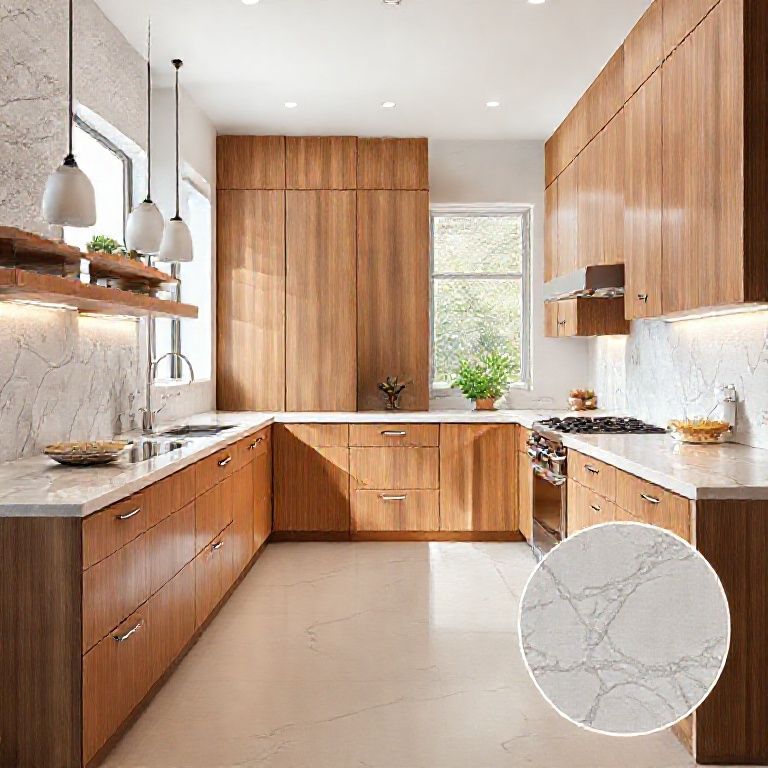
The term “artificial stone” itself encompasses a broad spectrum of engineered materials, each meticulously crafted to mimic the grandeur of natural stone while often surpassing it in practical attributes. Primarily, this category includes engineered quartz and solid surface materials. Engineered quartz, a composite of natural quartz crystals (typically around 90-95%) bound together with resins and pigments, is celebrated for its unparalleled durability, non-porous nature, and resistance to stains, scratches, and heat. Solid surface materials, often acrylic-based, offer a different yet equally compelling set of advantages, including seamless integration, repairability, and a unique tactile quality.
Understanding the lifespan of these materials requires a deep dive into their composition and manufacturing processes. Engineered quartz, for instance, undergoes a rigorous process involving vibrocompression and vacuum technology. This method creates a material that is incredibly dense, meaning it has minimal to no porosity. This inherent density is a primary reason for its remarkable durability. Unlike natural stones like granite or marble, which can be porous and susceptible to staining if not properly sealed, engineered quartz offers a consistently non-reactive surface. This means that spills from wine, coffee, or oil are unlikely to penetrate and leave permanent marks, preserving the material’s pristine appearance over years, even decades, of daily use.
The resins used in the manufacturing of engineered quartz play a vital role in its resilience. These high-performance polymers bind the quartz particles, providing flexibility and impact resistance. While the quartz itself is exceptionally hard, the resin ensures that the slab is not brittle, making it more forgiving to accidental impacts. This combination of hardness and a degree of flexibility translates into a material that can withstand the rigors of a busy kitchen or a high-traffic bathroom without chipping or cracking.
When we talk about the lifespan of engineered quartz, we’re not just talking about its structural integrity; we’re also talking about its aesthetic permanence. The pigments and resins are formulated to resist UV radiation, meaning that the color and pattern of the quartz will not fade or yellow over time, even when exposed to sunlight. This is a significant advantage over some natural stones or laminate materials that can degrade under prolonged light exposure.
The generally accepted lifespan for a high-quality engineered quartz countertop, when properly installed and maintained, is often cited as being upwards of 25 to 50 years, and in many cases, even longer. This figure is not a mere marketing claim; it’s a testament to the material’s inherent properties and the robust manufacturing standards employed by reputable brands. Many manufacturers even offer substantial warranties, often 10-15 years or more, covering manufacturing defects, which further underscores their confidence in the product’s longevity. Of course, actual lifespan can vary depending on usage intensity, the quality of the specific product, and the installation. A countertop in a bustling restaurant kitchen, for instance, will likely experience more wear and tear than one in a lightly used guest bathroom. However, the underlying material properties ensure that even in demanding environments, engineered quartz will retain its functional and aesthetic appeal for an extended period.
Solid surface materials, while different in composition, also boast an impressive longevity, albeit with a slightly different set of characteristics. Typically made from acrylic polymers and mineral fillers, solid surfaces are non-porous by nature, offering similar stain resistance to engineered quartz. Their unique advantage lies in their ability to be thermoformed and seamlessly joined. This means that large surfaces can be created without visible seams, and sinks can be integrated directly into the countertop, creating a smooth, hygienic, and visually cohesive surface.
The repairability of solid surface materials is a key factor contributing to their long-term viability. Minor scratches or scuffs, which might necessitate replacing a countertop made of other materials, can often be buffed out or repaired by a professional, restoring the surface to its original condition. This inherent ability to be renewed means that a solid surface installation can remain looking its best for many years, adapting to minor wear and tear rather than succumbing to it. While direct heat resistance might be lower than engineered quartz, with proper care and the use of trivets, solid surfaces can also last for several decades. Their lifespan is often comparable to engineered quartz, with many installations continuing to perform and impress for 25 years or more. The aesthetic appeal can be maintained through periodic professional refinishing, ensuring that the material continues to be a beautiful and functional element of the home.
The overarching narrative of artificial stone’s lifespan is one of smart engineering and thoughtful material science. It’s a story of taking the best attributes of natural materials and enhancing them with modern technology to create surfaces that are not only beautiful but also remarkably resilient and long-lasting. This makes them an attractive investment for homeowners who are looking for surfaces that will stand the test of time, both aesthetically and functionally, without demanding constant, high-maintenance attention. The enduring allure of artificial stone lies precisely in this promise of sustained beauty and unwavering performance, a promise that is backed by solid material properties and decades of successful application in homes and commercial spaces around the globe.
Continuing our exploration into the impressive longevity of artificial stone, the initial discussion highlighted the inherent durability of engineered quartz and the unique reparability of solid surfaces. These materials, through their sophisticated manufacturing processes and carefully selected components, offer a compelling answer to the question of “how long can artificial stone last?” The answer, in essence, is “for a very, very long time,” but understanding the nuances of their performance and the factors that contribute to their extended lifespan reveals a more detailed and empowering picture for consumers.
Beyond the core material properties, the longevity of artificial stone is significantly influenced by the quality of the fabrication and installation. A skilled fabricator will ensure precise cutting, edge detailing, and proper handling of the slabs to avoid stress points that could lead to cracks. Equally important is the installer’s expertise. A well-installed countertop will be properly supported, particularly at overhangs and cutouts for sinks and cooktops, ensuring that the weight is distributed evenly and minimizing the risk of premature failure. Reputable manufacturers work with certified fabricators and installers, providing an extra layer of assurance for the homeowner. Investing in a product from a well-established brand with a strong track record often means benefiting from superior material consistency and a more robust support network, further contributing to the long-term satisfaction with the material.
Maintenance, as with any material, plays a crucial role in maximizing the lifespan of artificial stone. For engineered quartz, the non-porous nature means that daily cleaning is remarkably simple. A soft cloth with warm water and mild soap is usually sufficient to wipe away spills and maintain the surface’s shine. Harsh chemicals, abrasive cleaners, and scouring pads should be avoided, as they can potentially dull the finish or damage the resin binder over time. While engineered quartz is highly heat-resistant, it’s not entirely impervious to extreme temperatures. Prolonged exposure to direct heat from hot pots or pans can cause thermal shock, leading to discoloration or even cracking. Therefore, using trivets or heat-resistant mats is a wise practice, especially in kitchens where cooking is frequent. Similarly, while highly scratch-resistant, it’s not scratch-proof. Using cutting boards for chopping will protect the surface from sharp knives and prevent minor abrasions that, over time, could affect the aesthetic.
For solid surface materials, the maintenance routine is equally straightforward, with the added benefit of being able to address minor imperfections. Routine cleaning with mild soap and water is recommended. Unlike engineered quartz, solid surfaces generally do not require the use of trivets for hot items, as they possess a greater tolerance for heat. However, extreme and prolonged heat should still be avoided to prevent any potential softening or discoloration. The real magic of solid surfaces lies in their repairability. Light scratches can be easily removed with a soft abrasive cleaner or a fine-grit sandpaper, followed by a polish. For deeper scratches or more significant damage, a professional can often refinish the surface, making it look virtually new again. This ability to rejuvenate the material means that a solid surface installation can remain in excellent condition for an extended period, adapting to the wear and tear of daily life without requiring a complete replacement.
The concept of lifespan in the context of artificial stone also extends beyond mere physical integrity to encompass aesthetic relevance. The diverse range of colors, patterns, and finishes available in both engineered quartz and solid surfaces allows them to seamlessly integrate into evolving design trends. While natural stones can sometimes present unique, unrepeatable patterns that might fall out of favor, engineered materials offer a consistent and controllable aesthetic. Manufacturers continually innovate, introducing new designs that mimic the latest natural stone trends or offer entirely novel looks. This means that an artificial stone countertop installed today is likely to remain stylistically relevant for many years to come, avoiding the need for replacement simply because the design has become dated.
Furthermore, the environmental aspect of longevity is worth considering. By choosing a durable material that is built to last for decades, homeowners are inherently reducing the frequency with which they need to replace their countertops. This translates into less waste generated from discarded materials and a lower overall environmental footprint associated with home renovations. The manufacturing processes for artificial stone have also become increasingly sophisticated, with many producers focusing on sustainable practices and the use of recycled content.
When evaluating the lifespan of artificial stone, it’s important to frame it within the context of a home’s lifecycle. A well-chosen and well-maintained artificial stone countertop can easily outlast the average homeowner’s desire for a kitchen or bathroom remodel. It becomes a stable, enduring element of the home, a reliable surface that performs beautifully day after day, year after year. It’s an investment in quality, in lasting beauty, and in peace of mind. The question isn’t just about how many years the material will physically endure, but how many years it will continue to meet and exceed expectations in terms of appearance, functionality, and ease of care.
In conclusion, the lifespan of artificial stone is not a singular, fixed number but a testament to a confluence of factors: material science, manufacturing excellence, professional installation, and diligent maintenance. Engineered quartz and solid surfaces, when chosen wisely and cared for appropriately, offer a remarkable longevity, often measured in decades rather than years. They represent a smart, sustainable, and aesthetically pleasing choice for modern homes, providing a durable and beautiful foundation for daily life that stands the test of time. The enduring appeal of artificial stone is its promise of lasting value, a promise that is consistently delivered through its robust performance and timeless elegance.









