The Enduring Allure: Unveiling the Longevity of Artificial Marble
The term “artificial marble” often conjures images of sleek, modern surfaces gracing kitchens and bathrooms, promising a blend of aesthetic appeal and practical performance. But as with any material that aims to mimic a natural wonder, a lingering question often surfaces: “Will it fade?” This isn’t just a superficial concern; the enduring beauty of a surface is paramount to its value and the satisfaction it brings to a living space. Fortunately, for those captivated by the allure of marble without the inherent complexities of its natural counterpart, the answer regarding artificial marble’s colorfastness is largely reassuring, though nuanced.
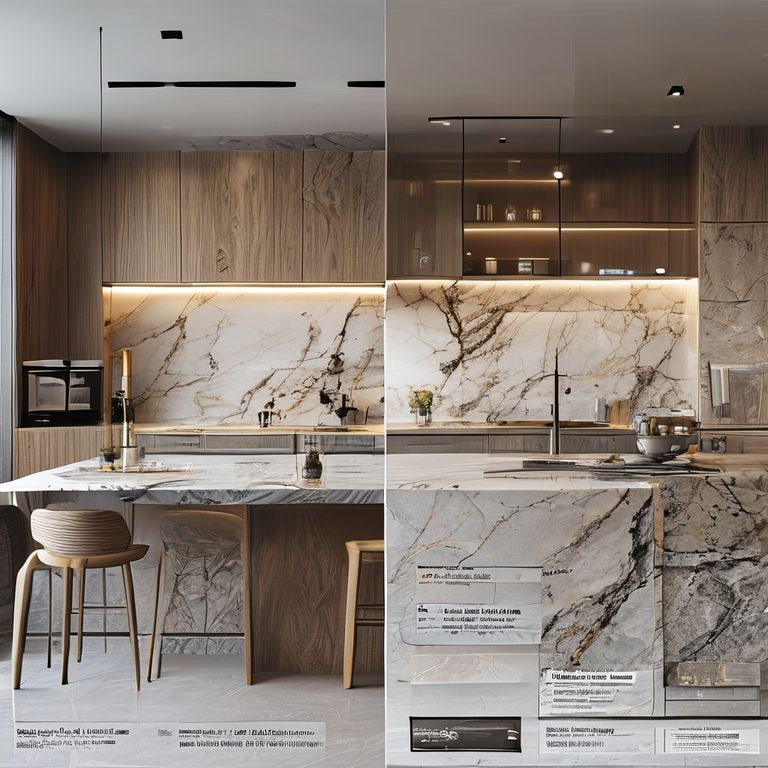
At its core, artificial marble, often a marvel of modern material science, is not a single entity but a category encompassing several innovative products. The most prevalent and perhaps the most misunderstood is quartz composite, also known as engineered stone. This material is a symphony of approximately 90-95% crushed natural quartz, bound together by a small percentage of polymer resins and pigments. The magic lies in the manufacturing process. The quartz, a naturally occurring mineral renowned for its hardness and durability, is pulverized and then mixed with resins and pigments under intense pressure and heat. This process creates a non-porous, highly uniform slab that is then cut and fabricated into the desired shapes – think countertops, backsplashes, and wall cladding.
The pigments used in quartz composite are the key players in its colorfastness. Unlike natural pigments that can be susceptible to degradation from UV light and chemical exposure, the pigments incorporated into quartz composite are engineered for stability. They are deeply integrated within the quartz and resin matrix, making them exceptionally resistant to fading. This is a stark contrast to some natural materials or lower-quality artificial alternatives where pigments might sit on the surface, vulnerable to the slightest environmental assault. The resin binder also plays a crucial role, acting as a protective shield for the pigments, further enhancing their longevity.
Another significant contender in the realm of artificial marble is sintered stone. This material takes the concept of engineered surfaces a step further, mimicking the geological processes that form natural stone but in a compressed timeframe. Sintered stone is created by subjecting a carefully selected blend of minerals, including feldspar, quartz, and metallic oxides, to extreme heat (over 1200°C) and immense pressure. This process causes the mineral particles to fuse together at a molecular level, creating an incredibly dense, hard, and exceptionally non-porous material. The colors and patterns are not merely superficial additions; they are inherent to the material itself, achieved by incorporating mineral pigments directly into the mix before sintering. This intrinsic coloring makes sintered stone remarkably resistant to fading, as the pigments are an integral part of the stone’s structure, rather than an applied layer.
The inherent porosity (or lack thereof) of these materials is a fundamental reason for their impressive color stability. Natural marble, beloved for its unique veining and depth, is a porous material. This porosity means it can absorb liquids, and over time, substances like oils, wine, and certain cleaning agents can penetrate the surface, leading to staining and discoloration. Furthermore, natural marble is sensitive to acidic substances, which can etch the surface, dulling its sheen and altering its appearance. UV light, particularly in direct sunlight, can also contribute to the gradual fading of certain minerals or the discoloration of sealants applied to natural marble.
Artificial marble, particularly quartz composite and sintered stone, is virtually non-porous. This lack of porosity means it resists absorption of liquids and chemicals that could otherwise cause staining or degradation of color. This inherent resistance is a significant advantage for high-traffic areas like kitchens and bathrooms, where spills and exposure to various substances are common. The pigments, protected within the dense matrix of quartz and resin (in the case of quartz composite) or fused into the very fabric of the stone (in the case of sintered stone), are thus shielded from the factors that typically cause fading in other materials.
However, while the resistance to fading is generally very high, it’s not entirely absolute, and understanding the nuances is key to appreciating the material’s true performance. The primary factors that could potentially influence the color of artificial marble over extended periods are extreme and prolonged exposure to direct, intense UV radiation and aggressive chemical agents that are not typically encountered in normal household use. For instance, if a kitchen countertop made of artificial marble were to be positioned directly under a powerful, continuous UV lamp for years, or constantly exposed to harsh industrial solvents, some subtle alteration might theoretically occur. But in the context of a typical residential or commercial interior, such scenarios are exceedingly rare.
The quality of the manufacturing process also plays a role. Reputable manufacturers invest heavily in research and development to ensure the highest quality resins, pigments, and fabrication techniques. This commitment to quality translates into superior colorfastness and overall durability. When selecting artificial marble, opting for products from well-established brands with a proven track record is a sensible approach. These manufacturers often provide warranties that attest to the material’s performance, including its resistance to staining and fading, offering peace of mind for consumers. So, while the question of “will it fade?” is valid, for high-quality artificial marble, the answer is a resounding “highly unlikely under normal conditions,” allowing you to embrace its beauty with confidence.
Continuing our exploration into the enduring appeal of artificial marble, the question of colorfastness is intrinsically linked to the material’s composition and, crucially, its maintenance. While the inherent properties of engineered stone and sintered stone offer remarkable resistance to fading, like any surface intended for longevity and aesthetic satisfaction, a degree of care and understanding of its limitations can further preserve its vibrant appearance for years to come. It’s not about fragility, but rather about respecting the material and maximizing its inherent strengths.
The robust nature of quartz composite and sintered stone means they are incredibly forgiving in daily use. Their non-porous surface is a major advantage when it comes to everyday spills. Coffee, wine, juice, and common kitchen messes are unlikely to penetrate the surface and cause permanent stains. A simple wipe-down with a damp cloth and a mild detergent is typically all that’s needed to keep these surfaces looking pristine. This ease of cleaning directly contributes to color retention, as it prevents the build-up of residues that could, over prolonged periods, potentially interact with pigments or the surface itself.
However, “mild detergent” is a key phrase here. While artificial marble is resistant to many chemicals, it’s not entirely immune to the harsh effects of certain aggressive cleaning agents. Highly acidic or alkaline cleaners, such as strong oven cleaners, drain unblockers, or abrasive powders, can, in extreme or prolonged exposure, potentially dull the surface sheen or, in very rare cases, affect the integrity of the resin binder in quartz composites. While these are unlikely to cause dramatic “fading” in the way a fabric might, they can lead to a loss of luster or subtle surface changes that detract from the overall visual appeal. The pigments themselves are remarkably stable, but the surrounding matrix can be susceptible to damage from such potent chemicals.
Therefore, the recommended approach to cleaning artificial marble is straightforward: opt for gentle solutions. A pH-neutral cleaner, dish soap diluted in water, or even just warm water and a soft cloth are your best allies. For tougher spots, a non-abrasive household cleaner can be used sparingly. It’s always a good practice to wipe down the surface immediately after cleaning to remove any residual cleaning solution. This simple routine ensures that the cleaning process itself doesn’t contribute to any unintended alterations of the surface’s appearance.
Another consideration, though less common in interior applications, is prolonged and intense UV exposure. While the pigments are designed to be fade-resistant, extreme, direct sunlight consistently beating down on the surface for years could theoretically have a subtle effect over a very long timescale. This is more of a concern in outdoor applications or in very specific interior settings where large windows are constantly bathing a surface in direct sunlight without any shade. For most indoor kitchens and bathrooms, where lighting is more diffused or indirect, this is not a significant issue. If you have a sun-drenched conservatory or a room with extensive south-facing windows where artificial marble is installed, it might be prudent to consider window treatments that can filter UV light, just as you would for furniture or artwork to protect them.
When comparing artificial marble to its natural counterpart, the differences in fading potential become even more pronounced. Natural marble, particularly varieties with high calcite content, can be etched by acids, leading to a dulling of the surface that can resemble fading or a loss of vibrancy. Certain minerals within natural marble can also be more susceptible to UV degradation or chemical reactions, causing them to change color over time. While the unique character of natural marble is its charm, this variability also means its appearance can evolve in ways that are not always predictable or desirable for those seeking a consistently pristine look.
Artificial marble, by design, aims to provide that consistent, predictable beauty. The engineered nature of quartz composite and sintered stone means that the colors and patterns are manufactured to be stable and uniform. The pigments are chosen for their lightfastness and chemical resistance. The resin binder in quartz composite adds an extra layer of protection for the pigments, essentially encapsulating them. In sintered stone, the colors are part of the mineral fusion process, making them exceptionally resilient. This controlled manufacturing process is what gives artificial marble its superior resistance to fading compared to many natural stones.
So, how do you ensure your artificial marble remains as stunning as the day it was installed? It boils down to a few key principles:
Choose quality: Opt for reputable brands and materials known for their durability and colorfastness. Look for warranties that speak to the material’s performance. Clean gently: Stick to mild detergents and avoid harsh chemicals, abrasive cleaners, and excessive scrubbing. Wipe up spills promptly. Be mindful of extreme heat: While artificial marble is heat-resistant, placing extremely hot pots and pans directly on the surface can cause thermal shock, leading to discoloration or even cracks. Use trivets or hot pads. Consider UV exposure: For areas with prolonged, intense direct sunlight, take precautions like using blinds or curtains to filter UV rays, although this is rarely a significant concern for typical indoor use. Avoid heavy impacts: While very durable, any material can be damaged by sharp, heavy impacts.
In essence, artificial marble is engineered for a life of beauty and low maintenance. Its resistance to fading is one of its most compelling attributes, allowing homeowners and designers to enjoy the luxurious aesthetic of marble with the confidence that its color will remain vibrant. By understanding its composition and following simple care guidelines, you can ensure that your chosen artificial marble surfaces continue to be a source of enduring visual delight, a testament to the harmonious blend of nature’s inspiration and human innovation.