
The allure of a beautifully crafted countertop or a flawlessly designed accent wall is undeniable. For decades, homeowners and designers have gravitated towards materials that offer both aesthetic appeal and robust functionality. Among these, artificial stone, often referred to as engineered stone or solid surface, has carved out a significant niche, prized for its consistent appearance, wide range of colors and patterns, and, importantly, its impressive lifespan. But when we talk about “artificial stone,” what exactly are we referring to, and how long can we truly expect this versatile material to grace our homes? This isn’t just about a number; it’s about understanding the intrinsic qualities that contribute to its longevity, making it a wise investment for any space.

At its core, artificial stone is a product of human ingenuity, meticulously engineered to mimic the beauty of natural stone without its inherent variability and potential weaknesses. The most prevalent forms are quartz-based engineered stone and solid surface materials, each with distinct compositions and properties that influence their durability. Quartz countertops, for instance, are a formidable composite, typically made from around 90-95% ground natural quartz crystals, bound together with polymer resins and pigments. This high concentration of quartz, one of the hardest minerals on Earth, is the primary reason for its exceptional resilience. The manufacturing process subjects these components to intense pressure and vibration, creating a non-porous, incredibly dense material that is far less susceptible to staining, scratching, and chipping than many natural stones like granite or marble. The resins, while a smaller percentage of the overall material, play a crucial role in binding the quartz particles and providing flexibility, preventing the brittleness that can sometimes plague natural materials. The result is a surface that stands up remarkably well to the rigors of daily life in a busy kitchen or bathroom.
Solid surface materials, on the other hand, often comprise a blend of acrylic polymers or polyester resins and a filler material, usually aluminum trihydrate (ATH), derived from bauxite ore. While not as inherently hard as pure quartz, solid surface offers a unique set of advantages. Its primary strength lies in its seamless nature. Because it can be thermoformed and joined with invisible seams, it creates a fluid, unbroken surface that is inherently hygienic and aesthetically pleasing. The non-porous nature of solid surface means it resists stains and bacteria exceptionally well. Furthermore, its repairability is a significant factor in its long-term viability. Minor scratches or surface damage can often be buffed out or repaired by a professional, effectively restoring the surface to its original condition, extending its usable life far beyond what might be expected from other materials.
So, when we pose the question, “How many years does artificial stone generally last?”, the answer is not a single, definitive figure, but rather a range, heavily influenced by the type of artificial stone and the care it receives. For high-quality quartz countertops, it’s not uncommon to see them last for 20 to 30 years, and often much longer. Many manufacturers even back their products with impressive warranties, some extending to 25 years or even a lifetime, speaking volumes about their confidence in the material’s durability. This longevity is a testament to the inherent properties of quartz: its resistance to UV light, which prevents fading; its thermal shock resistance, allowing it to withstand moderate temperature fluctuations; and its extreme hardness, which makes it resistant to everyday wear and tear. Think about it: a well-maintained quartz countertop in a family kitchen, subjected to chopping, cooking, and the occasional dropped pan, can easily see multiple generations of use without showing significant signs of aging.

Solid surface materials, while perhaps not possessing the same unyielding hardness as quartz, also boast an impressive lifespan, often in the 15 to 25-year range, and again, potentially much longer. Their longevity is significantly boosted by their repairability. A ding on a natural stone edge might be a permanent blemish, but on a solid surface, it can often be meticulously repaired, making the surface look as good as new. This ability to be rejuvenated means that rather than replacing a surface due to cosmetic issues, it can be maintained and enjoyed for an extended period. The seamless installation also contributes to its lifespan by preventing water ingress into vulnerable joints, a common point of failure in less advanced materials. This inherent resistance to moisture and staining, coupled with the ability to be restored, makes solid surface a remarkably enduring choice for bathrooms, kitchens, and even commercial applications where constant use is a given.
Ultimately, the lifespan of artificial stone is a fascinating interplay between its engineered composition, the quality of its manufacturing, and the conscientious care it receives. It’s a material designed for the modern world, offering a blend of beauty and brawn that promises enduring value.
Beyond the inherent material science and manufacturing processes that contribute to the impressive lifespan of artificial stone, several external factors significantly influence how long these surfaces truly last. Think of it like owning a fine automobile; while the engineering is top-notch, regular maintenance and responsible driving habits are crucial for maximizing its longevity. For artificial stone, this translates into understanding its strengths and limitations, and applying best practices in its use and care.
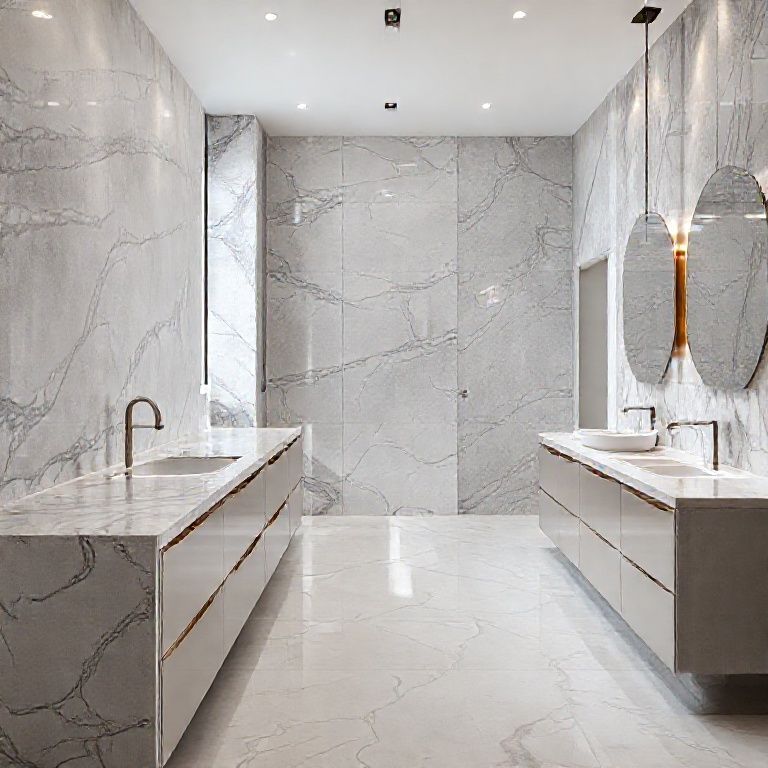
One of the most impactful factors is quality of installation. A flawless material can be compromised by poor installation. For instance, if a quartz countertop isn’t properly supported, especially in areas with large overhangs, it can be more susceptible to cracking under stress. Similarly, improper sealing (though often unnecessary for quartz and solid surface) or inadequate expansion gaps in large installations can lead to issues over time. Reputable fabricators and installers who understand the specific properties of the artificial stone they are working with are paramount. They ensure the material is cut accurately, edges are finished correctly, and the installation is structurally sound, laying the foundation for decades of trouble-free use. A professional installation is an investment that pays dividends in terms of both performance and lifespan.
Environmental conditions also play a role, though artificial stone is generally very resilient. While quartz is highly resistant to UV rays, prolonged, direct, intense sunlight exposure over many years could theoretically lead to some slight fading or discoloration in certain pigmentations. This is more of a concern in areas with extreme sun exposure or in outdoor applications without protection. Solid surface, particularly those with darker pigments, might also exhibit minor surface changes over extended periods of intense UV exposure. However, for typical indoor residential settings, this is rarely a significant issue. Temperature is another consideration. While artificial stone can withstand moderate temperature fluctuations, extreme and sudden changes (thermal shock) can potentially cause damage. For example, placing a red-hot pan directly from a very high oven onto a cool countertop could, in rare cases, cause a localized crack or fissure. It’s always advisable to use trivets or hot pads for extremely hot items, regardless of the countertop material, to protect its integrity and prolong its life.
Usage and maintenance are arguably the most direct contributors to an artificial stone surface’s lifespan. Artificial stone, particularly quartz, is prized for its low maintenance. Its non-porous nature means it doesn’t require regular sealing, unlike natural stones like granite or marble, which need periodic resealing to prevent staining. For everyday cleaning, a soft cloth with warm water and a mild, non-abrasive detergent is usually sufficient. Wiping up spills promptly, especially acidic ones like lemon juice or vinegar, will prevent any potential etching or discoloration, although these are far less likely with engineered stone than with softer natural stones. Avoiding harsh chemicals, abrasive cleaners, and scouring pads is crucial. These can dull the finish, scratch the surface, or even damage the resin binders in engineered stone over time. For solid surface, while it’s also very forgiving, using abrasive cleaners can potentially remove the protective top layer or create micro-scratches that become more noticeable over time. Regular, gentle cleaning will ensure the surface remains pristine.

The quality of the artificial stone itself is, of course, a foundational element. Not all artificial stones are created equal. Higher-end brands and products manufactured with superior resins and a higher percentage of quartz typically exhibit greater density, strength, and resistance to wear and tear. These premium materials are often accompanied by more comprehensive warranties, signaling the manufacturer’s confidence in their product’s longevity. When selecting artificial stone, it’s wise to research reputable brands, understand the material composition, and inquire about the warranty offered. This due diligence can significantly impact the long-term performance and lifespan of your chosen surface.
Finally, user behavior and repairability are key. While artificial stone is durable, it’s not indestructible. Avoiding deliberate abuse, such as using a countertop as a cutting board (which will dull even the hardest surfaces and potentially scratch), or excessive force on edges, will prevent premature damage. For solid surface, the ability to repair minor scratches or chips is a massive advantage in extending its lifespan. If a small scratch occurs, a professional can often buff it out, restoring the surface. For quartz, while it’s much harder to scratch, significant impacts can cause chips, which can be repaired by specialists, though often the repair might be visible. Understanding the repair options available for your specific type of artificial stone can help you address minor issues before they become major problems, further extending the material’s usable life.
In essence, the “lifespan” of artificial stone isn’t a fixed expiration date but a dynamic outcome influenced by a combination of excellent engineering, quality installation, responsible usage, and diligent, yet simple, maintenance. When these elements align, artificial stone stands as a testament to enduring beauty and functionality, a material that can confidently be expected to enhance homes for generations to come.









