
The world of interior design is a constantly evolving landscape, where trends ebb and flow like the tides. Yet, amidst this perpetual flux, certain materials possess an intrinsic ability to stand the test of time, offering both aesthetic appeal and remarkable durability. Man-made stone, often referred to as engineered stone or quartz surfaces, has firmly cemented its place as one such enduring material. It’s a testament to human ingenuity, a creation that harnesses the raw beauty of natural stone while enhancing its performance and longevity. But what exactly is the lifespan of this versatile material? How many years can you expect your man-made stone countertops or surfaces to grace your home with their presence? The answer, much like the material itself, is multifaceted and deeply satisfying.

When we talk about the lifespan of man-made stone, we’re not just referring to its structural integrity. We’re also talking about its ability to maintain its visual appeal, its color vibrancy, and its overall pristine condition over years, even decades, of daily use. Unlike its natural counterparts, which can be susceptible to staining, scratching, and etching from common household acids, man-made stone is engineered for superior performance. This is largely due to its composition: a carefully curated blend of natural quartz crystals (typically around 90-95%) bound together with polymer resins and pigments. This fusion creates a non-porous surface that is inherently resistant to a wide array of everyday challenges.
On average, you can expect high-quality man-made stone surfaces to last anywhere from 20 to 30 years, and often much longer. This is a significant investment, and the longevity of the material is a key reason why it continues to be a preferred choice for homeowners, designers, and architects alike. Think about it: a well-maintained quartz countertop can easily see you through multiple kitchen renovations, remain a stylish centerpiece for your family’s gatherings, and still look as good as the day it was installed. This kind of enduring appeal translates to excellent value for money and a reduced need for frequent replacements, making it an environmentally conscious choice as well.
However, the “lifespan” isn’t a rigid expiration date. It’s more of a continuum influenced by a constellation of factors. The quality of the manufacturing process plays a pivotal role. Reputable brands invest heavily in advanced technology and stringent quality control, ensuring a dense, uniform, and durable product. Lower-quality, less reputable brands might compromise on the resin content or the uniformity of the quartz particles, potentially leading to surfaces that are more prone to wear and tear over time. Therefore, opting for well-established manufacturers with a proven track record is a crucial step in maximizing the lifespan of your man-made stone.

The intended use of the surface is another significant determinant. A kitchen countertop, for instance, will experience more intense daily use – chopping, spills, heat, and cleaning – than a bathroom vanity or a wall cladding. While man-made stone is remarkably resilient, prolonged and extreme exposure to certain conditions can, over a very long period, impact its appearance. For example, while quartz is highly heat-resistant, placing extremely hot pots and pans directly from the stovetop or oven onto the surface without a trivet can, in rare cases, cause thermal shock, leading to discoloration or even cracking. Similarly, while resistant to most common stains, aggressive chemicals or prolonged contact with highly staining substances (though unlikely to penetrate) could, over extended periods, affect the surface finish.
Furthermore, the installation process itself is paramount. A professional and precise installation ensures that the stone is properly supported, expansion gaps are accounted for, and the material is not subjected to undue stress. Improper installation can lead to issues down the line, such as cracking or chipping, which can shorten the perceived lifespan and necessitate repairs or premature replacement. A skilled installer understands the nuances of the material and how to handle it to ensure its longevity.
The care and maintenance practices employed by the homeowner are arguably the most direct influence on the material’s enduring beauty. Fortunately, man-made stone is celebrated for its low maintenance requirements. Regular cleaning with mild soap and water or a non-abrasive household cleaner is usually all that’s needed to keep it looking its best. Avoiding harsh chemicals, abrasive scouring pads, and extreme temperature fluctuations are simple yet effective ways to preserve its integrity. For those who embrace these straightforward practices, the 20-30 year mark, and beyond, becomes not just a possibility, but a very probable reality. It’s a testament to the material’s inherent resilience and the simple wisdom of treating your surfaces with a modicum of care. In essence, man-made stone offers a harmonious blend of nature’s strength and human innovation, designed to bring lasting beauty and functionality to your living spaces for generations.
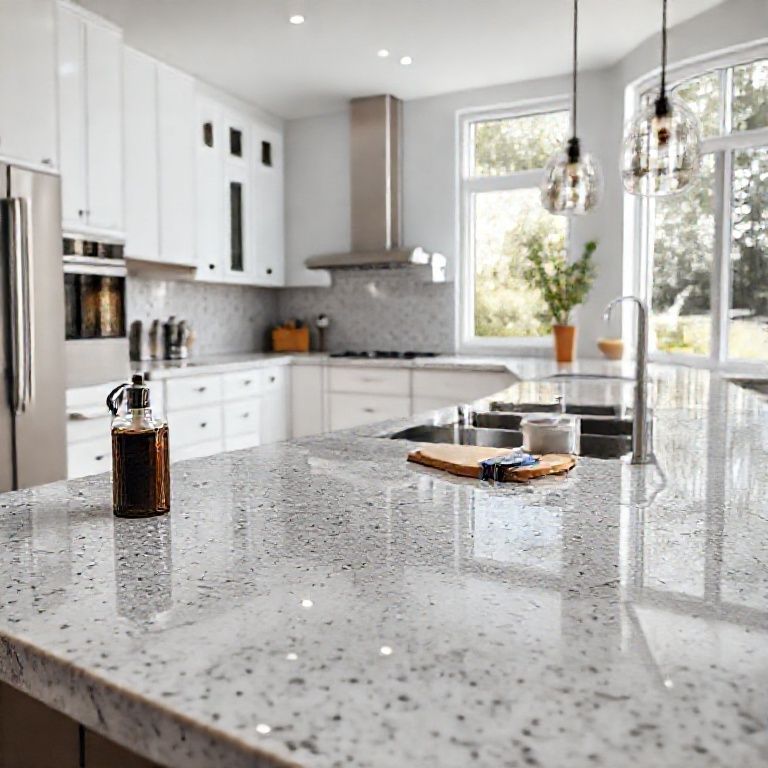
Continuing our exploration into the enduring charm of man-made stone, we’ve established that its typical lifespan of 20 to 30 years, and often much more, is a significant draw for consumers. This impressive longevity is not merely a statistic; it’s a promise of sustained beauty and performance that underpins its popularity in a wide array of applications, from the bustling heart of a kitchen to the tranquil sanctuary of a bathroom. Now, let’s delve deeper into why this material is so durable and what specific qualities contribute to its remarkable staying power, essentially painting a more vivid picture of its “years of service.”
The secret sauce, as it were, lies in its engineered composition. Natural quartz, a mineral known for its exceptional hardness and crystalline structure, forms the backbone of these surfaces. In fact, quartz is one of the hardest minerals on Earth, ranking a 7 on the Mohs scale of hardness, second only to diamond. This inherent hardness is the primary reason why man-made stone is so resistant to scratches and abrasion. Imagine a busy kitchen where knives are being used, pots and pans are being slid across surfaces, and daily life unfolds with energetic activity. A quartz surface can withstand this onslaught with remarkable grace, retaining its smooth, unblemished finish far better than many natural stones or laminate alternatives.
The binding agents, the polymer resins, are not mere fillers. They are carefully selected and formulated to create a robust matrix that holds the quartz crystals together, filling any micro-voids and ensuring a cohesive and impermeable surface. This resinous component is what imbues man-made stone with its non-porous nature. Unlike natural granite or marble, which have microscopic pores that can absorb liquids, leading to staining and the potential for bacterial growth, engineered stone is virtually impervious. This means that spills from wine, coffee, juice, or oil are easily wiped away, leaving no trace. This resistance to staining is a cornerstone of its long-term aesthetic appeal. Think about the peace of mind that comes with knowing a glass of red wine spilled during a lively dinner party won’t permanently mar your beautiful countertops.
Furthermore, the manufacturing process allows for a high degree of control over the material’s properties. Pigments are integrated directly into the mixture, ensuring that the color is consistent throughout the slab and is highly resistant to fading from UV exposure. This means that a man-made stone surface placed near a window won’t lose its vibrancy over time, unlike some painted or treated materials. The consistency of the color and pattern also means that repairs, if ever needed (which are rare), can often be more seamlessly integrated compared to natural stone, where variations in the veining can make patching conspicuous.
The non-porous quality also extends to hygiene. In kitchens and bathrooms, where cleanliness is paramount, a non-porous surface is a significant advantage. It prevents the absorption of moisture and liquids, thus inhibiting the growth of mold, mildew, and bacteria. This makes man-made stone an exceptionally sanitary choice, contributing to a healthier living environment. This inherent resistance to biological growth means that the surface remains hygienic and easy to clean throughout its extensive lifespan, further enhancing its value and appeal.
While we’ve discussed the importance of care, it’s worth reiterating that the “long life” of man-made stone is a partnership. While the material is inherently durable, simple practices amplify its longevity. For instance, while heat resistant, using trivets and hot pads is a prudent habit that protects the resinous binders from extreme thermal shock. Similarly, while stain-resistant, prompt cleanup of spills prevents any potential, albeit unlikely, surface interaction. Avoiding abrasive cleaners and tools prevents micro-scratches that, over years, could dull the surface’s sheen. These are not demanding rituals, but rather mindful habits that ensure the material continues to perform and impress for decades.
Consider the cumulative effect of these properties: exceptional hardness, non-porosity, resistance to staining and fading, and hygienic qualities. When these are combined with professional installation and basic care, the result is a surface that not only looks good but is good, for an exceptionally long time. This is why man-made stone has become a go-to material for discerning homeowners who are looking for both immediate aesthetic impact and a lasting investment. It’s a material that offers the best of both worlds: the captivating beauty of natural stone, enhanced with the superior performance and durability that modern engineering can provide, ensuring it remains a cherished part of your home for a significant portion of your life.









