
The allure of stone in interior design is undeniable. It speaks of timeless elegance, robust durability, and an inherent connection to the earth’s artistry. For centuries, architects and designers have harnessed the power of natural stone to create spaces that are both breathtaking and enduring. Think of the majestic marble columns of ancient Rome, the rich granite of a grand fireplace, or the intricate patterns of travertine that whisper tales of faraway lands. Natural stone, in its purest form, offers a singular beauty, a testament to the slow, deliberate processes of geological formation. Each slab is a unique masterpiece, a canvas painted by time and pressure, showcasing veins, flecks, and color variations that can never be perfectly replicated. This inherent individuality is precisely what elevates natural stone to a realm of premium luxury. The subtle shifts in hue, the unpredictable dance of mineral inclusions, the cool, smooth touch against the skin – these are the sensory experiences that define the authentic character of materials like Carrara marble, Black Galaxy granite, or Patagonia quartzite.

However, the modern world, with its demand for consistency, predictability, and enhanced performance, has given rise to a formidable contender: man-made stone. Often referred to as engineered stone, quartz surfaces, or composites, these materials are the product of human ingenuity, meticulously crafted to mimic the aesthetic appeal of their natural counterparts while often surpassing them in practical functionalities. Through advanced manufacturing processes, natural stone particles (most commonly quartz) are bound together with resins, polymers, and pigments. This fusion allows for an unprecedented level of control over the final product. Color palettes can be expanded beyond the earth’s offerings, patterns can be precisely engineered for uniformity, and performance characteristics like stain resistance, scratch resistance, and non-porosity can be significantly amplified. Brands like Silestone, Caesarstone, and Cambria have become synonymous with this new era of stone, offering surfaces that are not only visually stunning but also remarkably low-maintenance, a significant draw for busy households and commercial spaces alike.
The question of which is “more expensive” – man-made or natural stone – is far from a simple dichotomy. It’s a complex interplay of factors, including the specific type of stone, its rarity, its origin, the manufacturing processes involved, and ultimately, the perceived value. Let’s delve into the heart of this debate.
When we talk about natural stone, the price spectrum is vast and often dictated by the inherent beauty and scarcity of the material. Take, for instance, granite. While some common granite varieties might be relatively affordable, rivaling the cost of high-end engineered quartz, rarer and more exotic granites, with their dramatic veining and unique color combinations, can command significantly higher prices. These are the statement pieces, the materials that turn a kitchen island into a work of art, and their cost reflects their exceptional visual impact and limited availability.
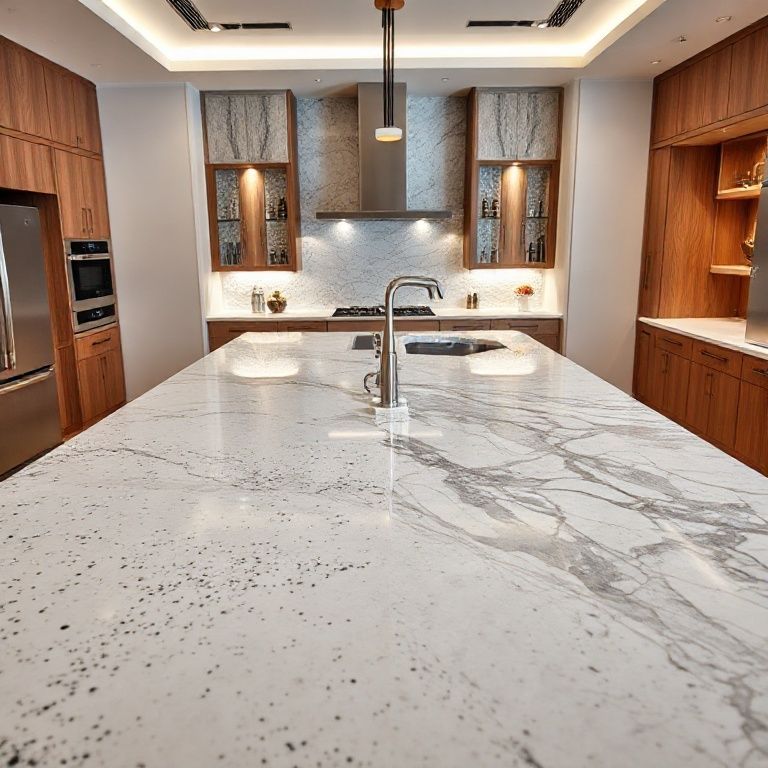
Marble, another beloved natural stone, presents a similar price stratification. Classic white marbles like Carrara and Calacatta are highly sought after for their sophisticated aesthetic. Calacatta, with its bolder, more dramatic veining, is typically more expensive than the finer, more subtle veining of Carrara. Then there are the truly exotic marbles, often sourced from remote quarries, boasting intricate patterns and rare mineral compositions, which can reach astronomical price points. These are not merely surfaces; they are geological treasures.
The cost of natural stone is also influenced by its quarrying and processing. Difficult-to-access quarries, labor-intensive extraction, and specialized finishing techniques all contribute to the final price tag. Furthermore, the transportation costs for these heavy, bulky materials can be substantial, especially for stones imported from distant regions.
Engineered quartz, while manufactured, also has a pricing structure that reflects quality and design. High-end quartz brands often use premium resins and pigments, and their design collections can be quite sophisticated, emulating the most coveted natural stone patterns with remarkable fidelity. These premium quartz options can indeed be as expensive, if not more so, than mid-range to upper-mid-range natural stones. The consistency in color and pattern that engineered quartz offers is a major selling point for many, as it guarantees a predictable and flawless outcome, eliminating the risk of a natural stone slab having unexpected flaws or undesirable variations.

However, it’s also true that many standard engineered quartz options are competitively priced and can be more budget-friendly than many popular natural stones. The mass production and efficiency of manufacturing processes allow for economies of scale, which can translate into more accessible pricing for a wide range of consumers. This is where the “man-made is cheaper” notion often gains traction – for a similar aesthetic, one might find engineered quartz to be a more economical choice.
The perceived value is another crucial element. Natural stone carries an aura of authenticity and history. Its uniqueness is its selling point, a tangible connection to the earth that many consumers find invaluable. This intrinsic value, coupled with the effort and cost associated with sourcing and processing rare geological formations, can justify higher price tags. Engineered stone, on the other hand, derives its value from its performance, consistency, and the technological innovation behind it. It’s the triumph of human engineering, offering a reliable and often superior functional experience.
When considering a kitchen renovation or a new build, the decision between man-made and natural stone is often a delicate balance between desire and practicality, aesthetics and budget. Both offer compelling arguments, and the “more expensive” label depends heavily on the specific materials being compared. The true luxury, however, lies in understanding these nuances and selecting the material that best aligns with your vision, lifestyle, and investment goals.
Moving beyond the initial price tag, a comprehensive evaluation of man-made versus natural stone necessitates a deeper dive into their performance characteristics, long-term value, and the subtle, yet significant, differences in their aesthetic impact. While the cost can fluctuate, the inherent qualities of each material offer distinct advantages and disadvantages that can profoundly influence your decision.
Durability is often a primary concern for homeowners, especially when it comes to high-traffic areas like kitchen countertops. Here, engineered quartz often shines. Its non-porous nature is a game-changer. Unlike many natural stones, particularly granite and especially marble, quartz surfaces do not absorb liquids. This means they are highly resistant to stains from coffee, wine, oil, and other common kitchen culprits. Spills can be wiped away with ease, leaving no trace. Furthermore, the resins used in their construction make them incredibly hard and resistant to scratching and chipping. This makes them an ideal choice for busy families and those who demand a low-maintenance, robust surface that can withstand the rigors of daily life without showing wear and tear.
Natural stones, while beautiful, often require more diligent care. Granite, while generally durable, is porous and needs to be sealed regularly (typically annually or biannually) to prevent staining. If not properly sealed, spills can penetrate the stone, leaving permanent marks. Marble, renowned for its elegance, is notoriously softer and more porous than granite. It is highly susceptible to etching from acidic substances like lemon juice, vinegar, and even certain cleaning products. A beautiful marble countertop can quickly develop a dull, matte appearance if not treated with the utmost care. While some appreciate the patina that develops on marble over time, a sign of its use and history, others find it to be a significant drawback.
When it comes to heat resistance, natural stones generally perform very well. Granite and quartzite are particularly adept at withstanding the heat from pots and pans, although using trivets is always a good practice to prolong their pristine condition. Engineered quartz, while quite heat-resistant, can be damaged by extreme temperatures. The resins can scorch or discolor if hot pans are placed directly on the surface for extended periods. This is a crucial consideration for those who frequently cook and move hot dishes.
Aesthetically, the debate is entirely subjective, a matter of personal taste and desired outcome. Natural stone offers an unparalleled depth and complexity that is difficult to replicate. The unique patterns, the subtle variations in color, the sheer individuality of each slab – these are qualities that resonate with those who seek a truly bespoke and organic feel in their homes. A book-matched marble slab, where two slabs are cut and opened like a book to reveal a symmetrical, mirror-image pattern, is a stunning example of the artistry that natural stone can offer. It’s a conversation starter, a piece of natural art that brings a sense of timeless grandeur to any space.
Engineered quartz, on the other hand, excels in its consistency and predictability. If you envision a specific look – a pure white surface with subtle grey veins, for example – engineered quartz can deliver that precisely, every time. This uniformity is a boon for designers and homeowners who want a cohesive and controlled aesthetic. Furthermore, the technological advancements in quartz manufacturing mean that designs can now mimic a vast array of natural stones with remarkable accuracy, offering options that might be too rare, too expensive, or even non-existent in nature. The ability to create perfectly uniform patterns across multiple slabs ensures that a large island or a lengthy countertop will present a seamless, cohesive visual.
The long-term value proposition is another area where opinions diverge. Natural stone, particularly rare and exotic varieties, can be seen as an investment. Its timeless appeal and intrinsic beauty are less susceptible to design trends. A well-maintained marble or granite countertop can enhance a home’s value and appeal for decades. However, the potential for damage from etching or staining, if not properly managed, can detract from this value.
Engineered quartz, with its superior durability and low maintenance, offers a different kind of long-term value. It’s the value of peace of mind, of a surface that requires minimal effort to keep looking its best. This can be particularly appealing in rental properties or for individuals who prefer a more hands-off approach to home maintenance. While some engineered quartz designs might eventually fall out of fashion, the material itself is built to last. Its resistance to wear and tear means it will likely remain in excellent condition for many years.
Ultimately, the choice between man-made and natural stone is a personal one, a reflection of priorities and preferences. If unparalleled, unique beauty and a connection to geological history are paramount, and you are prepared for the care and maintenance that comes with it, natural stone may be your calling. If you prioritize low maintenance, consistent aesthetics, and superior stain and scratch resistance for a busy lifestyle, engineered quartz offers a compelling and often more practical solution. The “more expensive” label is a shifting target, but understanding the inherent value, performance, and aesthetic nuances of each material empowers you to make an informed decision that will grace your home with beauty and functionality for years to come.









