
The quest for the perfect surface material is akin to an alchemist’s pursuit – a blend of science, artistry, and practicality, all culminating in a final product that not only endures but elevates the space it inhabits. In the realm of interior design, two contenders consistently capture attention: the seemingly seamless wonder of solid surface, often represented by brands like Corian, and the timeless, versatile charm of ceramic. This isn’t merely a choice between two materials; it’s a philosophical leaning towards different design principles, a weighing of priorities, and an exploration of how form and function intertwine.

Let’s begin our deep dive with solid surface, a material that has revolutionized contemporary design with its inherent ability to create a sense of unbroken continuity. Think of a kitchen island that flows without a single visible seam, a bathroom vanity that curves elegantly into a seamless sink, or a reception desk that exudes a modern, almost liquid aesthetic. This is the magic of solid surface. Its composition, typically a blend of acrylic polymers and mineral fillers, allows it to be thermoformed into virtually any shape imaginable. This inherent malleability is its superpower, offering designers a boundless canvas for creativity.
The appeal of solid surface extends beyond its shapeshifting capabilities. Its non-porous nature is a significant advantage, particularly in high-traffic areas like kitchens and bathrooms. This means that spills, be they red wine, coffee, or soap scum, tend to sit on the surface rather than seeping in. This inherent resistance to staining simplifies cleaning and significantly reduces the risk of bacterial growth, making it a hygienic choice for busy households. Furthermore, solid surface is repairable. A scratch, a chip, or even a burn can often be sanded out and buffed back to its original glory, a testament to its durable and restorative qualities. This ability to “heal” itself over time can be a compelling factor for those seeking a material that maintains its pristine appearance with proper care.
The visual landscape offered by solid surface is equally compelling. Available in an astonishing array of colors, patterns, and textures, it can mimic the appearance of natural stone, wood, or even abstract artistic expressions. The seamless integration is a key differentiator, allowing for a fluid transition between countertop and backsplash, or the creation of integrated sinks that are indistinguishable from the surrounding material. This creates a minimalist, uncluttered aesthetic that is highly sought after in modern and contemporary interiors. The tactile experience is also worth noting; solid surface tends to be warmer to the touch than many stone alternatives, contributing to a more inviting atmosphere.
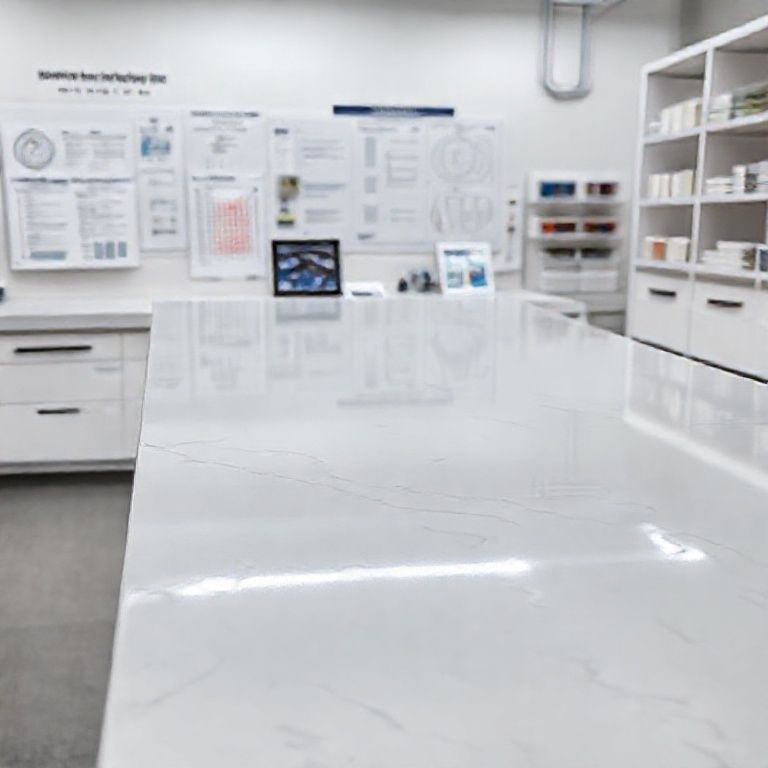
However, like any material, solid surface has its considerations. While durable, it is not impervious to damage. High heat, particularly from hot pans directly placed on the surface, can cause discoloration or even melting. Likewise, sharp objects can cause scratches that, while repairable, still require attention. The cost can also be a factor, with premium solid surface options often falling into a higher price bracket, especially when complex designs or integrated features are involved. Installation also requires specialized knowledge and tools to ensure those seamless transitions and integrated elements are executed flawlessly, which can influence labor costs.
Despite these nuances, the allure of solid surface, particularly brands like Corian, lies in its promise of a truly bespoke and integrated design. It’s a material that speaks the language of modern living, prioritizing hygiene, seamless aesthetics, and a degree of design freedom rarely found in other materials. It’s the choice for those who envision a space that is both visually striking and functionally sophisticated, where the surfaces themselves become an integral part of the artistic narrative.
Transitioning from the fluid artistry of solid surface, we arrive at the venerable world of ceramic. Ceramic, in its many forms, has adorned our homes and buildings for millennia, a testament to its enduring appeal and remarkable versatility. From ancient pottery to intricate tile work, its history is deeply intertwined with human civilization. In the context of modern surfaces, particularly countertops and wall tiles, ceramic offers a compelling alternative, bringing its own unique set of strengths and aesthetic qualities to the table.
At its core, ceramic is crafted from clay, which is then fired at high temperatures. This process results in a material that is incredibly hard, dense, and inherently durable. Think of a well-worn ceramic tile floor that has withstood decades of foot traffic, or a ceramic sink that still looks fantastic after years of daily use. This longevity is a hallmark of ceramic. Its resistance to heat is also a significant advantage. Unlike solid surface, many ceramic materials can withstand direct contact with hot cookware without sustaining damage, offering a degree of freedom in the kitchen that many homeowners appreciate.
The non-porous nature of glazed ceramic is another crucial benefit. Similar to solid surface, this means it’s highly resistant to staining and, importantly, to moisture. This makes ceramic an excellent choice for bathrooms, especially shower walls and floors, where its resistance to water and mildew is invaluable. Cleaning is generally straightforward; a simple wipe-down is often all that’s needed to maintain its pristine appearance. The hardness of ceramic also translates to excellent scratch resistance, meaning daily wear and tear is less likely to leave its mark compared to softer materials.
The aesthetic spectrum of ceramic is vast, offering a rich tapestry of possibilities. Ceramic tiles come in an almost infinite variety of colors, patterns, sizes, and finishes. From the intricate designs of patterned encaustic tiles to the sleek, minimalist look of large-format porcelain slabs, ceramic can adapt to virtually any design style. It can convincingly mimic the look of natural stone, wood, or even concrete, offering a more budget-friendly and often more practical alternative to the real thing. The grout lines, while sometimes seen as a maintenance consideration, can also be incorporated into the design, adding texture and visual interest.
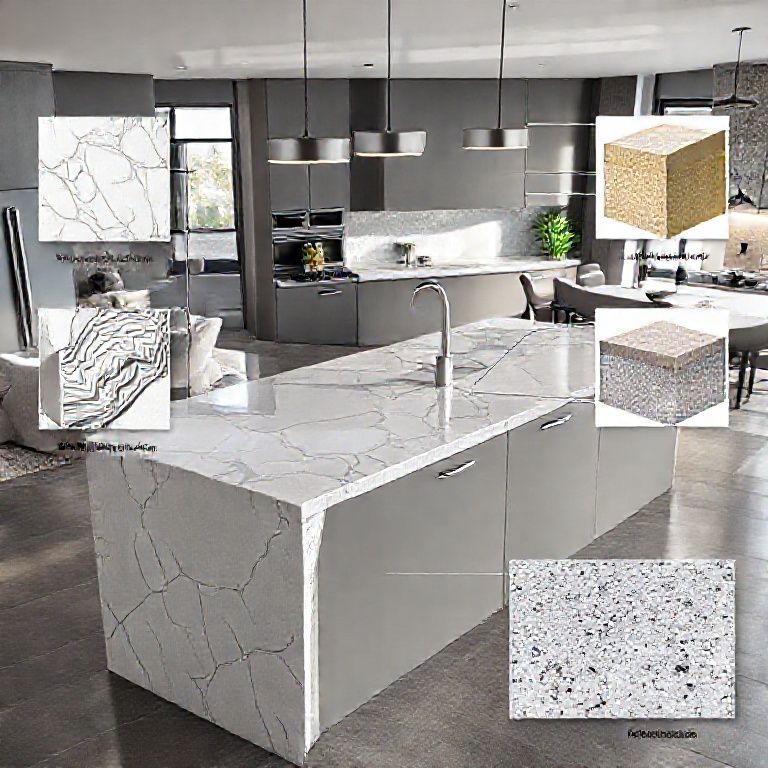
However, ceramic is not without its vulnerabilities. While incredibly hard, it can also be brittle. A sharp, heavy object dropped from a height can cause chips or cracks. While repairable, these repairs can sometimes be noticeable, and replacing a single tile can be a more involved process than buffing out a scratch on solid surface. The grout lines, if not properly sealed or maintained, can be susceptible to staining and can harbor mold or mildew in damp environments. Furthermore, the installation of ceramic, especially intricate tile work, requires skill and precision to achieve a professional and aesthetically pleasing result.
In essence, ceramic offers a robust, time-tested solution for surfaces. It champions durability, heat resistance, and a remarkable capacity for aesthetic adaptation. It’s a material that blends tradition with innovation, providing a practical and visually appealing choice for a wide range of applications. The decision between solid surface and ceramic often boils down to a nuanced understanding of these individual strengths and a careful consideration of the specific demands and aesthetic aspirations of your project.
Continuing our exploration of the solid surface versus ceramic debate, let’s delve deeper into the practicalities and stylistic nuances that differentiate these two compelling materials. Having established their foundational properties in Part 1, we now turn our attention to how these translate into real-world applications and the subtle choices that can profoundly impact the final look and feel of a space.
When considering solid surface, its seamless nature isn’t just an aesthetic advantage; it’s a functional triumph, particularly in environments where hygiene is paramount. Imagine a commercial kitchen or a healthcare facility. The absence of grout lines and visible seams in solid surface countertops and sinks dramatically reduces hiding places for bacteria and makes the entire surface easier to sanitize effectively. This inherent cleanliness makes it a preferred choice for laboratories, medical offices, and any setting where stringent hygiene protocols are in place. Beyond commercial applications, for families with young children or individuals with compromised immune systems, this feature offers invaluable peace of mind. The ease with which spills can be wiped away, and the reduction in potential breeding grounds for germs, contribute to a healthier living environment.
The repairability of solid surface is another significant talking point that deserves further emphasis. Life happens. A dropped pot, an errant knife slip, or even prolonged exposure to certain cleaning chemicals can leave its mark. With solid surface, these imperfections are often not permanent scars. Minor scratches can be gently sanded out with fine-grit sandpaper, and the area can be buffed to match the surrounding material. Deeper damage, such as chips or gouges, can often be repaired by skilled technicians who can fill the damaged area with matching material and then seamlessly blend it in. This restorative capability means that a solid surface countertop, with proper care, can maintain its beauty for many years, effectively prolonging its lifespan and offering a more sustainable choice in the long run, as it avoids the need for premature replacement.
The design versatility of solid surface, particularly under brands like Corian, is where it truly shines for those seeking a highly customized and integrated look. The ability to thermoform the material means that curves, coves, and intricate shapes are not just possible but relatively straightforward to achieve. This opens up a world of design possibilities, from waterfall edges that cascade seamlessly down the sides of an island, to integrated drainboards that are molded directly into the countertop, to uniquely shaped sinks that become an artistic focal point. This seamless integration extends to backsplashes, allowing for a continuous flow of material from the countertop up the wall, eliminating the need for grout lines and creating a sleek, modern aesthetic. For architects and interior designers, this level of creative freedom is invaluable, allowing them to translate bold visions into tangible realities without the constraints often imposed by traditional materials.
However, it’s important to acknowledge the trade-offs. While heat-resistant to a degree, solid surface is not immune to the damaging effects of prolonged or intense heat. Placing a hot pan directly from the stove or oven onto a solid surface countertop can lead to discoloration, a cloudy appearance, or even permanent damage. This necessitates the consistent use of trivets and heat pads, a minor but essential habit to cultivate to protect the surface. Similarly, while scratch-resistant, it is not scratch-proof. Aggressive scrubbing or careless use of sharp utensils can result in visible marks that, while repairable, require effort to rectify. The cost, especially for intricate designs, custom colors, or integrated features, can also place solid surface in a premium category, making it a significant investment.
Now, let’s pivot back to ceramic, and consider its strengths in more detail, particularly in comparison to solid surface. The sheer resilience of ceramic, especially porcelain tiles, is a primary draw. Porcelain, a denser and less porous form of ceramic, is exceptionally hard and resistant to scratching, chipping, and staining. This makes it an ideal candidate for high-traffic areas, busy kitchens, and bathrooms where durability is non-negotiable. Imagine the peace of mind of a kitchen countertop that can handle chopping directly on its surface (though using a cutting board is always recommended for blade longevity) or a bathroom floor that can withstand the daily wear and tear of wet feet and dropped toiletries without showing signs of distress. This inherent toughness translates into a material that requires minimal fuss and can maintain its aesthetic appeal for decades.
The heat resistance of ceramic is another significant advantage that sets it apart from solid surface. Many ceramic materials, particularly those designed for countertops, can tolerate direct contact with hot pots and pans without damage. This offers a level of convenience and freedom in the kitchen that is highly valued by home cooks. While it’s always good practice to use trivets to protect any surface, ceramic provides a more forgiving environment, reducing the anxiety associated with accidental hot spills.
The aesthetic versatility of ceramic is its ace in the hole when it comes to variety and adaptability. The market is flooded with an unparalleled range of ceramic tiles, from classic subway tiles to intricate mosaic patterns, from realistic wood-look planks to sophisticated marble-effect slabs. This vast selection allows homeowners and designers to achieve virtually any desired look and feel, from rustic farmhouse to ultra-modern minimalist. Furthermore, ceramic can be a more budget-friendly option compared to high-end solid surface materials, especially when considering the cost of the material itself, though installation costs can vary widely depending on the complexity of the design and the chosen tile.
However, the grout lines in ceramic installations, while often a design element, can be a point of contention for some. They can be more challenging to keep clean and can be susceptible to staining over time, especially in areas prone to spills or moisture. While advancements in grout technology have led to more stain-resistant and durable options, regular sealing and cleaning are still typically required to maintain their appearance. Furthermore, while hard, ceramic is also brittle. A significant impact, such as dropping a heavy cast-iron pan directly onto the edge of a countertop, can result in chips or cracks. While these can be repaired, the repair may be visible, and replacing a damaged tile can be a more involved process than repairing solid surface.
Ultimately, the choice between solid surface and ceramic is not about declaring a definitive winner, but rather about understanding the unique strengths and characteristics of each material and aligning them with the specific needs and desires of your project. Solid surface offers a world of seamless integration, design fluidity, and effortless hygiene, making it a prime candidate for those who prioritize a modern, minimalist aesthetic and the ability to create bespoke forms. Ceramic, on the other hand, stands as a testament to enduring durability, heat resilience, and an almost limitless palette of aesthetic possibilities, appealing to those who value robustness, practicality, and the flexibility to adapt to any design style, often at a more accessible price point. The “better” material is the one that best serves your vision, your lifestyle, and the enduring beauty you wish to imbue in your space.









