
Sure, I can help you with that! Here’s a soft article comparing the pros and cons of artificial stone and natural stone, divided into two parts as requested.

The allure of stone has captivated humanity for millennia. From the majestic pyramids of Egypt to the elegant facades of Romanesque cathedrals, natural stone has been a cornerstone of architectural marvels, embodying strength, permanence, and a connection to the earth’s ancient artistry. Today, this fascination continues, not just in grand structures, but in the very heart of our homes – our kitchens and bathrooms, our living spaces, and our exterior designs. Yet, the world of stone has evolved, introducing a compelling alternative: artificial stone. This engineered material, born from innovation and a desire for enhanced performance and versatility, now stands shoulder-to-shoulder with its natural counterpart, presenting homeowners and designers with a delightful dilemma. Which stone reigns supreme? The answer, as with most things in life, is rarely black and white. It depends on your priorities, your aesthetic vision, and the practical demands of your lifestyle.
Let’s begin by delving into the captivating realm of natural stone. When we speak of natural stone, we’re referring to materials quarried directly from the earth, each piece a unique testament to millions of years of geological processes. Think of the deep, swirling patterns of granite, each fleck and vein telling a story of volcanic origins. Consider the delicate, ethereal beauty of marble, its translucent quality and subtle veining exuding an air of timeless luxury. Or perhaps the earthy, understated elegance of slate, its natural cleft surface adding texture and character. The primary allure of natural stone lies in its unparalleled authenticity and inherent beauty. No two slabs are ever truly alike. This inherent uniqueness imbues spaces with a sense of bespoke luxury and individual character that engineered materials often struggle to replicate. The veining, the color variations, the subtle imperfections – these are not flaws, but rather the signatures of nature’s artistry, making each installation a one-of-a-kind masterpiece.
However, this unique beauty comes with its own set of considerations. Maintenance is often a key factor. Natural stones, particularly porous varieties like marble and certain granites, can be susceptible to staining and etching. They often require regular sealing to protect against spills and daily wear and tear. Harsh chemicals or abrasive cleaners can damage the surface, necessitating a more gentle approach to cleaning. While granite is generally more durable and stain-resistant than marble, it still benefits from occasional resealing. This isn’t to say that natural stone is high-maintenance in a burdensome way; rather, it demands a mindful approach. Many homeowners find the ritual of caring for their natural stone surfaces to be a rewarding part of their home’s upkeep, a way to preserve and enhance the beauty they’ve invested in.

Durability is another aspect where natural stone shines, albeit with nuances. Granite, in particular, is renowned for its hardness and resistance to heat and scratches. It can withstand the rigmarole of a busy kitchen, enduring hot pans and chopping without much fuss. Marble, while breathtakingly beautiful, is softer and more prone to scratching and etching from acidic substances like lemon juice or vinegar. This makes it a more popular choice for applications where it’s less exposed to such daily culinary assaults, such as bathroom vanities, or in kitchens where its owners are meticulous about protecting its surface. The inherent strength of natural stone means it can last for generations, becoming a cherished heirloom that stands the test of time and trends.
When it comes to cost, natural stone can range significantly. The price is influenced by the type of stone, its rarity, the quarry of origin, and the complexity of the veining and coloration. Common granites might be comparable in price to some high-end artificial stones, while rarer marbles or exotic granites can command a premium price tag. The installation costs can also be higher due to the weight of the material and the specialized skills required for fabrication and fitting. However, for those who value the intrinsic beauty and unique character that only nature can provide, the investment in natural stone is often seen as a worthwhile one, adding significant value and timeless appeal to a property.
The environmental impact of natural stone is a point of consideration for the eco-conscious. Quarrying, by its very nature, is an extractive process that impacts the landscape. Transportation of these heavy materials over long distances also contributes to a carbon footprint. However, it’s also worth noting that natural stone is a durable, long-lasting material, meaning it doesn’t need to be replaced as frequently as other surfaces, reducing waste over time. Furthermore, the energy required to produce natural stone is significantly less than that of engineered materials, which often involve high-temperature manufacturing processes. The debate on the environmental pros and cons of natural stone is complex and multifaceted, involving a balance between extraction impacts and long-term product lifespan.
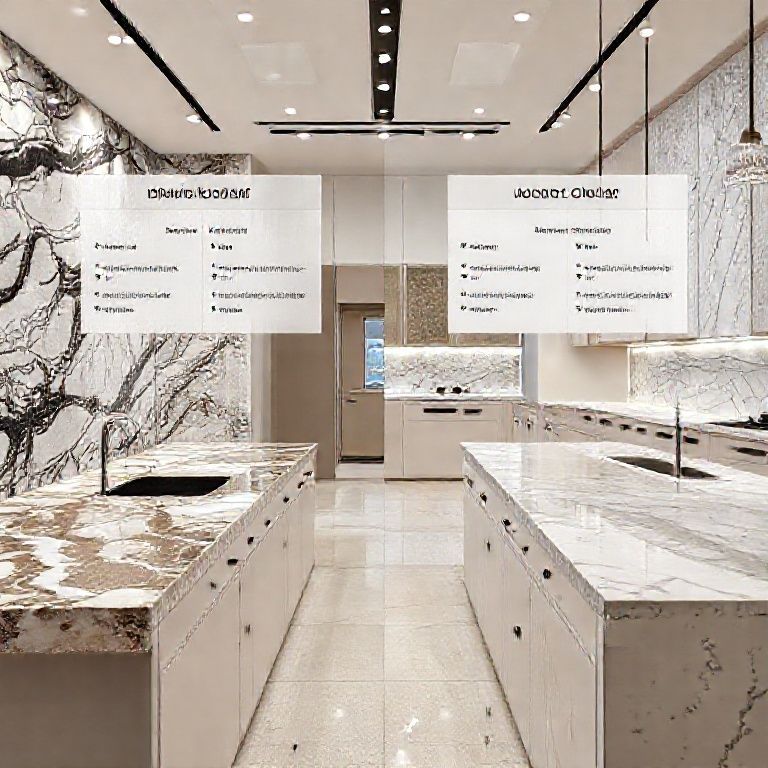
The aesthetic versatility of natural stone is undeniable. From the classic elegance of white marble to the bold, dramatic patterns of a black granite, there’s a natural stone to complement virtually any design style. The ability to see and feel the actual slab before purchase allows for a level of confidence in the final outcome. Homeowners can select a piece that truly speaks to them, ensuring their vision is realized with an authentic, organic beauty. The tactile experience of running your hand over the cool, smooth surface of polished granite or the subtly textured cleft of slate is a sensory pleasure that contributes to the overall enjoyment of a space. This tactile and visual authenticity is a powerful draw for many.
However, the very uniqueness that makes natural stone so desirable can also present practical challenges. The color and pattern consistency between slabs can vary, which can be an issue if you need to match existing installations or require a very specific, uniform look. The thickness and size limitations of quarried slabs can also influence design possibilities, sometimes requiring more seams in larger installations. Furthermore, the porous nature of some natural stones means they are more susceptible to staining from liquids like red wine, coffee, or oil. While proper sealing and prompt cleanup can mitigate these risks, it’s a factor to consider for busy households or those who entertain frequently.
Ultimately, natural stone offers a connection to the earth’s geological history, a testament to enduring beauty, and a unique character that is impossible to replicate. It’s a material that ages gracefully, developing a patina over time that adds to its charm. For those who cherish authenticity, appreciate the subtle nuances of nature’s artistry, and are prepared for a mindful approach to maintenance, natural stone remains a compelling and luxurious choice. It’s an investment in enduring elegance, a statement of timeless taste that will continue to inspire for generations to come.
In contrast to the time-honored tradition of natural stone, artificial stone, also known as engineered stone or composite stone, represents the cutting edge of material science and design innovation. Born from a desire to harness the beauty of natural stone while enhancing its performance characteristics and offering greater design flexibility, artificial stone has rapidly carved out a significant niche in the world of interior and exterior finishes. The most prevalent form of artificial stone is quartz, which typically comprises around 90-95% natural quartz crystals bound together with resins and pigments. Other types of artificial stone include cultured marble, solid surface materials, and porcelain slabs, each with their own unique compositions and applications.
The primary advantage of artificial stone, particularly quartz, lies in its exceptional durability and low maintenance. Because it’s engineered in a controlled environment, artificial stone is non-porous. This means it doesn’t absorb liquids, making it highly resistant to stains from coffee, wine, oil, and other common household culprits. Unlike natural stone, it doesn’t require regular sealing, simplifying its upkeep considerably. Cleaning is typically a breeze – a damp cloth and mild soap are usually all that’s needed to keep it looking pristine. This makes it an ideal choice for busy families, high-traffic areas, and anyone who values a low-fuss approach to home maintenance. The resilience of artificial stone to scratches and chips further enhances its practical appeal, ensuring it can withstand the rigors of daily life with impressive fortitude.
Design versatility is another area where artificial stone truly excels. While natural stone offers unique, unrepeatable patterns, artificial stone can be manufactured to mimic the appearance of a wide range of natural stones, including granite and marble, often with remarkable accuracy. More importantly, manufacturers can create entirely new color palettes and patterns that are not found in nature, offering a spectrum of options limited only by imagination. From solid, vibrant colors to subtle veining and intricate patterns, artificial stone provides designers and homeowners with an unprecedented level of creative control. This consistency in color and pattern also means that you can order additional slabs that will precisely match existing installations, a practical consideration for renovations or repairs.
The consistency and uniformity of artificial stone are significant benefits for many projects. While the uniqueness of natural stone is often prized, there are times when a very specific, predictable look is desired. Artificial stone offers this assurance. Each slab produced from the same batch will have a very similar appearance, making it easier to achieve a seamless, cohesive look, especially in large installations or where matching is critical. This predictability also extends to its performance characteristics; you know what you’re getting in terms of durability and resistance.
When it comes to cost, artificial stone, particularly quartz, often presents a competitive option. While high-end engineered stones can rival the price of some natural stones, the wider availability and more standardized manufacturing processes can make them a more budget-friendly choice for many projects. The lower maintenance requirements also translate into long-term cost savings, as there’s no need for expensive sealing products or specialized cleaning agents. Installation costs are generally comparable to natural stone, as it also requires professional fabrication and fitting.
The environmental considerations of artificial stone are a bit more complex. The production process for quartz countertops, for example, involves mining quartz, which is a natural mineral. However, the binding agents used – resins and polymers – are petroleum-based, and the manufacturing process is energy-intensive. This can lead to a higher carbon footprint during production compared to quarried stone. However, the extreme durability and longevity of artificial stone mean it doesn’t need to be replaced as often, thus reducing waste over its lifespan. Furthermore, some manufacturers are developing more sustainable production methods and incorporating recycled content into their products, aiming to mitigate the environmental impact.
The heat resistance of artificial stone is generally good, but it’s not as absolute as that of natural granite. While quartz is resistant to heat, prolonged exposure to very hot pots or pans directly on the surface can potentially cause discoloration or damage to the resin binders. Therefore, using trivets or hot pads is still recommended, much like with natural stone. However, its resistance to chipping and scratching is often superior to softer natural stones like marble.
The hygienic properties of artificial stone, due to its non-porous nature, make it an excellent choice for kitchens and bathrooms where sanitation is paramount. It doesn’t harbor bacteria or mold, contributing to a healthier living environment. This is a significant advantage for families with young children or individuals with compromised immune systems.
In summary, artificial stone offers a compelling blend of beauty, performance, and practicality. Its low maintenance, superior stain and scratch resistance, and vast design possibilities make it a highly desirable option for modern homes. It empowers homeowners and designers with a predictable, consistent, and durable material that can elevate any space. For those who prioritize ease of care, a wide range of aesthetic choices, and robust performance, artificial stone stands out as a smart and stylish solution, embodying the best of both nature’s inspiration and human ingenuity.
Ultimately, the choice between natural and artificial stone is a personal one, dictated by a confluence of aesthetic preferences, lifestyle needs, budget considerations, and environmental awareness. Both materials offer unique benefits and come with their own set of considerations. Whether you’re drawn to the irreplaceable, organic artistry of nature’s own creations or the engineered perfection and practical advantages of modern innovation, the world of stone offers a wealth of possibilities to transform your living spaces into something truly extraordinary.









