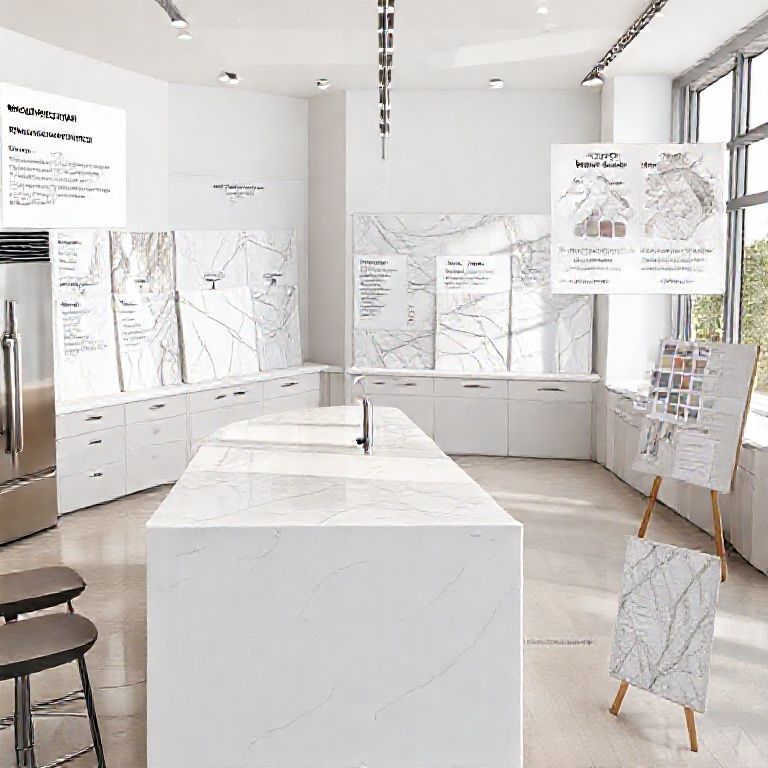
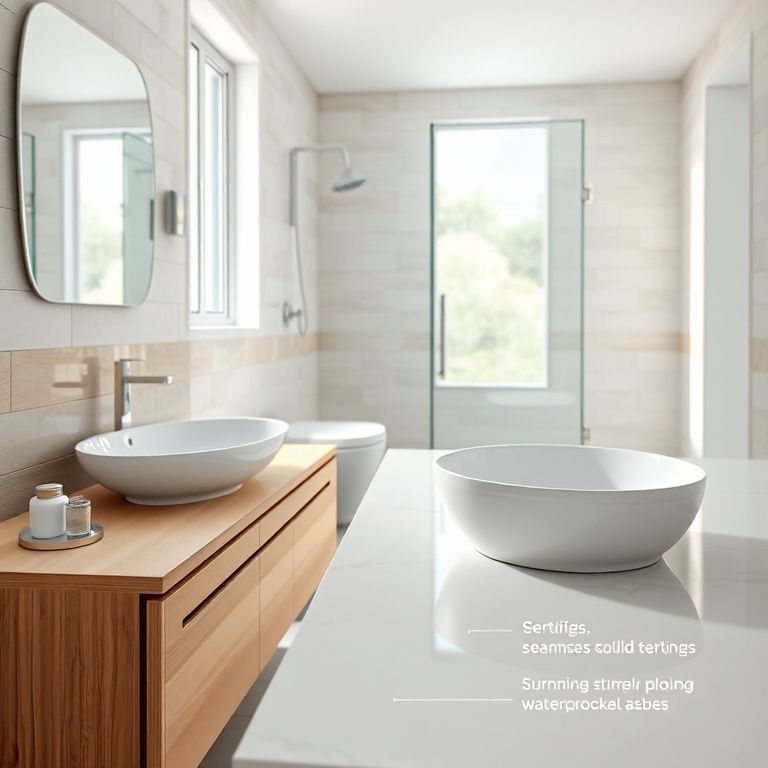
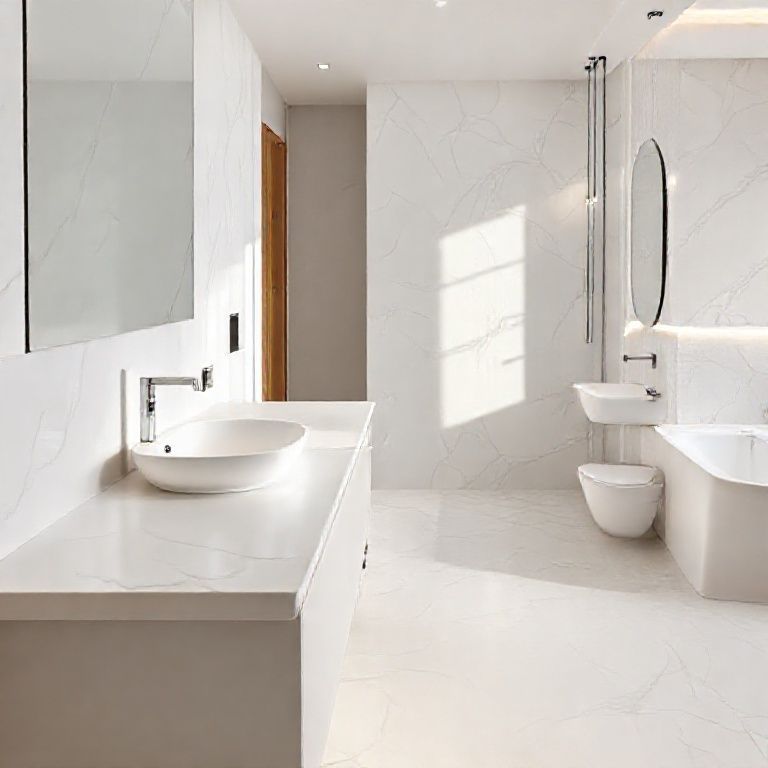
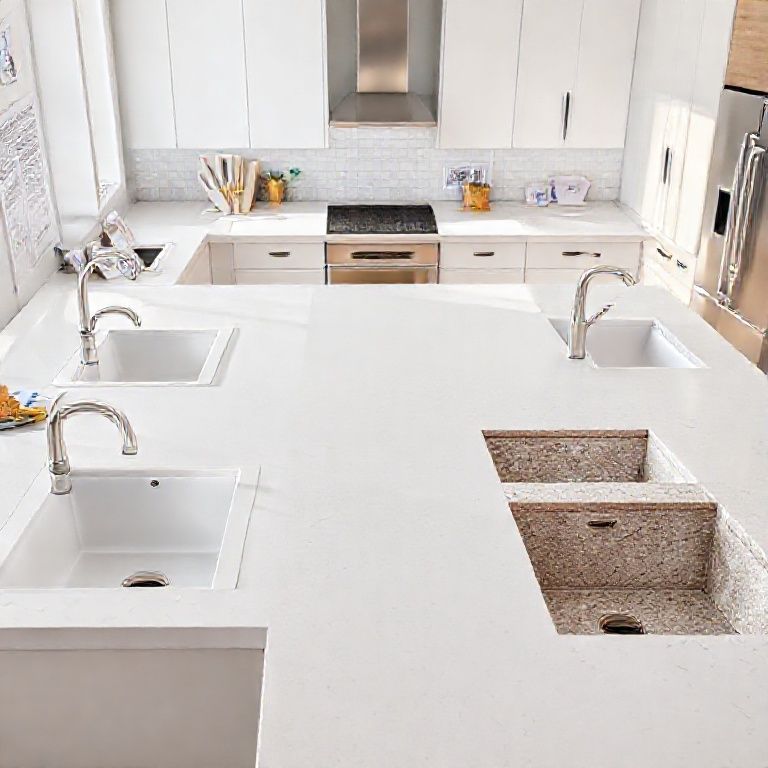
In the realm of modern kitchen and bathroom design, artificial stone countertops have emerged as a favored choice for their aesthetic appeal and durability. These surfaces, crafted from a blend of natural stone powders and resins, offer a stunning look and feel akin to marble or granite, but without the high cost and maintenance issues associated with natural stone. Despite their many advantages, however, artificial stone countertops can sometimes exhibit an unexpected and frustrating problem: cracking. Understanding why artificial stone countertops crack is crucial for both installers and consumers to ensure longevity and satisfaction.
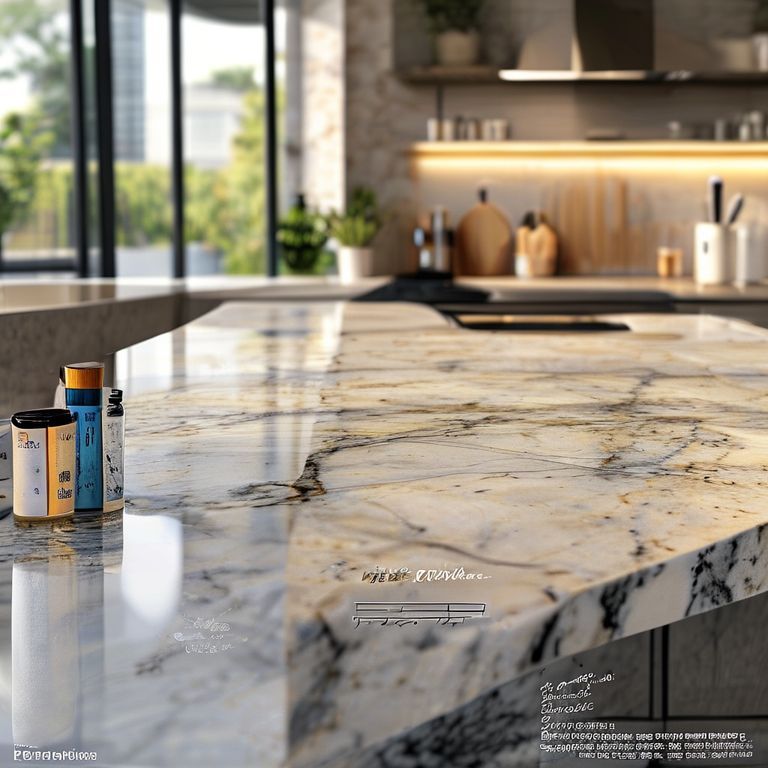
Material Composition and Manufacturing Processes
The primary reason behind the occasional cracking of artificial stone countertops lies in their very composition. Artificial stone, often referred to as cultured stone, is a composite material that combines natural stone powders such as calcite, dolomite, and silica with a polymer resin. This mixture is then cast into molds and cured under high pressure and temperature to form solid, monolithic surfaces.
While the resulting material is incredibly strong and durable, it is not impervious to all forms of stress. The curing process can introduce internal stresses due to variations in temperature and pressure, leading to micro-cracks that can propagate over time. Additionally, the quality of the raw materials and the precision of the manufacturing process significantly influence the final product’s resilience. Inferior materials or suboptimal curing conditions can result in a surface that is more susceptible to cracking.
Installation and Placement
The way artificial stone countertops are installed and placed in a home can also play a pivotal role in their longevity. Improper installation can introduce additional stress points that exacerbate existing weaknesses in the material. For instance, if the countertop is not properly anchored or if there are uneven surfaces beneath it, the weight and movement can cause the material to crack.
Furthermore, the placement of the countertop in areas subject to high levels of heat, such as above a stove or in direct sunlight, can lead to thermal expansion and contraction. This constant flexing can eventually cause the material to split. Ensuring that the countertop is installed by a professional and that it is positioned in an area with stable temperature conditions can mitigate these risks.
Maintenance and Usage
The way a household interacts with their artificial stone countertops greatly influences their lifespan. Daily activities that involve dropping heavy objects, placing hot pots and pans directly on the surface, or using abrasive cleaning tools can all contribute to the cracking of the stone. While artificial stone is designed to be resistant to scratches and stains, it is not immune to the effects of physical stress and heat.
Regular maintenance is crucial in preserving the integrity of the countertop. Using coasters to protect the surface from heat, employing non-abrasive cleaners, and avoiding the use of sharp objects can all help to prevent damage. Additionally, ensuring that the surface is properly sealed and maintained according to the manufacturer’s guidelines can enhance its resistance to cracking.
Environmental Influences
Environmental factors can also significantly impact the longevity of artificial stone countertops. Exposure to extreme temperatures, whether hot or cold, can cause the material to expand and contract, leading to micro-fractures that may eventually become visible cracks. Humidity and moisture can weaken the resin bonds within the stone, making it more prone to cracking under stress.
Geographical location plays a role in this aspect. Homes in regions with significant temperature fluctuations or high humidity levels may experience more frequent cracking issues than those in more stable climates. Proper ventilation and climate control can help to minimize these environmental impacts.
Conclusion
The cracking of artificial stone countertops is a multifaceted issue that involves a combination of material composition, installation practices, maintenance routines, and environmental influences. By understanding these factors, homeowners and professionals can take proactive measures to prevent and address this problem, ensuring that these beautiful and durable surfaces remain intact for as long as possible.
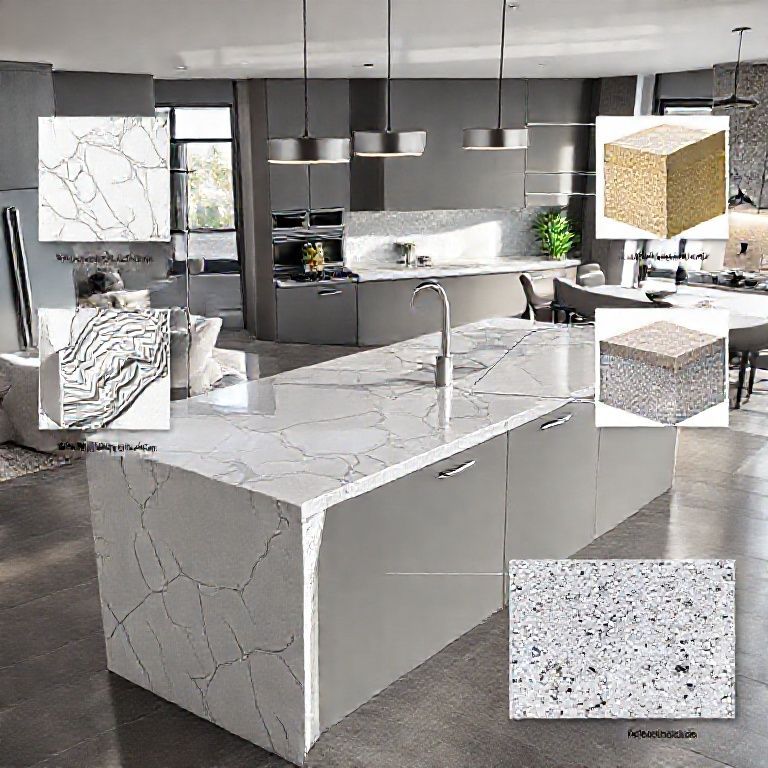
Stay tuned for the second part of this series, where we will delve deeper into specific case studies and expert insights on how to further enhance the longevity and resilience of artificial stone countertops.
Case Studies and Expert Insights
In the second part of our exploration into the enigma of cracking artificial stone countertops, we will delve into real-world case studies and expert insights that provide deeper understanding and practical solutions to prevent and manage cracks in these surfaces.
Real-World Case Studies
To truly grasp the complexities of artificial stone cracking, let’s examine some real-world scenarios. One notable case involved a high-end kitchen renovation where an artificial stone countertop was installed over a gas stove. Despite the use of high-quality materials and professional installation, the countertop began to crack around the edges after a few months of use. Upon investigation, it was discovered that the countertop was not properly anchored, leading to stress points that exacerbated the material’s weaknesses.
Another case study involved a bathroom countertop that developed cracks after a year of use. In this instance, the issue was traced back to improper sealing and maintenance. The countertop was exposed to high humidity and temperature fluctuations, which, combined with insufficient sealing, led to the degradation of the resin bonds within the stone.
These case studies underscore the importance of proper installation, maintenance, and environmental considerations in preventing cracks in artificial stone countertops.
Expert Insights
To provide further clarity on the issue, we turned to experts in the field of stone fabrication and installation. According to Dr. Jane Mitchell, a materials scientist specializing in composite materials, “The primary challenge with artificial stone is managing the internal stresses that develop during the curing process. These stresses can lead to micro-cracks that may not be immediately visible but can propagate over time.”
Dr. Mitchell also emphasized the importance of using high-quality materials and precise manufacturing techniques. “The choice of raw materials and the curing process are critical factors. Inferior materials or inconsistent curing conditions can significantly reduce the durability of the finished product,” she explained.
In terms of installation, Mark Stevens, a certified stone countertop installer, highlighted the importance of proper anchoring and surface preparation. “The way the countertop is anchored to the structure underneath can make a huge difference. If there are gaps or uneven surfaces, the weight and movement can cause the material to crack,” Stevens noted.
Preventative Measures and Solutions
Based on expert advice and practical experience, several preventative measures and solutions can be implemented to mitigate the risk of cracking in artificial stone countertops:
Quality Materials and Manufacturing: Always choose high-quality materials and ensure that the manufacturing process adheres to strict quality control standards. This includes using premium stone powders and resins and employing precise curing techniques.
Professional Installation: Hiring a certified professional for installation is crucial. Professionals are trained to properly anchor the countertop, ensure even surfaces, and manage the weight distribution to prevent stress points.
Regular Maintenance: Maintaining the countertop through regular cleaning and the use of appropriate cleaning tools can prevent damage. Avoiding the use of sharp objects, placing hot items on coasters, and using non-abrasive cleaners are all best practices.
Environmental Controls: Controlling the environment in which the countertop is placed can help. This includes using fans or dehumidifiers to manage humidity and temperature fluctuations and ensuring proper ventilation.
Sealing and Coating: Applying a high-quality sealant designed for artificial stone can enhance the surface’s resistance to stains, scratches, and moisture. Regular re-sealing according to the manufacturer’s recommendations is essential.
Long-Term Monitoring and Repair
Even with the best practices in place, it’s important to monitor the artificial stone countertops for any signs of cracking or damage over time. Regular inspections by a professional can help in early detection and prompt repair. For existing cracks, professional repair services that use advanced techniques, such as epoxy resin injections or laser resurfacing, can restore the countertop’s appearance and integrity.
Conclusion
Understanding the reasons behind the cracking of artificial stone countertops involves a comprehensive look at material composition, installation practices, maintenance routines, and environmental influences. By leveraging expert insights and adopting best practices, homeowners and professionals can significantly enhance the longevity and resilience of these popular surfaces.
In the final part of this series, we will explore advanced technologies and future trends in artificial stone fabrication that promise to further improve durability and resistance to cracking.
Stay tuned for the concluding part where we will delve into the latest advancements and future prospects for artificial stone countertops.