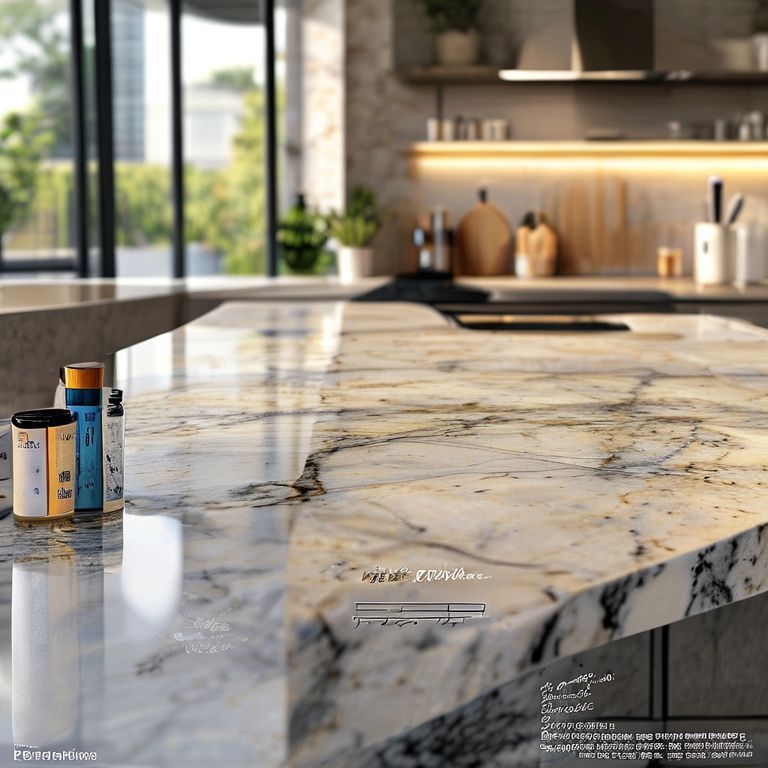
Understanding Synthetic Natural Marble and Its Composition
The Rise of Synthetic Natural Marble
In recent years, synthetic natural marble has become a popular choice for both commercial and residential spaces. This material has gained widespread acclaim due to its stunning aesthetic appeal, durability, and relatively low cost compared to genuine marble. However, as with any new material, questions have arisen about its safety, particularly concerning radiation.
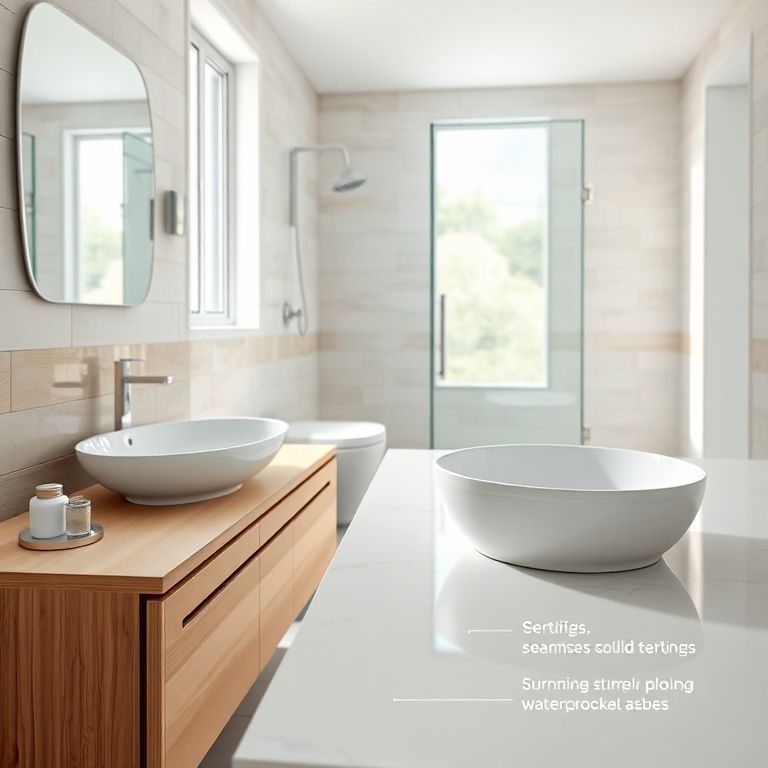
What is Synthetic Natural Marble?
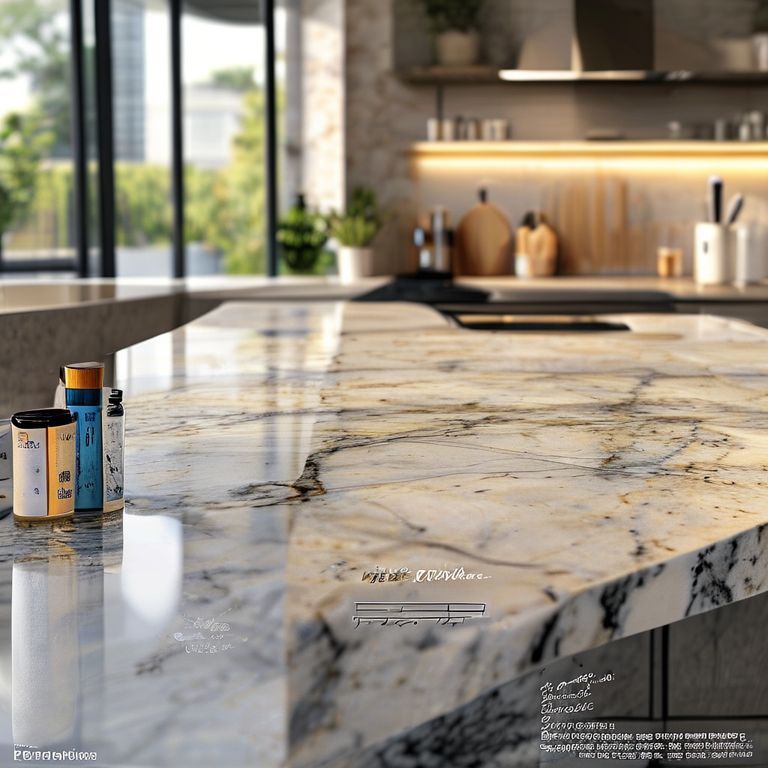
Synthetic natural marble, often referred to as engineered stone or artificial marble, is a composite material that mimics the look and feel of natural marble. It is created by combining various minerals, such as quartz, with resins and pigments. This combination results in a product that is not only visually striking but also highly resistant to scratches, stains, and heat.
The Manufacturing Process
The production of synthetic natural marble involves several steps:
Crushing and Mixing: Raw materials such as quartz and other minerals are crushed and then mixed with resins and pigments. Molding: The mixture is poured into molds and subjected to high pressure and temperature to create a solid stone-like material. Curing: The material is then cured under controlled conditions to ensure it achieves the desired hardness and appearance.
This process transforms the raw components into a product that closely resembles natural marble without the environmental impact of quarrying.
Addressing Radiation Concerns
One of the most pressing questions surrounding synthetic natural marble is whether it emits radiation. To address this, it is crucial to understand what radiation means in this context.
Radiation in Context:
Radiation refers to the emission of energy in the form of waves or particles. In the context of materials, it often pertains to natural radioactive materials like uranium, thorium, and potassium, which are found in some types of stone. However, synthetic natural marble is primarily composed of inert minerals and resins.
Scientific Insights:
Non-Radioactive Composition: The primary constituents of synthetic natural marble—quartz and resins—are not radioactive. Quartz, which is abundant in sand, is a non-radioactive mineral. The resins used in the manufacturing process are synthetic and also do not emit radiation.
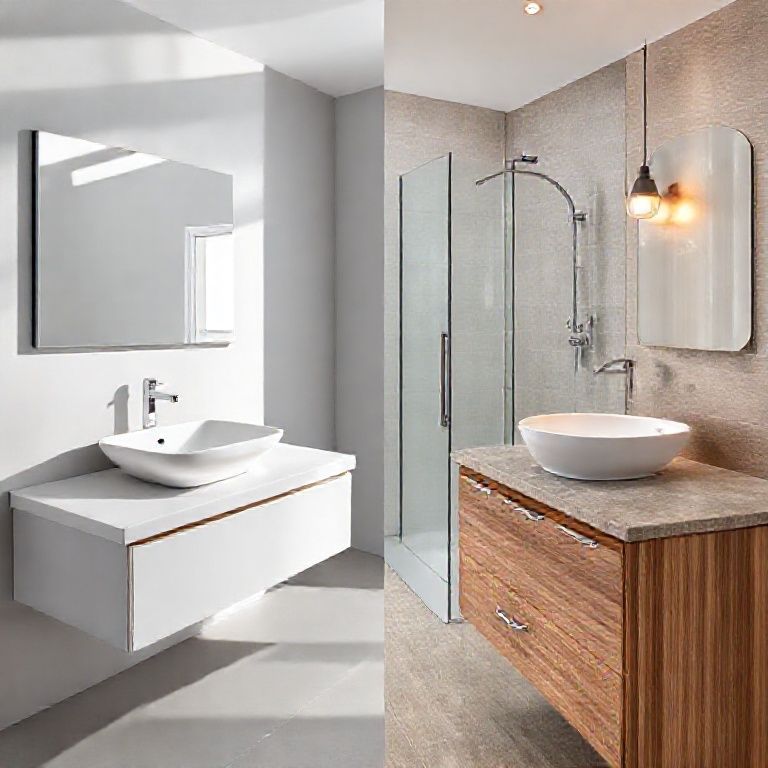
Safety Standards: Synthetic natural marble is subjected to rigorous testing to ensure it meets safety standards. These tests include assessments for radiation levels, among other properties. Regulatory bodies in various countries have established guidelines to ensure that synthetic materials are safe for use in indoor environments.
Comparative Analysis: When compared to natural stone, synthetic natural marble generally exhibits lower levels of radiation. This is because the process of creating synthetic stone minimizes the inclusion of naturally radioactive elements found in some natural stone quarries.
Health and Safety Considerations
While synthetic natural marble is non-radioactive, it is essential to consider other health and safety aspects related to its use.
Chemical Exposure: One concern with any synthetic material is the potential release of volatile organic compounds (VOCs) during the manufacturing process. However, modern synthetic marble production techniques have significantly reduced VOC emissions. Moreover, high-quality synthetic marble products are designed to minimize the presence of harmful chemicals.
Durability and Maintenance: Synthetic natural marble is highly durable and requires minimal maintenance. It is resistant to stains, scratches, and thermal damage, making it an excellent choice for high-traffic areas. Regular cleaning with mild soap and water is generally sufficient to maintain its pristine appearance.
Environmental Impact: Unlike natural marble, which requires extensive quarrying and transportation, synthetic marble production has a lower environmental footprint. It does not contribute to habitat destruction or the depletion of natural resources.
Expert Opinions
To further understand the safety and benefits of synthetic natural marble, we turn to expert opinions from professionals in the field of material science and interior design.
Material Scientists’ Perspective:
Material scientists emphasize that synthetic natural marble is engineered to replicate the appearance of natural marble while offering superior performance characteristics. The materials used in its production are carefully selected to ensure that the final product is both aesthetically pleasing and safe for use.
Interior Designers’ Insights:
Interior designers frequently incorporate synthetic natural marble into their projects due to its versatility and durability. They highlight its ability to mimic the beauty of natural marble while providing a practical and long-lasting solution. Designers also appreciate the wide range of colors and patterns available in synthetic marble, allowing for endless creative possibilities.
Debunking Myths and Ensuring Peace of Mind
Common Myths Surrounding Synthetic Natural Marble
Despite the scientific evidence and expert opinions, myths and misconceptions about synthetic natural marble persist. Let’s debunk some of the most common myths to clear up any lingering doubts.
Myth 1: Synthetic Marble is Not as Durable as Natural Marble
Reality: Synthetic natural marble is often more durable than its natural counterpart. The manufacturing process allows for precise control over the material’s properties, resulting in a product that is highly resistant to scratches, stains, and thermal damage. In fact, synthetic marble can withstand temperatures up to 1,832 degrees Fahrenheit (1,000 degrees Celsius), making it suitable for both countertops and fireplace surrounds.
Myth 2: Synthetic Marble is Inexpensive and Low-Quality
Reality: While synthetic marble is generally more affordable than natural marble, its quality can vary depending on the manufacturer and the specific product. High-quality synthetic marble offers a level of craftsmanship and finish that rivals that of natural marble. Many luxury brands produce synthetic marble that is virtually indistinguishable from natural stone, making it an excellent choice for high-end interior design.
Myth 3: Synthetic Marble is Unnatural and Unappealing
Reality: The aesthetic appeal of synthetic natural marble is one of its most significant advantages. With advanced manufacturing techniques, synthetic marble can replicate the intricate patterns and colors of natural marble, if not exceed them. Designers and homeowners often choose synthetic marble for its beauty and versatility.
Ensuring Peace of Mind: Choosing Certified Products
To ensure that you are selecting a high-quality, safe product, it is essential to choose synthetic natural marble that has been certified by reputable organizations. Look for products that meet or exceed industry standards for safety and performance.
Certifications and Standards:
ISO Certification: The International Organization for Standardization (ISO) provides global standards for various industries, including materials. Synthetic marble that has achieved ISO certification has undergone rigorous testing to meet safety and quality criteria.
UL Recognition: The Underwriters Laboratories (UL) is a global safety science company that tests products to ensure they meet safety standards. Synthetic marble with UL recognition has been evaluated for safety and performance.
Environmental Standards: Look for products that comply with environmental standards such as the European Union’s REACH (Registration, Evaluation, Authorisation, and Restriction of Chemicals) regulation. This ensures that the materials used in the production of synthetic marble are safe for both human health and the environment.
Real-Life Applications and Testimonials
To further illustrate the benefits and safety of synthetic natural marble, let’s explore some real-life applications and testimonials from satisfied customers and professionals.
Commercial Spaces:
In commercial settings, synthetic natural marble is often used for countertops, tabletops, and decorative elements. Its durability and resistance to stains make it ideal for high-traffic areas such as restaurants, offices, and hotels. Many businesses have reported long-term satisfaction with synthetic marble, citing its low maintenance and aesthetic appeal.
Residential Projects:
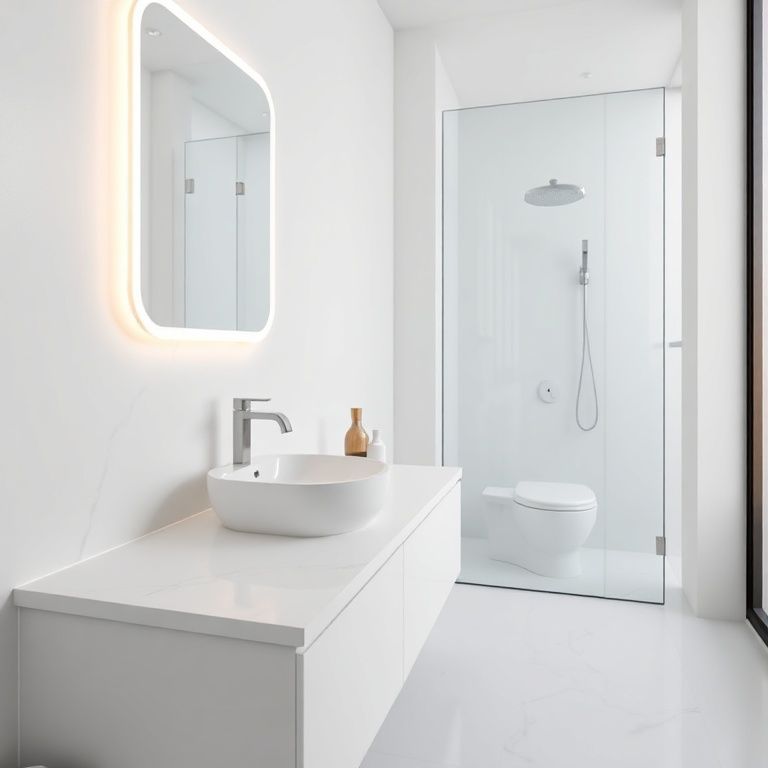
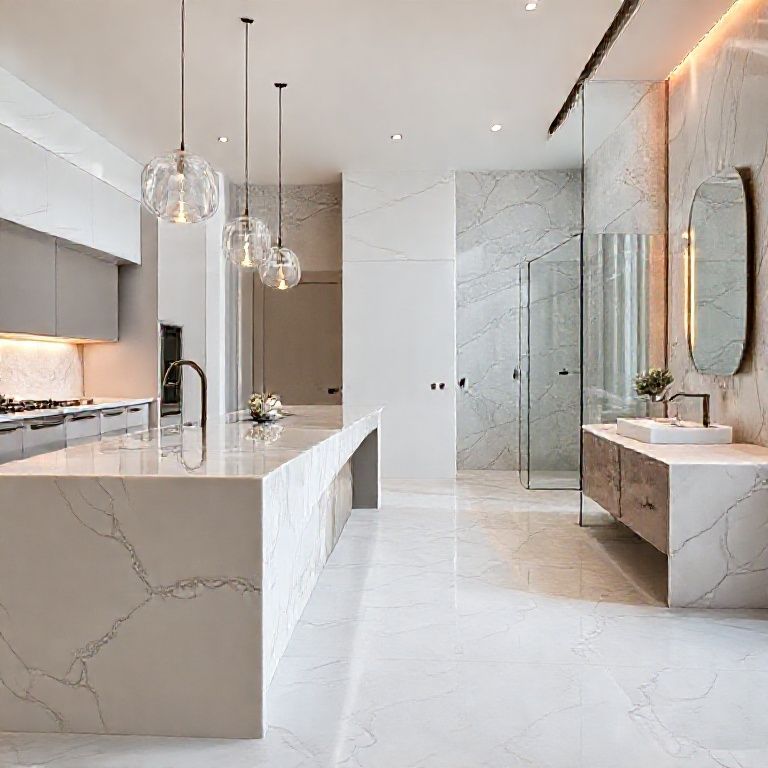
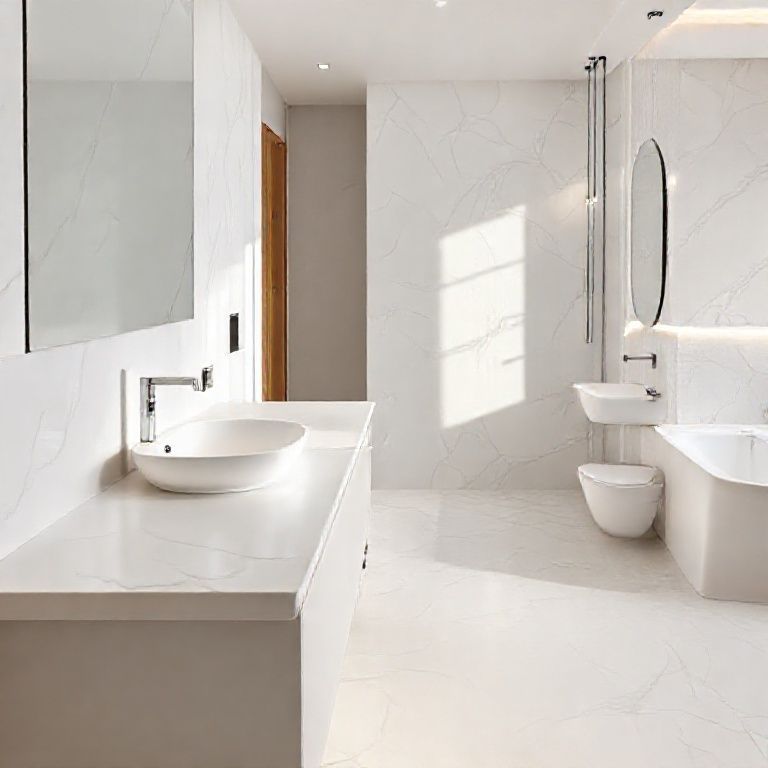
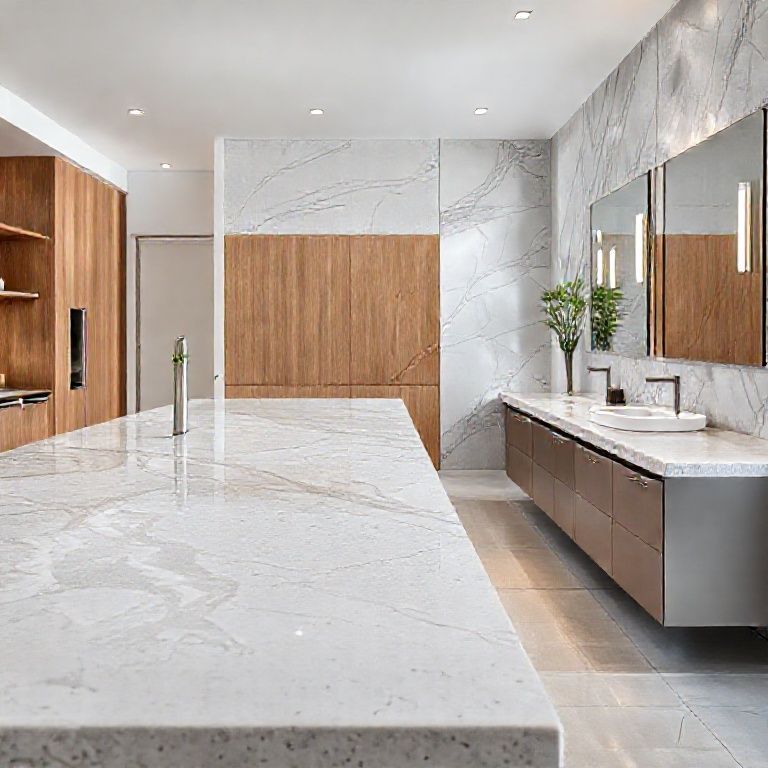
Homeowners have also embraced synthetic natural marble for its beauty and practicality. Whether used for kitchen countertops, bathroom vanities, or even fireplace surrounds, synthetic marble has proven to be a versatile and reliable choice. Testimonials from homeowners often highlight the ease of maintenance and the stunning appearance of synthetic marble.
Professional Testimonials:
Architects and interior designers frequently recommend synthetic natural marble for its versatility and durability. They appreciate the ability to work with a material that can be precisely engineered to meet specific design requirements. Many professionals emphasize the importance of choosing certified products to ensure the highest level of safety and quality.
Final Thoughts: Making an Informed Choice
When considering synthetic natural marble for your next project, it is essential to make an informed choice based on scientific evidence, expert opinions, and real-life experiences. The key takeaway is that synthetic natural marble is a safe, durable, and aesthetically appealing alternative to natural marble.
By understanding the composition, manufacturing process, and safety standards associated with synthetic natural marble, you can confidently select a product that meets your design goals and provides peace of mind. Whether you are a homeowner, designer, or business owner, synthetic natural marble offers a compelling combination of beauty, performance, and safety.
In this comprehensive exploration, we have addressed the question of radiation in synthetic natural marble and dispelled common myths to provide you with a clear and informed perspective. As we move forward, let’s continue to embrace innovative materials that enhance our spaces while prioritizing safety and sustainability.