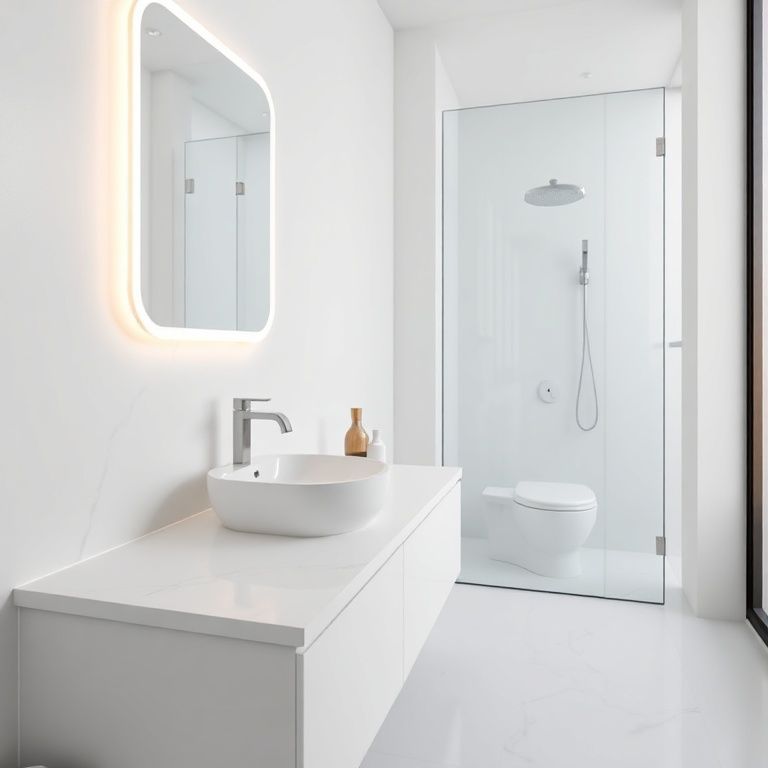
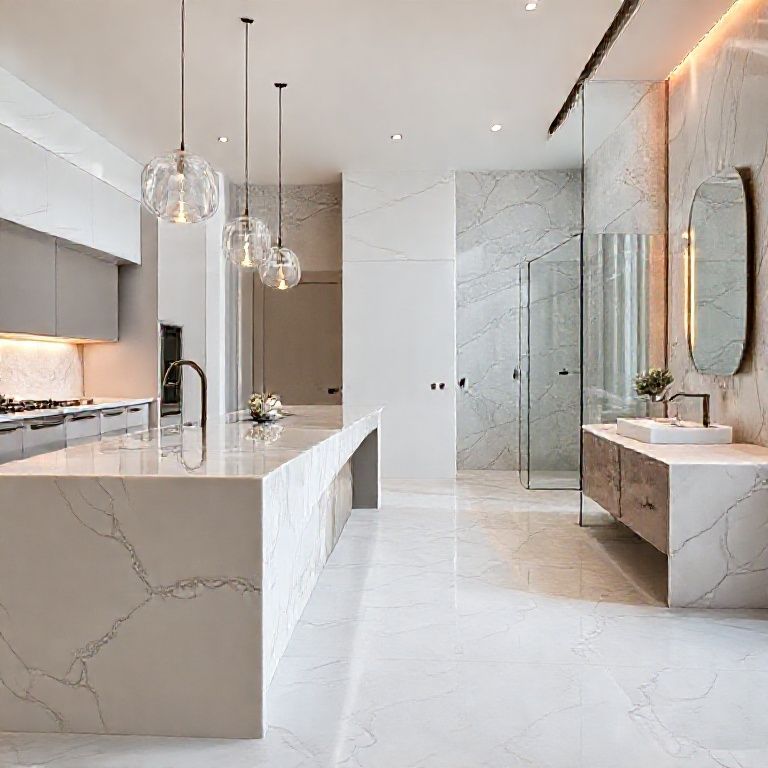
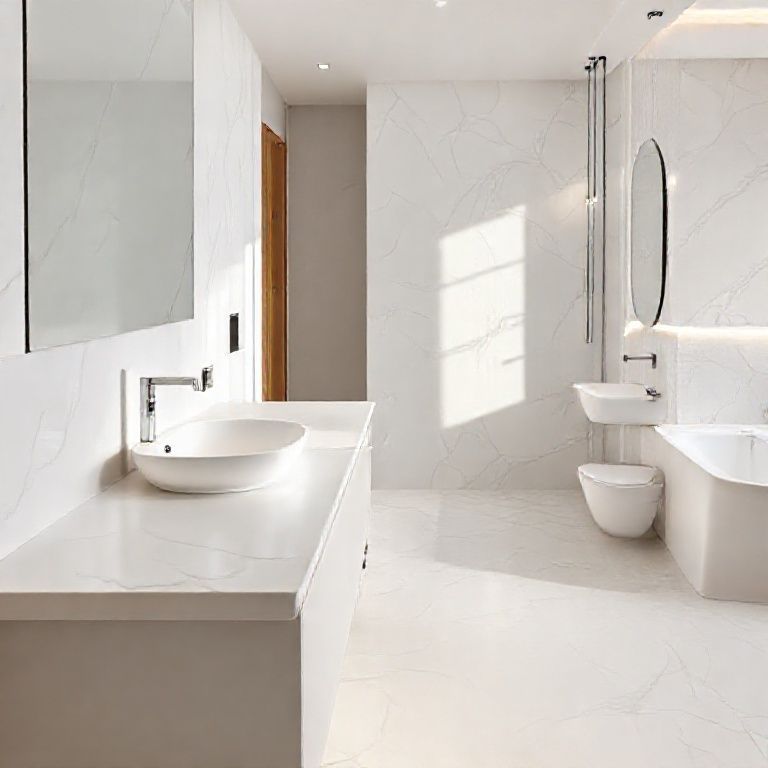
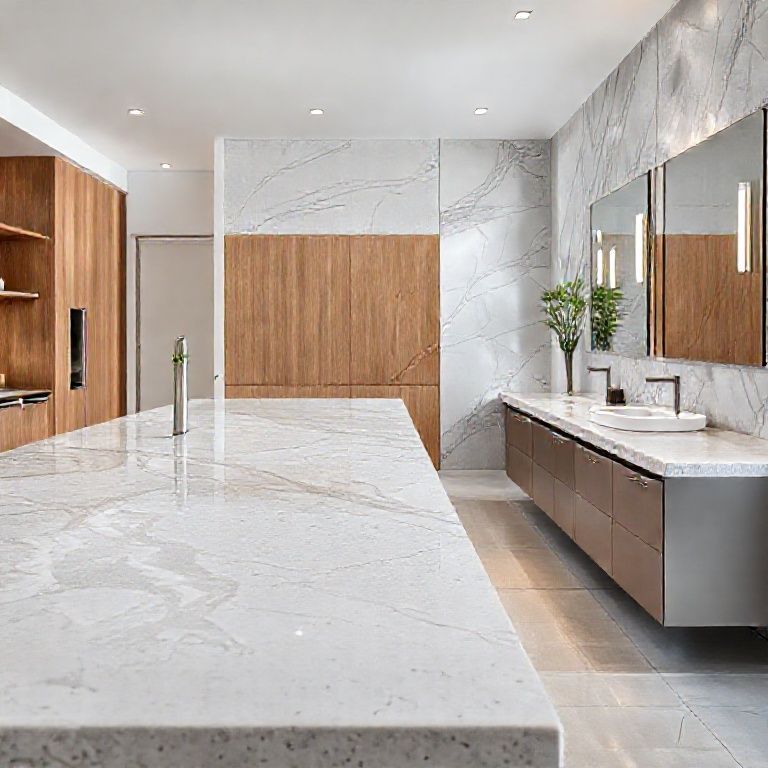
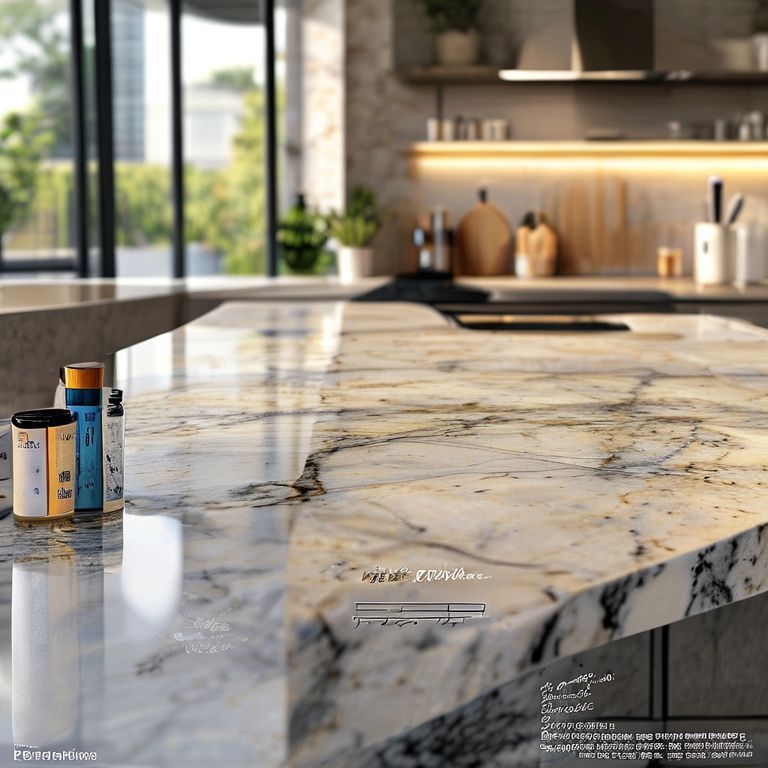
The Timeless Elegance of Marble
Marble, a stone of timeless elegance and unparalleled beauty, has been a cornerstone of luxury in interior design for centuries. Known for its intricate patterns, vibrant colors, and exquisite texture, marble continues to captivate architects, designers, and homeowners alike. But as with any premium material, understanding the cost dynamics of marble per square meter is essential for anyone looking to incorporate this exquisite stone into their space.

The Composition and Varieties of Marble
Marble is formed from the metamorphism of limestone, a process that occurs over millions of years under immense heat and pressure. This transformation results in a stone that boasts a unique and often intricate pattern of swirling veins and colors. Different regions across the globe offer distinct types of marble, each with its own character and visual appeal.
Popular Marble Varieties:
Italian Marble: Renowned for its luxurious and creamy hues, Italian marble like Botticino and Carrara is a favorite among high-end designers. The intricate veining and uniform color make it a perfect choice for both flooring and countertops.
Indian Marble: India is home to some of the most sought-after marble varieties in the world. Marbles like Jaisalmer and Makrana are celebrated for their rich, vibrant colors and unique veining patterns.
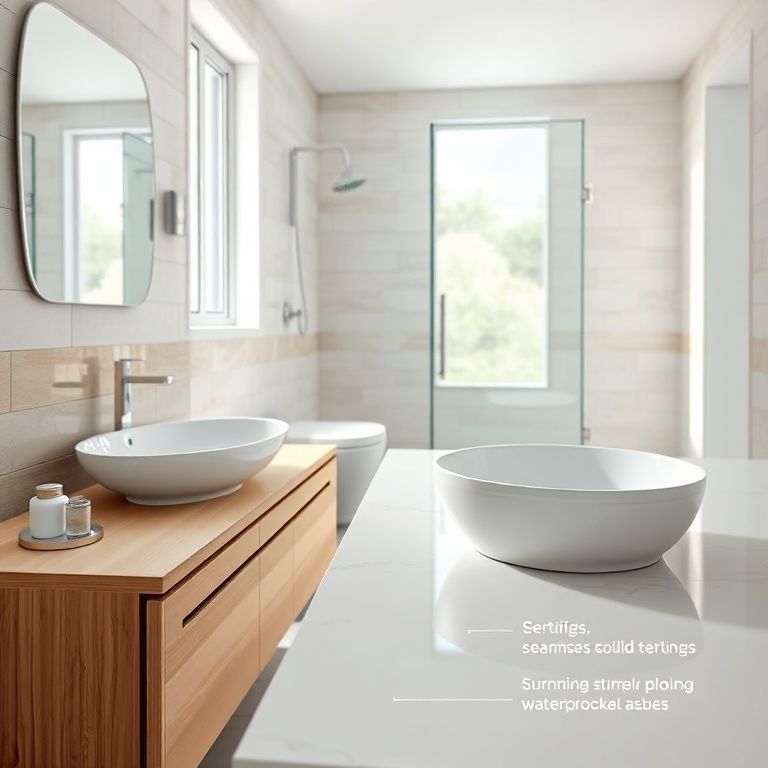
Turkish Marble: Turkish marble, especially from the region of Cappadocia, is prized for its stunning and varied colors, ranging from creamy whites to deep reds and purples.
Brazilian Marble: Brazilian marble is known for its bright and colorful patterns, with varieties like Ouro Negro and Imperial Red offering bold and striking aesthetics.
Factors Influencing Marble Prices
The cost of marble per square meter can vary widely based on several factors, including the type of marble, its quality, and the geographical location of the supplier. Here are some key elements that influence the price:
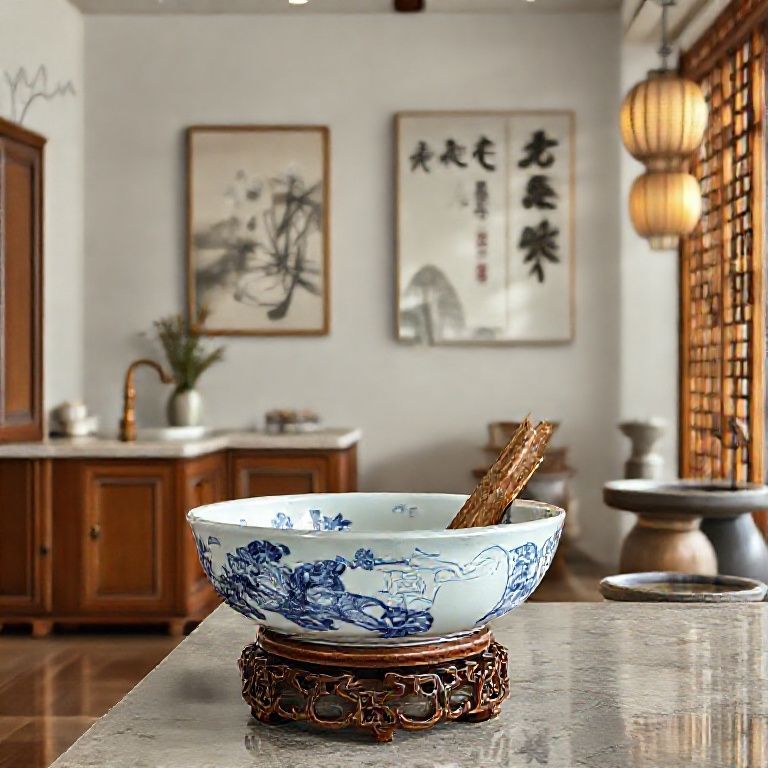
Quality and Grade: Marbles come in various grades, from premium to standard. Higher grades feature more uniform colors and fewer imperfections, resulting in higher costs.
Type and Origin: Marble from renowned regions like Italy or Turkey tends to be more expensive due to their prestige and the meticulous process involved in their extraction and processing.
Cut and Finish: The method of cutting and the type of finish applied to the marble can significantly impact its price. Polished, honed, and brushed finishes each have different costs and aesthetic outcomes.
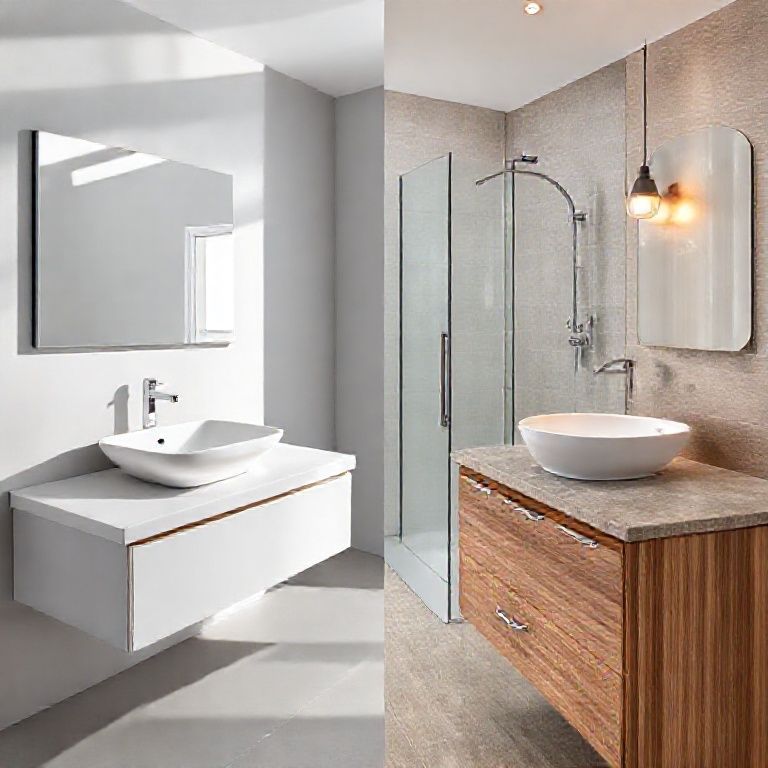
Labor Costs: Installation and maintenance costs also play a role in the overall expense. Marble requires skilled labor for cutting, fitting, and sealing, all of which contribute to the final price.
Market Demand: The global demand for marble can fluctuate, affecting its market price. Economic factors, trends in design, and seasonal variations can cause shifts in pricing.
The Aesthetic and Functional Benefits of Marble
Marble is not just a luxurious choice; it offers numerous aesthetic and functional benefits that make it a popular choice for both residential and commercial spaces.
Aesthetic Benefits:
Timeless Appeal: Marble’s classic look is timeless and versatile, suitable for various design styles from modern to traditional.
Natural Beauty: The unique patterns and colors found in marble create a sense of natural beauty and sophistication that few other materials can match.
Variety: With so many types and colors available, marble provides a vast array of options to suit any taste or design vision.
Functional Benefits:
Durability: While marble is softer than other stones like granite, high-quality marble is remarkably durable and can withstand heavy foot traffic with proper maintenance.
Ease of Cleaning: Marble surfaces can be easily cleaned with simple maintenance routines, maintaining their pristine look with minimal effort.
Heat Resistance: Marble is highly resistant to heat, making it an excellent choice for countertops and other surfaces that are frequently exposed to hot objects.
Low Maintenance: With proper sealing and regular cleaning, marble requires relatively low maintenance compared to other natural stone options.
Conclusion to Part 1
In summary, the cost of marble per square meter is influenced by a variety of factors including its type, quality, cut, finish, labor costs, and market demand. Despite its premium price, marble’s timeless elegance, natural beauty, and functional benefits make it a worthwhile investment for those looking to enhance their interiors with a touch of luxury. In the next part, we will delve deeper into the installation process, maintenance tips, and the latest trends in marble usage in modern architecture.
Mastering Marble: Installation, Maintenance, and Trends
Continuing our journey into the exquisite world of marble, this second part focuses on the installation process, essential maintenance tips, and the latest trends shaping the future of marble usage in modern architecture.
The Installation Process
Proper installation of marble is crucial to ensure its longevity and aesthetic appeal. Here’s a step-by-step guide to help you understand the process:
Planning and Design: Measurement: Accurate measurement of the space where marble will be installed is the first step. This includes taking dimensions of walls, floors, and countertops. Design: Work with a professional designer to choose the right marble type and pattern that complements your space. Preparation: Surface Preparation: Ensure that the surface where marble will be installed is clean, smooth, and free from any contaminants. This might involve removing old flooring or sealing the surface. Substrate: For flooring, a suitable substrate like plywood or concrete is required to provide a stable base for the marble tiles. Cutting and Fitting: Cutting: Marble is cut to fit the space using specialized saws. Precision is key to ensure a seamless fit and minimize waste. Fitting: The pieces are then carefully fitted together, often requiring a grout to fill in the gaps between tiles. Adhesive Application: Setting Adhesive: A high-quality adhesive is applied to the substrate or surface to hold the marble in place. Laying Marble: The marble pieces are laid onto the adhesive, ensuring they are perfectly aligned. Grouting and Sealing: Grouting: Once the marble is set, a grout is applied to fill the spaces between tiles. This should be done carefully to avoid smudging the marble. Sealing: Finally, the marble is sealed to protect it from stains and moisture. This step is crucial for maintaining the marble’s appearance and durability.
Maintenance Tips for Marble
Marble, despite its beauty, requires regular maintenance to keep it looking its best. Here are some essential tips:
Regular Cleaning: Mild Cleaners: Use only mild, pH-neutral cleaners to avoid damaging the marble surface. Avoid acidic or abrasive cleaners. Wiping: Clean marble surfaces with a soft cloth and warm water, followed by a thorough drying to prevent water spots. Proper Sealing: Sealing Frequency: Marble should be sealed every 6 to 12 months depending on its exposure to moisture and spills. This helps to create a protective barrier against stains. Application: Use high-quality, acid-resistant sealants and apply them evenly across the marble surface. Immediate Spill Management: Act Fast: If spills occur, clean them up immediately to prevent stains. Blot the spill with a soft cloth and apply a mild cleaner to the affected area. Avoiding Heat Sources: Heat Protection: Avoid placing hot pots, pans, or other heated items directly on marble surfaces to prevent discoloration.
Trends Shaping the Future of Marble
The use of marble in interior design continues to evolve, with new trends and innovations emerging regularly. Here are some of the latest trends in marble usage:
Sustainable Marble: Eco-Friendly Options: With a growing emphasis on sustainability, there is a rise in the use of eco-friendly marble alternatives. Recycled marble and low-impact extraction methods are becoming more popular. Custom Marble Creations: Unique Designs: Custom marble installations are gaining popularity. Designers are creating unique patterns and designs by combining different marble types and colors to achieve bespoke aesthetics. Innovative Marble Composites: Durability Enhancements: New composite materials that incorporate marble are being developed to enhance durability while maintaining the aesthetic appeal of traditional marble. Marble in Modern Architecture: Architectural Integration: Marble is being integrated into modern architectural designs in innovative ways, from sleek countertops to intricate wall panels and even large-scale installations.
Conclusion to Part 2. *Smart Marble Solutions:*
Tech Integration: Smart technologies are being integrated with marble to create interactive and multifunctional surfaces. For example, marble countertops that can display information or respond to touch. Smart Homes: The combination of marble and smart home technologies is creating spaces that are not only beautiful but also highly functional and responsive to user needs. Cultural and Historical Significance: Revival of Traditional Techniques: There is a resurgence in interest in traditional marble craftsmanship techniques, such as hand-carving and intricate inlay work. This revival is not only for aesthetic reasons but also as a way to preserve cultural heritage. Historical Restorations: Marble’s durability and aesthetic appeal make it a popular choice for restoring historical buildings and artifacts, preserving their beauty and structural integrity. Marble in Urban Spaces: Public Buildings: Marble is increasingly being used in public buildings for its durability, ease of maintenance, and timeless appeal. Examples include courthouses, libraries, and museums. Urban Design: Cities are incorporating marble into urban design to create visually striking public spaces, from parks to plazas, enhancing the overall aesthetic of the urban environment.
Final Thoughts
Marble remains a quintessential material in the world of interior and exterior design, blending timeless elegance with modern innovation. While the cost per square meter can be significant, the enduring appeal and multifaceted benefits of marble make it a worthwhile investment for those looking to add a touch of luxury and sophistication to their spaces. Whether for residential, commercial, or public projects, marble continues to be a preferred choice for its aesthetic, durability, and versatility.
In conclusion, understanding the cost, installation, maintenance, and the latest trends in marble usage can greatly enhance your decision-making process when incorporating this exquisite material into your design projects. Whether you are a homeowner, designer, or architect, the insights provided here can help you appreciate the full spectrum of what marble has to offer in the contemporary world.