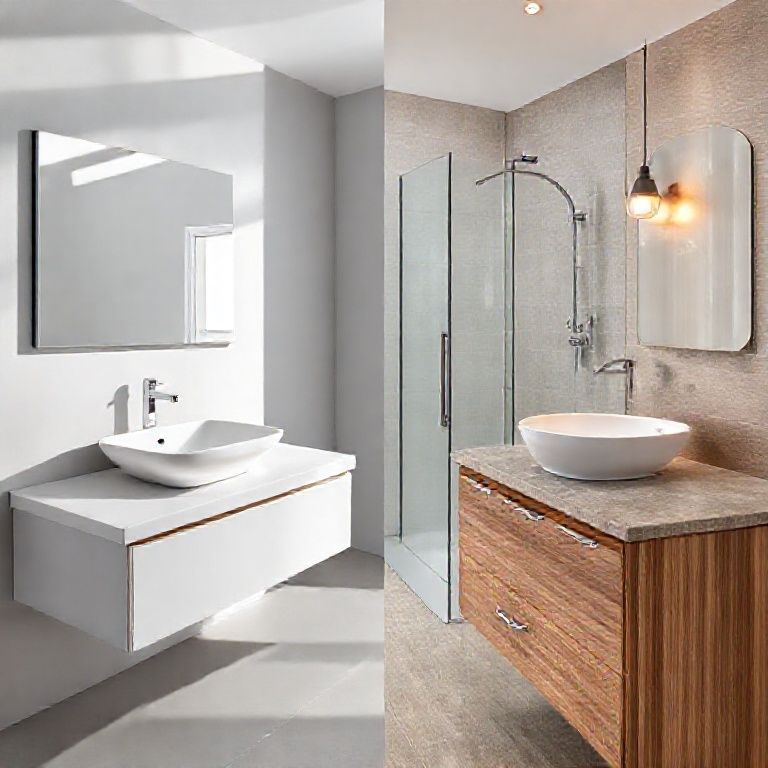
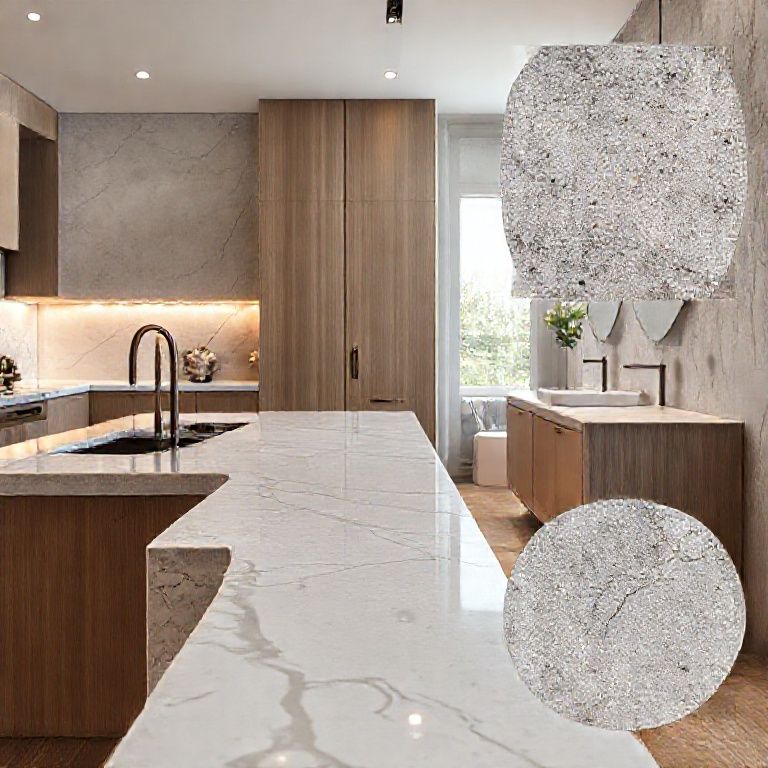
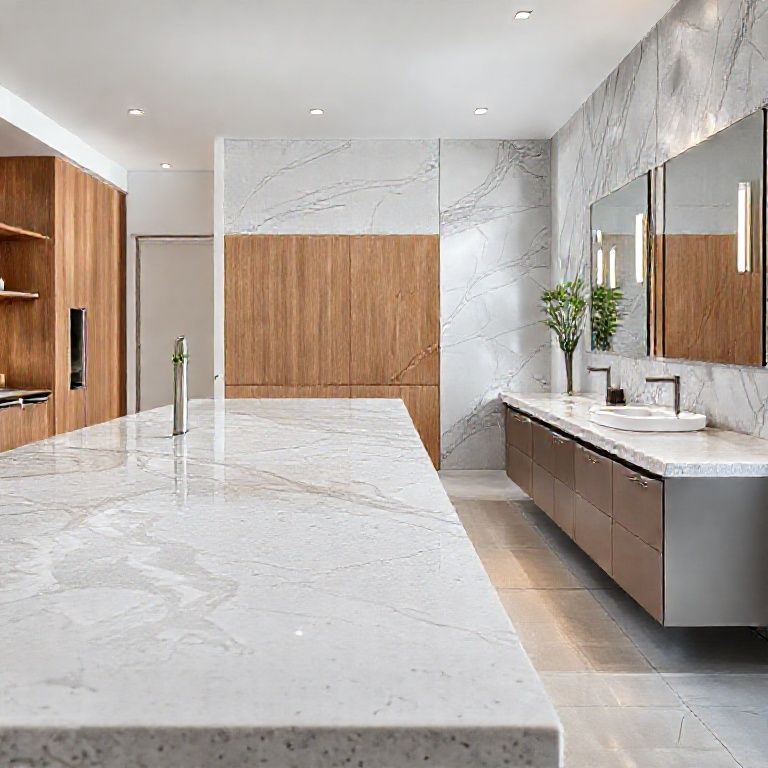
Discover the multifaceted beauty and cost considerations of general marble per square meter. In this comprehensive exploration, we delve into the nuances of marble’s allure, its diverse applications, and the factors that influence its pricing. Whether you’re a homeowner or a business owner, understanding the value and pricing of marble will empower you to make informed decisions for your next renovation or construction project.
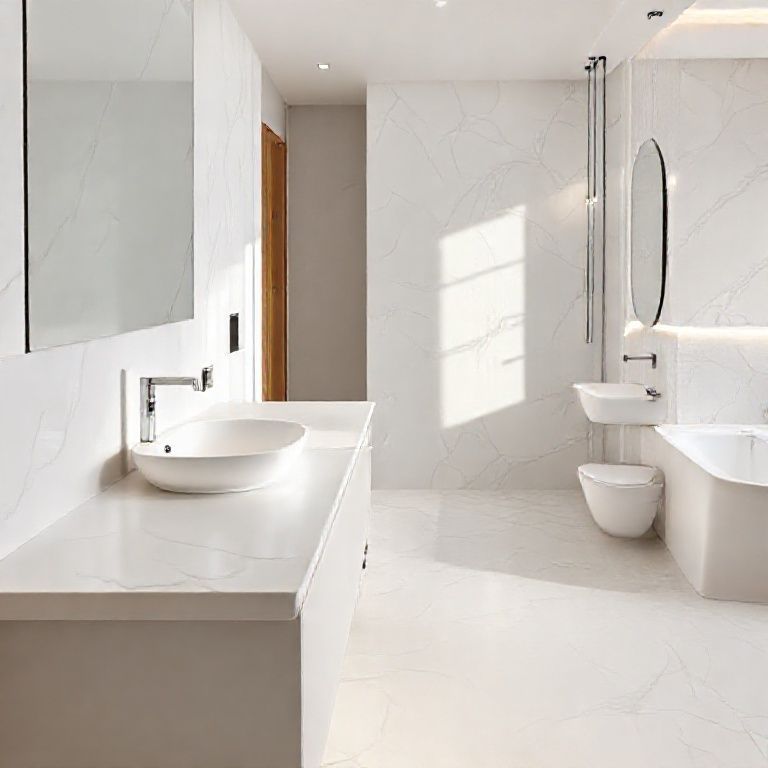
general marble, marble price per square meter, marble cost, marble pricing factors, marble applications, marble beauty, marble renovation, marble construction, marble interior design
The Timeless Beauty and Diverse Applications of General Marble
In the world of luxury materials, general marble stands as a paragon of elegance and durability. Known for its timeless appeal and intricate veining, marble has been a preferred choice for centuries, used in everything from grand palaces to contemporary homes. Let’s delve into the captivating world of marble, exploring its beauty, versatility, and the factors that influence its cost per square meter.
The Timeless Appeal of Marble
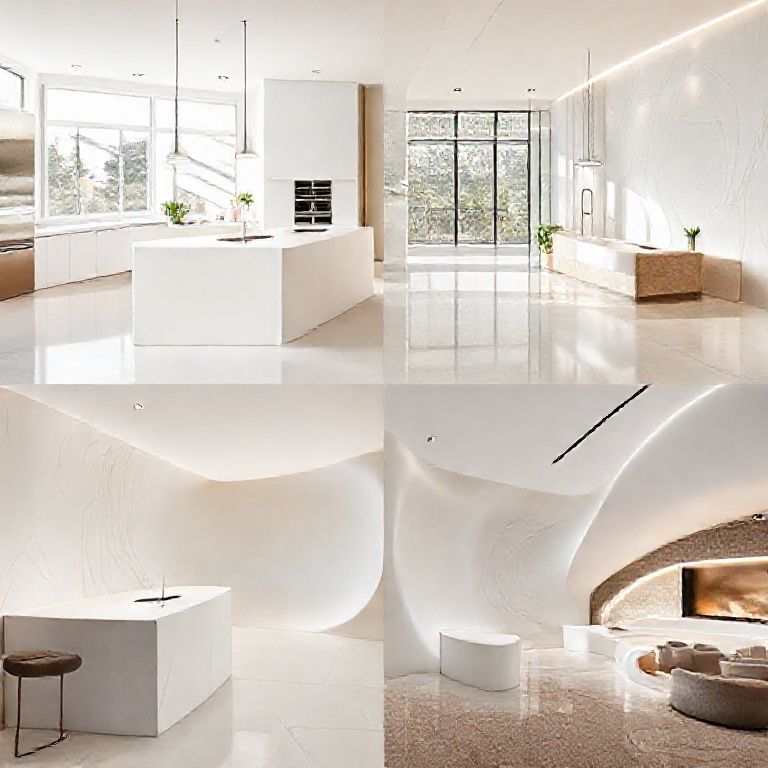
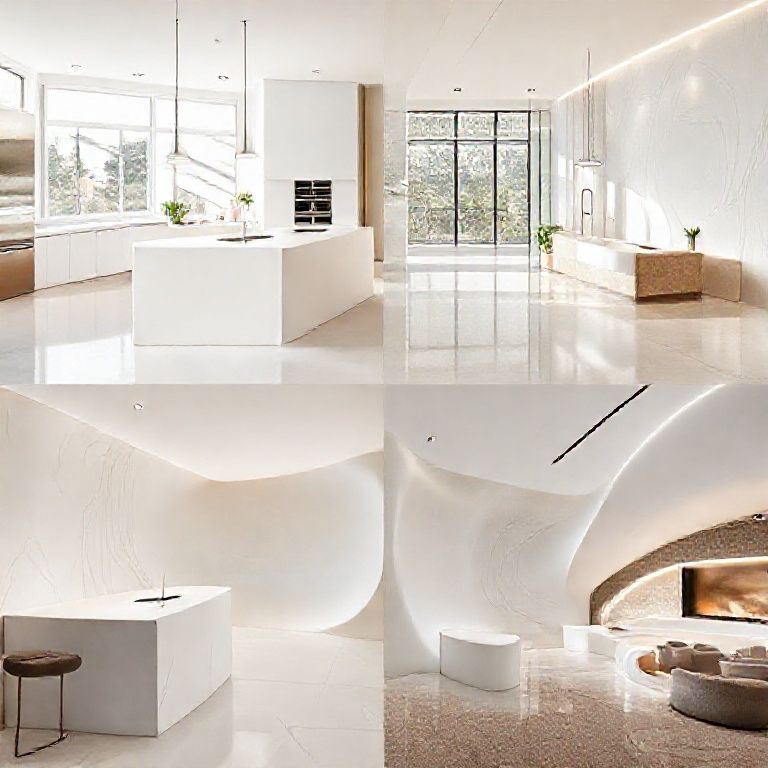
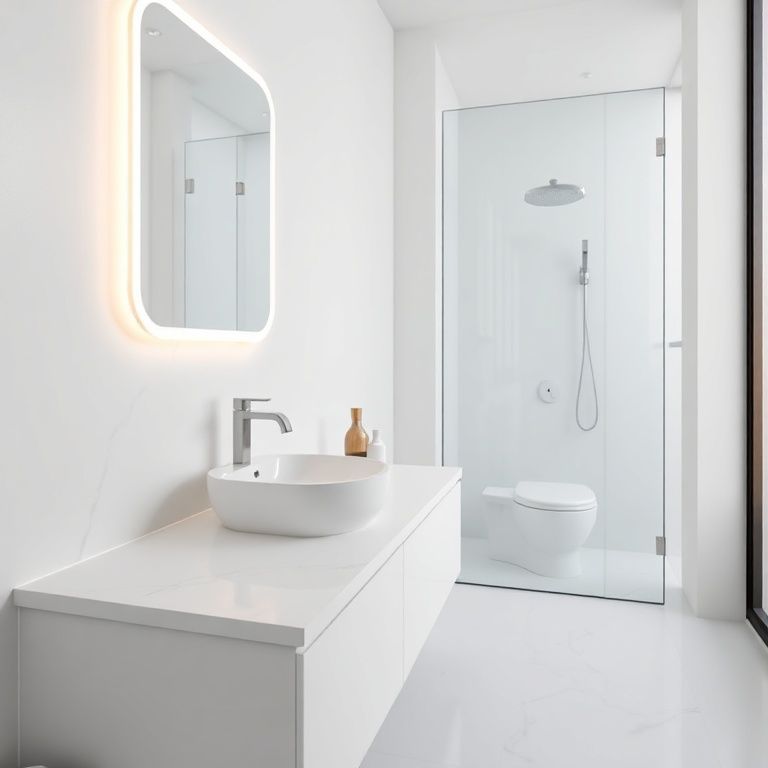
General marble is renowned for its stunning aesthetic appeal. The natural veining and color variations found in marble make each piece unique, contributing to its unmatched beauty. Marble’s lustrous sheen and rich texture are not just visually appealing; they add a touch of sophistication to any space. Whether used in flooring, countertops, or wall cladding, marble exudes a sense of luxury and timeless elegance.
Versatility in Design and Applications
Marble’s versatility extends beyond its aesthetic qualities. It is an incredibly versatile material that can be used in a variety of settings and applications. Here are some of the most popular uses of general marble:
1. Flooring
Marble flooring is a classic choice for both residential and commercial spaces. Its durability and low maintenance make it an ideal option for high-traffic areas like entrances, hallways, and living rooms. Marble’s natural beauty adds a touch of elegance that enhances the overall design of a space.
2. Countertops
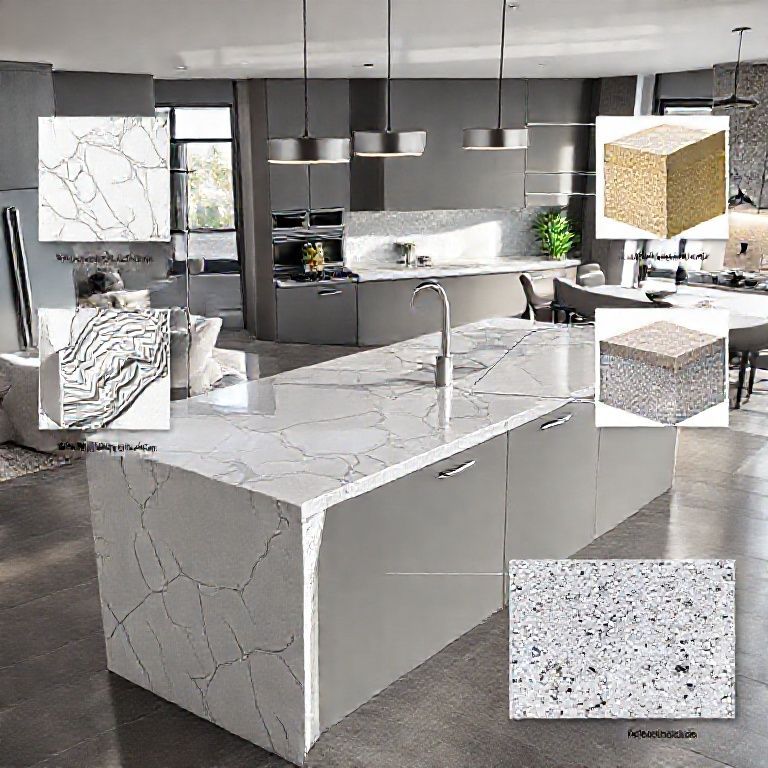
In kitchens and bathrooms, marble countertops are a popular choice for their durability and aesthetic appeal. While they require regular maintenance to keep their shine, the result is a luxurious and high-end look that enhances the functionality of these spaces.
3. Wall Cladding
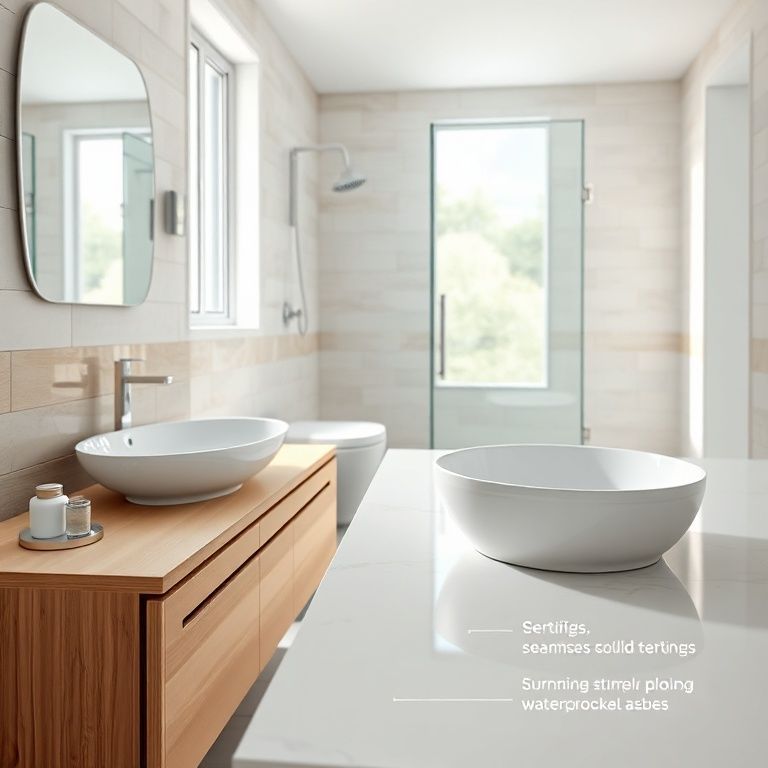
Marble wall cladding can transform the appearance of any room. Whether used in living rooms, bathrooms, or even as a backdrop in event spaces, marble adds a touch of opulence and refinement. Its ability to complement various architectural styles makes it a versatile choice for interior design.
4. Sculptures and Artwork
Marble is also prized in the world of art and sculpture. Its fine grain and ability to be finely carved make it an ideal medium for intricate and detailed works. Marble sculptures and artworks are often displayed in museums, galleries, and private collections, showcasing its enduring appeal.
Factors Influencing Marble Pricing
While the beauty of marble is undeniable, understanding the factors that influence its cost per square meter is crucial for making informed decisions. Here are some of the primary factors that determine marble pricing:
1. Quality of Marble
The quality of marble plays a significant role in its cost. High-quality marble with rich color, minimal veining, and uniform texture commands a higher price. Marbles sourced from renowned quarries, such as Italy’s Carrara or Greece’s Penteliko, are often more expensive due to their superior quality and historical significance.
2. Type of Marble
Different types of marble, such as Carrara, Bianco, and Statuario, each have unique characteristics that affect their price. For example, Carrara marble is known for its high quality and white color, making it a popular choice for sculptures and high-end interiors. In contrast, Statuario marble, with its striking black and white veining, is often used for more decorative purposes.
3. Source and Quarry
The location of the quarry from which the marble is sourced can significantly impact its cost. Marble from established and reputable quarries often comes at a premium due to their historical reputation and the meticulous care taken in their extraction and processing.
4. Thickness and Size
The thickness and size of marble slabs or tiles also influence their price. Larger and thicker pieces are generally more expensive due to the higher quantity of material required and the additional effort needed for cutting and transportation.
5. Labor Costs
The cost of labor involved in the cutting, polishing, and installation of marble also contributes to its overall price. High-quality, intricately carved marble requires skilled labor, which adds to the final cost.
6. Transportation and Import Fees
For marble sourced from abroad, transportation and import fees can significantly affect the final price. The distance from the quarry to the final destination and any additional customs or import duties must be considered.
Conclusion
The allure of general marble lies in its timeless beauty, versatility, and the luxurious feel it brings to any space. From flooring to countertops to wall cladding, marble’s diverse applications highlight its importance in both residential and commercial settings. Understanding the factors that influence marble pricing ensures that you can make informed decisions and appreciate the value of this exquisite material.
In the next part, we will further explore specific marble types, their unique characteristics, and how to select the perfect marble for your project. We will also delve into the maintenance and care tips to ensure that your marble remains pristine and beautiful for years to come.
Specific Marble Types, Selection Tips, and Maintenance
In this second part of our comprehensive guide, we will delve deeper into specific types of marble, their unique characteristics, and how to select the perfect marble for your project. We will also provide valuable maintenance and care tips to ensure that your marble retains its pristine beauty for years to come.
Exploring Specific Marble Types
Understanding the different types of marble available is essential for selecting the right material for your project. Here are some of the most popular types of marble, each with its unique characteristics and applications:
1. Carrara Marble
Characteristics: Carrara marble is renowned for its pure white color and minimal veining. It is known for its high quality and has been used in some of the most iconic structures in history, such as the Florence Cathedral and the Roman Colosseum.
Applications: Due to its aesthetic appeal, Carrara marble is often used in high-end flooring, countertops, and sculptures. Its pure white color and smooth texture make it a popular choice for luxury interiors.
2. Bianco Carrara
Characteristics: Bianco Carrara marble is similar to Carrara marble but features more veining, which can add a touch of elegance and character to the material. The veining typically ranges from white to gray, creating a subtle contrast against the white base.
Applications: This marble is ideal for countertops, wall cladding, and decorative elements. Its unique veining makes it a great choice for modern and contemporary designs.
3. Statuario Marble
Characteristics: Statuario marble is known for its striking black and white veining, which creates a dramatic and eye-catching pattern. The contrasting colors and intricate veining make it a popular choice for decorative purposes.
Applications: Statuario marble is often used in flooring, wall cladding, and decorative features. Its bold appearance is perfect for creating a statement piece in any space.
4. Nero Assoluto Marble
Characteristics: Nero Assoluto marble is a high-quality black marble with a velvety finish. Its deep, rich color and smooth texture make it a luxurious choice for any application.
Applications: This marble is ideal for high-end flooring, countertops, and wall cladding. Its elegant black color adds a touch of sophistication to any space.
5. Rosso Antico Marble
Characteristics: Rosso Antico marble features a deep red color with a unique blend of red, orange, and pink hues. Its rich, vibrant color makes it a standout choice for any project.
Applications: Rosso Antico marble is often used in flooring, countertops, and wall cladding. Its striking color makes it perfect for adding a bold, vibrant touch to any space.
Selecting the Perfect Marble for Your Project
Choosing the right marble for your project involves considering several factors to ensure that you select the material that best suits your needs and preferences. Here are some tips to help you make an informed decision:
1. Define Your Project Goals
Before selecting marble, it’s important to define the goals of your project. Consider the space’s intended use, the overall design style, and your budget. This will help you narrow down the types of marble that are best suited for your project.
2. Consider Durability and Maintenance
Different types of marble have varying levels of durability and maintenance requirements. For high-traffic areas like kitchens and bathrooms, opt for more durable marble types. For decorative purposes, you may choose a more maintenance-intensive marble that offers a unique aesthetic appeal.
3. Evaluate the Budget
Marble prices can vary significantly depending on the type, quality, and source. Set a budget that includes not only the cost of the marble but also labor, transportation, and any additional fees. This will help you select a marble that offers the best value for your money.
4. Seek Professional Advice
Consulting with a professional marble supplier or designer can provide valuable insights and recommendations. They can help you understand the different types of marble, their characteristics, and how to best utilize them in your project.
Maintenance and Care Tips
Proper maintenance and care are essential to keep your marble looking beautiful and prolong its lifespan. Here### Maintenance and Care Tips
Proper maintenance and care are essential to keep your marble looking beautiful and prolong its lifespan. Here are some essential tips for maintaining marble surfaces:
1. Regular Cleaning
Use a Soft Cloth and pH-Neutral Cleaner: Marble is naturally porous and can be easily stained by acidic substances. Use a soft, dry cloth and a pH-neutral cleaner to clean marble surfaces regularly. Avoid using harsh chemicals, vinegar, or citrus-based cleaners, as they can damage the marble.
Rinse Immediately: If any acidic substances, such as juice or coffee, spill on marble, rinse the area immediately with water to prevent staining. Blot the area gently with a soft cloth to absorb the liquid.
2. Polishing
Use Marble Polishing Compounds: To maintain the shine of marble, use a marble polishing compound specifically designed for marble. Apply the compound with a soft cloth and buff the surface to restore its shine.
Avoid Abrasive Cleaners: Do not use abrasive cleaners or scrubbers on marble, as they can scratch the surface and dull its luster.
3. Sealing
Regular Sealing: While marble does not require sealing like other natural stones, it is a good idea to apply a high-quality marble sealant periodically to protect the surface from stains and spills. Follow the manufacturer’s instructions for application and reapplication.
Choose the Right Sealant: Use a sealant that is pH-neutral and specifically formulated for marble. This will help to maintain the integrity of the marble while providing a protective barrier.
4. Furniture and Accessories
Use Coasters and Trivets: To prevent heat and acidic damage from glasses, mugs, and other items, always use coasters and trivets when placing them on marble surfaces.
Avoid Heavy Items: Avoid placing heavy items directly on marble surfaces, as they can cause indentations or scratches. Use coasters or trivets to distribute the weight.
5. Repairs
Professional Repairs: If your marble surface is damaged, it’s best to seek professional repair services. Marble repair specialists can fill in cracks, chips, and stains using matching marble dust and epoxy resin, restoring the surface to its original beauty.
Avoid DIY Repair Kits: Many DIY repair kits claim to fix marble damage, but they often do not provide long-lasting results. It’s best to leave repairs to professionals.
Conclusion
Selecting and maintaining marble for your project requires careful consideration of its unique properties and care requirements. By understanding the different types of marble, their applications, and how to properly care for them, you can ensure that your marble surfaces remain beautiful and durable for years to come. Whether you’re designing a luxurious kitchen, a sophisticated bathroom, or a grand entranceway, marble’s timeless beauty and versatility make it a superior choice for any high-end project.
In summary, marble is a luxurious and timeless material that offers unmatched beauty and durability when used correctly. By choosing the right type of marble and following proper maintenance and care practices, you can enjoy the elegance and elegance of marble in your space for many years to come.