The Timeless Allure and Design Versatility of Granite Tile Specifications
Introduction to Granite Tile Specifications
When it comes to selecting flooring that combines timeless elegance with robust durability, granite tiles often stand out as a top choice. Granite, a naturally occurring metamorphic rock, boasts a rich history that dates back millions of years. Its inherent qualities of strength and resilience make it an ideal material for various applications, especially in flooring. In this section, we will explore the diverse granite tile specifications that can transform your space into a luxurious haven.
Aesthetic Appeal and Design Versatility
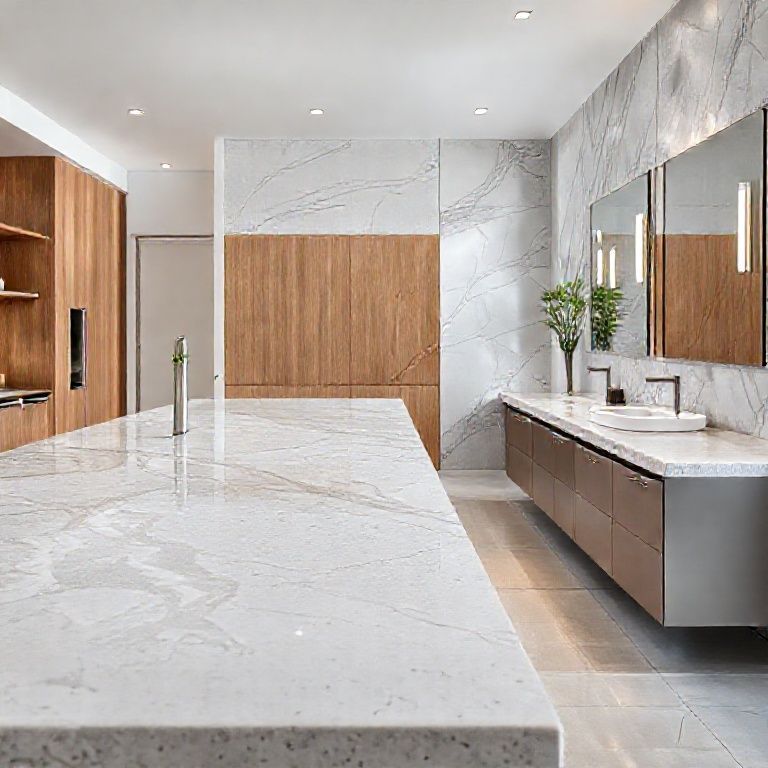
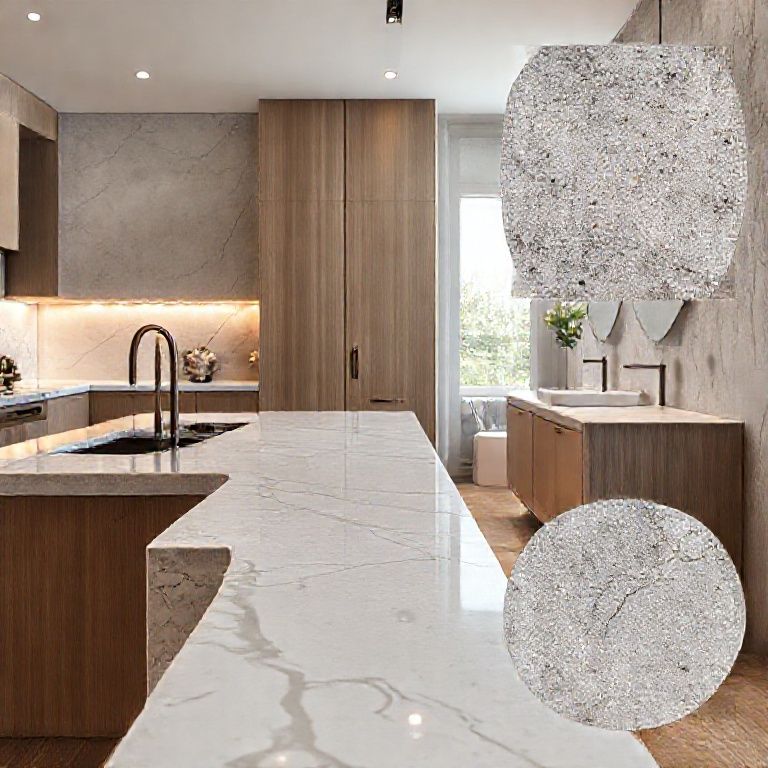
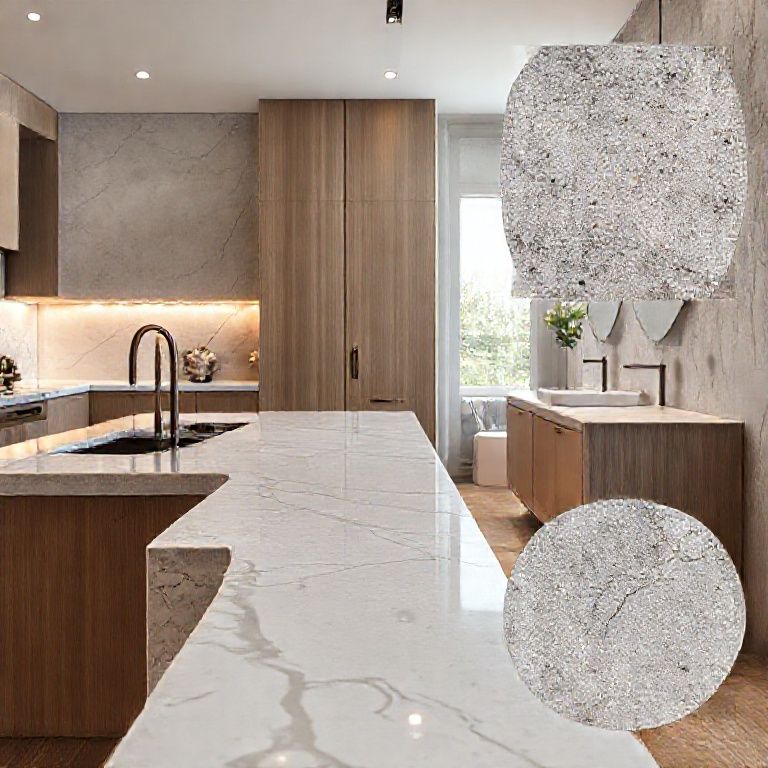
Granite tiles are renowned for their striking aesthetic appeal. The natural beauty of granite is enhanced by its wide range of colors and patterns, making it suitable for various design styles from modern to traditional. Whether you prefer a sleek, monochromatic look or a more ornate, multicolored design, there is a granite tile specification that can meet your needs.
One of the most appealing aspects of granite tiles is their versatility. The tiles come in various sizes and formats, including:
Rectified Tiles: These tiles are cut to precise specifications to ensure uniformity in size and shape, making them ideal for intricate designs and seamless layouts. Hexagonal Tiles: Known for their geometric appeal, hexagonal tiles add a unique and stylish touch to any flooring design. Jigsaw Tiles: These tiles offer a more casual and natural look, perfect for creating a rustic or farmhouse-style floor.
Durability and Maintenance
Granite tiles are celebrated for their exceptional durability. The natural composition of granite provides resistance to scratches, stains, and thermal damage, making it a low-maintenance material that can withstand heavy foot traffic and daily wear and tear.
Proper maintenance is key to preserving the beauty and longevity of granite tiles. Here are some essential tips:
Regular Cleaning: Use a soft cloth and a mild detergent to clean granite tiles regularly. Avoid using harsh chemicals that can etch the surface. Immediate Stain Treatment: For any spills or stains, act quickly. Blot the spill with a clean cloth and use a granite-specific cleaner to remove it before it has a chance to set. Sealing: Although granite is naturally resistant, it’s often recommended to seal the tiles periodically to enhance their durability and protect against stains.
Installation Techniques
Installing granite tiles requires careful planning and execution to ensure a flawless finish. Here are the steps to follow for a professional-looking installation:
Preparation: Begin with a clean and level surface. Use a leveling compound if necessary to address any unevenness in the subfloor. Laying the Tiles: Use a tile spacer to maintain consistent gaps between tiles. Start from one corner and work your way across, ensuring tiles are perfectly aligned. Grouting: Once the tiles are set, apply grout to fill the spaces between them. Choose a color that complements the tiles. Sealing the Grout: After the grout has cured, apply a grout sealer to protect against stains and moisture.
Choosing the Right Granite Tile Specification
Selecting the right granite tile specification involves considering several factors, including the intended use of the space, design preferences, and budget constraints. Here are some key considerations:
Tile Size: Larger tiles offer a more cohesive look, while smaller tiles can create a more intricate and detailed design. The size also impacts the amount of grout needed and the overall appearance. Color and Pattern: Choose a color that complements your existing décor. Granite comes in a myriad of hues, from classic grays and blacks to vibrant reds and yellows. Thickness: Thicker tiles provide added durability but may require more precise installation techniques. Thinner tiles are easier to install but may be more prone to damage.
Conclusion
Granite tiles are a superior choice for anyone looking to enhance the beauty and durability of their flooring. With their versatile design options, impressive longevity, and low maintenance requirements, granite tiles can elevate any space to a new level of elegance and sophistication. Whether you are renovating an old home or building a new one, granite tile specifications offer a timeless solution that promises to impress for years to come.
Advanced Installation Techniques and Maintenance Tips for Granite Tile Specifications
Advanced Installation Techniques
For a professional and flawless installation of granite tiles, it’s essential to employ advanced techniques that ensure precision and longevity. Here are some detailed steps to follow:
Surface Preparation: Begin with a thorough inspection of the subfloor. Ensure it is clean, dry, and level. Address any imperfections with a leveling compound or underlayment as necessary. Allow adequate time for curing before proceeding.
Moisture Barrier: Install a moisture barrier if the subfloor is prone to moisture. This step is crucial in areas like bathrooms and kitchens to prevent water damage to the tiles and grout.
Tile Cutting: Use a wet saw to cut granite tiles to size. A wet saw is essential for achieving clean, precise cuts. Always wear safety goggles and a mask to protect against dust.
Tile Adhesive Application: Apply tile adhesive to the subfloor using a notched trowel. Ensure an even layer to provide proper adhesion. The thickness of the adhesive should be consistent across the surface.
Tile Positioning: Begin laying tiles from one corner, using tile spacers to maintain uniform gaps. Press each tile firmly into the adhesive. Use a rubber mallet to gently tap the tiles into place if needed.
Grouting Process: After the tiles have set and the adhesive has cured, apply grout using a grout float. Start with a grout color that complements the tiles. Fill all the gaps between tiles completely.
Grouting Joints: Once the grout has set, clean off excess grout from the tile surfaces using a damp sponge. Rinse the sponge frequently to avoid staining the grout.
Curing the Grout: Allow the grout to cure for the recommended time before sealing. This period can vary based on the type of grout used.
Advanced Maintenance Tips
Maintaining granite tiles involves regular care to ensure they remain in pristine condition. Here are some advanced tips to keep your granite floors looking their best:
Regular Cleaning: Use a soft, non-abrasive cloth and a mild detergent to clean granite tiles regularly. Avoid using abrasive cleaners or scrubbers that can scratch the surface.
Stain Treatment: For any spills or stains, act quickly. Blot the spill with a clean cloth and use a granite-specific cleaner or a mixture of vinegar and water to remove the stain. Rinse thoroughly and dry with a clean cloth.
Sealing: Although granite is naturally resistant, it’s often recommended to seal the tiles periodically. Use a high-quality, penetrating sealer that enhances the tile’s natural resistance to stains and moisture.
Avoiding Harsh Chemicals: Refrain from using harsh chemicals, bleach, or acidic solutions on granite tiles. These can etch the surface and cause discoloration.
Regular Inspection: Regularly inspect your granite tiles for any signs of damage or wear. Address minor issues promptly to prevent them from becoming more significant problems.
Handling Heavy Objects: To avoid scratches and chips, use coasters and placemats under heavy objects. This practice is particularly important in high-traffic areas.
Choosing the Right Installation and Maintenance Plan
Selecting the right installation and maintenance plan for your granite tile specifications involves understanding the unique needs of your space and the quality of the materials used. Here are some guidelines to follow:
Professional Installation: Consider hiring a professional for installation to ensure precision and expertise. A professional can also provide valuable advice on maintenance practices. Quality Materials: Invest in high-quality tiles and grout. Higher-grade materials often provide better durability and appearance. Regular Maintenance Schedule: Develop a regular maintenance schedule that includes cleaning, sealing, and inspecting your granite tiles. Consistency is key to preserving the beauty and longevity of your flooring.
Conclusion
Granite tile specifications offer an exceptional blend of durability, aesthetic appeal, and versatility, making them an ideal choice for any flooring project. With advanced installation techniques and diligent maintenance, you can ensure that your granite tiles remain stunning and resilient for years to come. Whether you’re renovating an old space or creating a new one, the timeless allure of granite tiles will undoubtedly enhance the elegance and functionality of your flooring.