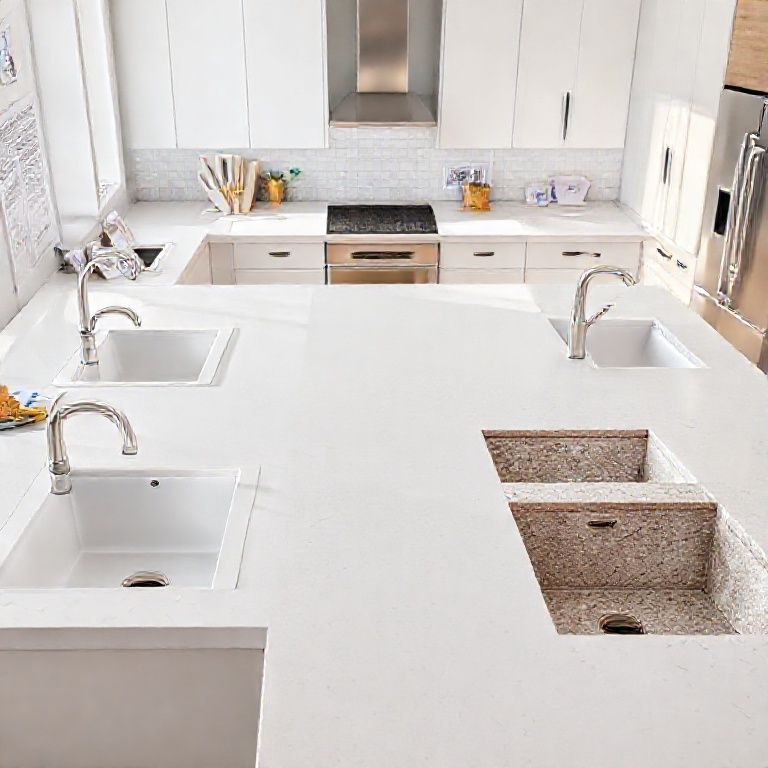
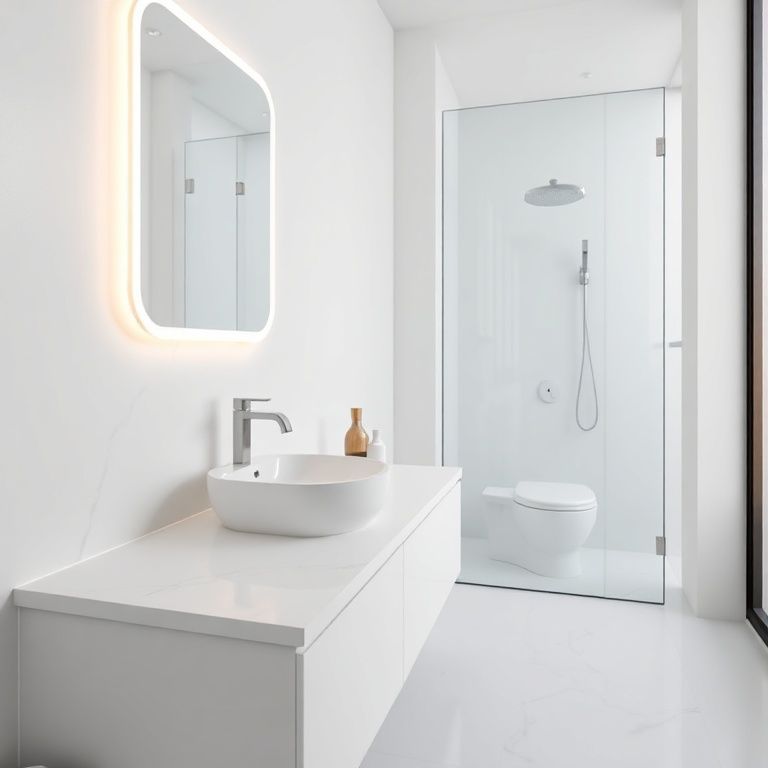
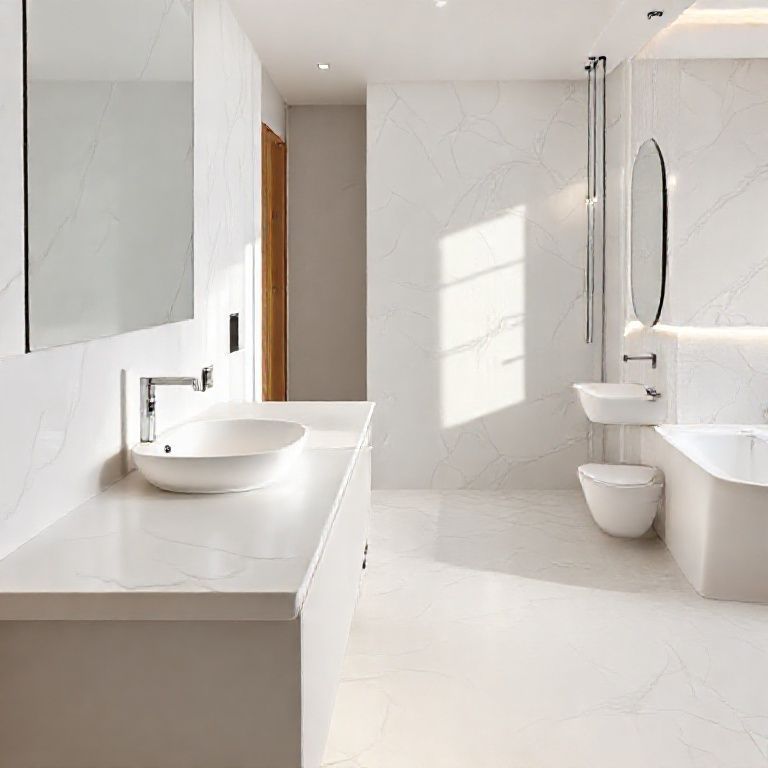
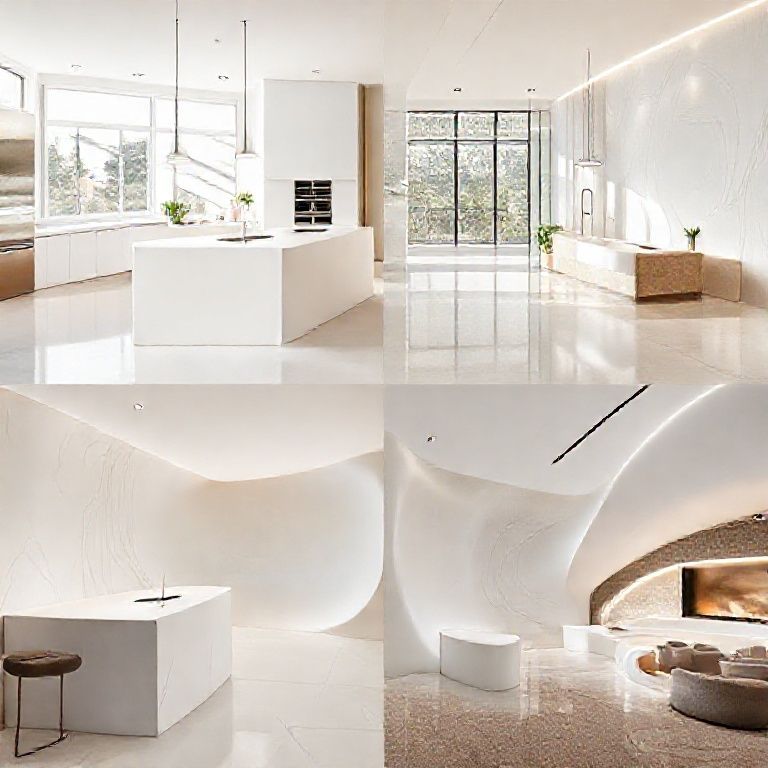
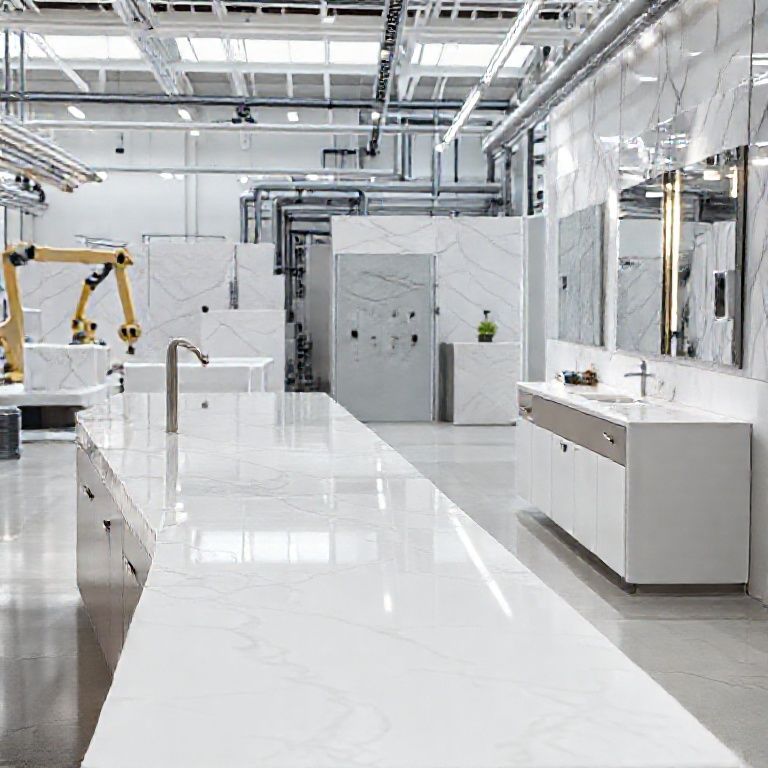
In the realm of modern kitchen and bathroom design, artificial stone countertops stand out as a pinnacle of beauty and functionality. Renowned for their aesthetic versatility and resilience, these countertops have become a favored choice among designers and homeowners alike. But how exactly is this remarkable material crafted and installed to perfection? This article will delve into the intricate art of artificial stone countertop construction, shedding light on the fundamental techniques, materials, and meticulous planning that ensure a flawless finish.
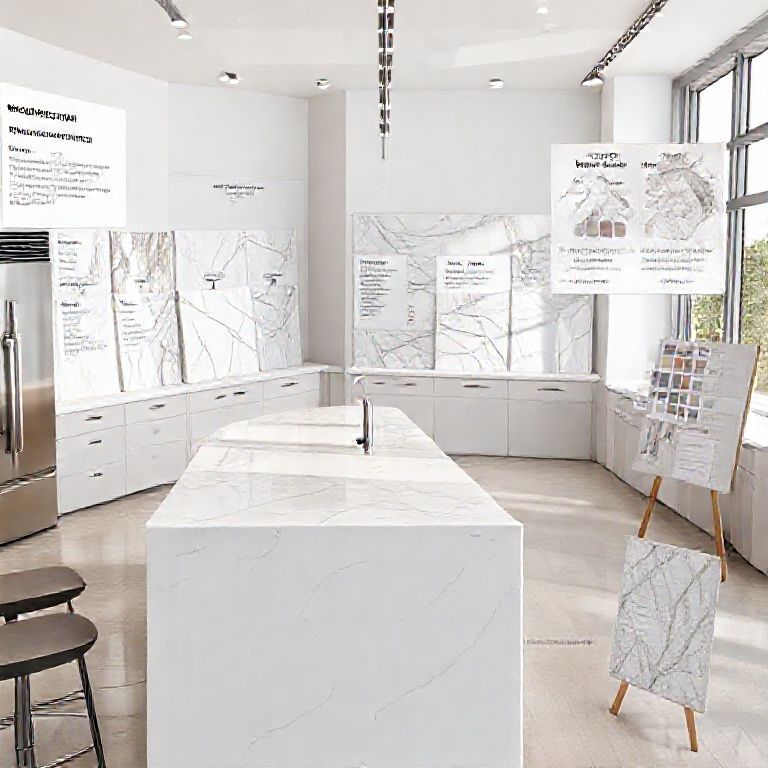
Choosing the Right Materials
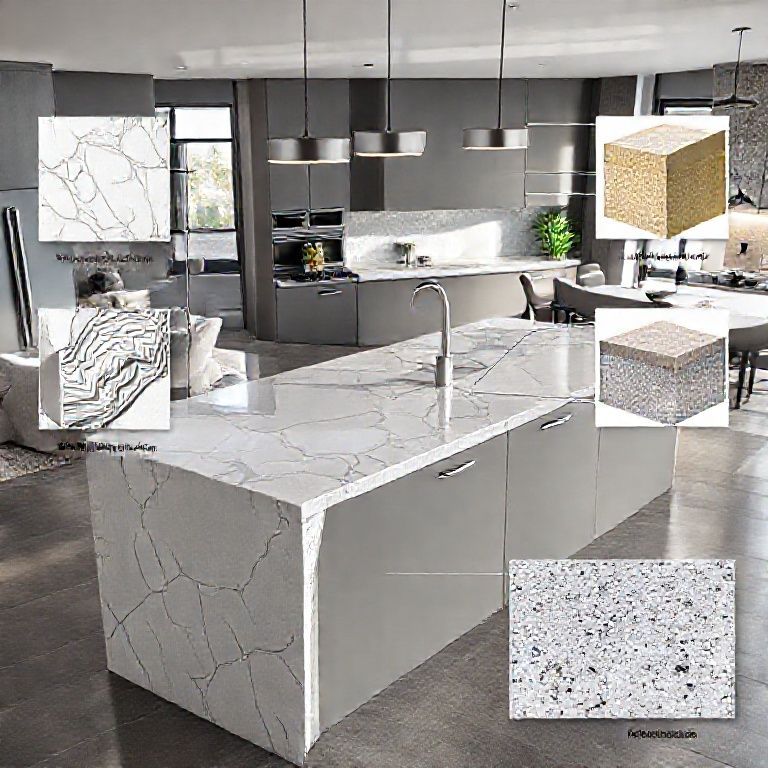
The first step in any artificial stone countertop construction is selecting the appropriate materials. Artificial stone, often referred to as “quartz,” is a composite material made from 93% natural stone and 7% resin. This combination yields a product that is not only visually stunning but also remarkably durable. The variety of natural stone types available—such as marble, granite, and slate—allows for a wide array of colors and patterns, enabling designers to create bespoke surfaces that match any decor style.
The resin used in artificial stone is crucial for binding the stone particles together, and it significantly affects the countertop’s strength and resistance to scratches and stains. High-quality resins ensure that the final product is not only visually appealing but also highly functional, capable of withstanding daily use and abuse.
Surface Preparation
Before the construction process begins, thorough surface preparation is essential. The area where the countertop will be installed must be impeccably clean and free of any debris, grease, or construction dust. This involves a deep clean using industrial-grade cleaners and a power washer if necessary. The surface should then be dried completely to avoid any moisture that could interfere with the adhesion process.
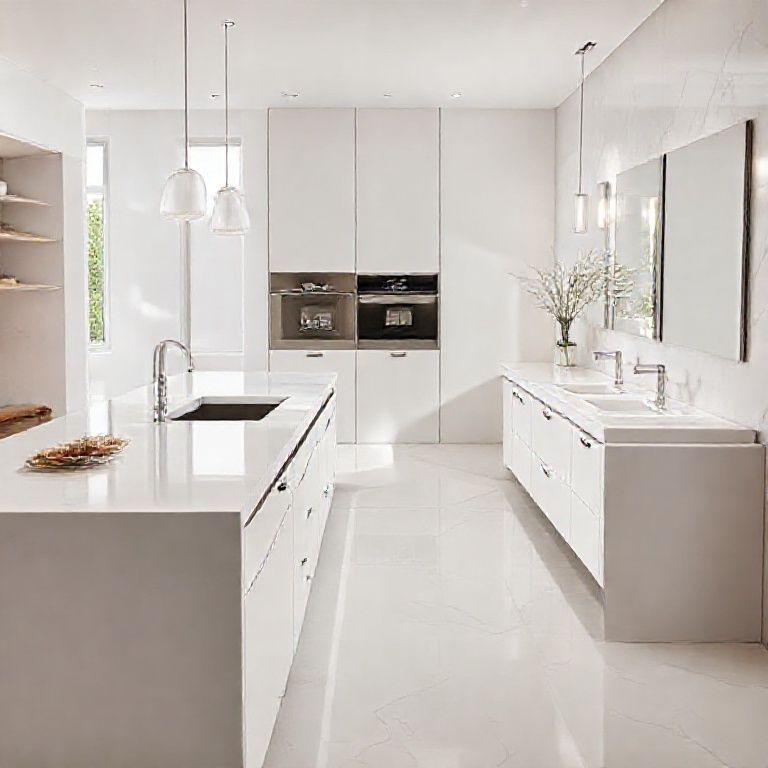
In cases where the countertop is being installed over an existing surface, careful measurement and cutting are required to ensure a precise fit. This often involves using specialized tools like wet saws and tile nippers to make clean, accurate cuts. The existing surface may also need to be leveled and smoothed to provide a stable base for the artificial stone countertop.
Mixing and Pouring
Once the surface is prepared, the next step is the mixing and pouring of the artificial stone material. This process requires precision and expertise to achieve the desired texture and color. The natural stone and resin are carefully mixed in a controlled environment to ensure uniformity and strength.
The mixed material is then poured onto the prepared surface, where it is spread evenly using a trowel or other spreading tool. The surface is often lightly polished at this stage to begin shaping the countertop to the desired contours. Special molds or forms may be used to create specific shapes or edges, adding to the countertop’s overall design.
Curing and Finishing
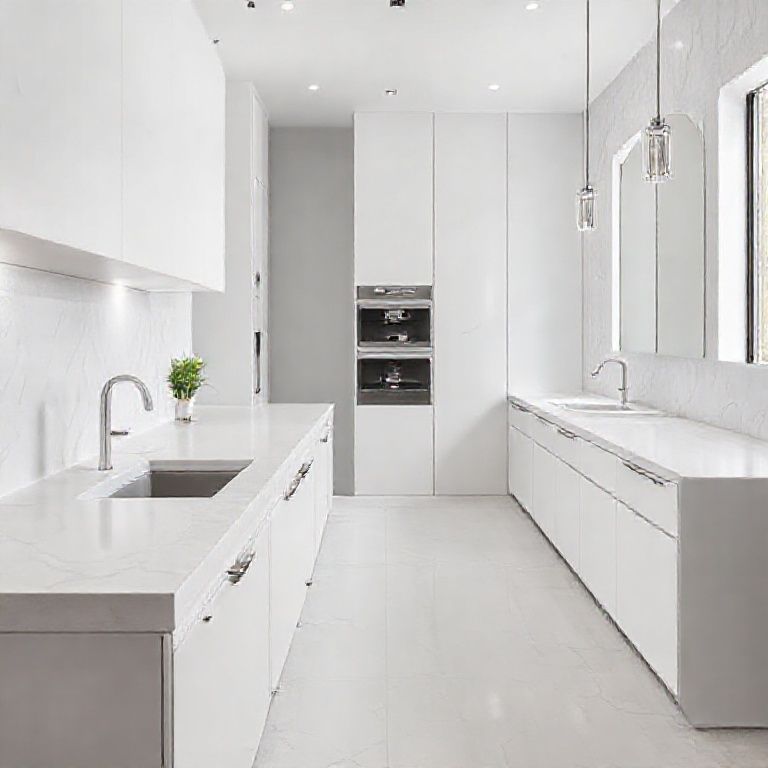
After pouring, the artificial stone countertop enters the curing phase, which is vital for developing its full strength and durability. Curing typically involves a period of controlled drying and sometimes heat treatment to ensure the resin fully bonds with the stone particles. This process can take several days, during which the countertop must remain undisturbed to avoid any imperfections.
Once cured, the countertop undergoes a finishing phase where the surface is polished to a high shine, revealing the intricate beauty of the embedded stone particles. This step not only enhances the aesthetic appeal but also adds an extra layer of protection against scratches and stains.
Sealing and Maintenance
To maximize the longevity and maintain the pristine appearance of the artificial stone countertop, sealing is often recommended. A high-quality sealant is applied to the surface, which forms a protective barrier against spills, stains, and everyday wear. This step is crucial for ensuring that the countertop remains in top condition for years to come.
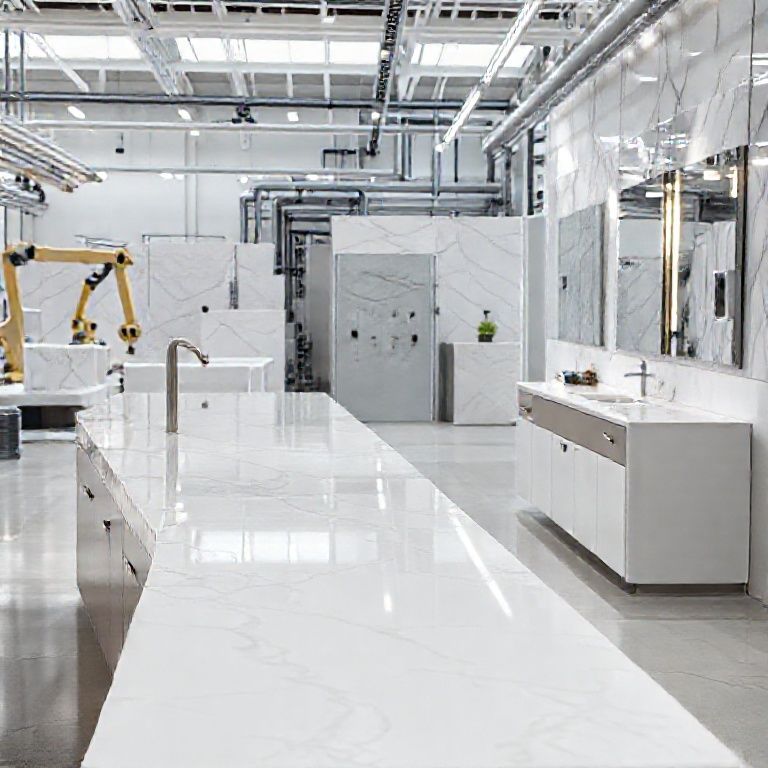
Regular maintenance is also essential. Simple tasks like wiping down the surface with a damp cloth and using appropriate cleaning products can go a long way in preserving the countertop’s beauty and functionality. Avoiding abrasive cleaners and cutting boards is also recommended to prevent scratches and damage.
Conclusion
The construction of artificial stone countertops is a meticulous process that requires careful selection of materials, precise preparation, and expert handling. By understanding the fundamental techniques involved, homeowners and designers can ensure that their countertops are not only beautiful but also durable and low-maintenance. In the next part of this article, we will explore advanced techniques, customization options, and real-world applications to further understand the transformative impact of artificial stone countertops in modern design.
Continuing our deep dive into the world of artificial stone countertop construction, this second part will delve into the advanced techniques, customization options, and real-world applications that make these countertops a versatile choice for modern design. We will explore how these surfaces can be tailored to meet specific design needs, as well as the intricacies involved in handling complex installations.
Advanced Techniques
While the fundamental techniques of mixing, pouring, curing, and polishing provide a solid foundation, advanced techniques can elevate the quality and aesthetic appeal of artificial stone countertops. These techniques often involve specialized equipment and expertise to achieve intricate designs and complex shapes.
One such technique is layering, which allows for the creation of multi-dimensional textures and patterns. This involves pouring multiple layers of different colored materials to create a rich, three-dimensional effect. Layering can also be used to simulate the natural veining and graining found in traditional stone materials, adding a touch of authenticity and elegance.
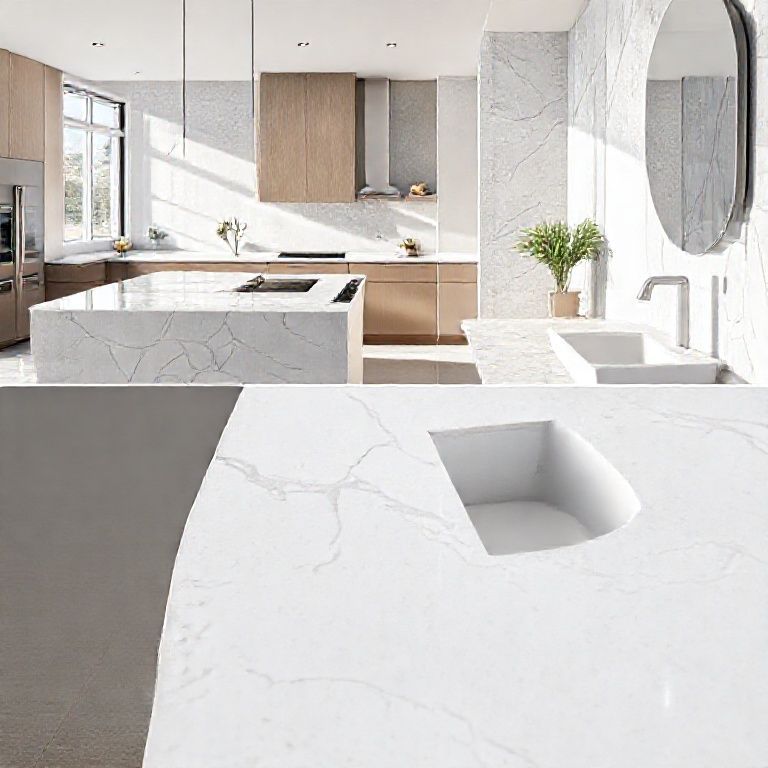
Another advanced technique is the use of special molds and forms to create bespoke shapes and contours. These can range from intricate curves and angles to unique edge designs that complement the overall design of a kitchen or bathroom. The precision required in these processes often necessitates the use of CNC machines or other advanced manufacturing tools to ensure flawless results.
Customization Options
One of the most compelling aspects of artificial stone countertops is their ability to be customized to meet specific design needs. This customization can extend to color, pattern, texture, and even shape, allowing for unparalleled versatility in design.
Color matching is a common customization option, where the artificial stone can be designed to closely match existing natural stone or other materials in the home. This ensures a seamless, cohesive look throughout the space. Advanced color matching techniques involve the use of proprietary colorants and pigments that can reproduce even the most subtle shades with incredible accuracy.
Additionally, the texture of the countertop can be customized to mimic various natural stones or to create entirely unique finishes. This can include anything from smooth, polished surfaces to rough, textured finishes that resemble stone or wood. The possibilities are virtually endless, making artificial stone a highly adaptable material for any design vision.
Real-World Applications
Artificial stone countertops have found applications in a wide range of settings, from residential kitchens and bathrooms to commercial spaces like restaurants, cafes, and office environments. Their versatility and durability make them an excellent choice for any space that requires a high-quality, low-maintenance surface.
In residential settings, artificial stone countertops are often used to replace traditional stone or wood surfaces due to their superior durability and ease of maintenance. They provide a sleek, modern look that can enhance the overall aesthetic of a home while offering practical benefits like resistance to stains and scratches.
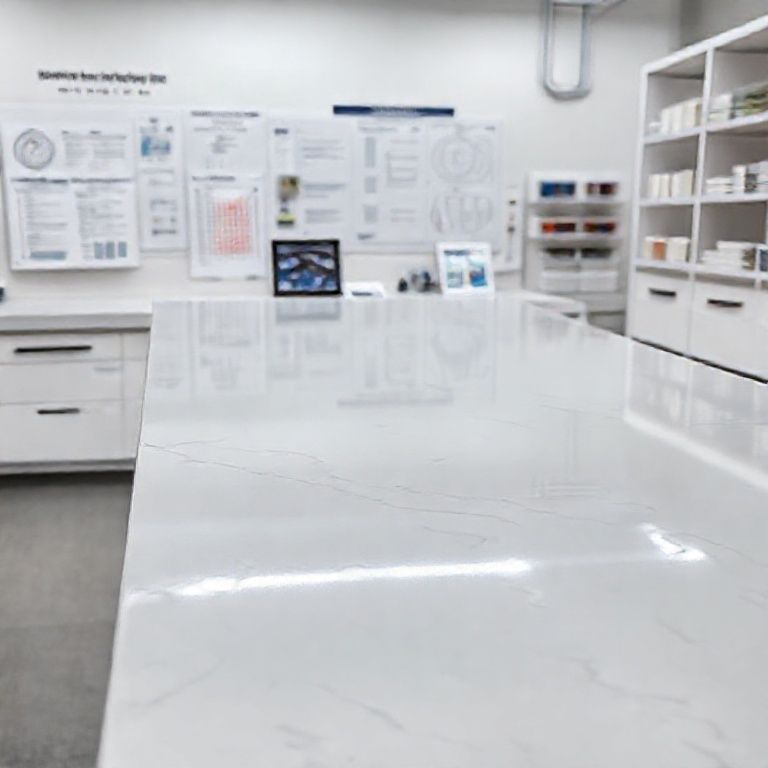
In commercial spaces, the demand for high-quality, durable surfaces is even greater. Artificial stone countertops are commonly used in food service areas where hygiene and durability are paramount. Their resistance to bacteria and easy-to-clean surfaces make them ideal for such environments. Additionally, the ability to customize these countertops to match specific branding or design themes makes them a popular choice for commercial projects.
Handling Intricate Installations
Installing artificial stone countertops can sometimes involve intricate and challenging tasks, especially when dealing with complex shapes, tight spaces, or unique design requirements. Here are some key considerations for handling such installations:
Precision Cutting: Achieving clean, precise cuts is essential for intricate installations. This often involves the use of specialized tools like wet saws, tile nippers, and angle grinders. Advanced techniques such as laser cutting can also be employed to achieve perfectly straight and smooth edges.
Edge Finishing: Finishing the edges of the countertop to prevent chipping and ensure a neat appearance is critical. Techniques such as edge grinding, polishing, or using edge bands can help achieve a professional finish.
Integration with Existing Structures: When integrating the countertop with existing structures like cabinets or sinks, careful planning and precise fitting are necessary. This might involve custom fabrication of parts or the use of specialized connectors and brackets.
Adhesion and Securing: Ensuring that the countertop adheres properly to the base surface is crucial for longevity and stability. This often involves using high-quality adhesives and ensuring that the surface is perfectly level and clean before application.
Conclusion
Artificial stone countertops represent a harmonious blend of beauty, durability, and versatility, making them a standout choice in modern design. By understanding advanced techniques, customization options, and the intricacies of complex installations, homeowners and designers can fully harness the potential of these countertops to create stunning, functional spaces. In the ever-evolving world的建筑和设计领域,掌握这些知识和技能能够极大地提升工程质量和项目成功率。
无论是住宅、商业还是公共设施,合理应用人造石台面的安装和施工工艺都能为项目增添独特的魅力和实用性。
未来趋势与创新
随着材料科学和制造技术的不断进步,人造石台面的未来充满了无限的可能性。未来的人造石材可能会更加环保,采用更少的有害化学物质,并且在制造过程中更加节能。新的设计技术和数字化工具也将改变人造石台面的制造和安装方式。
环保与可持续发展
在全球环保意识不断增强的今天,如何在享受现代建筑设计带来的便利和美感的实现环保和可持续发展,成为了建筑行业的一大课题。人造石台面在这方面表现得尤为出色。其主要原料来源于天然石材,经过精细加工,既减少了对环境的破坏,又提供了优质的建筑材料。
其耐用性和易于清洁的特点也减少了频繁更换带来的资源浪费。
智能化与个性化
智能化和个性化是现代建筑设计的两大趋势。在人造石台面的应用中,智能化主要体现在其与智能家居系统的无缝集成。例如,通过智能传感器和控制系统,可以实现台面的温度调节、自动清洁等功能。个性化方面,人造石台面可以根据客户的需求定制各种形状、颜色和纹理,提供无与伦比的设计灵活性。
总结
人造石台面的施工工艺不仅仅是一个简单的安装过程,它融合了科学技术、设计艺术和环保理念,成为了现代建筑和室内设计中不可或缺的重要元素。无论是从材料选择、施工技术到后续的维护和保养,每一个环节都需要专业的知识和技能。通过不断学习和创新,我们不仅能够提升工作的质量和效率,还能为社会带来更加美好、环保和智能的生活环境。
希望这篇文章能够为您提供有关人造石台面施工工艺的详细信息,如有更多问题或需要进一步探讨的话题,请随时提出。