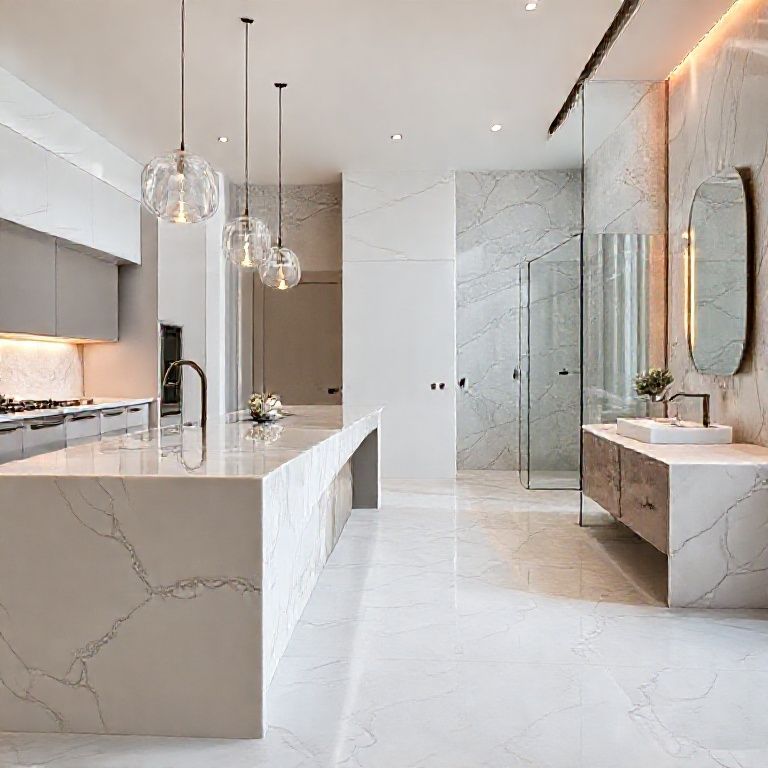
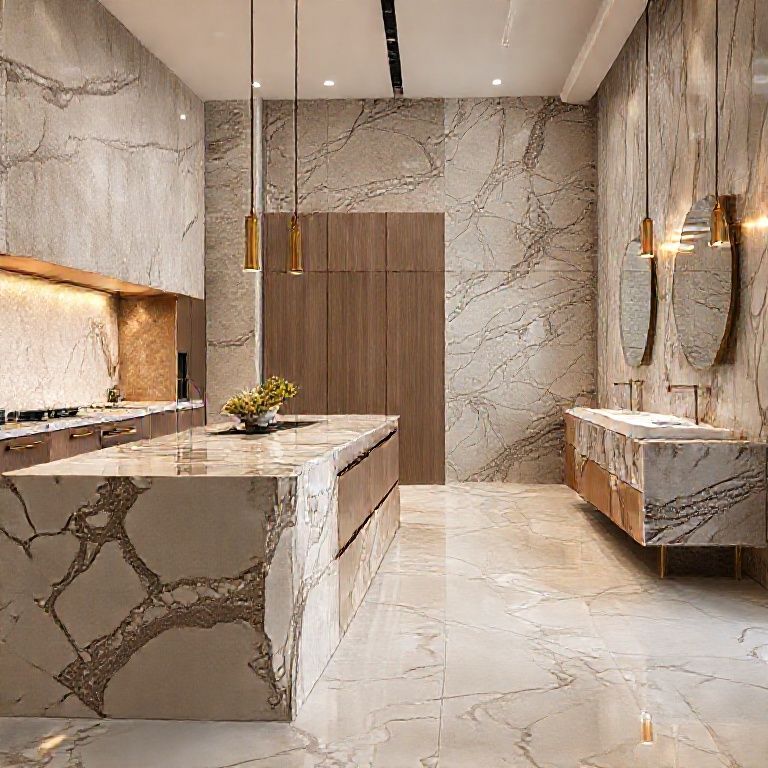
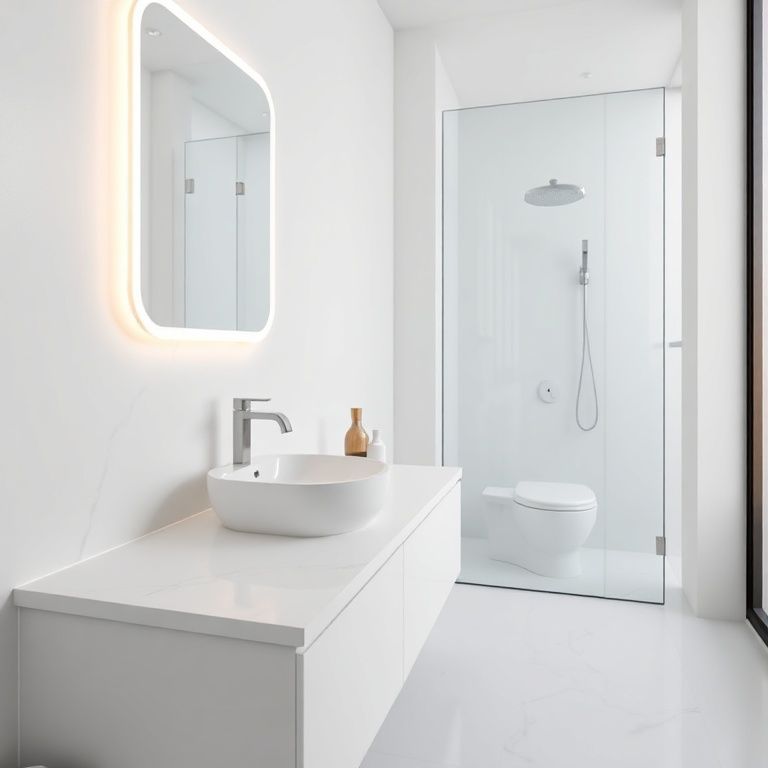
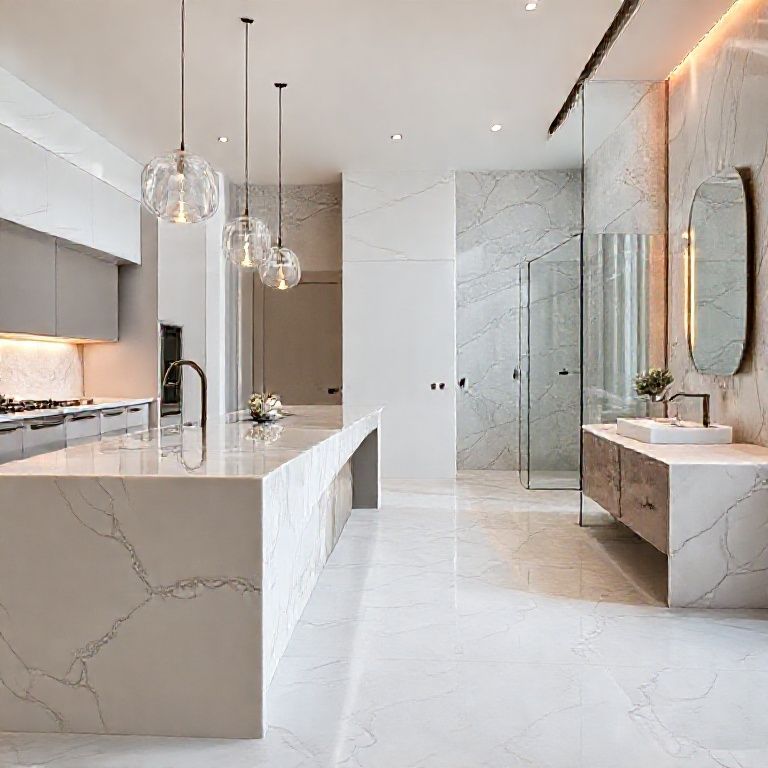
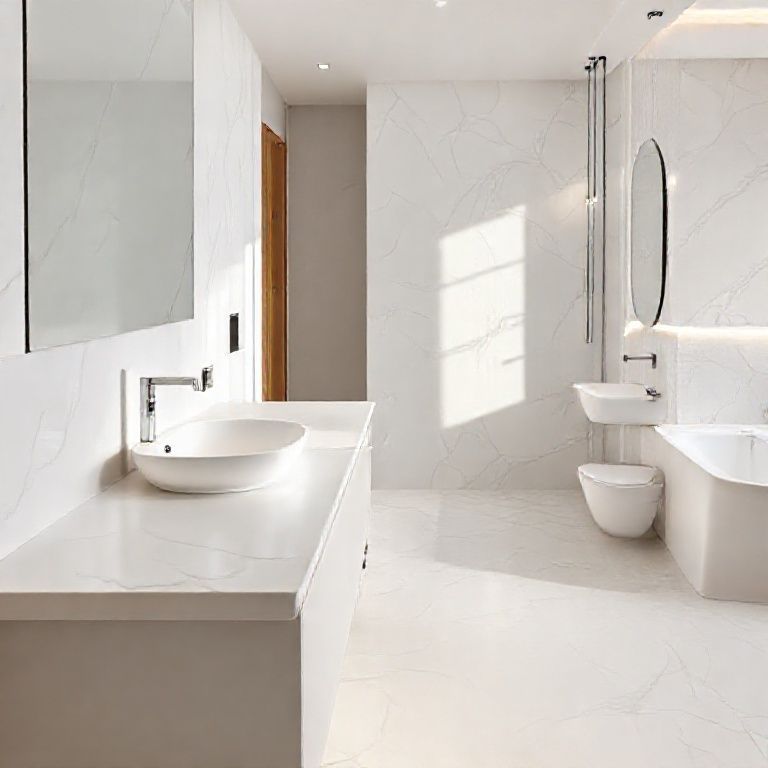
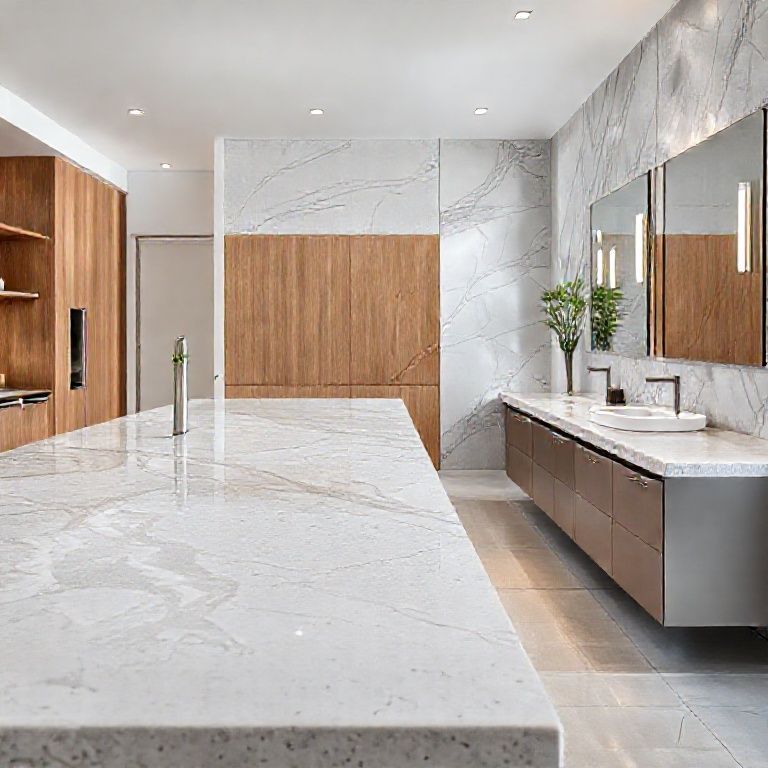
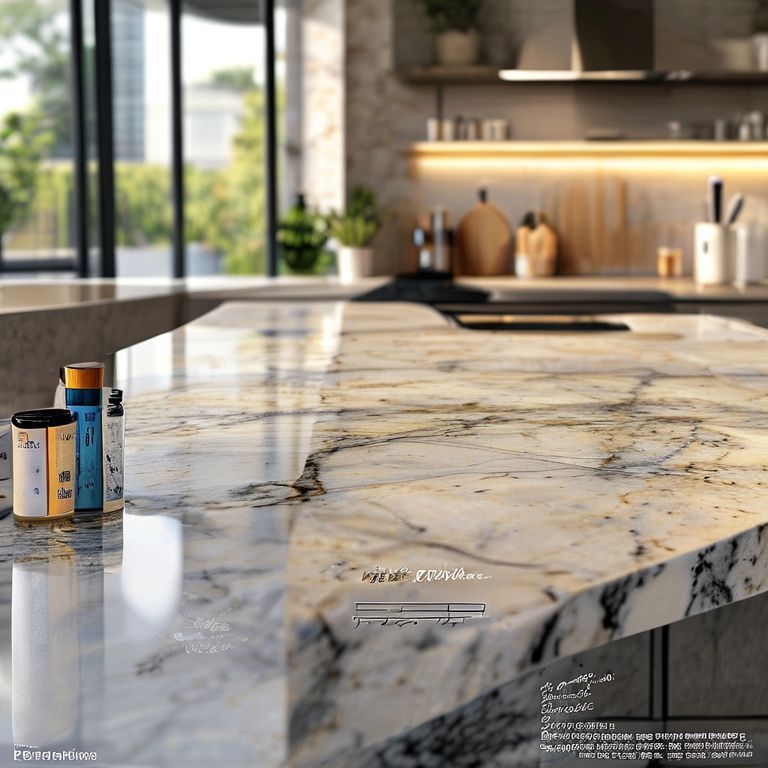
When it comes to transforming the aesthetic and functional aspects of your living or working space, marble flooring stands out as a timeless choice. Known for its elegance, durability, and luxurious appeal, marble flooring is a preferred option for both residential and commercial projects. But, a common question that arises is: “How much does it cost to install marble flooring?” Let’s dive into the details and uncover the comprehensive costs involved in marble flooring installation.

1. Understanding the Types of Marble Flooring
Marble flooring comes in various types, each with distinct characteristics and cost implications. The primary types include:
Natural Marble: Sourced directly from quarries, natural marble is renowned for its unique veining and color patterns. It’s available in a variety of colors and finishes, which adds to its cost. Engineered Marble: Made by layering natural marble and a binding substance, engineered marble is more affordable but still retains much of the aesthetic appeal of natural marble. Recycled Marble: A sustainable choice, recycled marble uses reclaimed marble from demolition projects. It’s often less expensive due to the reduced processing costs.
2. The Cost Factors Influencing Marble Flooring Installation
Several factors influence the cost of installing marble flooring:
Quality and Type of Marble: Higher quality and more exotic marbles will naturally increase the cost. Italian or Brazilian marble, for example, is usually more expensive due to its superior quality and aesthetic appeal. Size of the Area: Larger areas will obviously incur higher costs due to the increased amount of material required. It’s essential to get precise measurements before budgeting. Design Complexity: Custom designs, intricate patterns, and bespoke installations will add to the overall cost. Simple, straight-line installations are less expensive. Labor Costs: Depending on the complexity of the installation and the region, labor costs can vary significantly. Experienced professionals will charge more than novice installers. Additional Costs: This includes items such as underlayment, grout, sealants, and any necessary repairs or modifications to the existing floor.
3. Initial Costs of Marble Flooring Installation
To give you a ballpark figure, here’s a breakdown of the initial costs associated with marble flooring installation:
Material Costs: Typically ranging from $15 to $100 per square foot, depending on the type and quality of marble. Labor Costs: Generally ranging from $5 to $20 per square foot, depending on the intricacy of the installation. Additional Costs: Including underlayment, grout, and sealants, which can add another $5 to $15 per square foot.
4. Long-Term Benefits and Investment
While the upfront cost of marble flooring can seem substantial, it’s important to consider the long-term benefits:
Durability: Marble is one of the hardest natural stones, making it highly durable and resistant to scratches, stains, and scratches. This longevity reduces the need for frequent replacements. Low Maintenance: Marble requires minimal maintenance. Regular cleaning with mild soap and water keeps it looking pristine. Aesthetic Appeal: The timeless beauty of marble adds a touch of luxury and elegance to any space, enhancing its overall aesthetic value. Increased Property Value: High-quality marble flooring can significantly increase the value of your property, making it a worthwhile investment.
Conclusion
Installing marble flooring is an investment that offers both immediate aesthetic benefits and long-term value. By understanding the various factors that influence the cost, you can make an informed decision that aligns with your budget and design vision. In the next part of this guide, we’ll delve deeper into the process of selecting the right marble for your space, the installation techniques, and maintenance tips to ensure your marble flooring remains stunning for years to come.
Continuing our exploration into the world of marble flooring, this part focuses on selecting the right type of marble, installation techniques, and maintenance tips to ensure your marble flooring installation not only looks exquisite but also stands the test of time.
1. Selecting the Right Marble
Choosing the right type of marble is crucial for achieving the desired look and feel in your space. Here are some factors to consider:
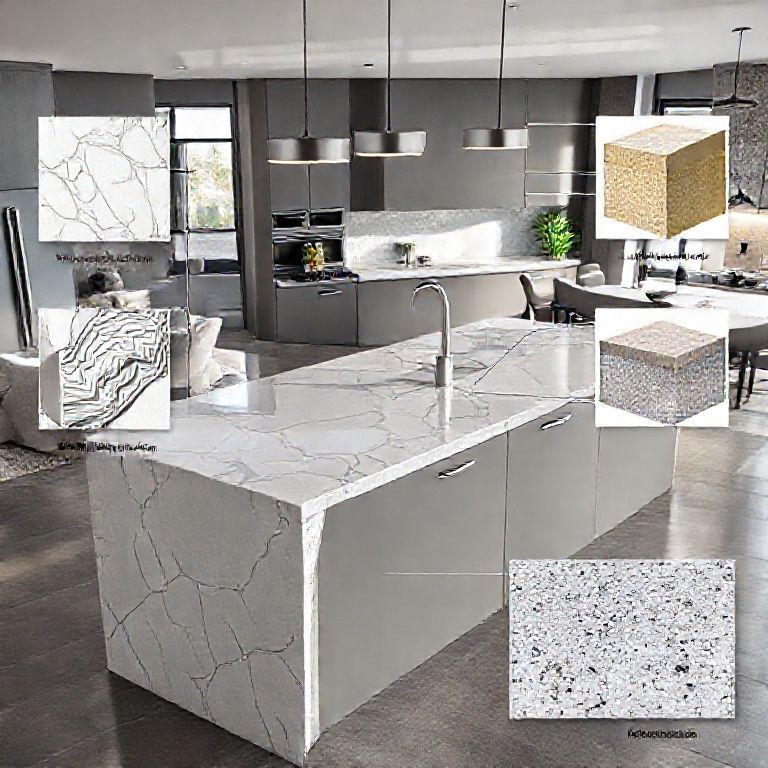
Color and Veining: Marble comes in a vast array of colors and veining patterns. Selecting marble with a color and pattern that complements your existing decor can make a significant difference. Hardness and Durability: Opt for marble with a high Mohs hardness rating for superior durability. Marbles like Carrara and Statuario are known for their exceptional hardness. Budget: While high-quality marble is often worth the investment, it’s essential to balance cost with quality. Recycled or engineered marble can offer similar aesthetics at a more affordable price point. Workability: Some marbles are easier to cut and install than others. Discuss with your installer about the workability of the marble you’re considering.
2. Installation Techniques
Proper installation is key to the longevity and appearance of your marble flooring. Here are some best practices:
Professional Installation: Hiring experienced professionals ensures that the installation is done correctly, minimizing the risk of damage and ensuring a flawless finish. Preparation: Proper preparation of the subfloor is crucial. It must be clean, level, and free of any debris. In some cases, a concrete subfloor may require additional treatment to ensure adhesion. Underlayment: Using a high-quality underlayment can provide a stable base and help prevent future issues like buckling or shifting. Adhesives and Sealant: Using appropriate adhesives and sealants is essential for ensuring the marble tiles adhere well and last longer. High-quality products are recommended.
3. Maintenance Tips
To keep your marble flooring looking its best, proper maintenance is essential. Here are some tips:
Regular Cleaning: Use a mild pH-neutral cleaner and a soft cloth to clean your marble floors regularly. Avoid using acidic or abrasive cleaners that can etch the marble surface. Sealing: Resealing your marble flooring every one to two years can help protect it from stains and prolong its lifespan. Always use a high-quality marble sealer recommended by professionals. Avoiding Spills: While marble is durable, it’s important to clean up spills promptly, especially those containing acids or bleach, as these can damage the marble. Furniture Protection: Use furniture pads and coasters to prevent scratches and stains from furniture legs and glass items.
4. Custom and Unique Installations
For those seeking something truly unique, custom marble installations can add an extraordinary touch to any space:
Custom Patterns: Custom designs and patterns can be created using different colors and veinings of marble to match specific design visions. Multi-Color Installations: Combining different marble types and colors can create stunning visual effects that add depth and interest to the space. Art Installations: Some installers can create intricate marble art pieces that can serve as focal points in your home or office.
5. Future Trends in Marble Flooring
As design trends evolve, so do the techniques and styles of marble flooring installations. Keeping an eye on future trends can help you make a timeless choice:
Sustainable Practices: Increasing demand for eco-friendly and sustainable materials is leading to more innovative practices in marble flooring, including the use of recycled and sustainably sourced marble. Technological Advancements: Advances in installation technology are making it possible to achieve more intricate designs and installations with greater precision. Customization: Personalized and bespoke installations are becoming more popular, allowing homeowners and businesses to create unique and tailored flooring solutions.
Conclusion
Marble flooring installation is a significant investment that offers both aesthetic and practical benefits. By carefully selecting the right type of marble, employing professional installation techniques, and maintaining the flooring properly, you can ensure that your marble flooring remains a stunning feature for years to come. Whether you’re looking to enhance the beauty of your home or elevate the sophistication of your commercial space, marble flooring is an exquisite choice that promises to endure the test of time.
By understanding the costs, benefits, and maintenance required for marble flooring, you can make a well-informed decision that aligns with your vision and budget. Enjoy the timeless elegance and luxury that marble flooring brings to your space!