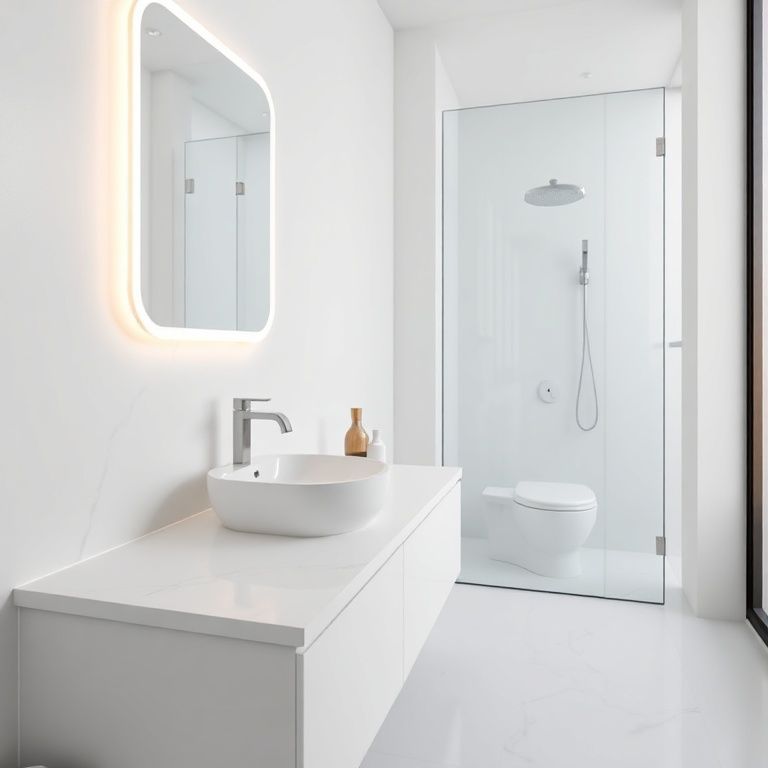
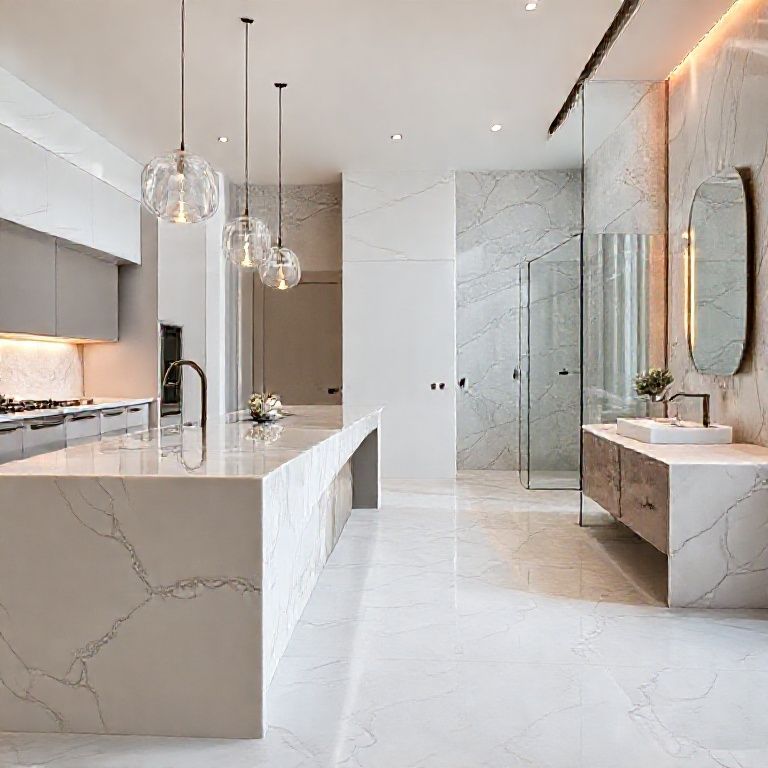
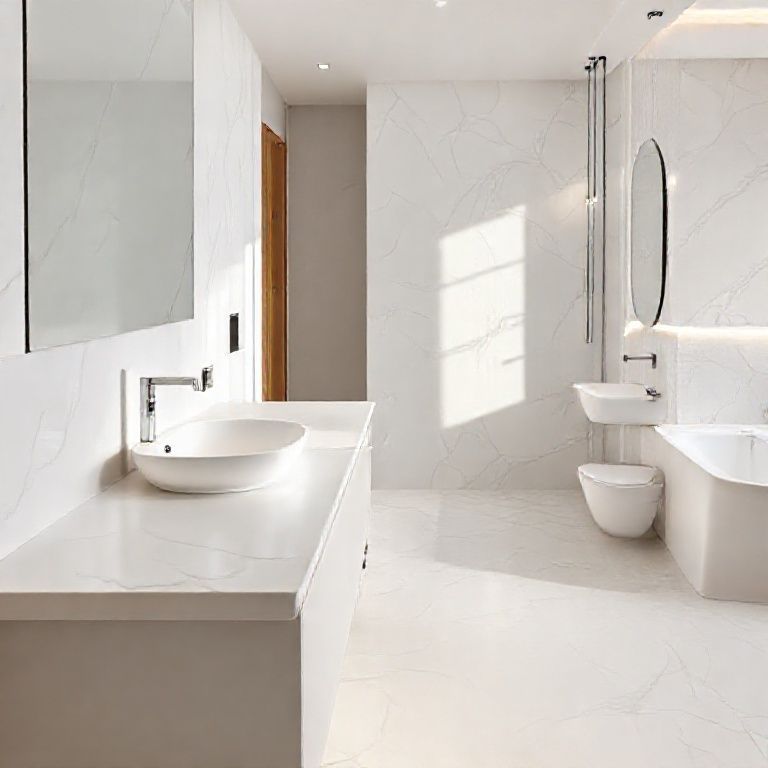
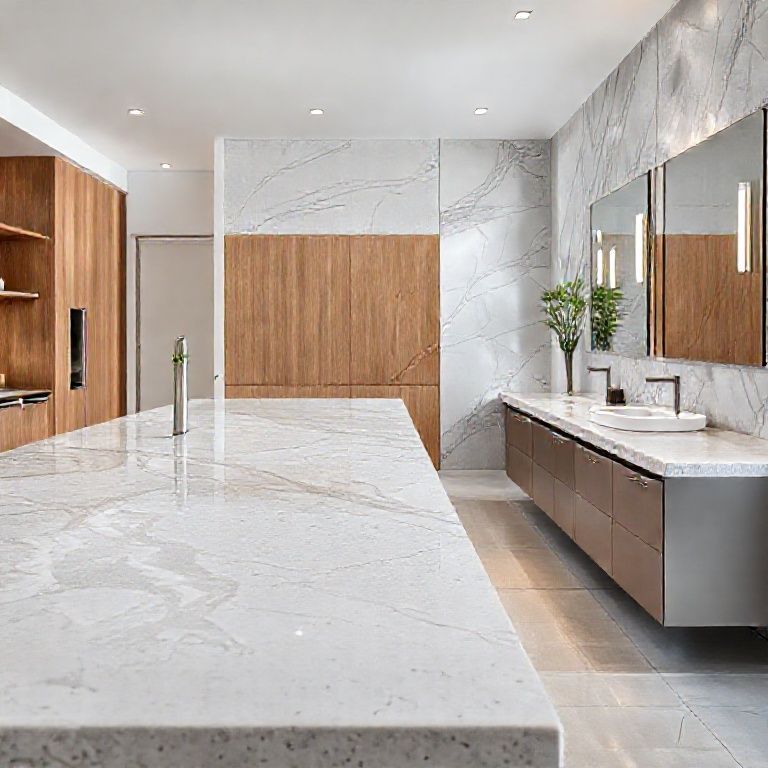
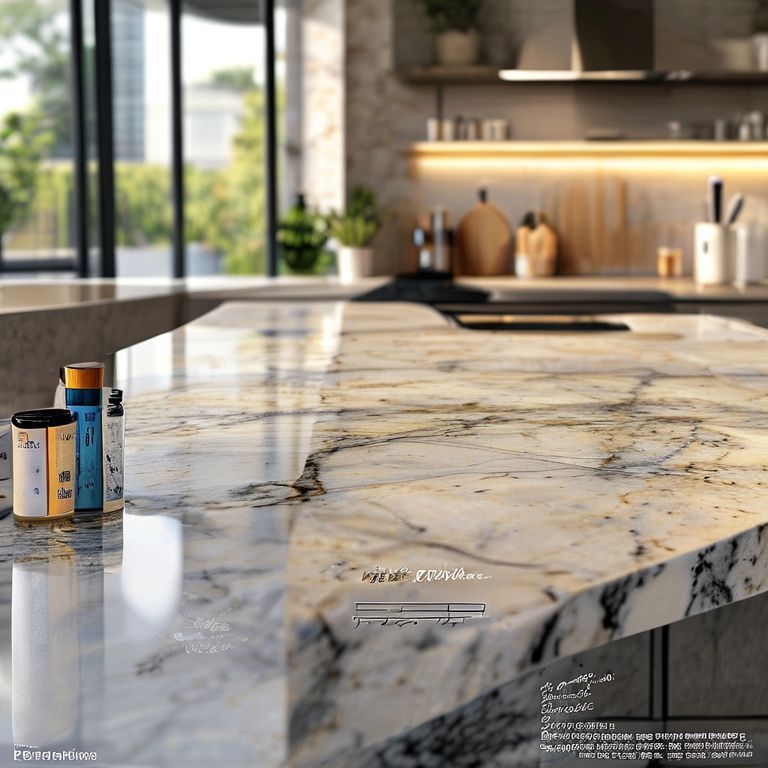
Discover the enchanting world of marble flooring with our in-depth exploration on the cost of laying marble per square meter. From choosing the right type to understanding the factors that influence prices, this guide will provide you with the knowledge to make informed decisions for your home or business.

Unveiling the Costs and Benefits of Marble Flooring
The Timeless Allure of Marble
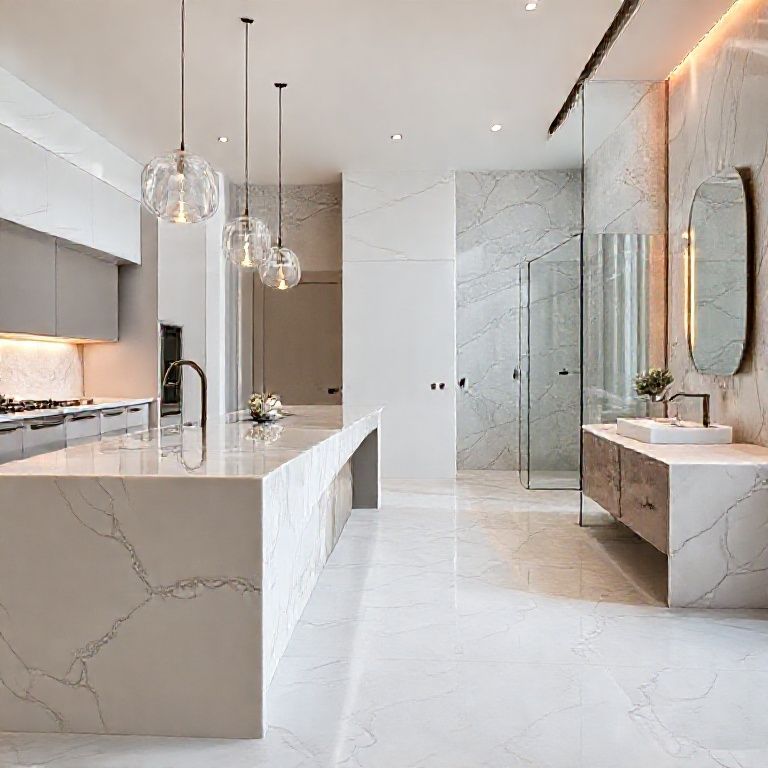
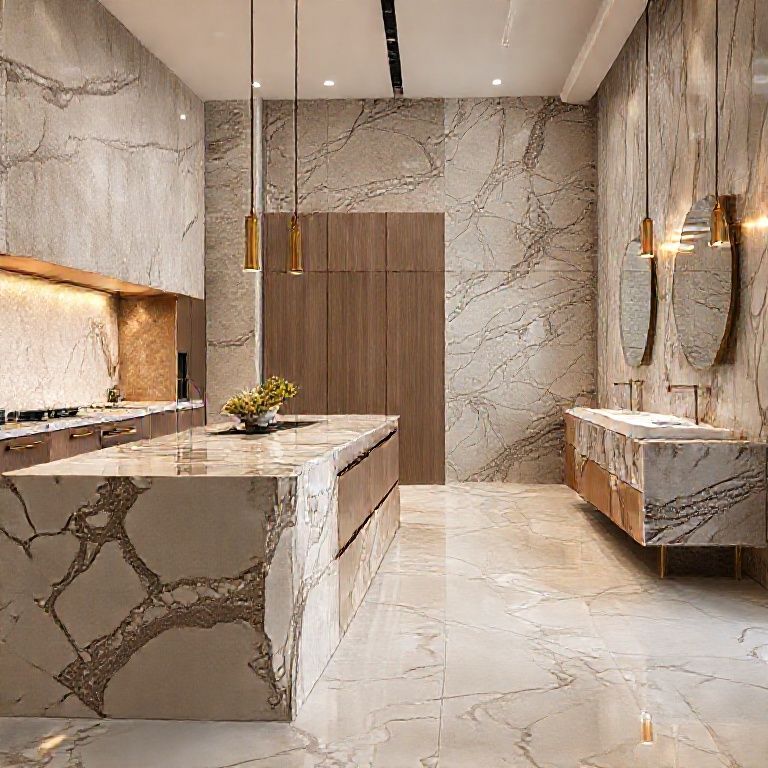
Marble flooring is more than just a surface; it’s a timeless symbol of elegance and luxury. Known for its intricate patterns and unparalleled beauty, marble adds a touch of sophistication to any space. Whether you’re looking to revamp your living room, kitchen, or commercial space, marble flooring is a choice that speaks volumes about your taste and style.
Understanding the Cost of Marble Per Square Meter
The cost of laying marble per square meter varies significantly based on several factors. These include the type of marble, the quality of the stone, the complexity of the design, and the geographical location of the installation. Let’s delve into each of these aspects to understand what influences the pricing.
1. Types of Marble:
Marble comes in an array of colors and patterns, each with its own unique appeal and price tag. Popular types such as Italian Carrara, Indian Kanchipuram, and Brazilian Rio Negro each bring distinct aesthetic qualities to a space.
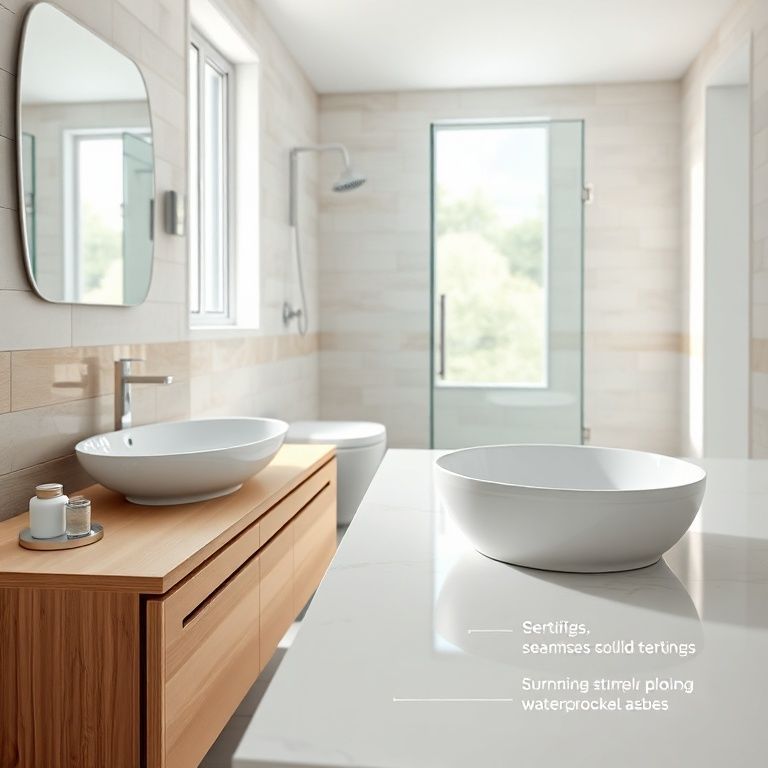
Italian Carrara Marble: Known for its stunning white veins, it’s a favorite among high-end homes and commercial spaces. The cost per square meter can range from $50 to $150, depending on the finish and quality.
Indian Kanchipuram Marble: Famous for its unique black and white veining, it offers a rich, earthy tone. Prices typically range from $30 to $70 per square meter.
Brazilian Rio Negro Marble: Renowned for its deep black color with striking white spots, it’s perfect for creating dramatic, modern spaces. The cost can range from $40 to $120 per square meter.
2. Quality and Finish:
The quality of the marble significantly affects the cost. Higher-grade marbles are more durable and come with superior finish options, which include polished, honed, and rubbed finishes. Polished marble offers a sleek, glossy surface ideal for high-traffic areas, while honed finishes provide a matte look that’s less prone to scratches.
3. Complexity of Design:
Marble flooring isn’t just about the material; it’s also about the design and layout. Custom designs, intricate patterns, and complex layouts increase the labor cost and, therefore, the overall price. Simple, straight lines and patterns are less expensive compared to custom mosaics or detailed geometric designs.
4. Installation Costs:
The cost of installation plays a crucial role in the final price. Professional installation ensures durability and a flawless finish, but it also adds to the overall cost. On average, installation costs can range from $2 to $6 per square meter, depending on the complexity of the design and the expertise of the installers.
5. Geographical Location:
Location impacts the cost due to transportation, labor rates, and market demand. Urban areas with a high demand for marble flooring tend to have higher prices compared to rural areas.
6. Additional Costs:
Don’t forget to consider additional costs such as cutting, grouting, sealing, and maintenance. These are essential for maintaining the beauty and longevity of your marble flooring.
Benefits of Choosing Marble Flooring
Choosing marble flooring isn’t just a matter of aesthetics; it’s also about functionality and durability. Here are some key benefits:
1. Durability:
Marble is one of the hardest natural stones, making it highly durable and resistant to scratches and stains. When properly maintained, it can last for decades, providing a long-term value that far exceeds its initial cost.
2. Low Maintenance:
While marble requires regular cleaning to maintain its beauty, it’s relatively low maintenance compared to other flooring options. A simple wipe-down with a soft cloth and marble-specific cleaner is usually sufficient.
3. Versatility:
Marble’s versatility allows it to complement various design styles, from contemporary to traditional. It can be used in kitchens, bathrooms, living rooms, and even outdoor spaces like patios and pools.
4. Enhances Value:
Marble flooring significantly enhances the value of your home or business. It’s a luxury feature that appeals to buyers and tenants, making it a wise investment in the long run.
5. Eco-Friendly:
Natural stone like marble is a sustainable choice. It’s a renewable resource, and its durability means less frequent replacement, making it an eco-friendly option.
Making an Informed Decision
When deciding on marble flooring, it’s essential to balance cost with quality and design. Here are some tips to help you make an informed decision:
1. Set a Budget:
Determine your budget and keep it in mind while exploring different options. Remember, while it’s tempting to go for the cheapest option, investing in quality can save you money in the long run.
2. Research:
Do thorough research on different types of marble, their prices, and the benefits they offer. Websites, showrooms, and professional consultations can provide valuable insights.
3. Consult Professionals:
Work with professionals who can guide you through the process. They can offer advice on the best types of marble for your space, help with design choices, and provide accurate cost estimates.
4. Consider Future Needs:
Think about the future needs of your space. If you’re planning to renovate or expand, choose a marble type and design that can accommodate future changes.
5. Read Reviews:
Read reviews and testimonials from previous customers to gauge the reliability and quality of different marble suppliers and installers.
The Ultimate Guide to Planning and Installing Marble Flooring
Planning Your Marble Flooring Project
Planning is a crucial step in ensuring a successful marble flooring project. Here’s how you can plan effectively:
1. Define Your Space:
Measure the area where you plan to install the marble flooring. Accurate measurements will help you calculate the total amount of marble needed and the associated costs.
2. Choose Your Design:
Decide on the design and layout of your marble flooring. Whether it’s a simple pattern or a complex mosaic, the design will significantly impact the cost and the overall aesthetic of the space.
3. Select Your Marble:
Based on your budget and design preferences, select the type of marble that best suits your needs. Consider factors such as durability, maintenance, and aesthetic appeal.
4. Prepare Your Budget:
Create a detailed budget that includes the cost of the marble, installation, cutting, grouting, sealing, and any additional services. Don’t forget to allocate a buffer for unexpected expenses.
5. Choose a Supplier:
Select a reputable supplier who offers high-quality marble at a fair price. Check their reviews, ask for references, and compare quotes from multiple suppliers.
6. Hire Professionals:
Hire experienced professionals for the installation. Their expertise ensures a flawless finish and a durable, long-lasting result.
The Installation Process
The installation process for marble flooring is meticulous and requires precision. Here’s a step-by-step guide to ensure a successful installation:
1. Preparing the Subfloor:
The first step is to prepare the subfloor. It should be level, clean, and dry. Any imperfections in the subfloor can cause issues during installation, so it’s important to address these before proceeding.
2. Laying the Underlayment:
An underlayment is crucial for providing a stable base for the marble flooring. It’s typically made of cork, rubber, or synthetic materials and helps to insulate the floor and reduce noise.
3. Cutting the Marble:
Professional cutters will carefully cut the marble tiles to fit the space. Precision is key to ensure a seamless look, especially in intricate designs.
4. Laying the Marble:
The marble tiles are then laid in a specific pattern. This step requires careful alignment to maintain the design and ensure even spacing.
5. Grouting:
Once the tiles are laid, grout is applied to fill the gaps between the tiles. This not only secures the tiles but also enhances the visual appeal. The color and texture of the grout can complement the marble tiles beautifully.
6. Sealing:
Sealing the marble is essential to protect it from stains and spills. A high-quality sealant ensures the longevity of the flooring and maintains its beauty.
7. Final Touches:
The final step involves cleaning the marble to remove any grout haze and ensuring the installation is flawless. Professionals will also provide instructions on how to maintain the marble to keep it looking its best.
Maintenance and Longevity
Proper maintenance is key to ensuring the longevity and beauty of your marble flooring. Here are some tips for maintaining your marble:
1. Regular Cleaning:
Wipe the marble floor with a soft, dry cloth to remove dust and dirt. For tougher stains, use a marble-specific cleaner and a soft cloth.
2. Avoid Abrasive Cleaners:
Avoid using abrasive cleaners or scrubbers, as they can scratch the surface of the marble.
3. Use Protective Mats:
具体领域或问题: 您是否有关于某个特定学科或领域的问题?例如,科学、技术、商业、健康、文化等。 您是否有关于某个具体话题的进一步探讨或深入了解的需求? 实用问题: 需要解决某个实际问题,例如编程错误、学习方法、生活小窍门等。 需要了解某个特定产品或服务的评价和使用方法。
讨论和分析: 是否希望进行某个话题的讨论或分析,例如某个社会现象、历史事件、经济趋势等。 需要某个主题的详细解释或背景资料。