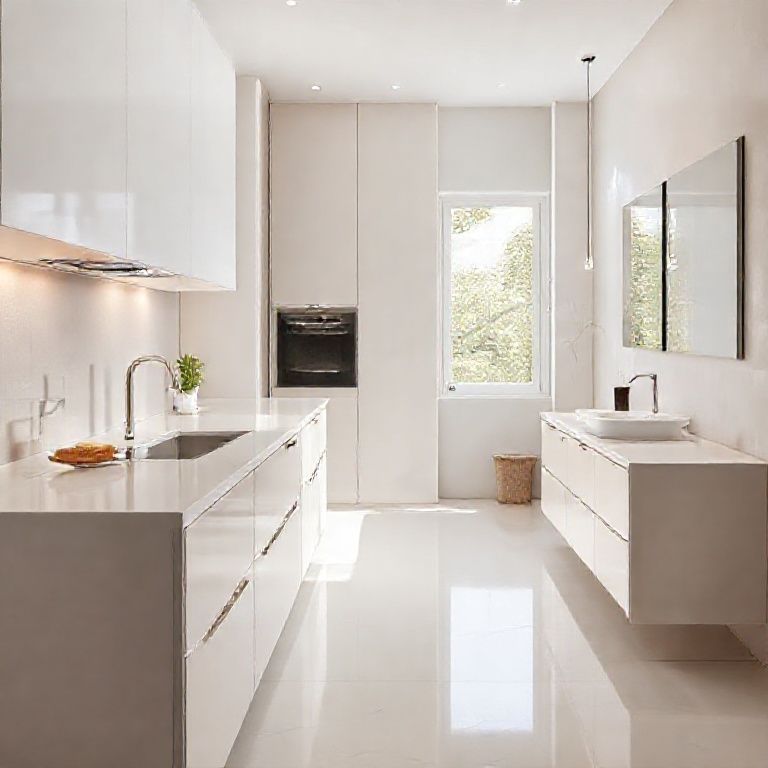
The Exquisite Distinction: Acrylic vs. Corian
In the world of modern design, the choice between acrylic and Corian for countertops and surfaces is a decision that many homeowners and designers grapple with. Both materials have gained popularity for their sleek appearance and functional properties. However, they offer unique attributes that cater to different needs and preferences. Let’s dive into the fundamental aspects that differentiate these two materials.

The Composition and Manufacturing Process
Acrylic is a type of plastic that is made from a polymer called polymethyl methacrylate (PMMA). Acrylic is created through a process called free radical polymerization. This material is known for its transparency, durability, and resistance to scratches and chips. Acrylic is versatile and can be used in a variety of applications, from bathtubs and sinks to countertops and art installations.
Corian, on the other hand, is a brand of solid surface material made from a proprietary mixture of acrylic and other high-performance additives. Developed by the DuPont company, Corian is unique because it is not just a simple plastic but a composite material that is combined with minerals and pigments to form a solid surface. This composite nature gives Corian its exceptional strength and durability.
Durability and Maintenance
One of the most significant aspects that set Corian apart from standard acrylic is its durability. Corian’s composite nature provides a level of resilience that surpasses traditional acrylic. It is highly resistant to scratches, stains, and chemical spills, making it ideal for high-traffic areas like kitchens and bathrooms.
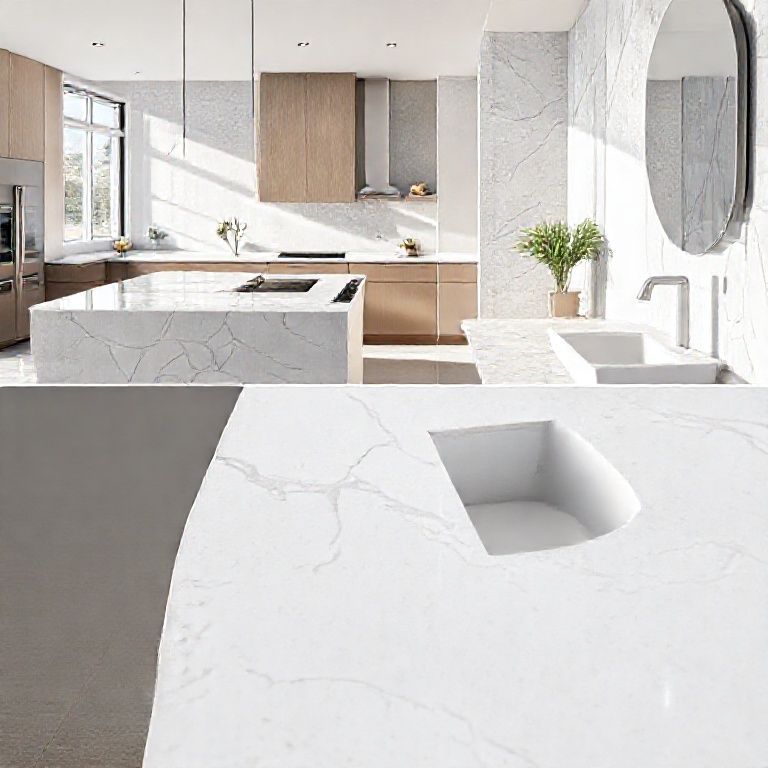
Acrylic, while durable, does tend to scratch more easily compared to Corian. It also can be susceptible to discoloration over time, especially with prolonged exposure to certain chemicals and UV rays. Proper maintenance of acrylic surfaces typically involves regular cleaning with mild detergents and avoiding abrasive cleaners that can cause scratches.
Corian, on the other hand, requires minimal maintenance. Its surface is easy to clean and resistant to most household cleaning products, including bleach and ammonia. A simple wipe with a damp cloth and mild soap is usually sufficient to maintain its pristine look. Additionally, Corian’s resistance to bacteria and mold makes it an excellent choice for sanitary environments.
Aesthetic Appeal
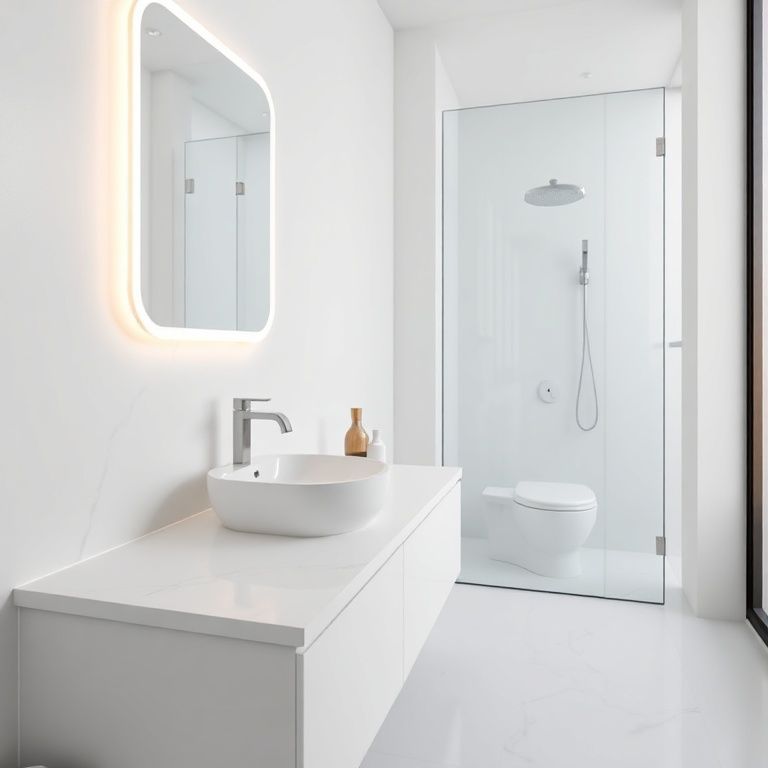
Both materials offer impressive aesthetic flexibility. Acrylic can be crafted in a myriad of colors and textures, providing an almost limitless range of design possibilities. It can be used to create sleek, modern surfaces that mimic the look of glass or stone, adding a touch of elegance to any space.
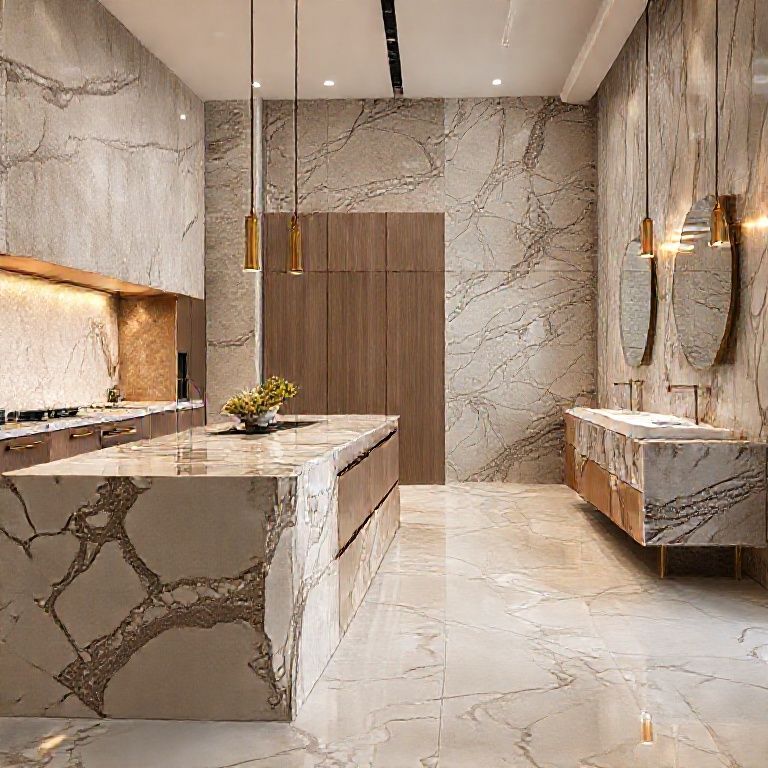
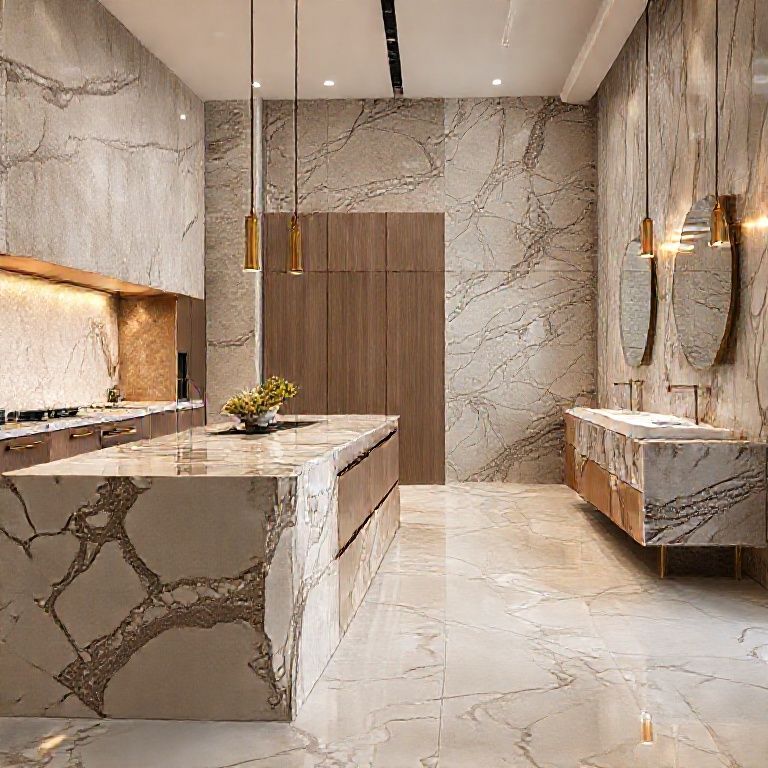
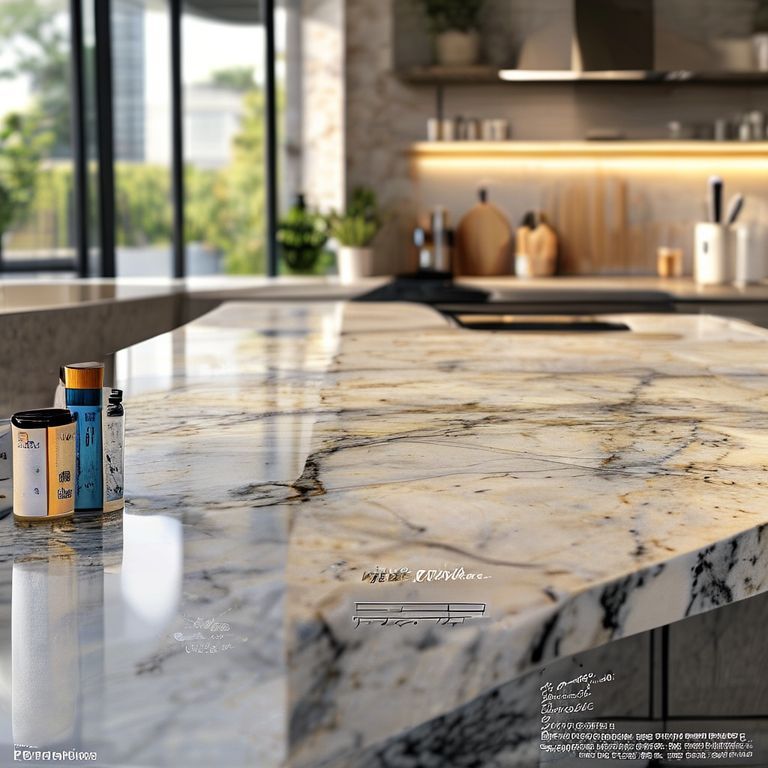
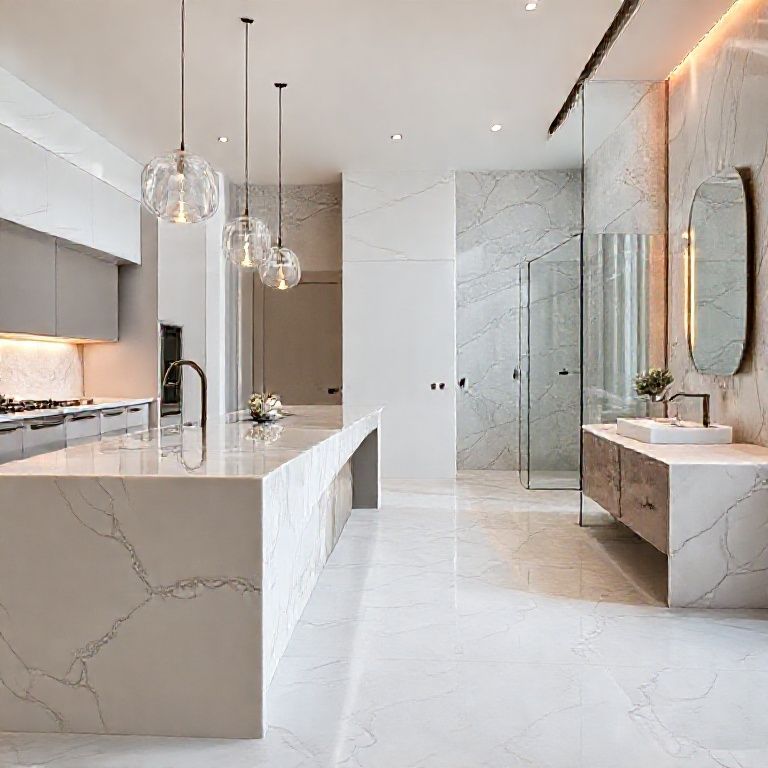
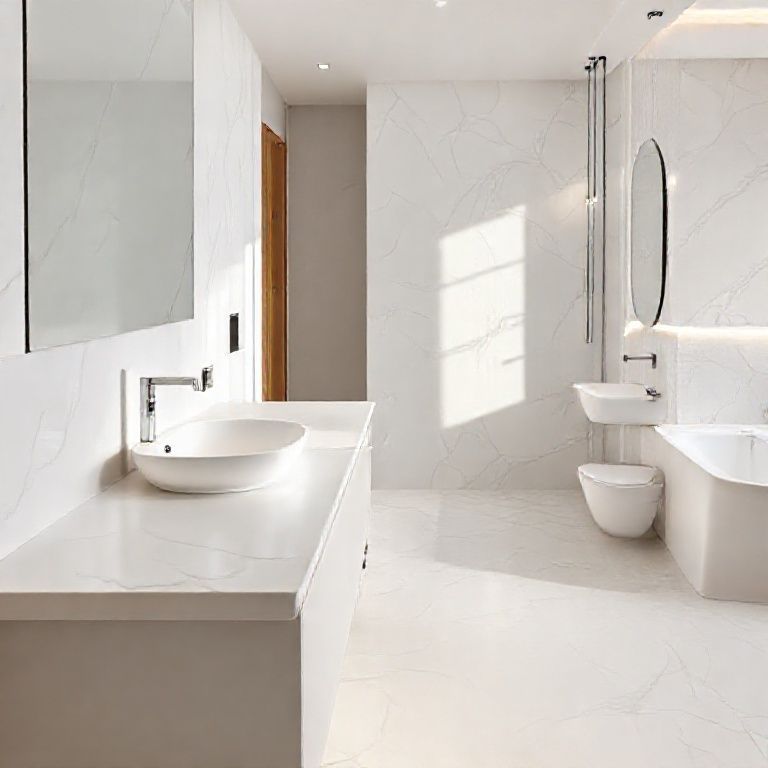
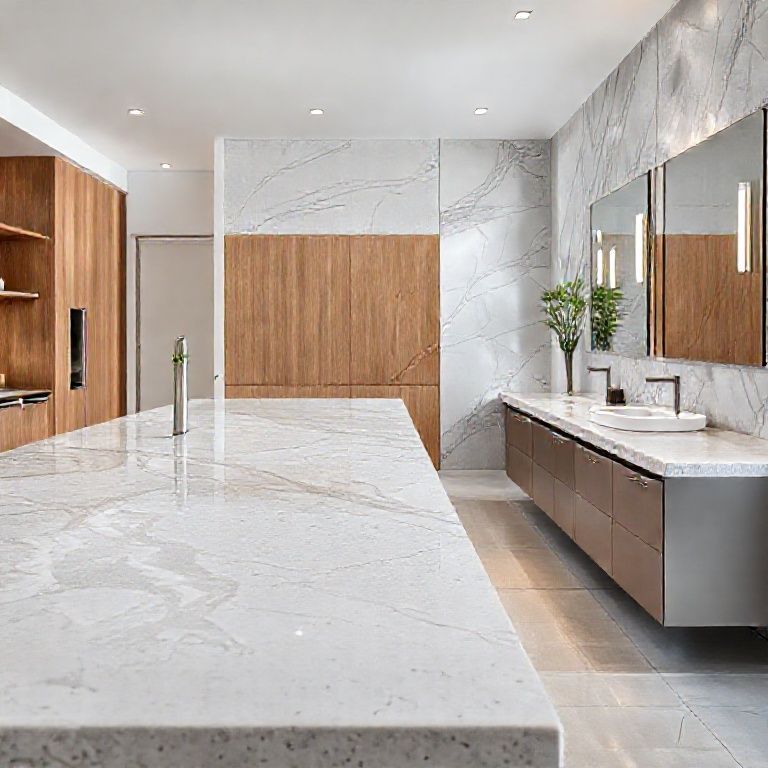
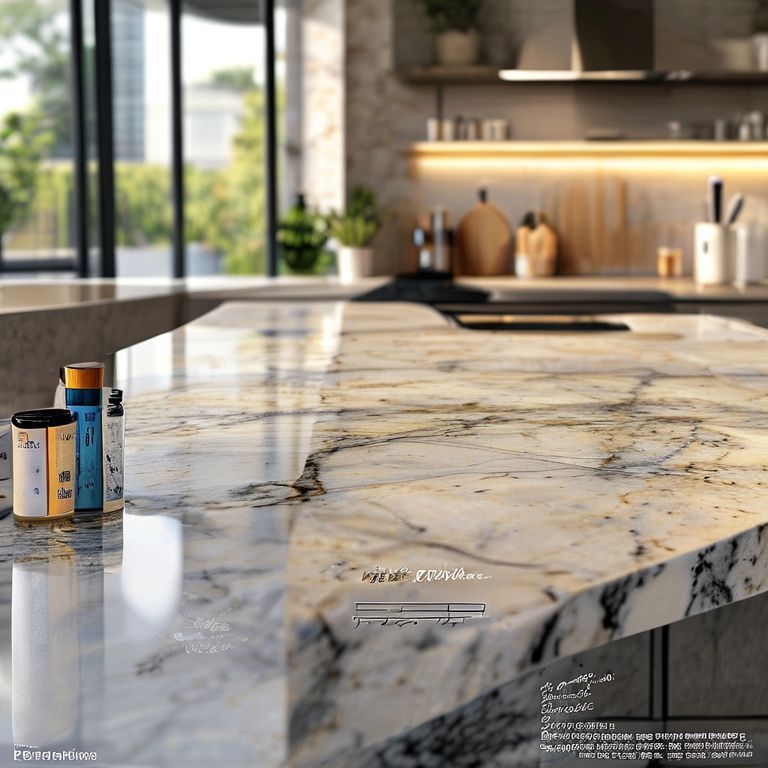
Corian also boasts an extensive color palette and can mimic various natural materials such as marble, granite, and wood. Its unique combination of acrylic and minerals allows for a textured finish that can closely replicate the look of stone while offering the advantages of a solid surface.
Installation and Versatility
When it comes to installation, both materials are relatively straightforward to work with. However, Corian’s composite nature means that it can be molded and shaped into complex forms more easily than traditional acrylic. This flexibility allows for more creative designs and intricate patterns.
Acrylic sheets are typically pre-cut and require less on-site cutting, making them suitable for both large and small projects. However, they may not offer the same level of customization as Corian.
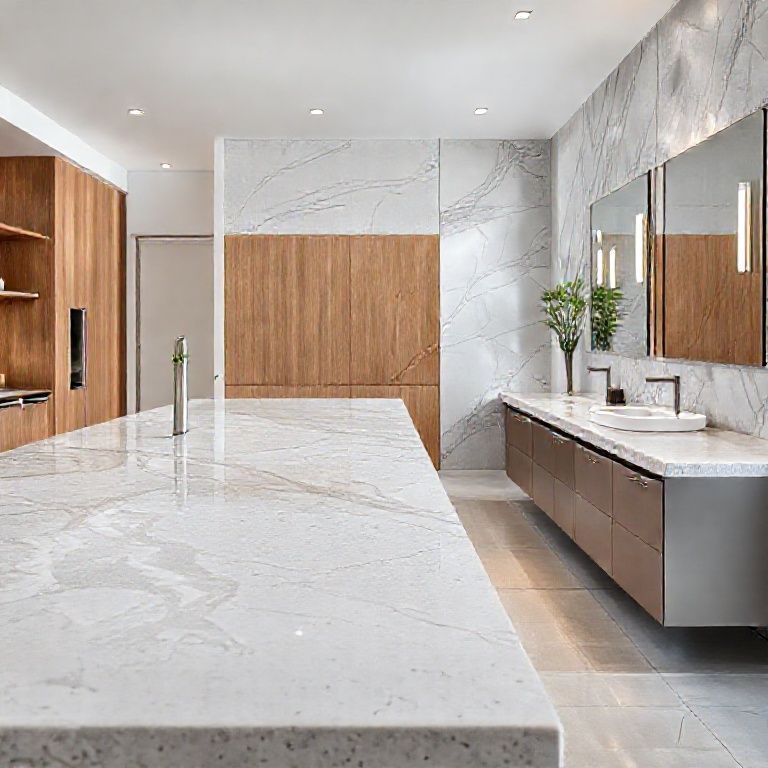
In terms of versatility, both materials excel. Acrylic is widely used in bathtubs, sinks, and decorative elements due to its lightweight and transparency. Corian’s versatility shines in countertops, vanities, and other surfaces where durability and a high-end appearance are paramount.
Cost and Value
Cost is often a significant factor in material selection. Acrylic generally falls into a lower to mid-range price bracket. While it offers excellent value for its durability, it may not match the premium feel of Corian.
Corian, being a proprietary material with a unique composition, typically comes at a higher price point. However, its superior durability, ease of maintenance, and aesthetic flexibility often justify the cost. Corian’s longevity and the reduced need for repairs or replacements can result in significant savings over time.
Conclusion
In conclusion, both acrylic and Corian have their unique strengths and ideal applications. Acrylic offers a versatile, cost-effective solution with a wide range of design possibilities. Corian, with its superior durability, ease of maintenance, and unparalleled aesthetic appeal, stands out as a premium choice for high-end projects.
Understanding these distinctions will help you make an informed decision that aligns with your design vision, budget, and functional needs. Whether you choose the sleek transparency of acrylic or the robust elegance of Corian, both materials promise to elevate the beauty and functionality of your space.
The Exquisite Distinction: Acrylic vs. Corian
Continuing our exploration into the nuanced differences between acrylic and Corian, we delve deeper into their performance characteristics, environmental impact, and future trends in material usage. This comprehensive comparison will provide you with a thorough understanding of how these materials stack up against each other in various contexts.
Performance Characteristics
Chemical Resistance
One of the standout features of Corian is its exceptional chemical resistance. The composite nature of Corian, which includes acrylic and minerals, provides a formidable barrier against a wide range of chemicals. This makes Corian particularly suitable for environments where cleaning agents and chemicals are frequently used.
Acrylic, while resistant to many chemicals, can be more susceptible to certain solvents and acidic substances. Over time, exposure to these chemicals can lead to discoloration or damage. This is a critical consideration for kitchens and laboratories where chemical spills are common.
Temperature Resistance
Both materials are known for their ability to withstand a range of temperatures, but Corian generally handles higher temperatures better than standard acrylic. Corian can endure temperatures up to 200°F (93°C) without warping or cracking. This makes it ideal for areas where hot pots or pans might be placed directly on surfaces.
Acrylic, while durable, can warp or melt at higher temperatures. It is generally recommended to avoid direct exposure to high heat to maintain the integrity of the surface.
Impact Resistance
Impact resistance is another area where Corian excels. The combination of acrylic and minerals in Corian provides a surface that is highly resistant to chips, dents, and impacts. This makes it a preferred choice for high-traffic areas where accidental drops or impacts are likely.
Acrylic, while relatively impact-resistant, can crack or shatter upon significant impacts. This is a consideration for areas where heavy objects might be placed or moved frequently.
Environmental Impact
Sustainability
Both acrylic and Corian have their environmental footprints, but Corian stands out in terms of sustainability. Corian is made from a combination of acrylic and recycled materials, including glass and plastic, which reduces its overall environmental impact. It is also recyclable, making it a more eco-friendly option.
Acrylic, primarily made from petroleum-based materials, has a higher environmental footprint in terms of production and disposal. However, advancements in recycling technology for plastics are improving the sustainability profile of acrylic over time.
VOC Emissions
Volatile Organic Compounds (VOCs) are chemicals that can be released from certain materials and contribute to indoor air pollution. Corian, due to its composite nature, typically emits fewer VOCs compared to standard acrylic. This makes Corian a better choice for environmentally-conscious consumers who prioritize indoor air quality.
Future Trends
Innovations in Material Science
The field of material science is continuously evolving, and both acrylic and Corian are subject to ongoing innovations. Corian, being a proprietary material, often leads in terms of new developments. DuPont, the manufacturer of Corian, invests heavily in research and development to improve the material’s properties.
Acrylic manufacturers are also innovating, focusing on enhancing the material’s durability, aesthetic appeal, and sustainability. Innovations such as eco-friendly acrylic formulations and improved scratch and stain resistance are on the horizon.
Design Trends
Design trends are continually shifting, and both materials are adapting to these changes. Acrylic’s versatility allows it to fit into a wide range of design styles, from minimalist to ornate. Its transparency and ability to mimic various materials make it a popular choice for contemporary and modern designs.
Corian’s durability and aesthetic flexibility continue to make it a favorite for luxury and high-end design projects. Its ability to replicate the look of natural materials while offering superior performance has kept it relevant in high-end design circles.
Practical Considerations
Cost-Effectiveness
While Corian’s premium quality comes at a higher price, its long-term benefits often justify the investment. The reduced need for maintenance, repairs, and replacements can result in significant cost savings over time.
Acrylic, being more affordable, is often chosen for budget-friendly projects. However, the potential for higher maintenance and repair costs should be factored into the overall cost-effectiveness analysis.
Installation and Repair
Both materials are relatively easy to install, but Corian’s composite nature allows for more intricate designs and shapes. Professional installation is recommended for both materials to ensure optimal results.
Repairing damaged acrylic can be more complex, often requiring replacement of the affected piece. Corian, with its solid surface nature, can sometimes be repaired with specialized compounds的修复方法相对简单,可以通过专业的修复技术进行修复,但在某些情况下可能仍需更换部分材料。
总结与建议
预算: 如果预算有限,但你仍然追求高品质,可以选择高效能的亚克力产品,这类材料在性价比方面有较好的表现。 如果预算充足,可以考虑高端的Corian材料,享受其卓越的耐用性和美观性。 使用环境: 高频率使用区域(如厨房和浴室):Corian材料由于其卓越的耐用性和易清洁性,是更好的选择。
需要经常承受高温或化学物质的区域:Corian也是首选,因为其出色的化学和温度耐受性。 美观需求: 追求现代简约风格:亚克力材料的透明性和多样化的颜色选择,能够满足现代设计需求。 希望模仿天然材料:Corian的多样化纹理和颜色,可以更好地模仿大理石、花岗岩等天然材料,适合高端设计。
长期维护: 如果你希望减少日常维护的时间和成本,Corian材料的低维护特性会让你拥有更多的便利。 如果你对材料的可修复性有特别要求,Corian在某些情况下更为方便进行修复。
结论
无论你选择哪种材料,两者都有其独特的优点和应用场景。在做最终决定前,建议你可以咨询专业设计师或供应商,了解最新的技术进展和市场价格。通过全面的分析,你能更好地为你的项目选择最合适的材料,确保它在美观、耐用性和成本方面都达到你的期望。