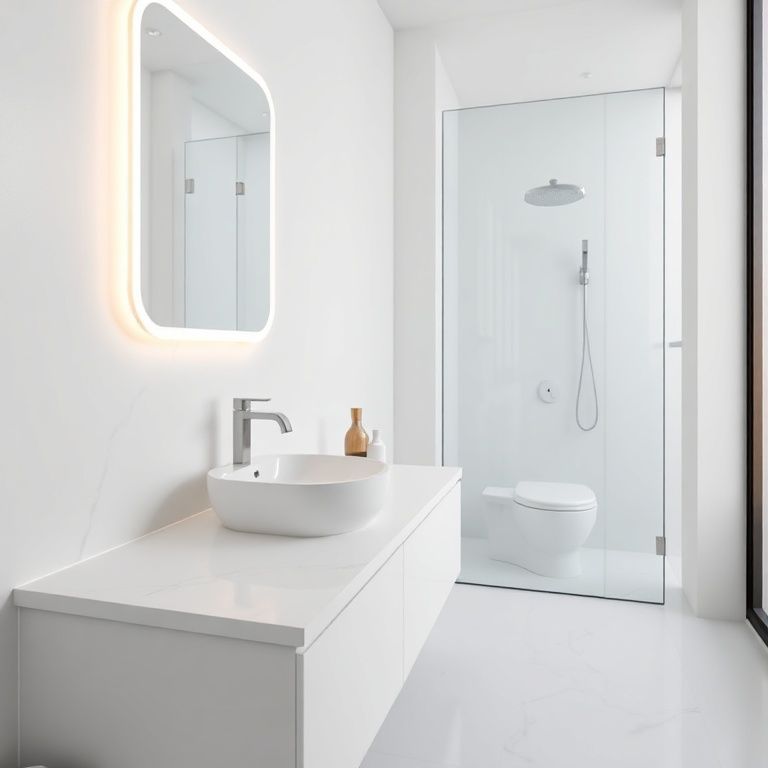
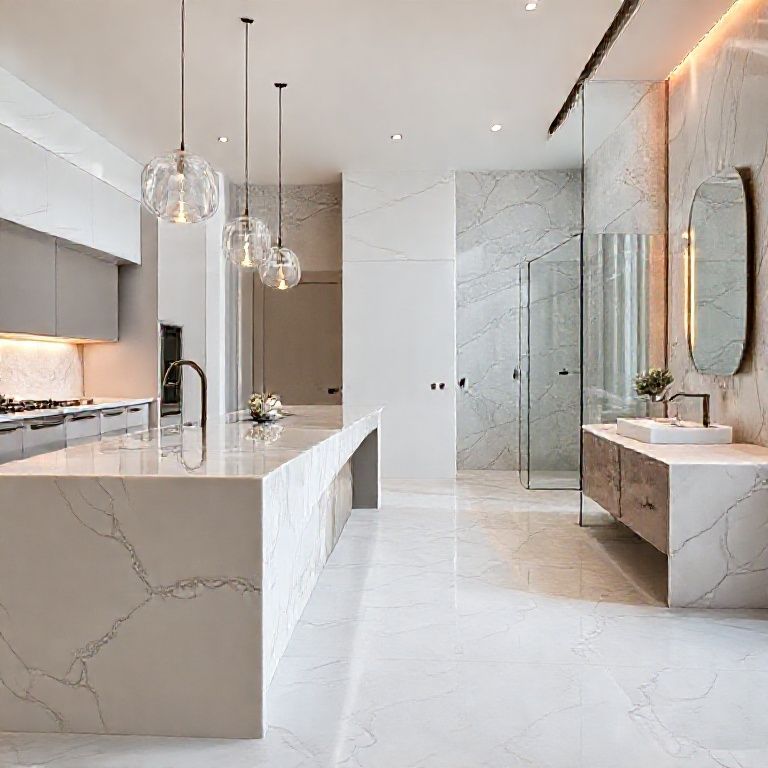
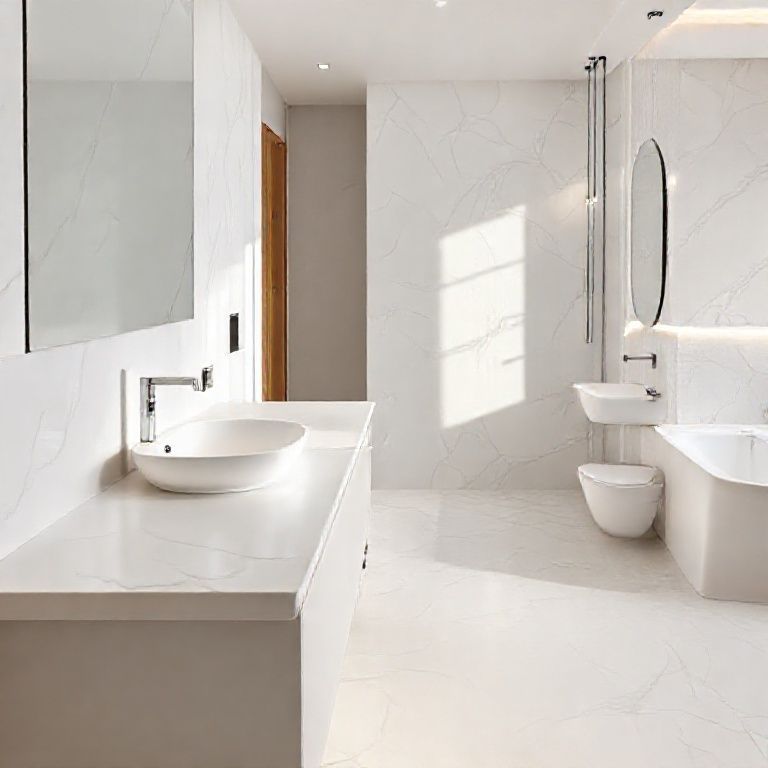
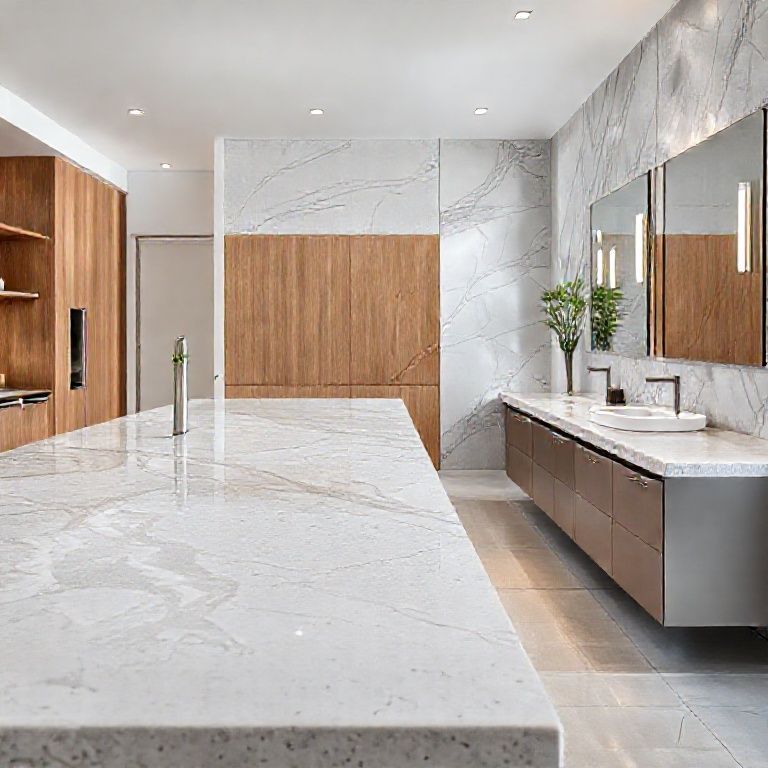
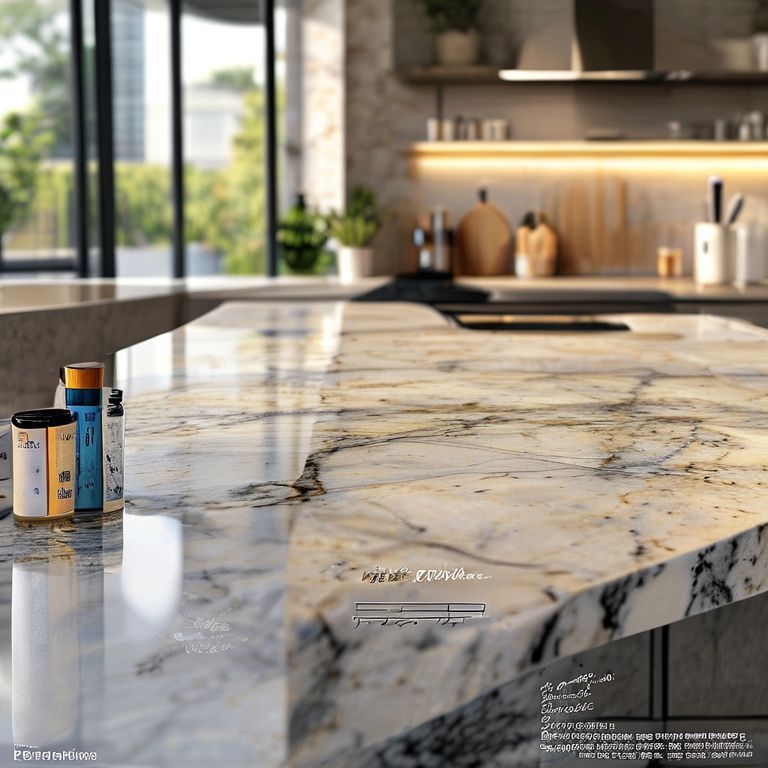
The Exquisite Elegance of Marble: Cost and Considerations for Marble Flooring
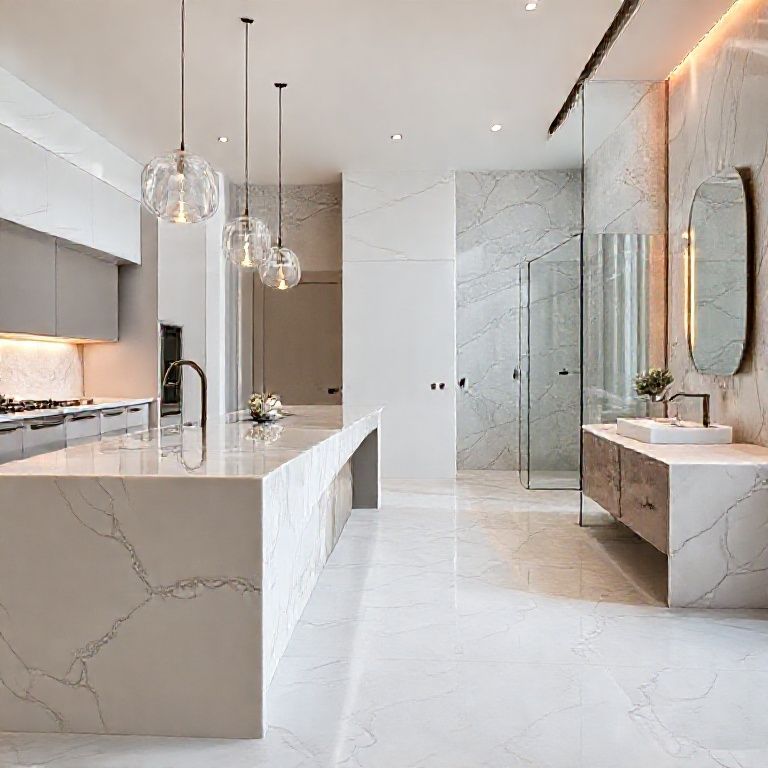
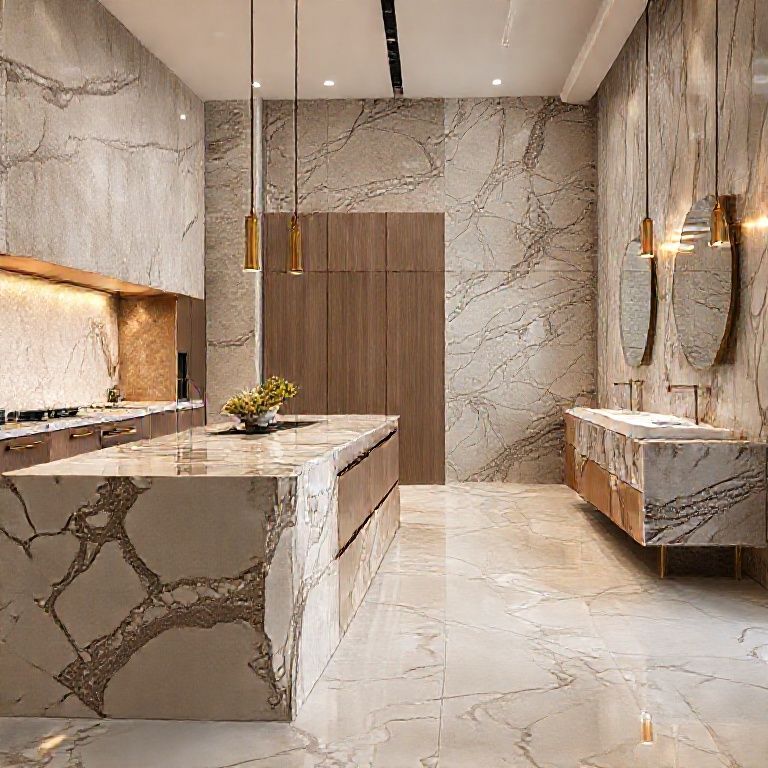
Marble flooring has long been synonymous with luxury, elegance, and timeless beauty. Its natural patterns and lustrous sheen make it an exquisite choice for those looking to elevate the aesthetic of their spaces. But how much does marble flooring cost per square meter, and what factors influence this price? Let’s embark on a journey to understand the world of marble flooring in its full splendor.

Understanding Marble Flooring
Marble is a metamorphic rock composed primarily of calcium carbonate, often featuring beautiful patterns and colors due to mineral inclusions. Marble is prized for its durability, aesthetic appeal, and historical significance, which is why it remains a top choice for high-end residential and commercial projects.
Types of Marble Flooring
When considering marble flooring, it’s essential to understand the different types available. Here are some popular varieties:
Italian Marble: Known for its rich colors and intricate veining, Italian marble is a favorite among luxury homeowners and designers. Marbles like Carrara and Botticino are particularly revered for their timeless beauty.
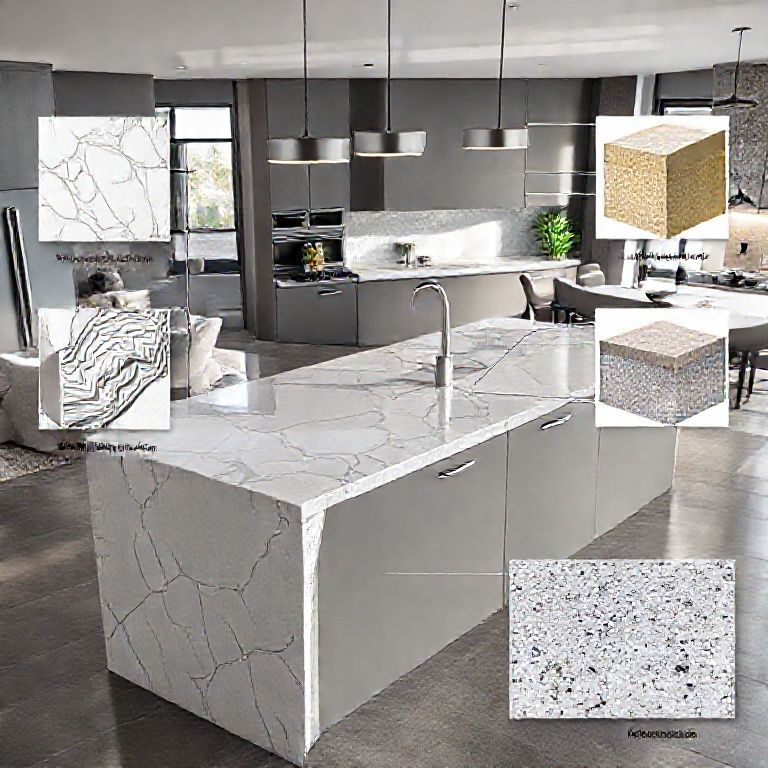
Egyptian Marble: Famous for its golden hues and large, sweeping veins, Egyptian marble has been used in historical monuments and continues to be a symbol of opulence.
Brazilian Marble: Renowned for its vibrant colors and dramatic patterns, Brazilian marble is perfect for bold, modern designs.
Indian Marble: Indian marble offers a variety of colors, from creamy whites to rich reds, making it a versatile option for different design aesthetics.
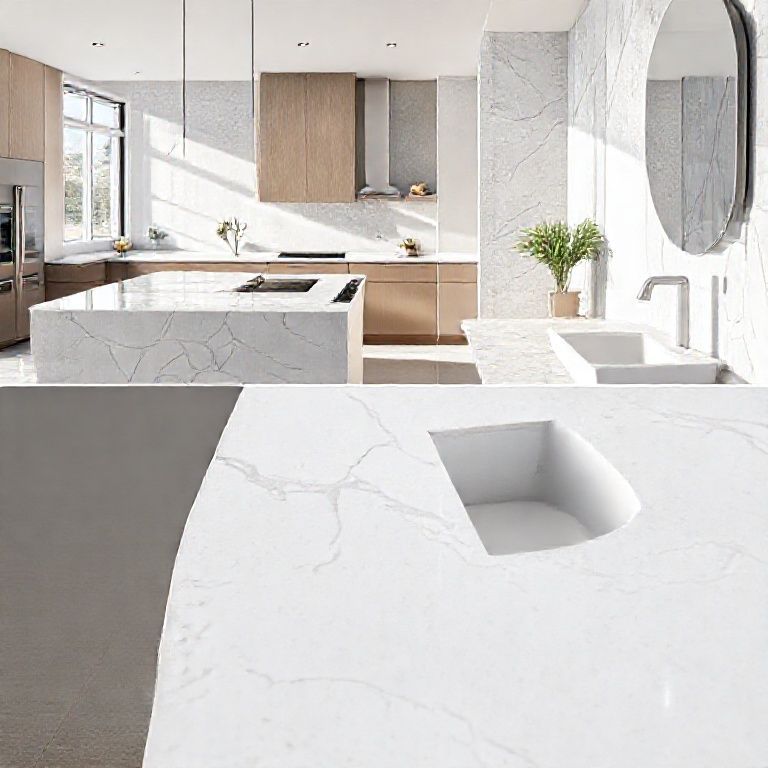
Cost Factors Influencing Marble Flooring
Several factors influence the cost per square meter of marble flooring:
Type of Marble: Different marbles have varying levels of rarity and quality, significantly affecting their price. For example, Carrara marble tends to be more expensive than other varieties due to its classic appeal and fine quality.
Color and Veining: Marbles with more complex and aesthetically pleasing veining generally cost more. Unique colors and patterns also drive up the price.
Thickness and Quality: Marble flooring comes in various thicknesses and qualities. Higher quality, thicker marble slabs often command a higher price.
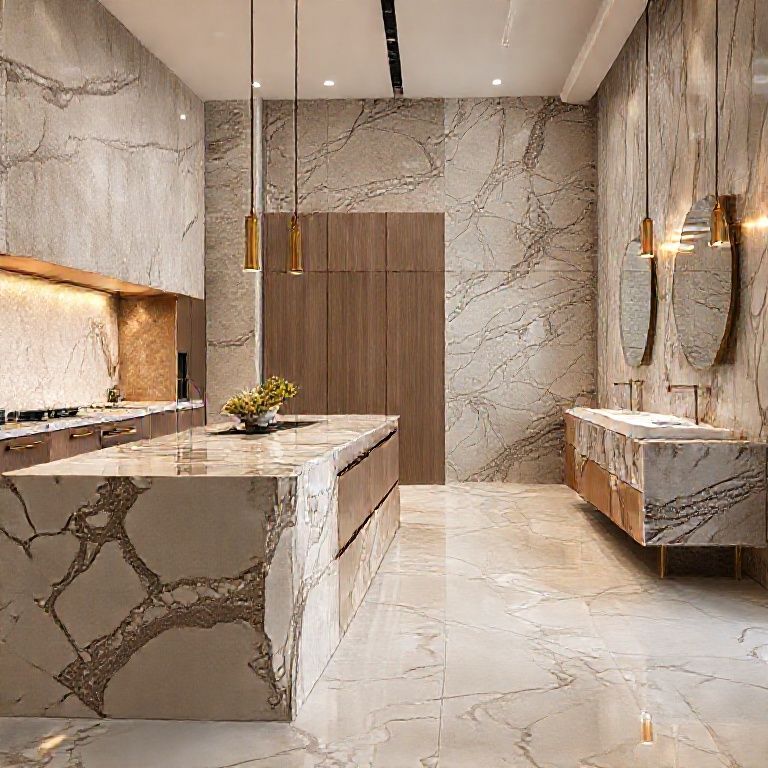
Installation: Professional installation adds to the overall cost. Skilled labor ensures that the marble is cut, polished, and laid correctly, enhancing both the durability and appearance of the flooring.
Labor Costs: Depending on the complexity of the installation and the area being covered, labor costs can vary widely. Intricate designs or areas with uneven surfaces may require more labor.
Estimating the Cost Per Square Meter
The cost of marble flooring per square meter can vary significantly based on the factors mentioned above. Here’s a general breakdown to give you an idea:
Italian Marble: Typically ranges from $50 to $200 per square meter. Egyptian Marble: Usually costs between $30 and $150 per square meter. Brazilian Marble: Can range from $40 to $180 per square meter. Indian Marble: Prices vary widely, generally ranging from $20 to $120 per square meter.
Benefits of Marble Flooring
Marble flooring isn’t just about aesthetics; it offers several practical benefits:
Durability: Marble is a tough and durable material, capable of withstanding heavy foot traffic and minor scratches. Low Maintenance: Once installed, marble floors require minimal maintenance. Regular cleaning with a soft cloth and mild soap is usually sufficient. Timeless Appeal: Marble’s classic beauty ensures that it remains a timeless choice that enhances the value of a property. Versatility: Marble can complement a wide range of architectural styles, from modern to traditional.
Conclusion
In the world of luxury flooring, marble stands out as a symbol of sophistication and enduring beauty. The cost per square meter of marble flooring varies based on numerous factors, including type, quality, and installation. While the investment may be significant, the timeless elegance and practical benefits of marble flooring make it a worthwhile choice for those who seek to create a space that exudes luxury and charm.
Stay tuned for the second part of our exploration, where we will delve deeper into specific installation considerations and provide insights on how to get the best value for your marble flooring project.
The Exquisite Elegance of Marble: Cost and Considerations for Marble Flooring
Installation Considerations and Best Practices
In the previous part, we explored the diverse types of marble flooring and the factors influencing their cost per square meter. Now, let’s dive deeper into the specifics of marble flooring installation, providing detailed insights into best practices, common pitfalls, and how to maximize the value of your investment.
Preparation Before Installation
Proper preparation is essential to ensure a flawless marble flooring installation. Here are some crucial steps to consider:
Surface Preparation: The foundation of a successful marble flooring installation is a clean, level, and well-prepared surface. Ensure that the subfloor is free from any debris, moisture, and uneven areas. Depending on the condition of the existing floor, you may need to apply a primer or leveling compound.
Room Measurement: Accurate measurements of the room where the marble flooring will be installed are crucial. This includes accounting for door frames, windows, and any other obstructions to ensure that the marble tiles fit perfectly.
Choosing the Right Adhesive: Selecting the appropriate adhesive is vital for a durable and long-lasting installation. For marble flooring, a high-quality, flexible adhesive that can accommodate minor shifts and movements is recommended.
Installation Techniques
The installation process itself requires precision and expertise to achieve the best results. Here are some key techniques and tips:
Dry Laying: This method involves placing the tiles on the floor without adhesive and then applying the adhesive after the tiles are set. This technique allows you to make adjustments and ensure a perfect fit before permanently fixing the tiles.
Cutting Tiles: Marble tiles require precise cutting to fit around corners, door frames, and other obstacles. Using a tile cutter or a wet saw with a diamond blade ensures clean, accurate cuts.
Laying the Tiles: Begin laying the tiles from one corner of the room, using spacers to maintain even gaps between the tiles. Ensure that the tiles are level and straight as you work your way across the room.
Grout Application: Once the tiles are set, apply grout to fill the gaps between them. Use a grout float to spread the grout evenly and remove excess. Allow the grout to cure as per the manufacturer’s instructions before sealing it.
Common Pitfalls and How to Avoid Them
While marble flooring installation can be a rewarding project, it’s not without its challenges. Here are some common pitfalls and tips to avoid them:
Uneven Subfloor: An uneven subfloor can lead to an uneven marble flooring installation. Use a leveling compound to create a smooth, level surface before laying the tiles.
Inaccurate Measurements: Inaccurate measurements can result in tiles that don’t fit properly or gaps that are too large or too small. Double-check all measurements and allow for slight adjustments during the installation process.
Improper Adhesive Use: Using the wrong type of adhesive or applying it incorrectly can compromise the durability of the installation. Follow the manufacturer’s instructions carefully and use high-quality adhesives.
Ignoring Expansion Gaps: Marble flooring expands and contracts with changes in temperature and humidity. Failing to leave adequate expansion gaps can lead to cracking and other issues. Always leave a small gap between the marble tiles and walls or other surfaces.
Maximizing Value and Longevity
To ensure that your marble flooring installation provides the best value and lasts for years to come, consider these additional tips:
Quality Materials: Invest in high-quality marble and installation materials. While this may increase the upfront cost, it pays off in durability and aesthetic appeal.
Professional Installation: While DIY installations are possible, hiring a professional can save you time and ensure a flawless finish. Skilled installers have the expertise to handle complex installations and avoid common pitfalls.
Regular Maintenance: Regular maintenance, such as cleaning with a soft cloth and mild soap, can help preserve the beauty and longevity of your marble flooring. Avoid using harsh chemicals that can damage the surface.
Proper Sealing: Sealing the marble flooring can protect it from stains and spills, enhancing its appearance and extending its lifespan. Choose a high-quality sealer and apply it according to the manufacturer’s instructions.
Conclusion
Marble flooring installation is a meticulous process that requires careful preparation, precise techniques, and attention to detail. By understanding the installation considerations and best practices, you can ensure a beautiful and long-lasting marble flooring installation that enhances the elegance and value of your space.
In the final part of our exploration, we will provide a comprehensive cost analysis and discuss how to budget for a marble flooring project, ensuring you get the best return on your investment.
在前面的部分中,我们深入探讨了大理石地板的不同类型以及影响其每平方米成本的各种因素。现在,让我们进一步分析大理石铺装的具体成本和如何在项目预算中合理分配资金,以确保您获得最佳的投资回报。
全面的成本分析
切割和定制: 如果您需要定制大理石块或复杂的切割,这将进一步增加成本。 抛光和封闭: 抛光和封闭处理可以提升大理石的耐用性和美观性,通常每平方米费用在$5到$15之间。 运输和安装: 根据地理位置和距离,运输和安装费用可能会有所不同。
预算和成本控制
明确预算: 确定一个总预算,并在其中考虑所有相关费用,包括材料、安装、切割、抛光和任何可能的惊喜费用。
优化选择: 在大理石类型和品质之间找到最佳平衡。高级大理石虽然更昂贵,但其美观和耐用性可能会让您的投资回报更高。
分阶段安装: 如果预算紧张,可以考虑分阶段进行铺装,从最重要或最受欢迎的区域开始。
比较和谈判: 多与不同供应商和承包商进行比较,并进行谈判以获取最优惠的价格。
考虑未来: 虽然短期成本较高,但耐用性和低维护的大理石可以在长期内节省维护费用,因此其实际投资回报可能更高。
长期价值和维护
定期清洁: 使用温和的清洁剂和软布定期清洁大理石地板,以避免污渍和磨损。
避免尖锐物品: 在大理石地板上避免使用尖锐物品,以防止划伤和刮痕。
及时修复: 任何污渍、划痕或其他损坏应及时修复,以防止问题恶化。
专业维护: 每隔几年进行一次专业的抛光和封闭处理,以保持大理石的光泽和防护功能。
结论
大理石铺装是一项需要精心规划和考量的投资。通过了解每个成本因素,制定详细预算,并采取适当的维护措施,您可以确保大理石地板在美观、耐用和价值方面为您带来长期的回报。在选择和安装大理石地板时,专业知识和精确的执行是成功的关键。希望这些信息能帮助您在大理石铺装项目中做出明智的决策。