The Art and Science of Marble Renovation
Introduction to Marble Renovation
Marble, with its timeless elegance and rich history, continues to be a preferred choice for high-end interior and exterior applications. However, over time, marble surfaces can suffer from stains, scratches, and other damages that detract from their natural beauty. To restore marble to its former glory, a detailed renovation process is essential. This guide will delve into the intricate steps involved in marble renovation, ensuring that every piece is revitalized to its pristine state.

Initial Assessment and Consultation
The first step in any marble renovation process is a thorough assessment of the marble surfaces. A professional inspector will meticulously evaluate the condition of the marble, identifying areas that require attention. This includes checking for stains, scratches, chips, and other forms of damage. During this phase, a consultation is held to understand the specific needs and expectations of the client. This step is crucial as it lays the foundation for the entire renovation process.
Cleaning and Preparation
Once the assessment is complete, the cleaning process begins. Marble is a porous material, which means that cleaning must be done with care to avoid causing further damage. The cleaning process typically involves the use of specialized marble cleaning solutions that are pH-neutral to prevent chemical reactions that can harm the marble.
After cleaning, the surface is prepped for restoration. This may involve filling in small cracks or imperfections using a marble filler that matches the original color. The surface is then sanded lightly to create a smooth base for the restoration process. This step is critical to ensure that the marble is ready for the more advanced restoration techniques that follow.
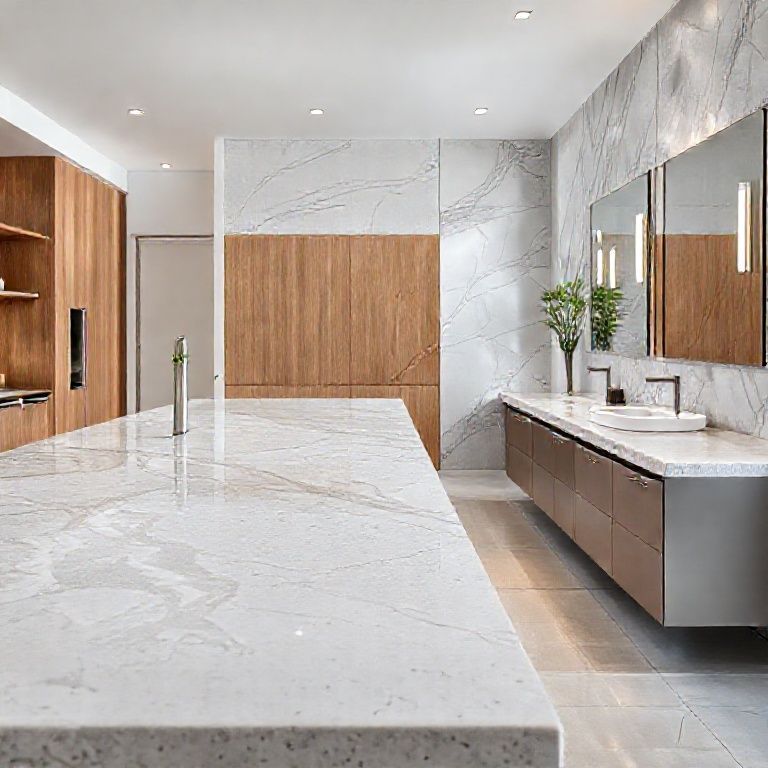
Restoration Techniques
Several techniques can be employed depending on the extent of the damage. For minor scratches and stains, a process called “acid etching” is often used. This involves applying a mild acid to the surface to remove the damaged layer and reveal the pristine marble beneath. For deeper scratches, a technique called “polishing” is employed. This involves using a diamond-tipped grinder to remove the damaged surface and then applying a series of progressively finer abrasives to smooth the marble.
In cases where the marble has been significantly compromised, a more invasive technique known as “re-carving” may be necessary. This involves carving away the damaged sections and replacing them with new marble that matches the original piece. This is a highly skilled process that requires a great deal of precision and artistry.
Sealing and Protection
Once the restoration is complete, the marble surfaces are sealed to protect them from future damage. Sealing involves applying a protective coating that penetrates the pores of the marble, creating a barrier against stains and chemicals. This step is crucial in maintaining the aesthetic appeal and longevity of the marble.
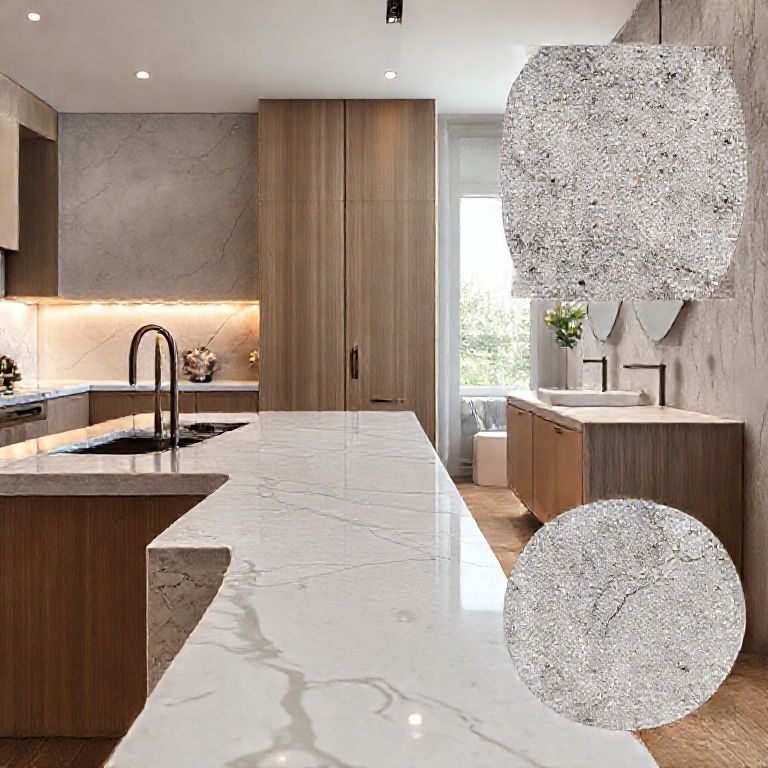
There are different types of sealers available, each offering varying levels of protection. The choice of sealer depends on the specific needs of the marble and the environment in which it will be used. For instance, high-traffic areas may require a more durable sealer compared to low-traffic areas.
Quality Standards in Marble Renovation
The process of marble renovation adheres to stringent quality standards to ensure the best possible results. These standards cover every aspect of the renovation process, from the selection of materials to the techniques used. The International Marble Institute (IMI) provides guidelines that professionals must follow to ensure that the marble is restored to its original beauty.
Key standards include:
Material Quality: Only high-quality marble and restoration materials are used. Technique Proficiency: Technicians must be trained and certified in the latest restoration techniques. Environmental Safety: Eco-friendly cleaning solutions and materials are preferred to minimize environmental impact. Customer Satisfaction: The final product must meet or exceed the client’s expectations.
Conclusion
The art of marble renovation is both a science and a craft, requiring precision, expertise, and a deep understanding of the material’s unique properties. By following a detailed and meticulous process, marble surfaces can be restored to their original beauty, ensuring they remain a stunning feature in any setting for years to come.
The Detailed Steps and Best Practices in Marble Renovation
Understanding the Nuances of Marble
Marble is a metamorphic rock composed mainly of calcium carbonate, giving it a unique texture and appearance. However, its porosity also makes it susceptible to stains, scratches, and other forms of damage. Understanding these characteristics is crucial for anyone involved in the renovation process.
Advanced Cleaning Techniques
Cleaning marble requires specific techniques to avoid causing further damage. Traditional cleaning methods using harsh chemicals can strip away the natural oils in marble, leading to a dull finish and increased porosity. Advanced cleaning techniques involve using specialized, pH-neutral solutions that gently clean the surface without harming it.
One advanced technique is the use of ultrasonic cleaning, which employs high-frequency sound waves to remove deep-seated stains. This method is highly effective for intricate and detailed areas where traditional cleaning methods might fall short.
Restoration Techniques in Detail
Acid etching is a common technique used to remove surface stains and scratches. The process involves applying a mild acid to the marble, which reacts with the calcium carbonate to dissolve the damaged layer. The acid is then rinsed off, leaving behind a smoother, cleaner surface.
For deeper scratches, a technique called “diamond polishing” is often used. This involves using a diamond-tipped grinder to remove the damaged layer and then applying a series of progressively finer abrasives to smooth the marble. This method is highly effective for restoring the natural shine and texture of the marble.
In cases where the marble has suffered significant damage, re-carving might be necessary. This involves carefully removing the damaged sections and replacing them with new marble that matches the original piece. This process requires a great deal of skill and precision, as the new marble must blend seamlessly with the existing piece.
Post-Restoration Care
After the restoration process is complete, the marble surfaces require careful post-restoration care to ensure longevity. This includes regular cleaning with pH-neutral solutions and periodic sealing to protect against future damage.
Regular maintenance also involves educating clients on how to care for their marble to extend its lifespan. This includes avoiding harsh chemicals, using marble-specific cleaning products, and avoiding placing hot objects directly on the marble to prevent thermal shock.
The Role of Technology in Marble Renovation
Modern technology has revolutionized the field of marble renovation. Advanced imaging techniques allow for detailed inspection of the marble surfaces, identifying even the smallest imperfections that might be missed during a visual inspection.
Laser technology is also used in the restoration process, providing a highly precise method for removing damaged layers without affecting the surrounding areas. This technology allows for a more controlled and accurate restoration, ensuring that the marble is returned to its original beauty with minimal disruption.
Best Practices for Marble Renovation
To achieve the best results in marble renovation, certain best practices must be followed:
Use High-Quality Materials: Only use materials that are specifically designed for marble restoration to ensure compatibility and effectiveness. Trained Professionals: Always hire certified professionals who have experience and expertise in marble renovation. Minimal Disruption: Employ techniques that cause the least amount of disruption to the surrounding areas, ensuring a seamless renovation process. Regular Maintenance: Educate clients on the importance of regular maintenance to prolong the life of the marble and maintain its beauty.
Conclusion
Marble renovation is a complex and detailed process that requires a combination of science, art, and technology. By adhering to stringent standards and best practices, marble can be restored to its original beauty, ensuring it remains a stunning and enduring feature in any setting. The meticulous care and expertise involved in this process not only preserve the aesthetic appeal of marble but also its structural integrity, providing a lasting legacy for generations to come.
This comprehensive guide highlights the intricate steps and standards involved in marble renovation, emphasizing the importance of precision, expertise, and care in restoring marble to its pristine condition.