Understanding Artificial Stone Countertops and Their Thickness
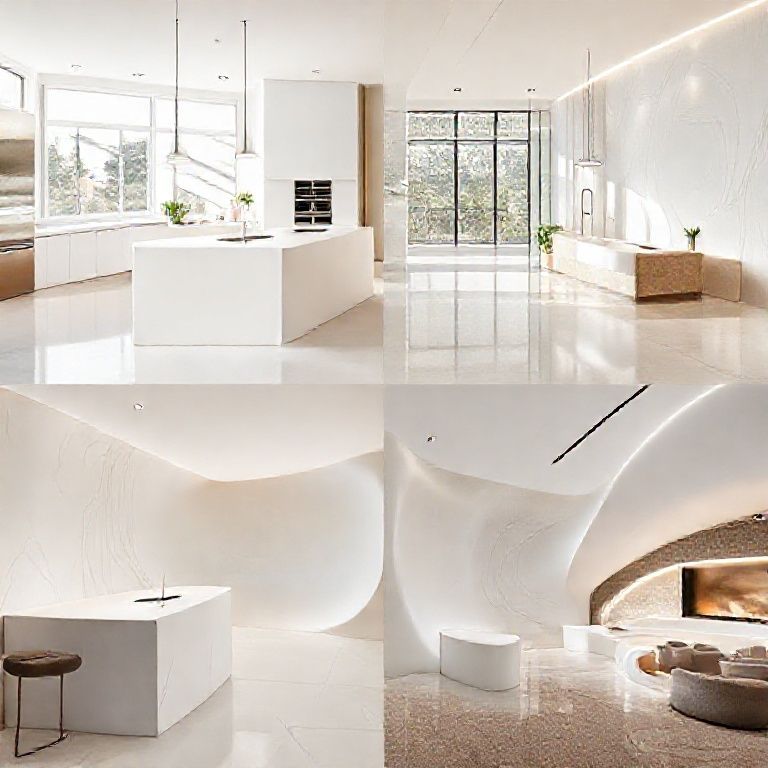
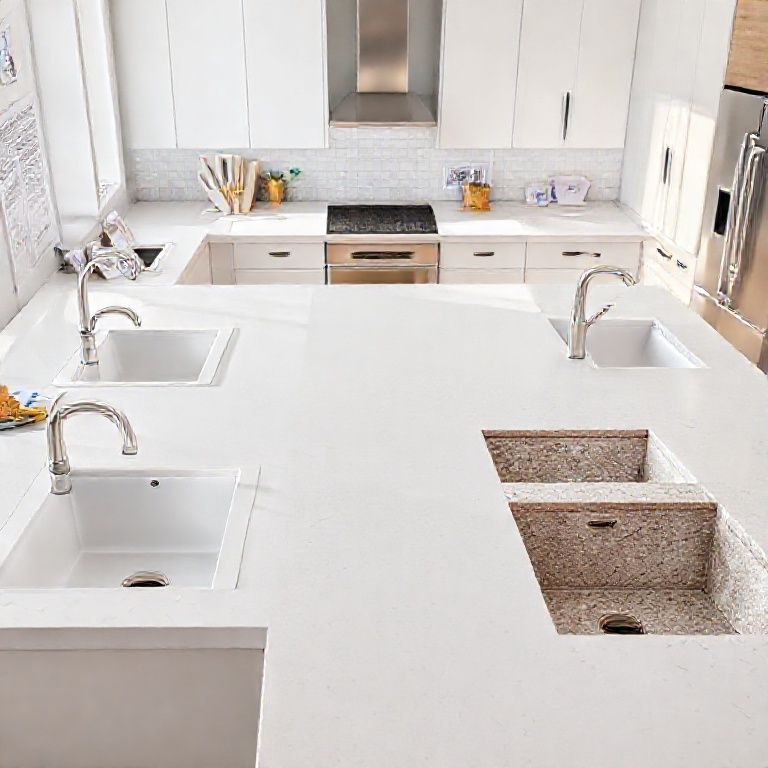
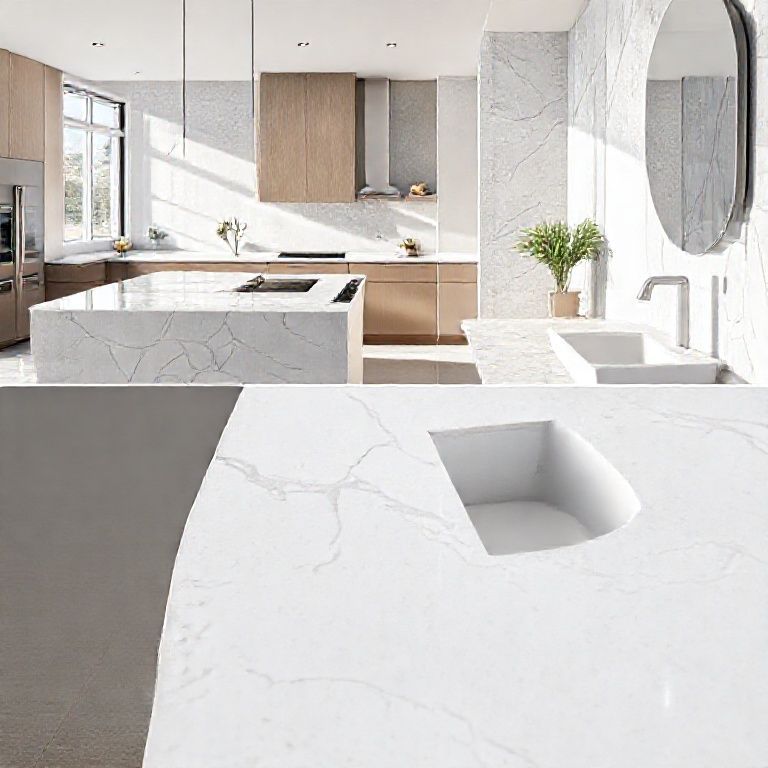
Artificial stone countertops have emerged as a popular choice for modern kitchens and bathrooms, thanks to their stunning aesthetics, durability, and versatility. Unlike traditional stone or wood, artificial stone combines various minerals and resins to create a high-quality surface that mimics the look of natural stone but without the high cost or maintenance issues. In this first part, we will explore the fundamental aspects of artificial stone countertops, focusing specifically on their thickness.
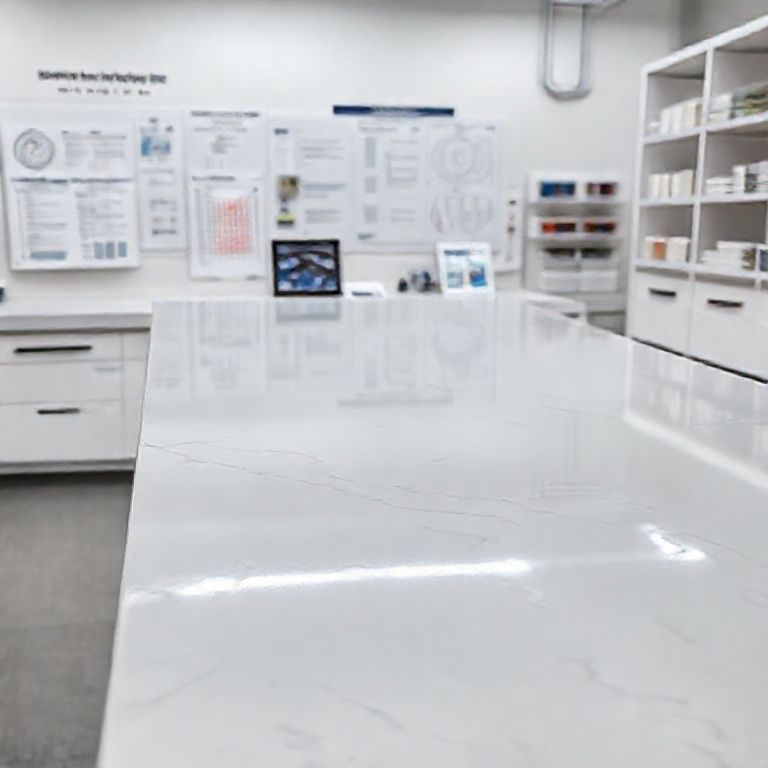
What Are Artificial Stone Countertops?
Artificial stone, also known as engineered stone, is a composite material made from a mixture of minerals, quartz, and other additives, bonded together with resins. This unique composition gives it a stone-like appearance while providing remarkable strength and resistance to scratches, stains, and heat. Unlike natural stone, which can vary greatly in quality and appearance, artificial stone offers a consistent, uniform finish that is easier to maintain.
Why Thickness Matters in Artificial Stone Countertops
The thickness of a countertop plays a crucial role in its functionality, aesthetics, and durability. For artificial stone countertops, the ideal thickness typically ranges from 1 to 2 inches (2.5 to 5 cm). This thickness provides a balance between visual appeal, structural integrity, and ease of installation.
Key Factors Influencing Thickness:
Durability and Strength: A thicker countertop generally offers superior durability and resistance to impact. This makes it an excellent choice for high-traffic areas such as kitchens, where countertops are subject to daily use and potential spills.
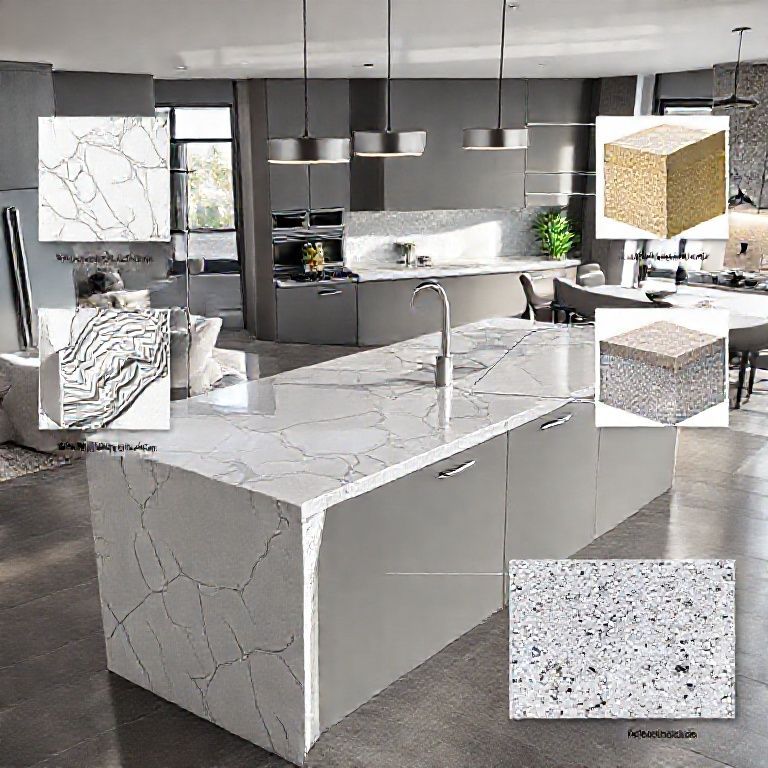
Weight: While a thicker countertop is more durable, it also means a heavier installation process. This is especially important to consider when installing over existing cabinetry or if there are structural limitations.
Aesthetics: The thickness of a countertop can affect its visual appearance. Thinner countertops might look more contemporary and sleek, while thicker ones can provide a more robust, traditional look.
Installation: Thicker countertops might require more complex installation techniques and tools. It’s essential to ensure that the underlying support structure can handle the added weight and that the installation process is feasible within the space constraints.
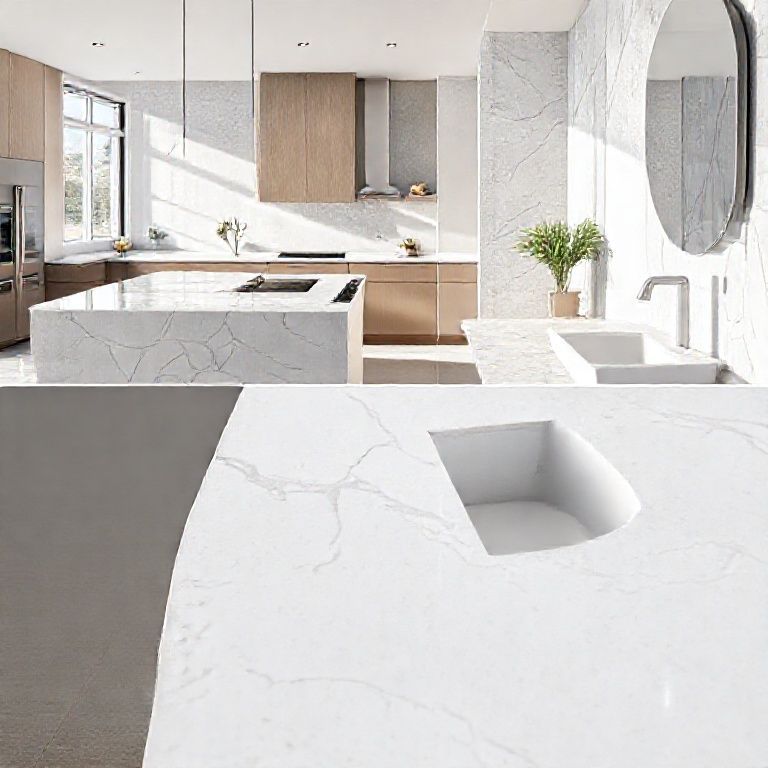
Selecting the Right Thickness for Your Space
When choosing the thickness of your artificial stone countertop, it’s important to consider the specific requirements of your space. Here are some guidelines to help you make an informed decision:
Kitchens: For kitchens where durability is paramount, a thickness of 1.5 to 2 inches (3.8 to 5 cm) is recommended. This ensures that the countertop can withstand daily use without cracking or scratching.
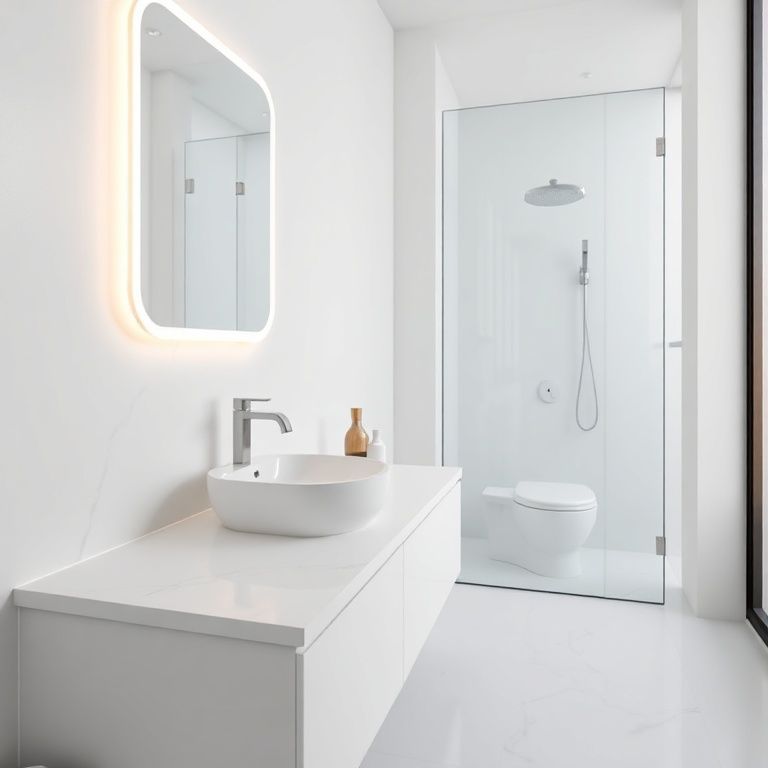
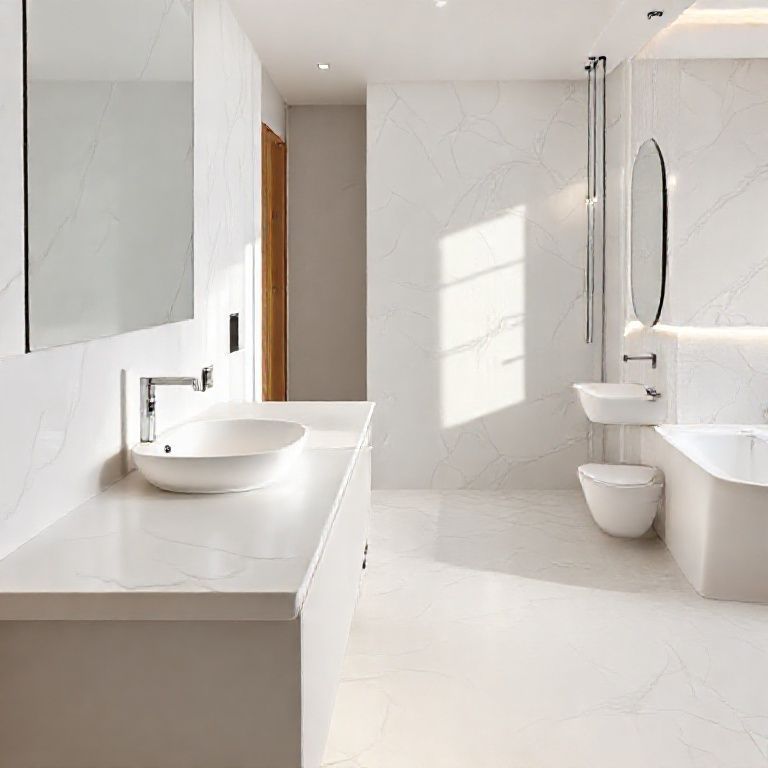
Bathrooms: Bathroom countertops typically see less heavy use compared to kitchens. A thickness of 1 inch (2.5 cm) can be sufficient here, balancing durability with a lighter installation process.
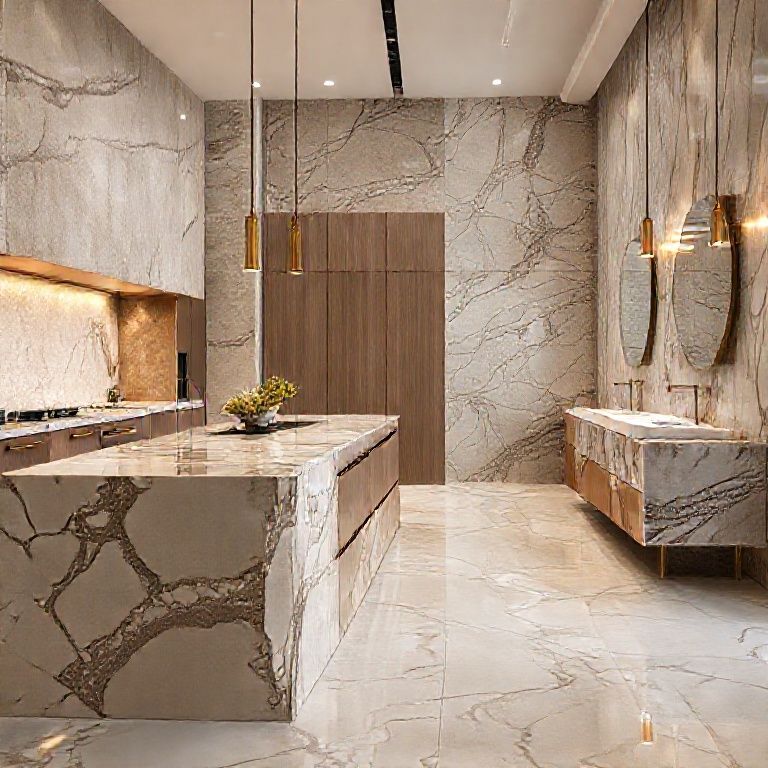
Contemporary Designs: For modern, minimalist designs, thinner countertops (around 1 inch or 2.5 cm) can create a sleek, contemporary look that complements modern aesthetics.
Installation Considerations
Proper installation is critical to ensuring the longevity and appearance of your artificial stone countertop. Here are some tips for successful installation:
Substrate Preparation: Ensure that the surface where the countertop will be installed is clean, level, and free of any debris. This is crucial for a smooth, secure fit.
Adhesive Selection: Use high-quality adhesives designed for stone countertops. These provide the necessary grip to hold the countertop securely in place.
Cutting and Fitting: Precise cutting and fitting are essential to avoid gaps and ensure a seamless appearance. Use a reliable stone cutter and measure accurately before making any cuts.
Sealing: After installation, it’s important to seal the countertop to protect it from stains and spills. Regular maintenance will help keep your countertop looking pristine.
Conclusion
Understanding the thickness of artificial stone countertops is a vital aspect of selecting the perfect material for your kitchen or bathroom. The right thickness ensures durability, aesthetic appeal, and ease of installation. By considering the factors that influence thickness and following best practices for installation, you can create a beautiful, long-lasting countertop that enhances the functionality and beauty of your space.
Advanced Insights into Artificial Stone Countertop Thickness
Building on our foundational understanding of artificial stone countertops and their thickness, this second part delves into advanced insights and techniques to ensure the perfect installation and longevity of your countertop. We will cover innovative design trends, expert maintenance tips, and advanced selection criteria to help you achieve an impeccable finish.
Innovative Design Trends in Artificial Stone Countertops
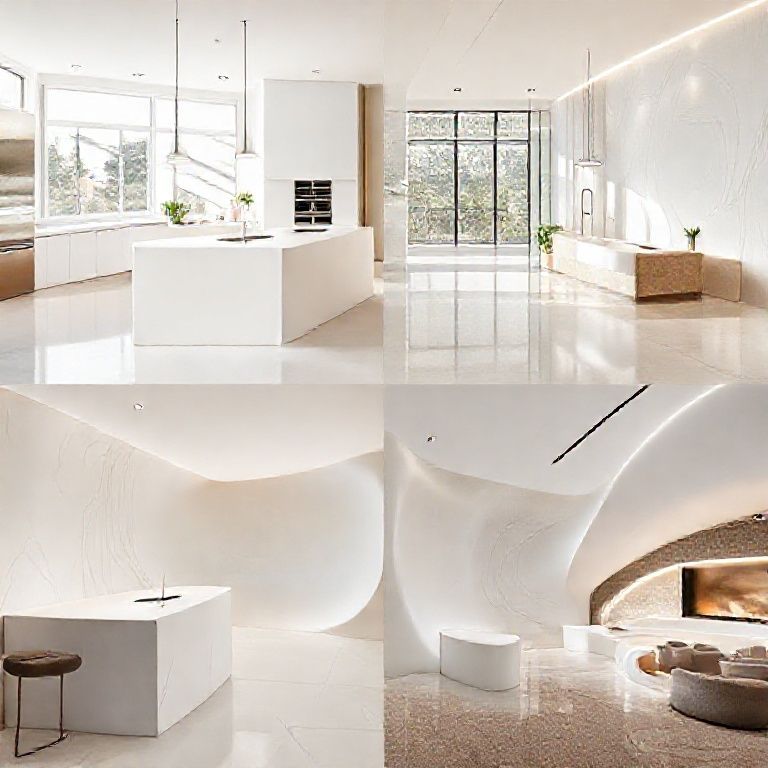
Artificial stone countertops have become synonymous with innovation in modern design. Designers and homeowners are continually exploring new ways to incorporate these versatile surfaces into their spaces, creating unique and eye-catching designs.
Trends in Thickness and Design:
Thin and Sleek Designs: With advancements in manufacturing, thinner artificial stone countertops (around 1 inch or 2.5 cm) are becoming more popular. These ultra-thin designs offer a modern, minimalist aesthetic that complements sleek furniture and fixtures.
Textured Surfaces: Beyond the traditional flat surfaces, artificial stone countertops now come with various textures and finishes. From matte to glossy, designers can choose from a wide range of options to create visually striking surfaces.
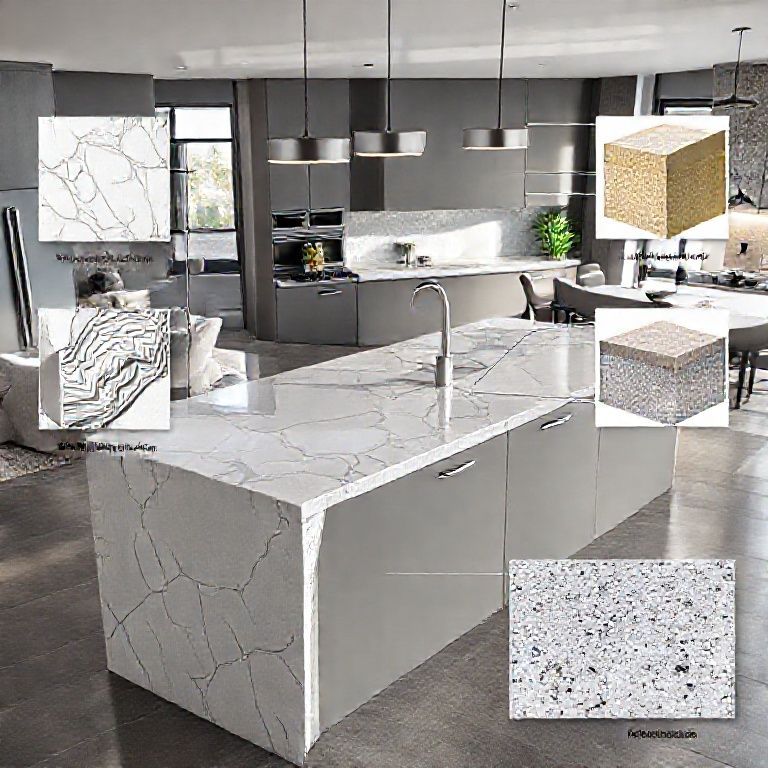
Color and Pattern Innovations: Artificial stone can be engineered to mimic almost any natural stone, but it also allows for unique color variations and patterns that are not possible with natural stone. This versatility enables designers to create custom designs that reflect specific themes or styles.
Design Considerations:
Functionality: While aesthetics are important, functionality should not be overlooked. Ensure that the thickness and design of your countertop align with the intended use of the space. For instance, a thicker countertop might be better suited for a kitchen island, while a thinner one might work well in a bathroom.
Space and Scale: Consider the overall scale of your space. In larger areas, a thicker countertop can provide a more substantial, grounded look, while smaller spaces might benefit from a thinner, lighter design.
Integration with Existing Elements: Ensure that the countertop design and thickness complement existing elements in the space, such as cabinetry, flooring, and fixtures. Cohesion in design enhances the overall aesthetic appeal.
Advanced Selection Criteria for Artificial Stone Countertops
Selecting the right artificial stone countertop involves more than just choosing a color or pattern. Here are advanced criteria to consider for optimal selection:
Material Quality: High-quality artificial stone is essential for durability and appearance. Look for materials with a high quartz content and superior bonding resins. This ensures that the countertop is resistant to scratches, stains, and heat.
Thermal Resistance: Consider the thermal resistance of the artificial stone. High-temperature environments, such as near stovetops, require countertops that can withstand heat without discoloration or damage.
Water Resistance: While artificial stone is generally water-resistant, some formulations offer enhanced resistance. This is particularly important for bathroom countertops, which are exposed to moisture and humidity.
Ease of Maintenance: Choose a countertop with a smooth, non-porous surface that is easy to clean and maintain. Regular sealing is often recommended to protect the surface from stains and spills.
Expert Maintenance Tips
Proper maintenance is crucial to keeping your artificial stone countertop looking its best and ensuring its longevity. Here are some expert tips for maintaining your countertop:
Regular Cleaning: Use a mild soap and water solution to clean your countertop regularly. Avoid using abrasive cleaners or sponges that can scratch the surface.
Immediate Spill Management: Wipe up spills immediately, especially those containing acids, alcohol, or bleach. These substances can damage the artificial stone over time.
Periodic Sealing: Depending on the manufacturer’s recommendations, periodically apply a sealant to protect the countertop from stains and spills. This is particularly important for high-traffic areas.
Avoiding Sharp Objects: To prevent scratches, avoid placing sharp objects directly on the countertop. Use cutting boards or pads to protect the surface during food preparation.
Installation Techniques for Optimal Thickness
Achieving the perfect thickness for your artificial stone countertop involves careful planning and execution. Here are advanced techniques to ensure optimal thickness and installation:
Precision Cutting: Use a high-quality stone cutter to achieve precise cuts. Measure carefully and mark your countertop before cutting to ensure accurate dimensions.
Support Structures: For thicker countertops, consider using support structures such as L-brackets or corner protectors to provide additional stability and prevent sagging.
详细的安装步骤和技巧
准备工作: 测量和设计: 在安装之前,确保测量你的台面区域是准确的。设计好切割和安装的位置。 准备工具: 确保你有所有必要的工具,如锯子、测量工具、水平仪、胶枪和其他安装工具。 清洁表面: 在安装前,确保台面区域的表面是干净、干燥的。这将确保胶水能够更好地粘附。
切割和定位: 切割: 使用精确的切割工具将人造石台面切割成所需的尺寸。确保切割边缘光滑。 定位: 在安装之前,先用胶水或泡沫垫在台面下方,以确保其能够平稳放置。然后将台面放置在预定位置,用水平仪检查是否水平。 固定和粘合: 固定: 使用螺丝、L型支架或其他固定装置将台面固定在预定位置。
这一步非常重要,以确保台面不会在使用中移动或下垂。 粘合: 使用高质量的石材专用胶水,将台面与台面下方的支撑结构粘合。确保胶水均匀地覆盖所有接触面。 填缝和处理边缘: 填缝: 安装完成后,使用石材填缝剂填补台面与其他家具或墙壁之间的缝隙。选择与台面颜色相匹配的填缝剂。
处理边缘: 使用砂纸或抛光机将台面边缘打磨光滑。这一步有助于提升整体美观性。
常见问题及解决方法:
台面不平: 原因: 台面未正确固定或安装时未使用水平仪。 解决方法: 重新固定台面,并在安装前多次使用水平仪检查。 台面移动或下垂: 原因: 胶水未干燥或台面固定不牢固。 解决方法: 确保胶水完全干燥,并重新检查台面的固定情况。 填缝不均匀: 原因: 填缝剂未按照颜色匹配或填缝时操作不当。
解决方法: 选择更接近台面颜色的填缝剂,并在填缝时多次检查颜色一致性。
长期维护建议:
定期清洁: 使用中性清洁剂定期清洁台面,避免使用酸性或碱性清洁剂。 避免热源: 尽量避免将热锅或热饮直接放在台面上,以防止热损伤。 及时处理溢出物: 溢出的酸性、碱性或酒精类物质应及时清理,以防止永久性损伤。
通过以上详细的步骤和技巧,你可以确保人造石台面的安装达到最佳效果,并延长其使用寿命。如果有任何不确定的地方,建议咨询专业的石材安装人员。