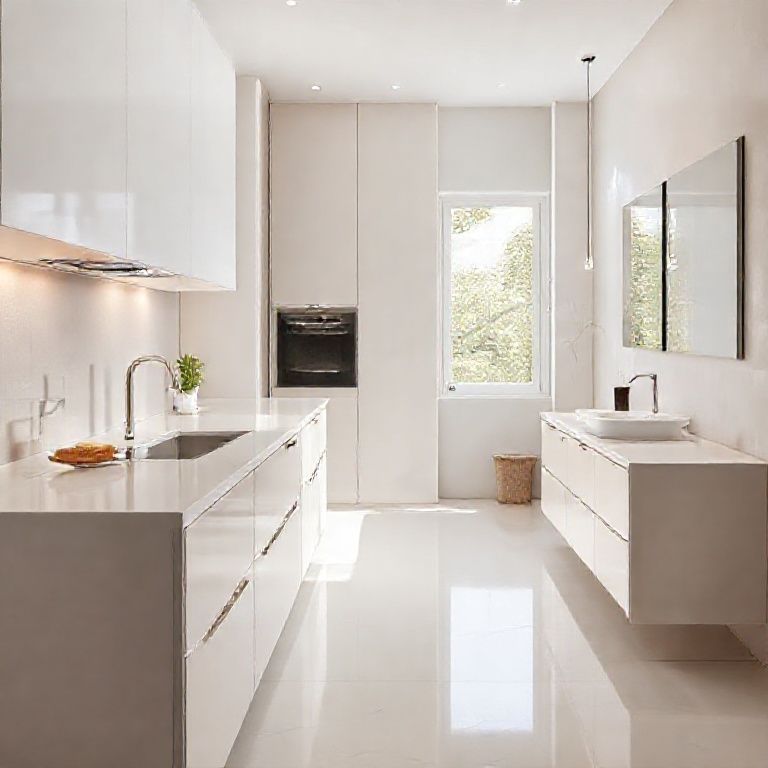
The Exquisite World of Engineered Marble: Unveiling the True Identity of Synthetic Stone
When it comes to the world of luxury home decor and modern design, one material stands out for its blend of beauty, durability, and sustainability: engineered marble, also known by its scientific name, cultured marble. Despite its name, cultured marble is not just a replica of natural marble; it is a sophisticated creation that offers the elegance and versatility of natural stone with added benefits that make it an ideal choice for contemporary interiors.

The Science Behind Cultured Marble
Cultured marble is a composite material that is meticulously crafted to mimic the appearance of natural marble. The process begins with a base material, typically a mixture of acrylic resin, calcium carbonate, and pigments. This mixture is poured into molds that replicate the intricate patterns of natural marble. As it cures, the material is polished to achieve a flawless finish that rivals the best of natural stones.
In the scientific community, engineered marble is referred to as cultured marble due to its unique creation process. Unlike natural marble, which is formed over millions of years through geological processes, cultured marble is cultured in a controlled environment. This allows for the creation of unique and consistent designs, free from the randomness of natural stone.
Benefits of Cultured Marble
One of the most compelling reasons to choose cultured marble is its versatility. Unlike natural stone, which often requires significant preparation and sealing to withstand wear and tear, cultured marble is inherently resistant to scratches, stains, and heat. This makes it an excellent choice for high-traffic areas such as kitchens and bathrooms.
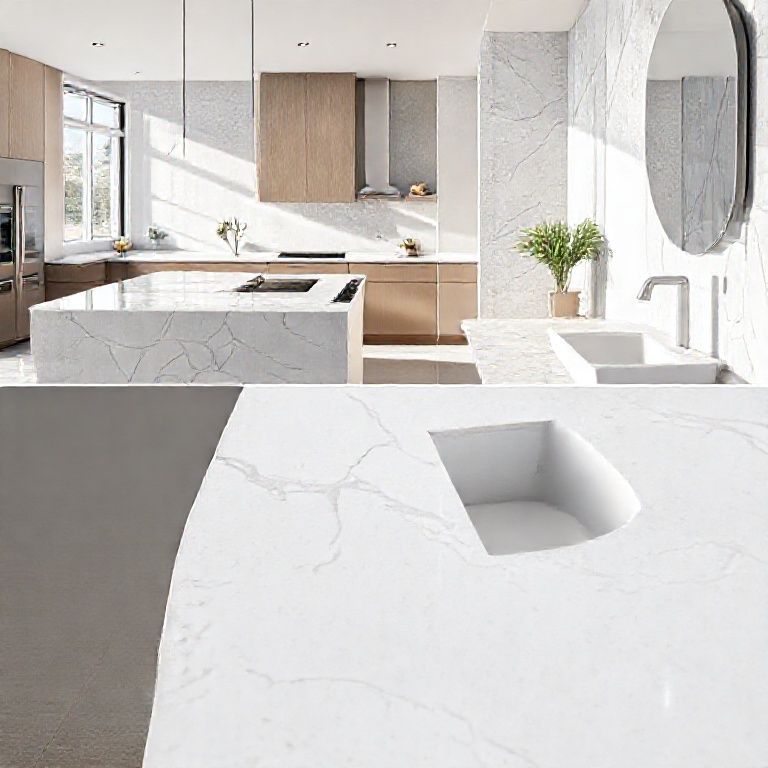
Moreover, cultured marble offers a level of customization that is unmatched by natural stone. Architects and designers can create bespoke patterns and colors that perfectly suit their vision. This flexibility makes cultured marble a preferred choice for both commercial and residential projects.
Durability and Maintenance
The durability of cultured marble is one of its most significant advantages. Its synthetic nature means it does not suffer from the same issues as natural marble, such as cracking or crumbling under pressure. Additionally, cultured marble does not absorb water or chemicals, making it easier to clean and maintain. A simple wipe-down with a damp cloth is usually sufficient to keep it looking pristine.
In terms of longevity, cultured marble holds up remarkably well. Unlike natural stone, which can be prone to fading and deterioration over time, cultured marble maintains its vibrant appearance and structural integrity for years to come. This longevity translates to cost savings in the long run, as there is less need for frequent repairs or replacements.
Aesthetic Appeal and Design Versatility
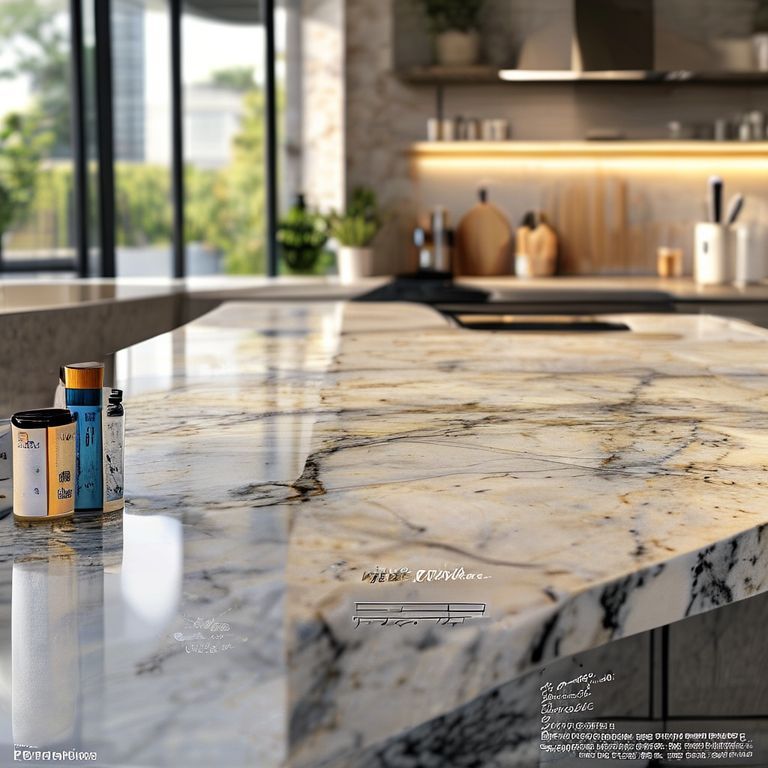
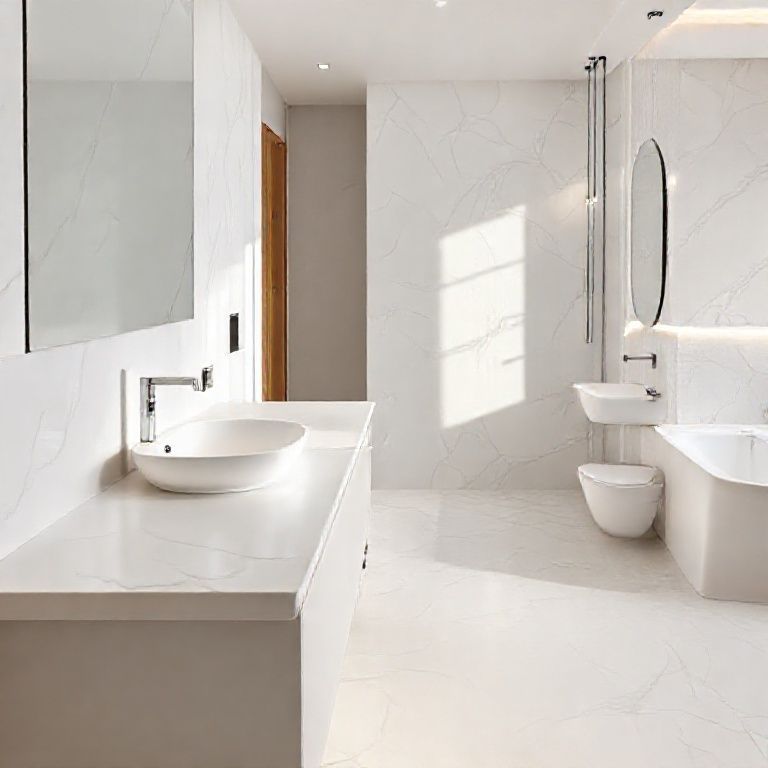
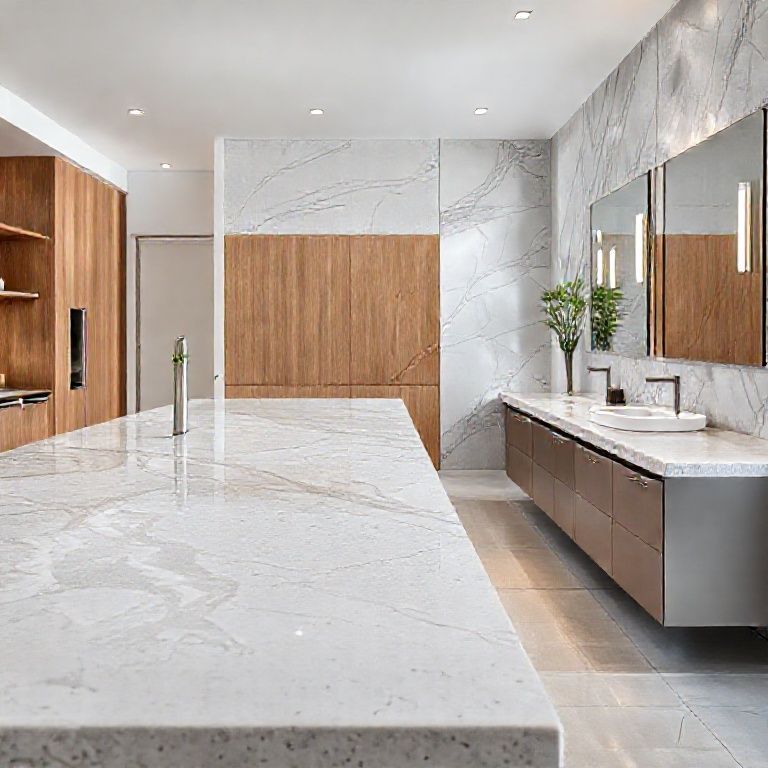
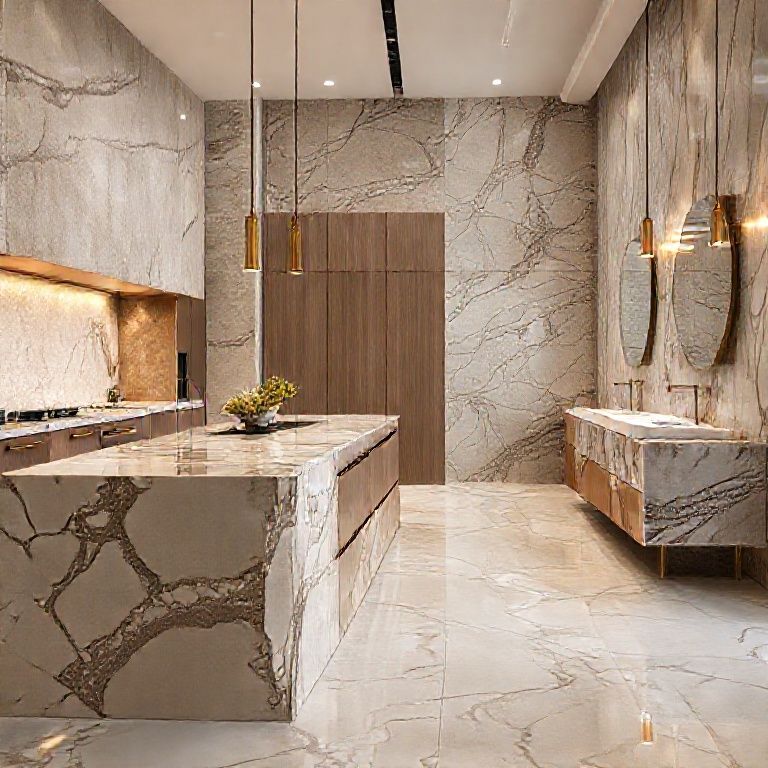
The aesthetic appeal of cultured marble cannot be overstated. Its ability to replicate the intricate patterns of natural marble, along with its range of customizable colors and finishes, makes it an incredibly versatile material for a wide array of design applications. From countertops and backsplashes to sinks and fountains, cultured marble can be used to create stunning, cohesive designs that enhance the overall beauty of a space.
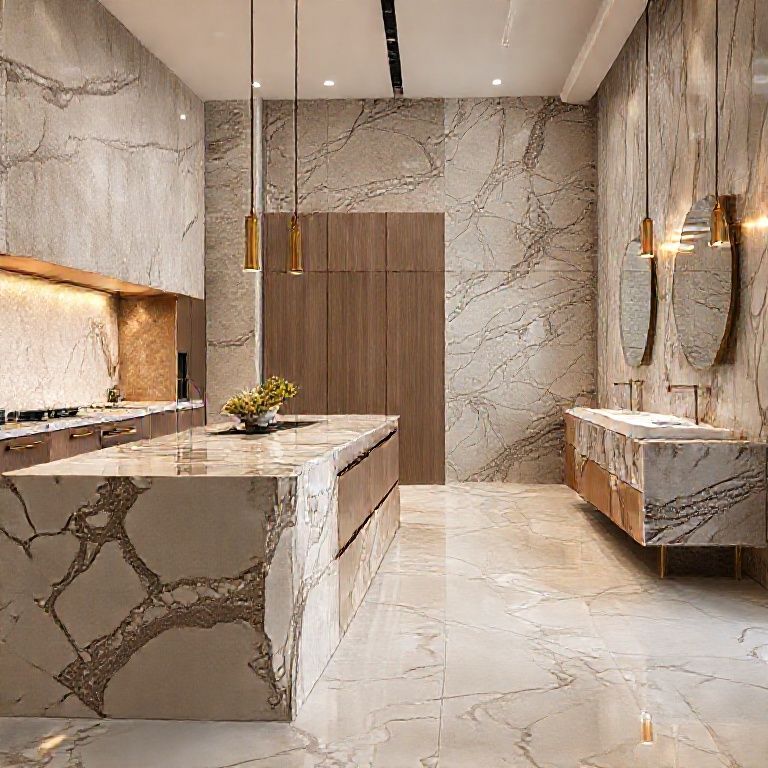
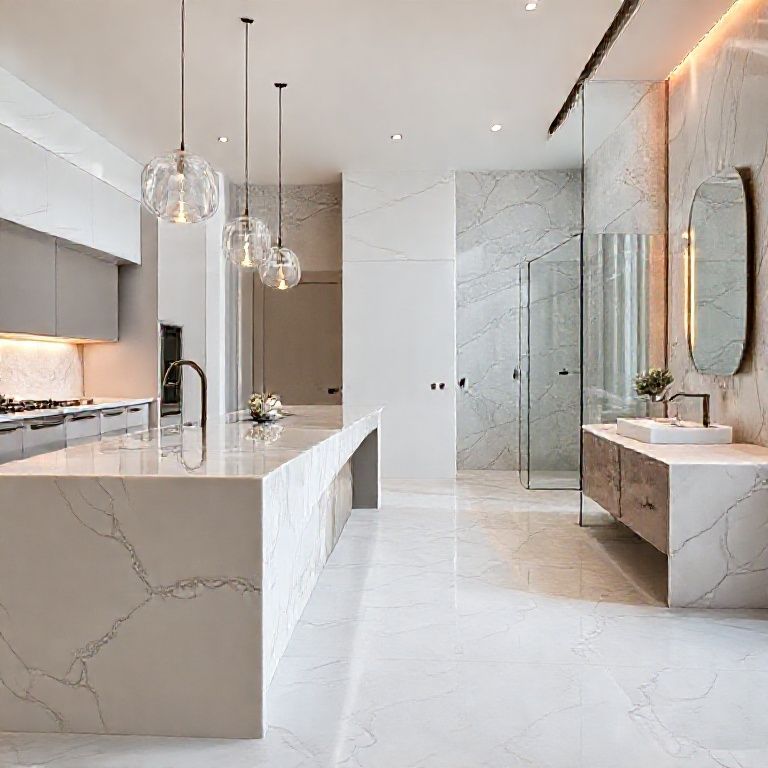
In contemporary interiors, cultured marble is often used to create a sense of luxury and sophistication. Its polished finish and rich textures provide a dramatic focal point that can elevate the ambiance of any room. Whether used in a modern kitchen or a lavish bathroom, cultured marble adds a touch of elegance and refinement that is hard to achieve with other materials.
Environmental Considerations
In an era where sustainability is more important than ever, cultured marble offers a compelling alternative to natural stone. The production process for cultured marble is more environmentally friendly than that of natural stone, as it does not require the extensive quarrying and transportation associated with natural stone.
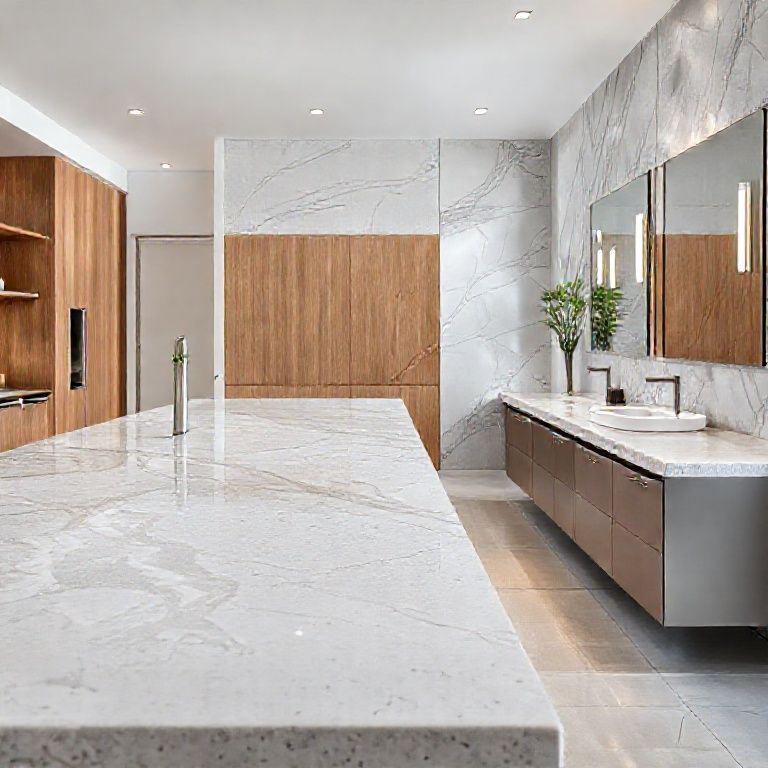
Additionally, cultured marble is recyclable. At the end of its useful life, it can be recycled and reused in new products, reducing waste and minimizing the environmental impact. This makes cultured marble an eco-conscious choice for those looking to make a sustainable impact without compromising on quality or aesthetics.
Applications in Modern Design
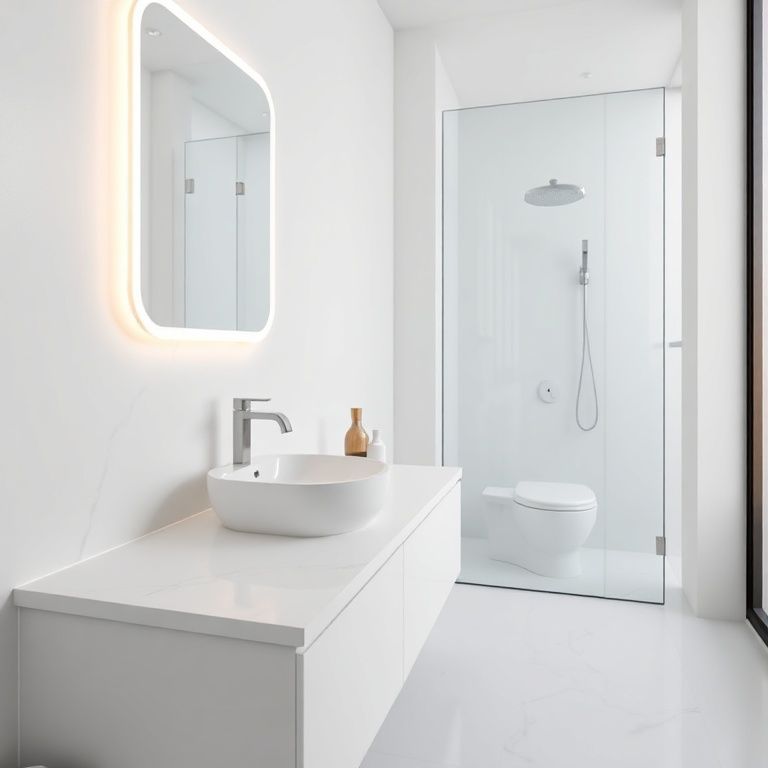
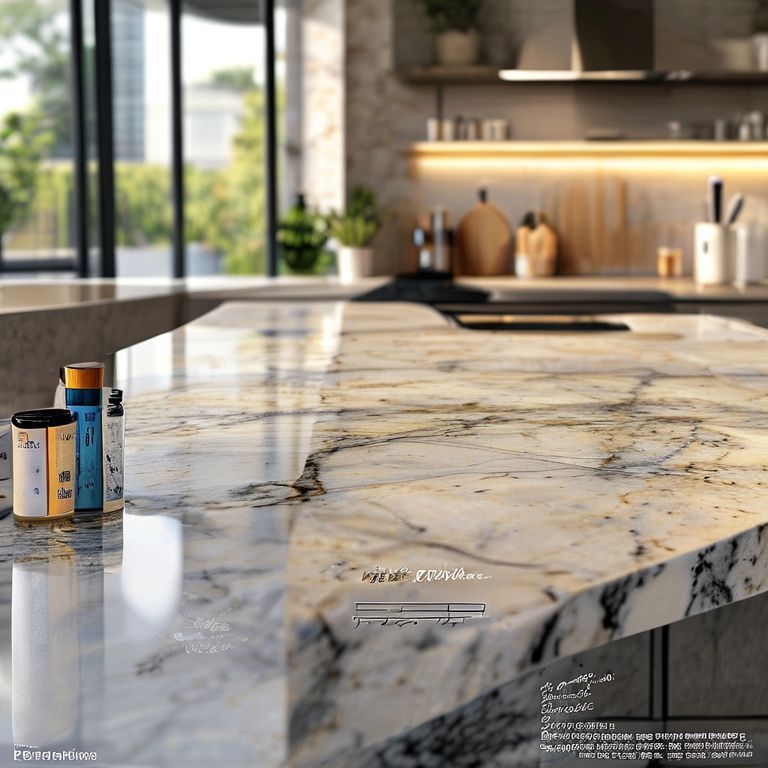
The applications of cultured marble in modern design are virtually limitless. In residential settings, it is commonly used for kitchen countertops, bathroom vanities, and decorative features such as tabletops and wall cladding. Its versatility allows it to blend seamlessly with various design styles, from minimalist and modern to traditional and ornate.
In commercial spaces, cultured marble is often used for reception areas, corporate lobbies, and high-end retail environments. Its durability and aesthetic appeal make it an ideal choice for areas where it will be exposed to heavy foot traffic and potential wear and tear.
Designers and architects are increasingly turning to cultured marble to create innovative and eye-catching designs that push the boundaries of traditional materials. Its ability to mimic the beauty of natural stone while offering superior functionality and sustainability makes it a favorite among creative professionals.
Conclusion
Cultured marble, or engineered marble, is a remarkable material that combines the timeless beauty of natural stone with modern innovation. Its unique creation process, coupled with its versatility, durability, and sustainability, makes it an excellent choice for both residential and commercial projects. As we continue to seek out materials that offer both aesthetic appeal and practical benefits, cultured marble stands out as a top contender in the world of luxury design.
The Exquisite World of Engineered Marble: Unveiling the True Identity of Synthetic Stone (Continued)
In the previous section, we explored the multifaceted benefits and applications of cultured marble, also known as engineered marble. Now, we delve deeper into how this innovative material is transforming the landscape of modern design and architecture.
Innovations in Cultured Marble
The field of cultured marble is continuously evolving, driven by advancements in materials science and design technology. Manufacturers are constantly pushing the boundaries to create new textures, patterns, and colors that push the limits of what is possible with synthetic stone. This ongoing innovation ensures that cultured marble remains at the forefront of contemporary design.
One of the latest innovations in cultured marble is the introduction of advanced pigmentation techniques. These techniques allow for the creation of ultra-realistic patterns that closely mimic the veins and swirls of natural marble. The result is a material that not only looks like natural stone but also feels and behaves like it. This high degree of realism enhances the aesthetic appeal of cultured marble and makes it a compelling choice for those who seek authenticity in their design.
Customization and Design Possibilities
One of the most significant advantages of cultured marble is its ability to be customized to meet specific design needs. Architects and designers can work with manufacturers to create unique patterns, shapes, and finishes that perfectly align with their vision. This level of customization is not possible with natural stone, which often requires significant preparation and sealing to achieve the desired aesthetic.
For example, in a commercial setting, a reception area might feature a reception desk crafted from cultured marble in a custom design that incorporates intricate geometric patterns. The ability to create such detailed and unique designs is one of the key reasons why cultured marble is preferred in high-end projects.
Integration with Modern Technology
As technology continues to advance, the integration of cultured marble with modern systems is becoming increasingly common. For instance, in smart homes, cultured marble countertops can be equipped with built-in induction cooktops, integrated lighting, and even custom-designed ventilation systems. This integration not only enhances the functionality of the material but also adds a modern, tech-savvy appeal to the overall design.
In commercial spaces, cultured marble is often used in conjunction with automated systems such as smart lighting, climate control, and interactive displays. These integrations create dynamic and interactive environments that engage users and enhance the overall experience.
Cultural and Historical Influences
Cultured marble draws inspiration from a rich cultural and historical heritage. The patterns and designs often reflect traditional motifs from various cultures around the world, blending ancient influences with modern aesthetics. This fusion of old and new creates a unique and timeless appeal that resonates with a broad audience.
For example, a bathroom design might feature cultured marble sinks and vanities with patterns inspired by classical Greek or Roman motifs. These designs evoke a sense of historical grandeur while incorporating the practical benefits of modern synthetic materials.
The Future of Cultured Marble
The future of cultured marble looks promising, with ongoing advancements in material science and design technology paving the way for even more innovative applications. Researchers are exploring new ways to enhance the properties of cultured marble, such as increasing its strength, durability, and resistance to environmental factors.
One exciting area of development is the use of sustainable materials in the production of cultured marble. As the demand for eco-friendly products grows, manufacturers are exploring options for using recycled materials and reducing waste in the production process. This not only makes cultured marble more sustainable but also aligns with global efforts to reduce environmental impact.
Conclusion
Cultured marble, or engineered marble, continues to captivate designers, architects, and homeowners with its blend of beauty, functionality, and sustainability. Its ability to mimic the intricate patterns of natural marble while offering superior durability and customization makes it an ideal choice for a wide range of design applications.
As we move further into the 21st century, the innovations and advancements in cultured marble will undoubtedly continue to shape the landscape of modern design. Whether for residential or commercial projects, cultured marble stands out as a material that offers both aesthetic appeal and practical benefits, ensuring its place as a beloved choice for contemporary interiors.
The Exquisite World of Engineered Marble: Exploring Its Transformative Impact on Modern Design
In the previous sections, we’ve detailed the fascinating science, benefits, applications, and future innovations of cultured marble. Now, we will further explore how engineered marble is revolutionizing modern design and architecture, making it a pivotal material in the quest for sustainability and aesthetic excellence.
Architectural Innovation and Design Trends
Engineered marble is playing a transformative role in modern architectural design. Its ability to replicate the beauty of natural marble while offering unmatched durability and customization has made it a favorite among architects and designers. The material’s versatility allows for the creation of intricate designs that are both functional and visually stunning.
One of the key trends in contemporary architecture is the use of cultured marble in large-scale projects. This includes everything from monumental sculptures and public art installations to intricate interior designs in high-end residential and commercial buildings. The material’s ability to mimic the natural stone’s beauty while being more durable and easier to maintain has led to its widespread adoption in both public and private spaces.
Sustainability and Eco-Friendliness
Sustainability is at the forefront of modern design, and engineered marble is leading the charge in this area. Unlike natural stone, which often requires extensive quarrying and transportation, cultured marble is produced in a more environmentally friendly manner. The production process for cultured marble does not involve the same level of environmental disruption, making it a more sustainable option.
Moreover, cultured marble is recyclable. At the end of its useful life, it can be broken down and reused in new products, significantly reducing waste and environmental impact. This makes engineered marble an eco-conscious choice for those looking to make a sustainable impact without compromising on quality or aesthetics.
Innovative Applications and Functional Benefits
Engineered marble’s innovative applications are expanding beyond traditional uses. Its unique properties make it ideal for a variety of modern design needs. For instance, in kitchens and bathrooms, cultured marble countertops and vanities are not only aesthetically pleasing but also highly durable and low-maintenance. They are resistant to scratches, stains, and heat, making them ideal for high-traffic areas.
In commercial spaces, engineered marble is often used for reception areas, corporate lobbies, and retail environments. Its durability ensures that it can withstand heavy foot traffic and potential wear and tear, while its customizable designs allow for a cohesive and sophisticated look. This makes it an excellent choice for creating impressive and long-lasting commercial interiors.
Cultural and Historical Resonance
Cultured marble draws inspiration from a rich cultural and historical heritage, blending ancient influences with modern aesthetics. The patterns and designs often reflect traditional motifs from various cultures around the world, creating a unique and timeless appeal that resonates with a broad audience.
For example, a contemporary building might feature a grand staircase with steps crafted from cultured marble, incorporating intricate patterns inspired by classical Greek or Roman architecture. This fusion of old and new creates a sense of historical grandeur while incorporating the practical benefits of modern synthetic materials.
The Future of Engineered Marble
The future of engineered marble looks promising, with ongoing advancements in material science and design technology paving the way for even more innovative applications. Researchers are exploring new ways to enhance the properties of cultured marble, such as increasing its strength, durability, and resistance to environmental factors.
One exciting area of development is the use of sustainable materials in the production of cultured marble. As the demand for eco-friendly products grows, manufacturers are exploring options for using recycled materials and reducing waste in the production process. This not only makes cultured marble more sustainable but also aligns with global efforts to reduce environmental impact.
Conclusion
Engineered marble, or cultured marble, continues to captivate designers, architects, and homeowners with its blend of beauty, functionality, and sustainability. Its ability to mimic the intricate patterns of natural marble while offering superior durability and customization makes it an ideal choice for a wide range of design applications.
As we move further into the 21st century, the innovations and advancements in engineered marble will undoubtedly continue to shape the landscape of modern design. Whether for residential or commercial projects, engineered marble stands out as a material that offers both aesthetic appeal and practical benefits.
By understanding the transformative impact of engineered marble, we can appreciate its role in shaping innovative and sustainable architectural landscapes. As the world continues to embrace sustainability and innovation, engineered marble will undoubtedly remain a beloved choice for contemporary interiors and beyond.