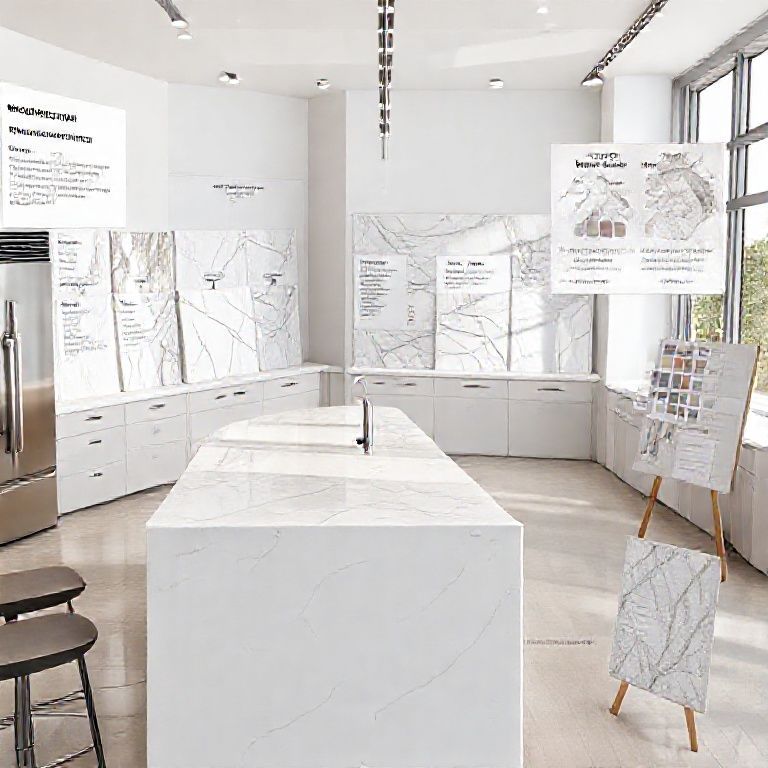
In the realm of interior design, the choice of floor tiling materials holds a pivotal role. Floor tiles are not merely a functional element but a statement of style, elegance, and sophistication. Whether you’re renovating an old space or creating a brand-new design, the selection of the right floor tiling material can transform the entire ambiance of the room.

Traditional Choices: Timeless Classics
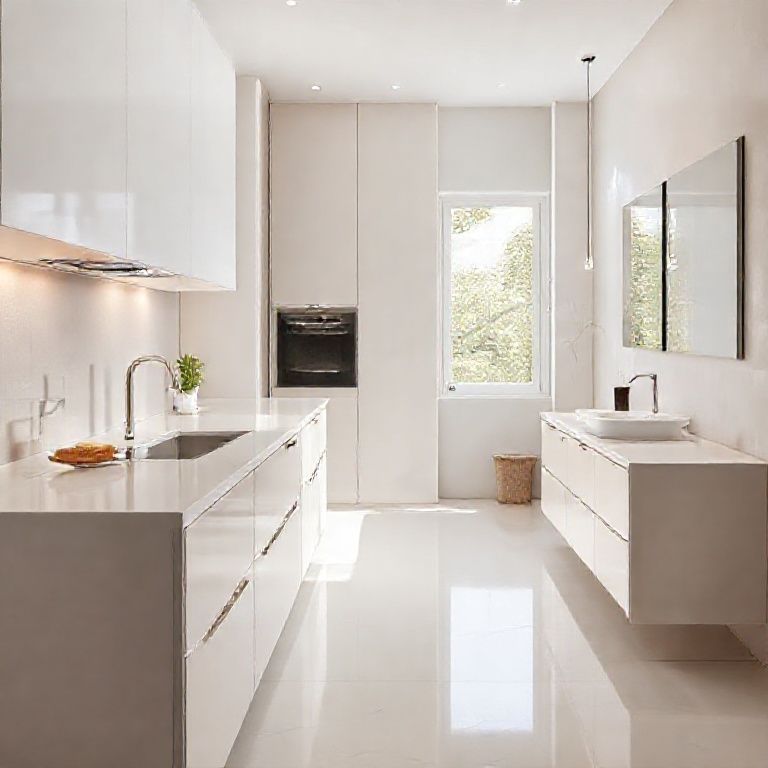
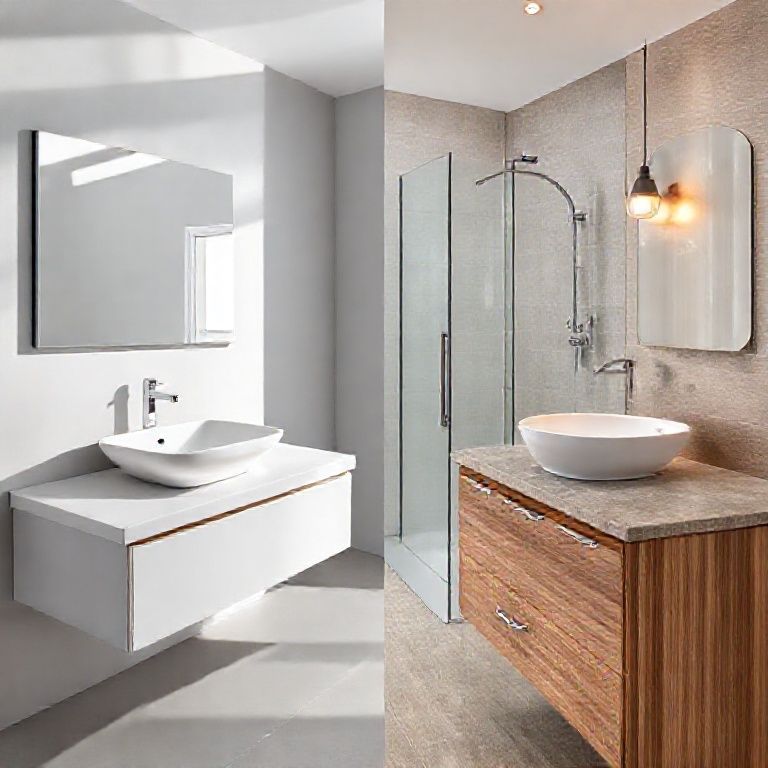
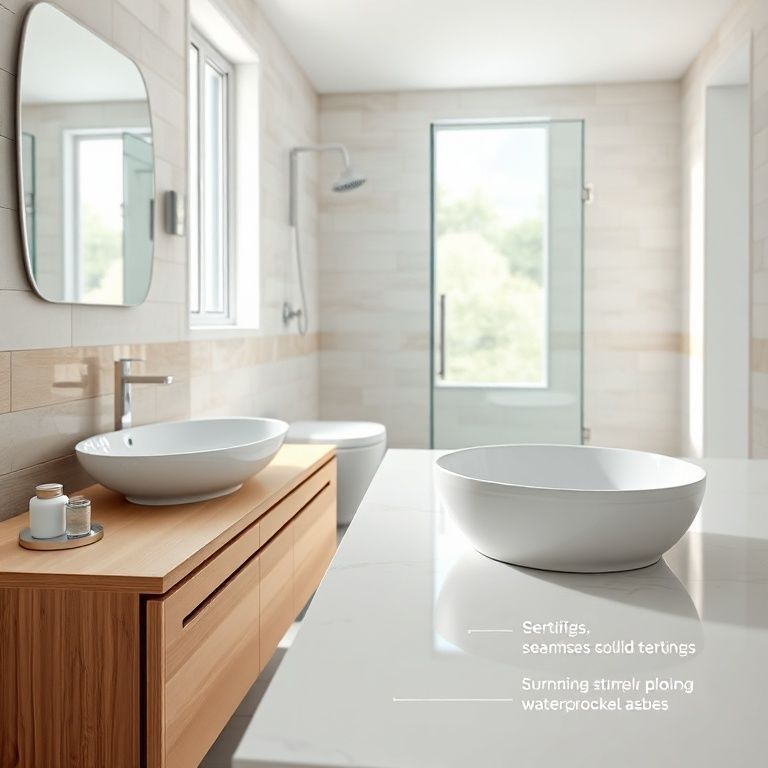
When it comes to traditional floor tiling materials, ceramic tiles remain a beloved choice. These tiles are renowned for their durability, ease of maintenance, and the wide range of styles and colors available. Ceramic tiles can mimic various materials such as stone, wood, and metal, offering versatility in design. They are perfect for kitchens, bathrooms, and even some living spaces. The high water resistance of ceramic tiles makes them ideal for high-moisture areas, ensuring longevity and ease of cleaning.
Another classic choice is porcelain tiles. Similar to ceramic tiles but denser and more durable, porcelain tiles are excellent for high-traffic areas. They are virtually indestructible, resistant to stains, and can be used in both interior and exterior spaces. Porcelain tiles are often preferred in commercial settings like restaurants, hotels, and offices due to their resilience and modern aesthetic.
Natural Materials: The Allure of Authenticity
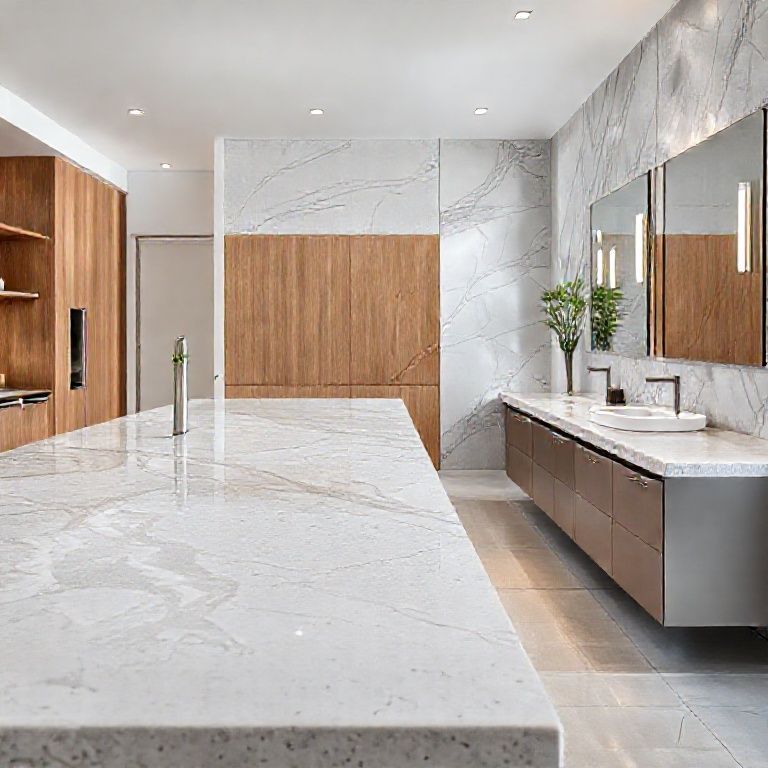
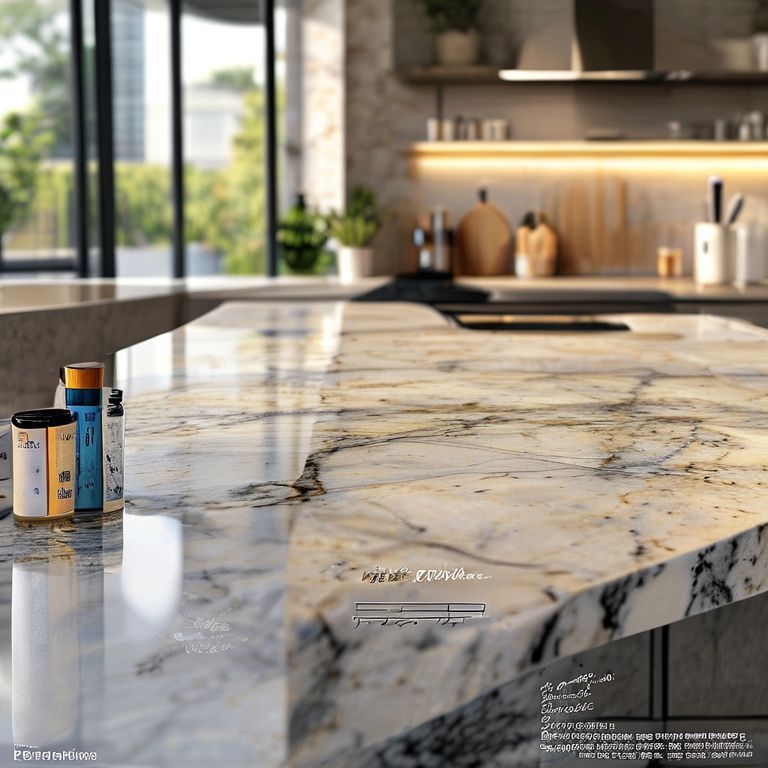
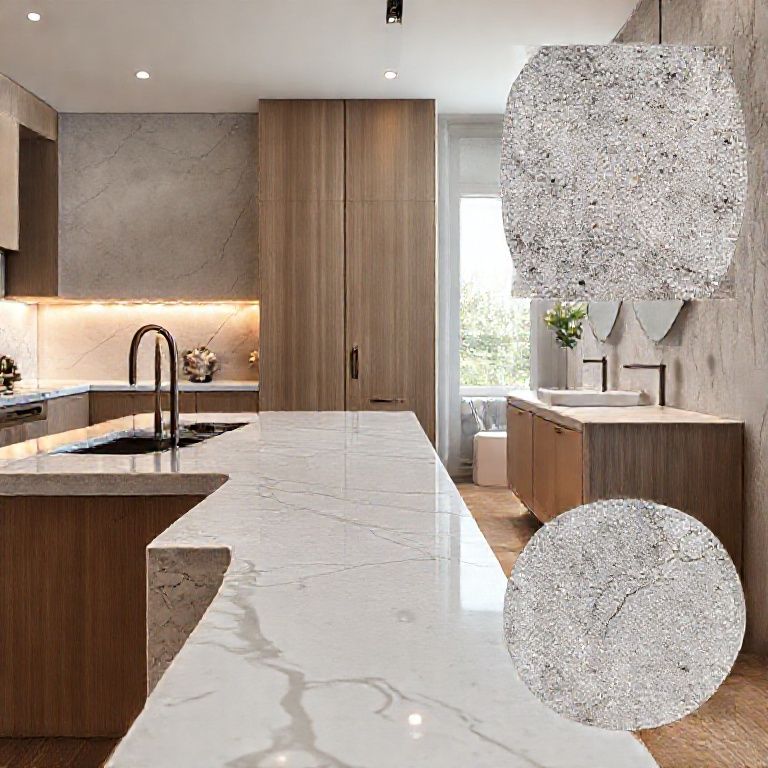
For those who appreciate the beauty of natural materials, natural stone tiles are an absolute treasure. Made from materials such as marble, granite, and slate, these tiles offer an unparalleled sense of luxury and authenticity. Each piece is unique, showcasing the natural veining and texture of the stone, making every installation one-of-a-kind. Natural stone tiles are perfect for high-end residential spaces, creating a timeless and elegant look. However, they require careful maintenance and sealing to protect against stains and scratches.
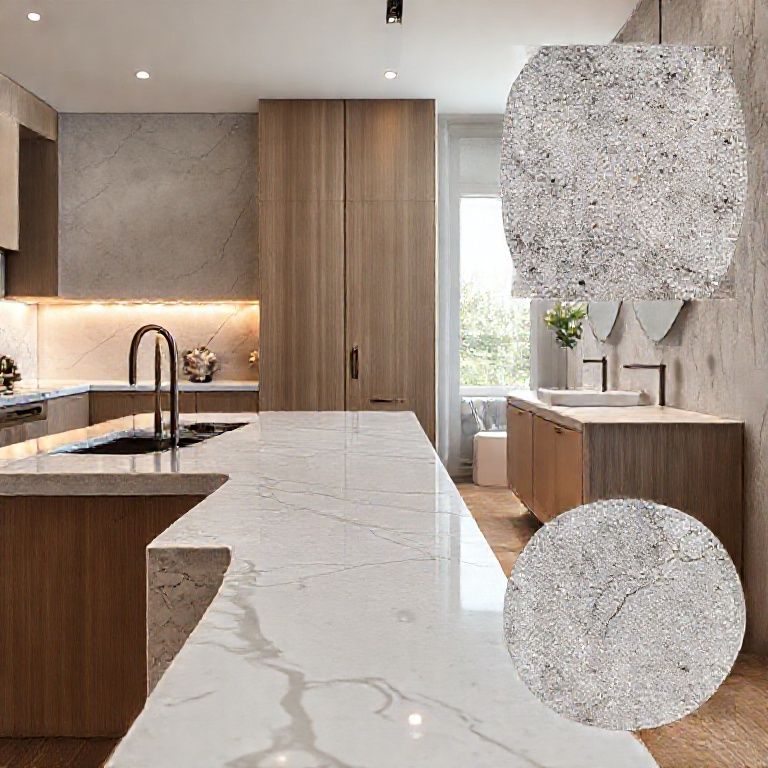
Wood tiles, though less common, provide a warm and inviting alternative to traditional stone and ceramic options. Crafted from high-quality wood, these tiles bring the charm of nature indoors. They are perfect for living rooms, hallways, and even some commercial spaces. Wood tiles offer a variety of finishes, from natural wood tones to rich, dark hues, allowing for versatile design possibilities. Despite their beauty, wood tiles require regular maintenance to prevent moisture damage and fading.
Innovative Materials: The Future of Flooring
The world of flooring is continually evolving, and innovative materials are paving the way for new possibilities. One such material is porcelain stoneware. Combining the durability of porcelain with the texture of stone, porcelain stoneware tiles are perfect for both residential and commercial projects. They offer a wide range of colors and finishes, making them incredibly versatile. Moreover, they are highly resistant to scratches, stains, and water, ensuring a long-lasting and low-maintenance option.
Another groundbreaking material is vinyl flooring. Though often mistaken for wood, vinyl tiles offer a durable, waterproof, and easy-to-clean surface. Available in various textures and colors, vinyl flooring mimics the look of natural materials while providing the benefits of low maintenance. It’s an excellent choice for areas where water resistance is crucial, such as kitchens and bathrooms.
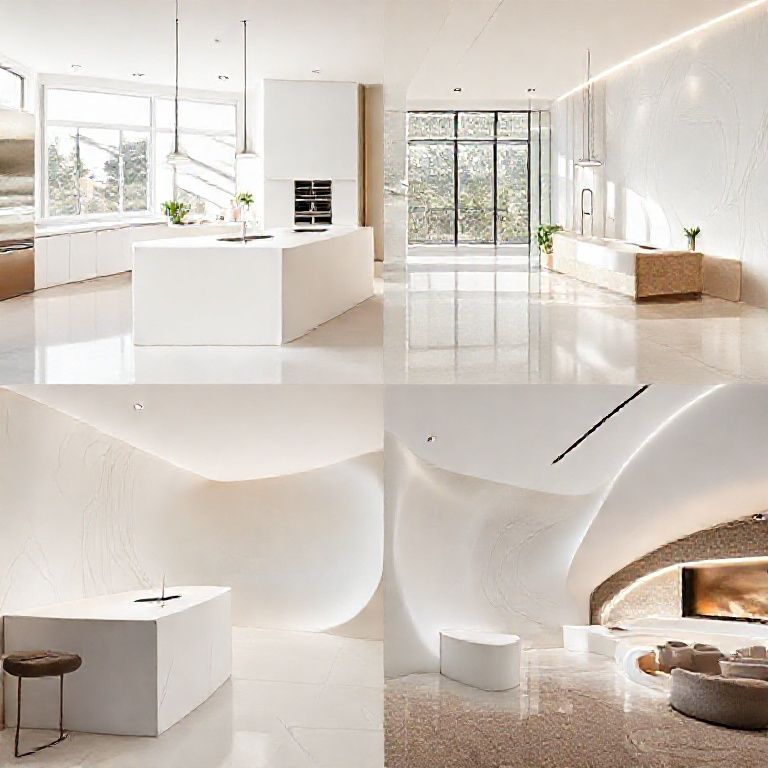
Sustainable Solutions: Eco-Friendly Flooring Options
In today’s environmentally conscious world, sustainable flooring options are gaining popularity. Bamboo tiles, made from fast-growing bamboo, offer a sustainable and stylish alternative to traditional materials. Bamboo tiles are lightweight, durable, and eco-friendly, making them an ideal choice for eco-conscious homeowners. They provide a natural, organic look that complements modern and rustic designs alike. Additionally, bamboo is a renewable resource, reducing the environmental impact of flooring installations.
Cork tiles, another eco-friendly option, are made from the bark of cork oak trees. These tiles are lightweight, flexible, and naturally insulating, making them perfect for residential spaces. Cork tiles are easy to install, durable, and hypoallergenic. They offer a warm, earthy aesthetic that adds comfort and style to any room. Their sustainable nature and low environmental footprint make them an excellent choice for those looking to minimize their ecological impact.
Design Versatility: Customizing Your Space
One of the most significant advantages of floor tiling materials is their versatility in design. Tiles can be used in various formats, from large, bold statements to intricate mosaic patterns. The size, shape, and arrangement of tiles can be customized to fit the unique dimensions and aesthetic preferences of any space. Whether you prefer a cohesive, seamless look or a dynamic, patterned design, there is a floor tiling material to match your vision.
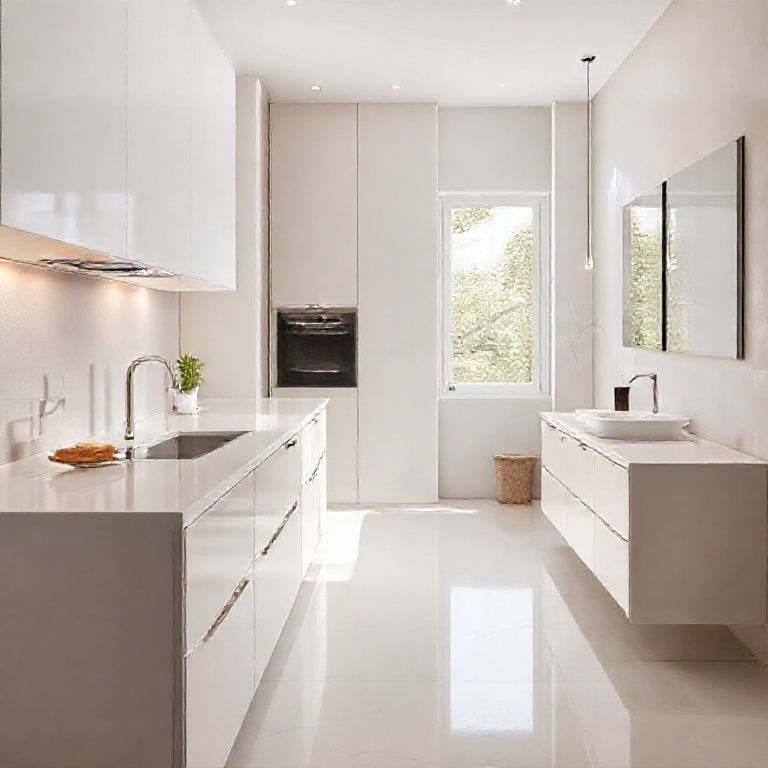
For instance, herringbone patterns are a popular choice for adding visual interest and texture to a space. These patterns create a dynamic, engaging look that can elevate the overall design of a room. Similarly, diagonal or asymmetrical layouts can add a modern, artistic touch to traditional spaces. Tiles can also be used to create focal points, such as accent walls or geometric designs, adding a striking element to any room.
Installation and Maintenance: Ensuring Longevity and Beauty
Choosing the right floor tiling material is just the first step; proper installation and maintenance are crucial to ensure the longevity and beauty of your flooring. Each type of tile has specific installation requirements, and it’s essential to follow the manufacturer’s guidelines to achieve the best results. For instance, natural stone tiles require careful cutting and grouting to maintain their integrity and appearance.
Maintenance practices also vary depending on the type of tile. Ceramic and porcelain tiles are relatively low-maintenance, requiring regular cleaning with mild detergents and occasional sealing to prevent staining. Natural stone tiles need regular sealing to protect against water damage and stains. Innovative materials like porcelain stoneware and vinyl flooring require minimal maintenance, often just a simple wipe-down with a damp cloth.
In conclusion, the world of floor tiling materials is vast and diverse, offering a myriad of options to suit every aesthetic, functional, and sustainability need. From timeless classics to cutting-edge innovations, there is a floor tile to match your vision and enhance your space. Whether you’re drawn to the elegance of natural stone, the versatility of ceramic, or the eco-friendly appeal of bamboo and cork, the right floor tiling material can transform your home or business into a work of art.
As we continue our journey through the captivating world of floor tiling materials, it’s essential to explore advanced materials, unique design trends, and expert tips to help you make an informed choice for your flooring needs.
Advanced Materials: Pushing the Boundaries
In recent years, advancements in materials science have led to the development of cutting-edge flooring options that combine durability, aesthetics, and functionality. One such material is quartz flooring. Made from a blend of natural quartz and resin, quartz tiles are highly durable, scratch-resistant, and offer a wide range of colors and textures. They are perfect for high-traffic areas and provide a luxurious, stone-like appearance without the maintenance issues of natural stone.
Another innovative material is terrazzo. This timeless flooring option is made from marble chips or other materials embedded in a cement base, creating a unique, textured surface. Terrazzo tiles offer a sophisticated, industrial look that can add a touch of elegance to any space. While terrazzo requires careful maintenance, it can be polished to restore its beauty over time.
Unique Design Trends: Elevating Your Space
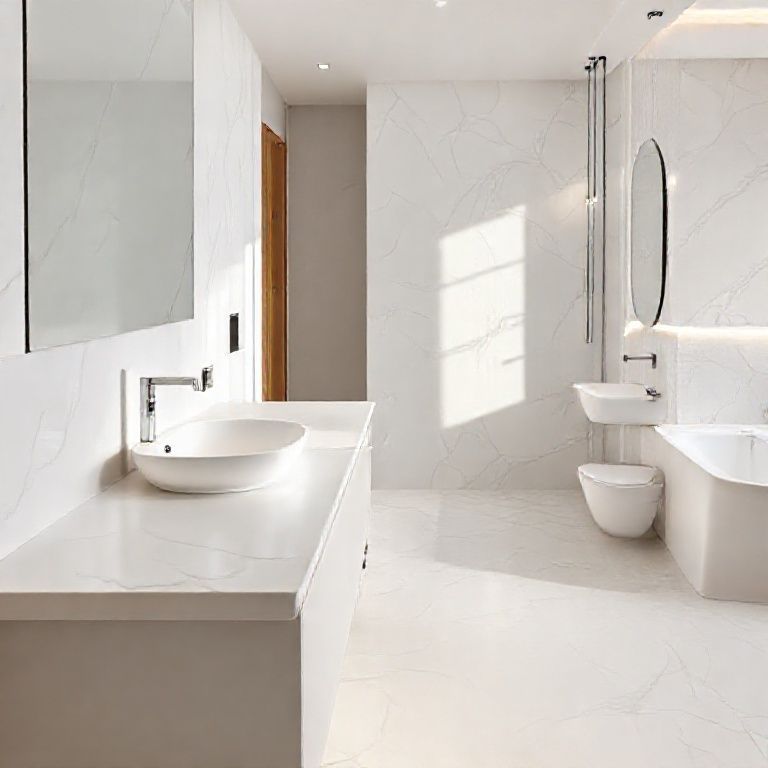
Design trends in flooring continue to evolve, with unique and creative options becoming increasingly popular. One trend is the use of oversized tiles to create a bold, statement look. Large tiles can add a sense of grandeur and scale to a room, making it appear more spacious and elegant. Whether used in a kitchen, bathroom, or living area, oversized tiles can create a focal point that enhances the overall design.
Another trend is the incorporation of geometric patterns and shapes. From intricate mosaic designs to modern, abstract patterns, geometric tiles can add visual interest and complexity to a space. These tiles often feature bold colors and contrasting textures, providing a dynamic and contemporary aesthetic. They are perfect for adding a touch of modernity to traditional spaces or creating a unique, artistic statement.
Expert Tips: Selecting the Perfect Floor Tiles
Choosing the right floor tiling material involves careful consideration of several factors, including functionality, durability, aesthetics, and maintenance. Here are some expert tips to help you make an informed decision:
Assess Your Space: Consider the size, layout, and purpose of the area where you plan to install the tiles. High-traffic areas require more durable materials, while low-traffic spaces can benefit from more decorative options.
Evaluate Maintenance Requirements: Different materials have varying maintenance needs. Choose tiles that align with your willingness to maintain them1. Understand Your Needs: Before selecting any floor tiling material, it’s essential to understand the specific requirements of the area where the tiles will be installed. For instance, if it’s a kitchen, you’ll need tiles that are highly resistant to water and stains. For a living room, aesthetics and comfort are more crucial.
Durability vs. Aesthetics: While durability is essential for high-traffic areas, aesthetics can be the deciding factor for spaces like bedrooms or bathrooms. Balance these factors based on the specific needs of the area.
Budget Considerations: Different materials come with different price tags. Set a budget and explore options within that range. While premium materials like marble or terrazzo offer long-term benefits, they come at a higher upfront cost. Consider the long-term savings and maintenance when budgeting.
Installation Requirements: Some materials require professional installation to achieve the best results. For instance, natural stone tiles often need special cutting and sealing techniques. Ensure that you can either install the tiles yourself or hire professionals if necessary.
Environmental Impact: With growing awareness about sustainability, consider the environmental impact of the materials you choose. Opt for eco-friendly options like bamboo or cork that are renewable and have a lower carbon footprint.
Color and Texture: The color and texture of tiles play a significant role in the overall design of a space. Lighter colors can make a room appear larger, while darker shades add depth and richness. Textured tiles can add a tactile element to a design.
Future Proofing: Consider the future needs of the space. If you’re planning to renovate or change the layout of a room, choose materials that can easily adapt to new designs.
Advanced Materials: Detailed Exploration
Quartz Flooring: As mentioned, quartz flooring is a blend of natural quartz and resin, offering unparalleled durability and scratch resistance. It’s suitable for high-traffic areas and available in a variety of colors and textures. The resin binding ensures that the tiles maintain their appearance over time, requiring minimal maintenance.
Terrazzo: This material, made from marble chips or other materials embedded in a cement base, offers a unique, textured surface. While terrazzo requires regular maintenance to prevent staining, it can be polished to restore its beauty. Terrazzo tiles are perfect for adding a sophisticated, industrial look to a space.
Vinyl Flooring: Vinyl tiles offer a durable, waterproof, and easy-to-clean surface, mimicking the look of natural materials. They are ideal for areas where water resistance is crucial, such as kitchens and bathrooms. Vinyl flooring is available in various textures and colors, providing versatile design options.
Unique Design Trends: Implementation
Oversized Tiles: To create a statement look, consider using oversized tiles in your design. These tiles can add a sense of grandeur and scale to a room, making it appear more spacious and elegant. They are perfect for creating focal points in kitchens, bathrooms, or living areas.
Geometric Patterns: Incorporate geometric patterns and shapes to add visual interest and complexity to a space. These tiles often feature bold colors and contrasting textures, providing a dynamic and contemporary aesthetic. They are ideal for adding a touch of modernity to traditional spaces or creating a unique, artistic statement.
Conclusion:
Choosing the perfect floor tiling material involves a careful balance of durability, aesthetics, functionality, and budget. By understanding your specific needs and exploring the latest materials and design trends, you can create a flooring solution that not only enhances the beauty of your space but also ensures long-term satisfaction and low maintenance. Whether you opt for timeless classics, innovative materials, or unique design trends, the right choice will elevate the overall design and functionality of your home or business.