Part 1
The Fascinating Journey of Artificial Stone Creation: Unveiling the Secrets Behind Its Production
Introduction
The modern world is adorned with an array of stunning materials that have revolutionized the way we design and build our spaces. Among these remarkable materials, artificial stone stands out for its beauty, durability, and versatility. This captivating material, often referred to as cultured stone, has become a favorite in both residential and commercial settings due to its aesthetic appeal and practical advantages. But how is this remarkable material created? In this first part of our exploration, we will delve into the fundamental processes and innovative techniques involved in the production of artificial stone.

The Raw Ingredients: A Blend of Nature and Science
Artificial stone, also known as cultured stone, is primarily composed of natural materials. The base ingredient is usually marble dust, which provides the material with its characteristic beauty and texture. This marble dust is mixed with a polymer resin, which acts as a binding agent, holding the stone together and giving it its unique strength and durability. The formulation may also include a variety of pigments to achieve the desired color and pattern.
The choice of raw materials is crucial. Marble dust is meticulously sourced from high-quality marble quarries, ensuring that each batch of artificial stone maintains a consistent and luxurious appearance. The polymer resin, typically made from polyurethane or acrylic, is selected for its ability to create a seamless bond with the marble dust while also enhancing the material’s resistance to scratches, stains, and moisture.
The Birth of Cultured Stone: The Curing Process
Once the raw materials are combined, the next step is the curing process, which is where the magic happens. The mixture is poured into a mold, which is designed to replicate the desired shape and form of the final product. This mold is typically made from stainless steel, as it provides a smooth and precise surface that enhances the material’s finish.
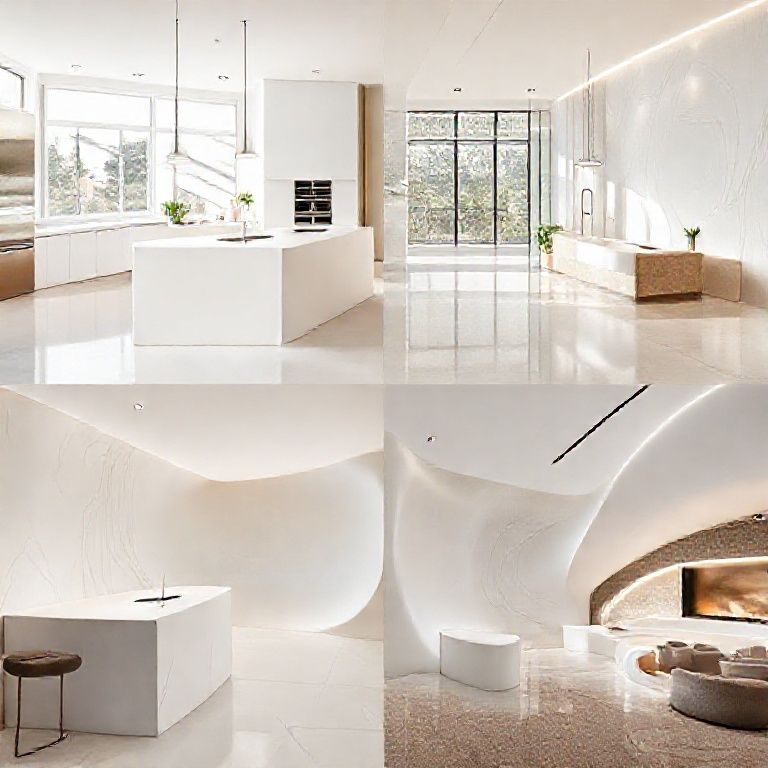
The mold is then placed in a curing chamber, where it is exposed to controlled heat and pressure. This process is critical as it allows the polymer resin to fully bond with the marble dust, creating a solid and cohesive structure. The curing chamber maintains a precise temperature and pressure, ensuring that the material hardens uniformly and achieves its optimal strength.
During the curing process, the material undergoes a transformation. The marble dust, which initially appears as a fine powder, begins to solidify into a single, unified piece. This transformation is akin to the formation of natural stone but occurs in a fraction of the time. The result is a luxurious, monolithic slab of artificial stone that can be cut, shaped, and installed with ease.
Crafting Perfection: Cutting and Finishing
After curing, the artificial stone slabs are carefully cut to size using specialized machinery. The cutting process requires precision to ensure that each piece meets the exact dimensions required for installation. Diamond-tipped saws and water jets are commonly used to achieve clean and accurate cuts, minimizing waste and ensuring a professional finish.
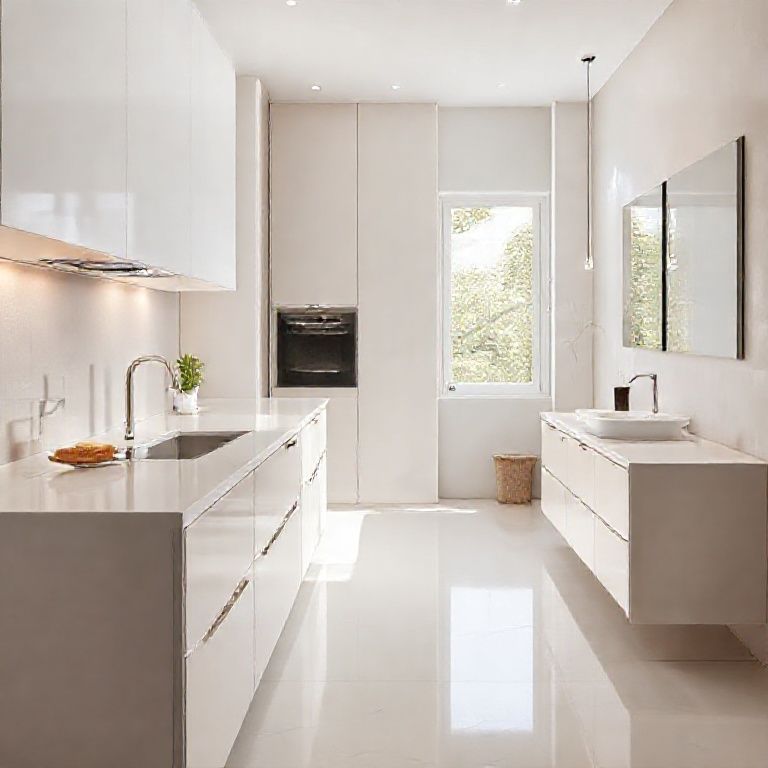
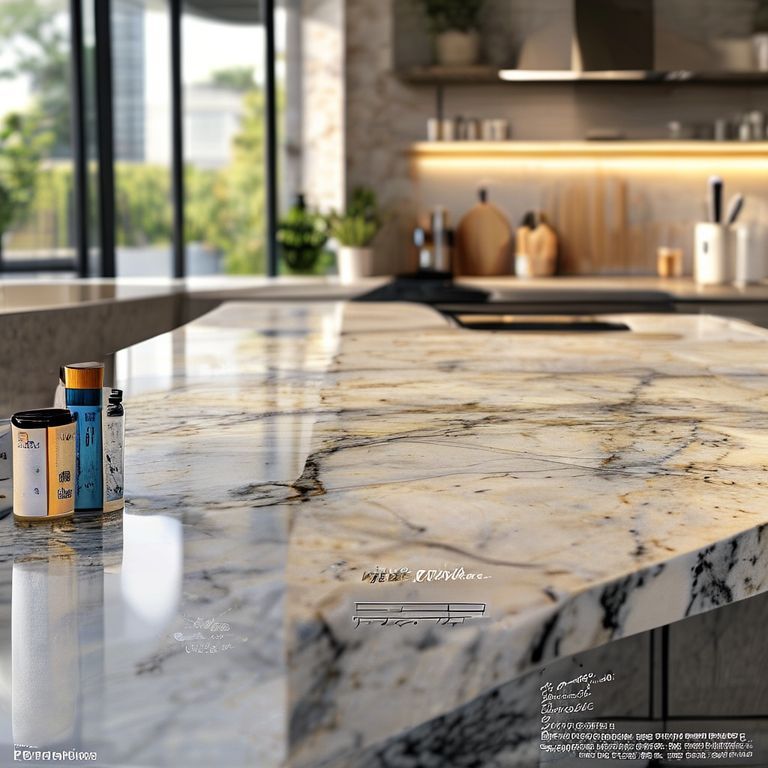
Once the slabs are cut, they undergo a finishing process to enhance their appearance and prepare them for installation. This may include grinding, polishing, and edge finishing to achieve a smooth, polished surface. The finishing process can also involve adding specific textures or patterns to mimic the look of natural stone, such as marble, granite, or quartz.
The finishing techniques used in the production of artificial stone are continually evolving, thanks to advancements in technology. Modern methods allow for the creation of intricate patterns and designs that closely resemble the beauty of natural stone, making it difficult to distinguish between the two at first glance.
The Versatility of Artificial Stone
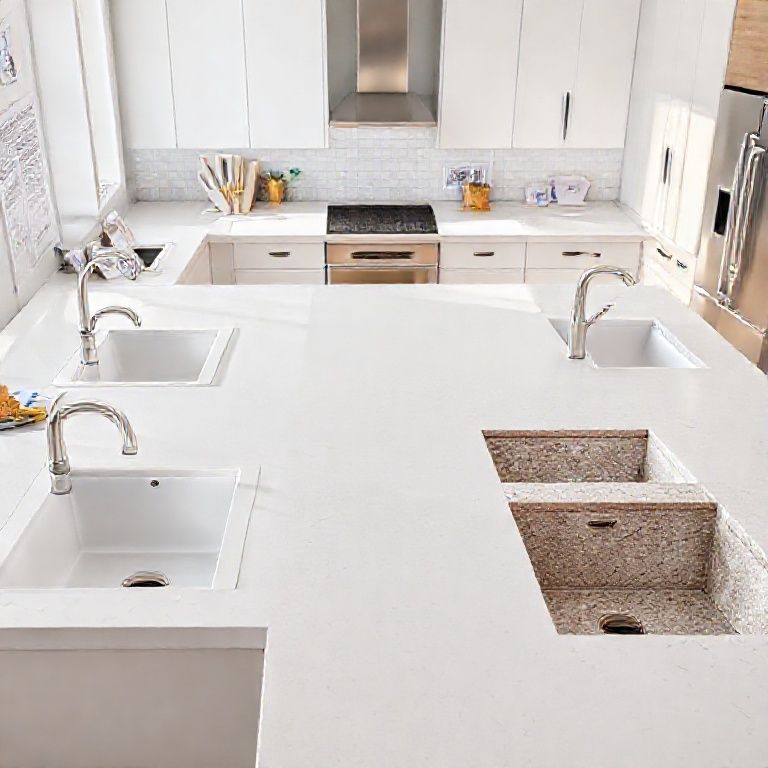
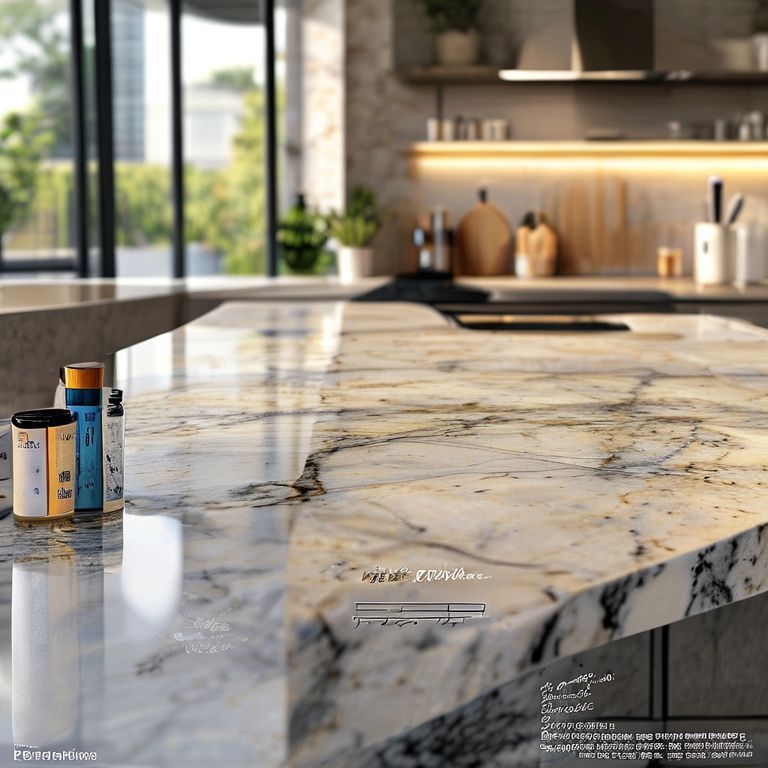
One of the most remarkable aspects of artificial stone is its versatility. It can be used in a wide range of applications, from countertops and sinks to tabletops, fountains, and even outdoor sculptures. Its durability and resistance to scratches, stains, and moisture make it an ideal choice for both residential and commercial settings.
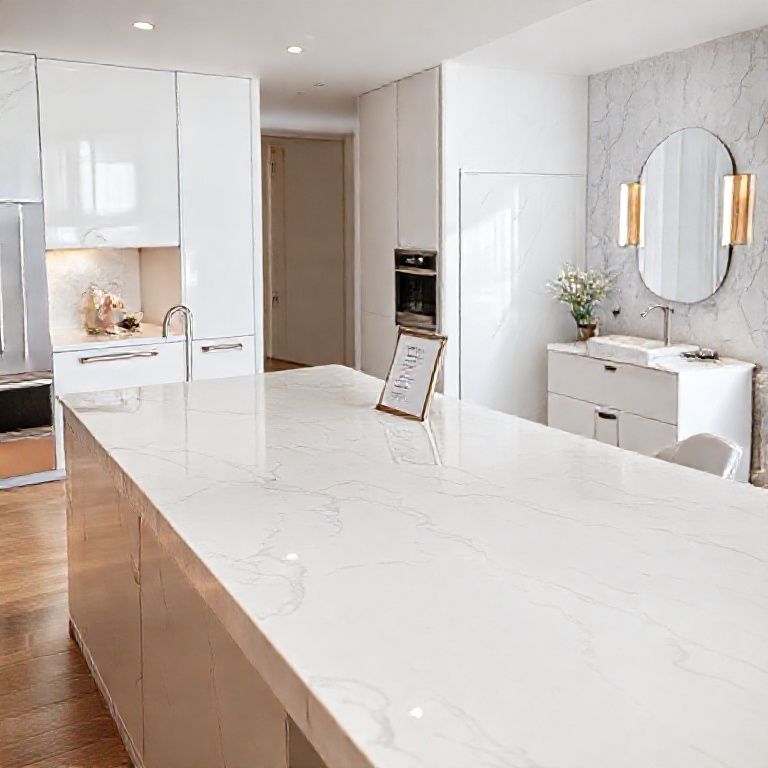
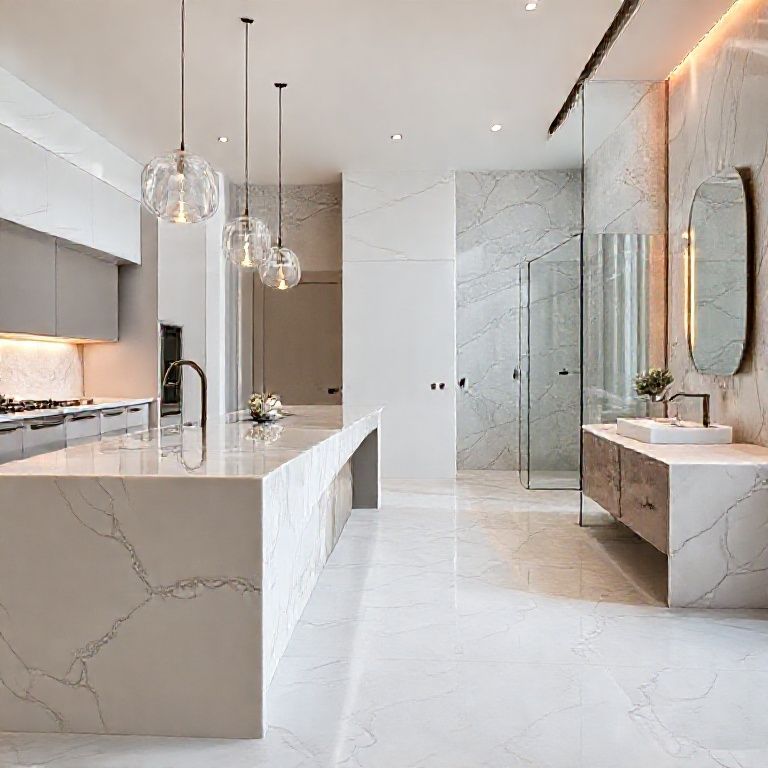
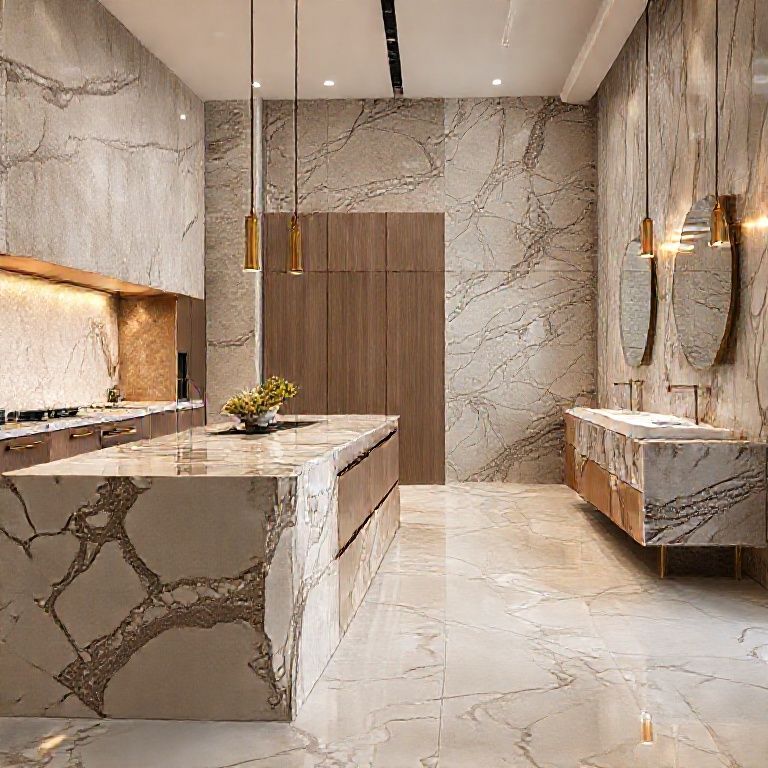
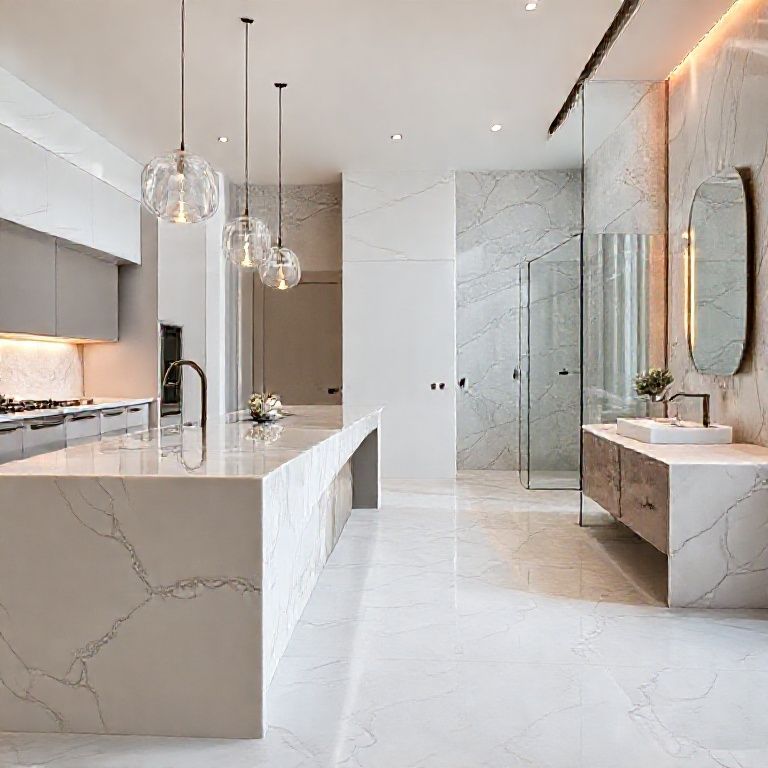
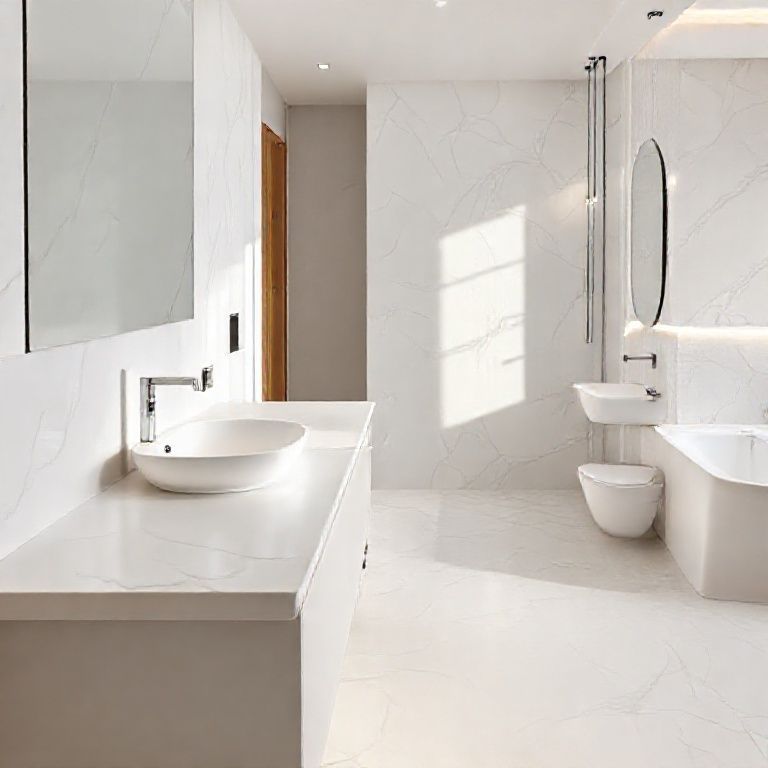
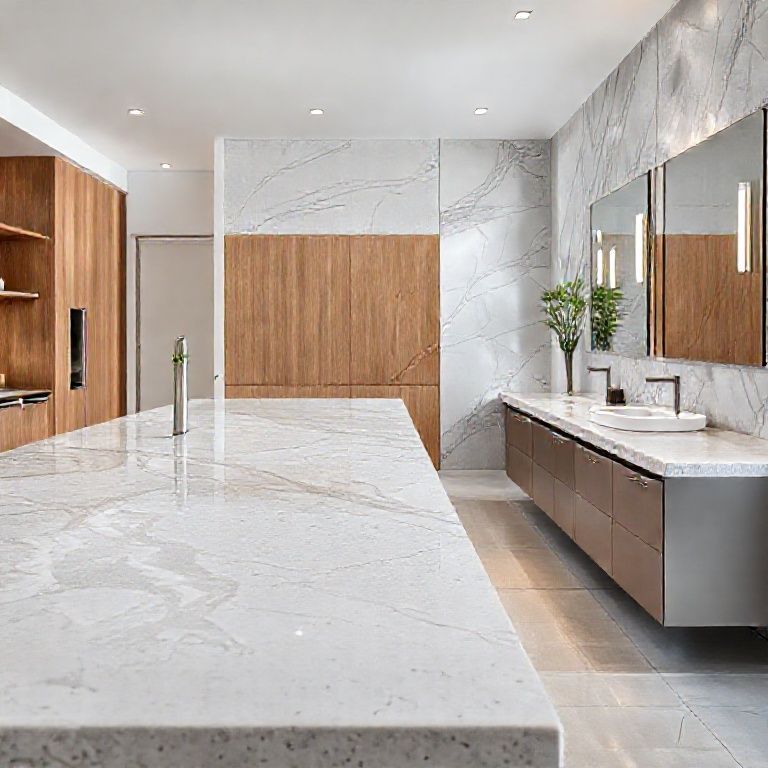
In the world of interior design, artificial stone has become a preferred material for creating stunning countertops that combine elegance with functionality. Its ability to mimic the appearance of popular natural stones, such as marble and granite, allows designers to offer their clients a luxurious aesthetic without the high cost and maintenance requirements of natural stone.
Conclusion
The production of artificial stone is a fascinating blend of science, technology, and artistry. From the careful selection of raw materials to the precise curing process and meticulous finishing techniques, each step in the journey of creating cultured stone is designed to produce a high-quality, durable, and beautiful material. As we explore further in the next part of this series, we will delve deeper into the specific innovations and techniques that continue to push the boundaries of artificial stone manufacturing, ensuring that this remarkable material continues to evolve and inspire.
Part 2
The Fascinating Journey of Artificial Stone Creation: Unveiling the Secrets Behind Its Production
Introduction
In the previous part of our exploration, we uncovered the fundamental processes and innovative techniques involved in the production of artificial stone. We learned about the raw materials, the curing process, and the meticulous finishing techniques that transform a simple mixture into a luxurious, durable material. Now, we will delve deeper into the specific innovations and advancements that continue to push the boundaries of artificial stone manufacturing, ensuring that this remarkable material continues to evolve and inspire.
Advancements in Polymer Technology
One of the key areas of innovation in artificial stone production is polymer technology. The development of new and advanced polymer resins has significantly enhanced the strength, durability, and aesthetic qualities of artificial stone. These new materials offer superior bonding properties, allowing the marble dust to create a more cohesive and solid structure. Additionally, advancements in polymer technology have led to the creation of resins that provide enhanced resistance to scratches, stains, and moisture, making artificial stone an even more practical choice for a wide range of applications.
Research and development in polymer technology continue to focus on creating resins that offer even greater flexibility and adaptability. This includes the ability to produce stones with different textures, colors, and patterns, catering to the diverse needs of designers and architects.
Innovative Molding Techniques
The molding process is another area where innovation has played a significant role in the production of artificial stone. Traditional molds made from stainless steel have been the industry standard, but new materials and techniques are being explored to further improve the quality and efficiency of the molding process.
One such innovation is the use of 3D printing technology to create molds. This allows for the production of highly complex and customized molds that can replicate intricate designs with precision. 3D printing technology also offers the flexibility to create molds with varying thicknesses and shapes, which can be tailored to specific projects and requirements.
Another innovative technique is the use of vacuum forming, which involves the application of vacuum pressure to a heated resin mixture placed in a mold. This method allows for the production of thinner and more detailed stone slabs, offering new possibilities in design and installation.
Cutting-Edge Finishing Techniques
The finishing process is where the artistry of artificial stone production truly shines. Traditional methods such as grinding and polishing have been refined to achieve even smoother and more polished surfaces. However, new finishing techniques are continually being developed to offer even greater precision and variety in the final appearance of the stone.
Laser finishing is one such technique that has gained popularity in recent years. Lasers can be used to etch intricate patterns and designs onto the surface of artificial stone, creating stunning visual effects that mimic the beauty of natural stone. This method allows for the creation of unique and customized designs that can be tailored to specific projects.
Another innovative finishing technique is the use of nano-coatings. These ultra-thin layers of protective material can be applied to the surface of artificial stone to enhance its resistance to scratches, stains, and moisture. Nano-coatings offer a high-gloss finish and can be customized to provide specific properties, such as water repellency or antimicrobial properties.
Sustainable Practices in Production
As the demand for artificial stone continues to grow, so does the importance of sustainable practices in its production. Manufacturers are increasingly adopting environmentally friendly methods to minimize waste and reduce their carbon footprint.
One such practice is the recycling of marble dust and polymer resin. By recycling these materials, manufacturers can reduce the amount of raw materials needed and minimize waste. This not only helps to conserve natural resources but also reduces the environmental impact of the production process.
Another sustainable practice is the use of energy-efficient equipment and processes. Modern manufacturing facilities are incorporating energy-saving technologies to reduce their overall energy consumption. This includes the use of LED lighting, energy-efficient heating and cooling systems, and advanced machinery that operates with minimal energy waste.
The Future of Artificial Stone
The future of artificial stone looks promising, with ongoing research and development focused on pushing the boundaries of what this versatile material can achieve. Innovations in polymer technology, molding techniques, and finishing processes are continually emerging, offering new possibilities for design and functionality.
One area of future exploration is the integration of smart technologies into artificial stone. This could include the development of stones that can change color or texture based on environmental conditions or user input. Such innovations could open up new avenues for interactive and dynamic installations, transforming the way we interact with and experience artificial stone.
Conclusion
The production of artificial stone is一直以来,人工大理石的创新与进步不断推动着其在建筑和装饰行业的应用前景。随着技术的发展,人工大理石不仅在美观和耐用性上有了长足的进步,同时也在环保和可持续发展方面做出了积极探索。
在这部分内容中,我们将进一步探讨人工大理石的未来发展趋势和创新技术。
智能化与智能材料
随着物联网(IoT)和智能技术的普及,人工大理石也正在朝着智能化方向发展。未来的人工大理石可能会包含一些智能元件,使其具备更多的功能,例如可以根据环境温度和湿度变化自动调节颜色和光泽。这种智能材料不仅可以提升建筑的舒适度,还能在节能和环境保护方面发挥更大作用。
高强度和轻质化
未来的人工大理石研发将更多地关注材料的强度和轻质化。通过优化混合物成分和制造工艺,可以制造出更加高强度且质量更轻的人工大理石。这样的材料不仅在建筑结构中具有更大的应用价值,还能在节能和运输成本方面带来显著的效益。
环保和可再生材料
环保和可持续发展是当前全球共识。在人工大理石的制造过程中,如何减少环境污染和资源消耗是一个重要的研究方向。未来,可能会有更多使用可再生材料和绿色工艺的人工大理石产品问世。例如,利用回收的塑料、玻璃等材料来制造新型人工大理石,不仅减少了资源浪费,还能降低生产过程中的碳排放。
个性化定制
随着消费者对个性化和定制化需求的增加,未来的人工大理石市场将更多地迎合这一趋势。通过先进的3D打印技术和定制化生产工艺,可以为客户提供更加个性化的设计和定制服务。这不仅满足了高端市场对独特性和个性化的需求,还能在细节和设计上提供更大的灵活性。
人工大理石的美观性和灵活性使其成为艺术创作的理想材料。未来,人工大理石在艺术创作和文化表现中的应用将更加广泛。艺术家和设计师们可以利用人工大理石的多样性,创作出更加独特和富有表现力的艺术作品,并将其应用于建筑装饰、雕塑、家具等多个领域。
结论
人工大理石的未来充满了无限的可能性。从智能化、高强度、环保到个性化和艺术创新,各个方面的技术进步都为其带来了更多的发展机遇。随着科技的不断进步和市场需求的变化,人工大理石必将在建筑和装饰领域继续发挥其重要的作用,为我们的生活带来更多的美好与便捷。
这就是人工大理石制作过程的详细探讨和未来发展的展望,希望这些信息能够对你有所帮助。如果你有更多关于人工大理石的问题或其他方面的探讨,欢迎随时提问。