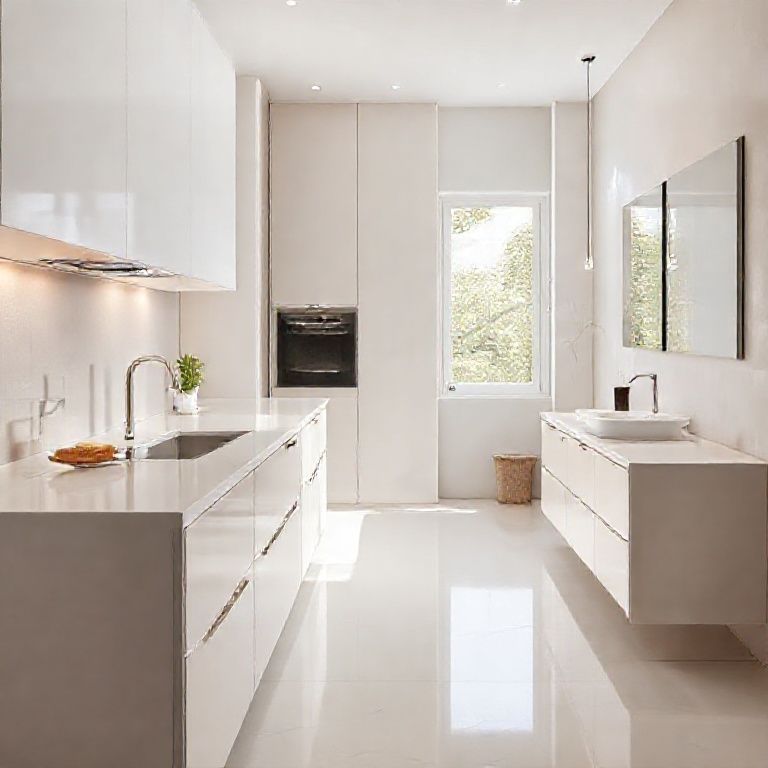
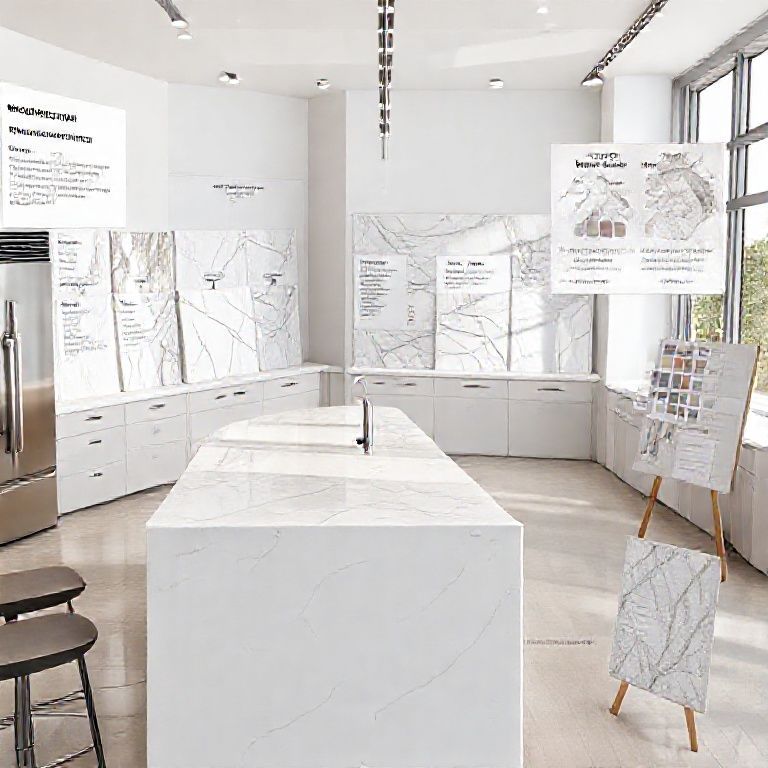
Revolutionizing Flooring with Advanced Materials
In the ever-evolving world of interior design and home renovation, the quest for flooring that combines aesthetic appeal, durability, and sustainability is more critical than ever. Traditional tile flooring, while timeless, often comes with a set of limitations that modern homeowners and designers are eager to overcome. Enter a new generation of flooring materials that promise to redefine what’s possible in the realm of flooring. Let’s explore these revolutionary alternatives to traditional tile flooring.

1. Cork Flooring: Nature’s Sustainable Choice
Cork flooring has emerged as a frontrunner in the sustainable flooring category. Derived from the bark of the cork oak tree, this material is not only renewable but also incredibly durable. Cork’s natural elasticity allows it to withstand heavy foot traffic without cracking, making it an excellent choice for both residential and commercial spaces.
Benefits of Cork Flooring:
Eco-friendly: Cork is harvested without harming the tree, making it a sustainable material. It’s also biodegradable, reducing the environmental impact. Comfort: Cork provides a warm and cushioned feel underfoot, making it a perfect option for colder climates. Low maintenance: Cork flooring is easy to clean and maintain, requiring only regular sweeping and occasional mopping. Allergy-friendly: It’s hypoallergenic and free from volatile organic compounds (VOCs), making it a healthier choice for indoor environments.
2. Bamboo Flooring: The Eco-Friendly Alternative
Bamboo flooring is another sustainable option that has been gaining traction in recent years. Bamboo grows rapidly and can be harvested without the need for replanting, making it a highly sustainable resource. Unlike traditional hardwood, bamboo is a renewable resource that can be harvested every three to five years.
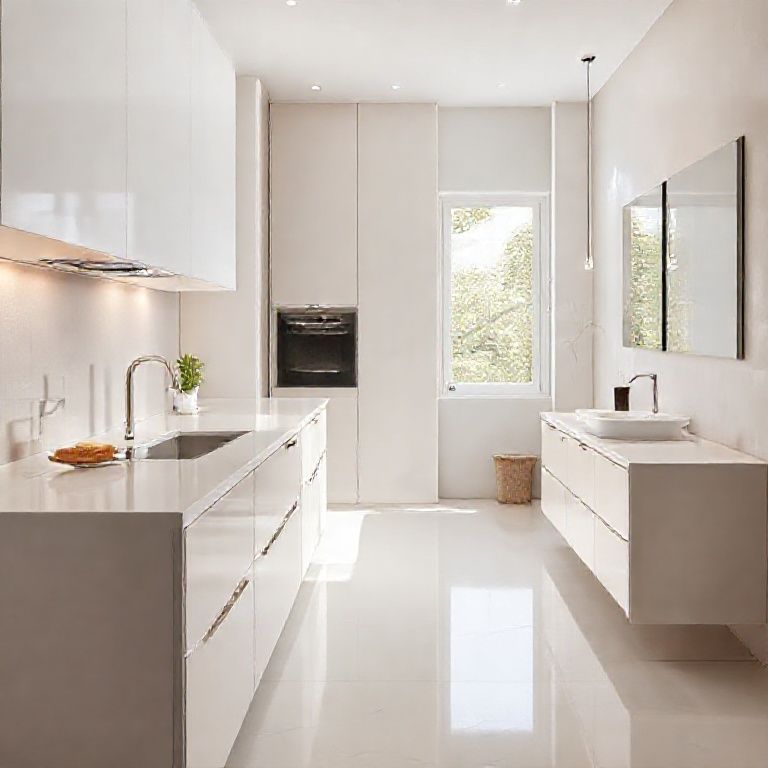
Benefits of Bamboo Flooring:
Sustainability: Bamboo is one of the fastest-growing plants on Earth, making it a highly renewable resource. It requires less water and no pesticides compared to traditional timber. Durability: Bamboo flooring is highly durable and resistant to scratches, dents, and moisture, making it suitable for high-traffic areas. Low maintenance: Bamboo floors are easy to clean and maintain, requiring only periodic sweeping and occasional mopping. Aesthetic appeal: Bamboo flooring comes in various textures and finishes, offering a natural beauty that enhances any interior design.
3. Vinyl Flooring: The Versatile Option
Vinyl flooring has long been a popular choice for its versatility and affordability. Modern advancements have led to the creation of high-quality vinyl options that offer the durability and aesthetic appeal of natural materials without the drawbacks.
Benefits of Vinyl Flooring:
Durability: Vinyl is highly resistant to moisture, stains, and scratches, making it an excellent choice for kitchens, bathrooms, and high-traffic areas. Design versatility: Vinyl flooring comes in an array of colors, patterns, and styles, allowing for creative design possibilities. Low maintenance: Vinyl is easy to clean and maintain, requiring only regular sweeping and occasional mopping. Affordability: Vinyl flooring is often more affordable than natural flooring options, making it accessible to a wider range of homeowners.
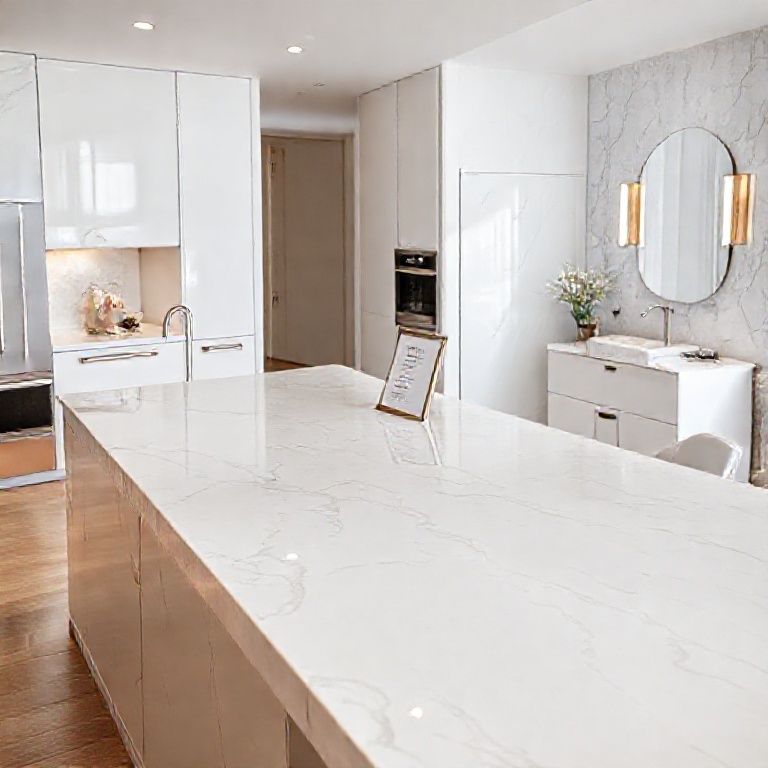
4. Linoleum: The Classic Modernized
Linoleum, made from natural materials like flaxseed, pine resin, and wood flour, is another sustainable option that has been around for over a century. Modern advancements have enhanced its durability and aesthetic appeal.
Benefits of Linoleum:
Eco-friendly: Linoleum is made from natural, renewable resources and is biodegradable. Durability: It is highly resistant to stains, scratches, and moisture, making it suitable for both residential and commercial use. Low maintenance: Linoleum is easy to clean and maintain, requiring only regular sweeping and occasional mopping. Aesthetic versatility: It comes in a variety of colors and patterns, offering endless design possibilities.
5. Recycled Rubber Flooring: The Eco-Conscious Choice
Recycled rubber flooring is an innovative material made from ground-up rubber tires. This flooring option is both eco-friendly and highly durable.
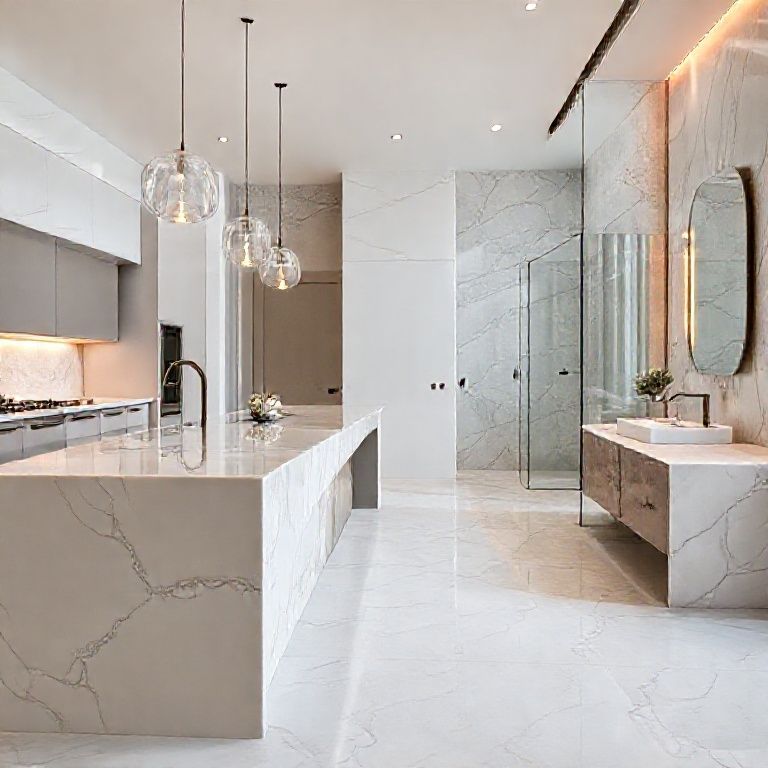
Benefits of Recycled Rubber Flooring:
Sustainability: It provides a sustainable alternative to traditional flooring materials, giving new life to discarded rubber tires. Durability: Recycled rubber flooring is highly durable and resistant to impact, making it ideal for high-traffic areas. Safety: It provides excellent shock absorption, reducing the risk of injury in areas with children and pets. Low maintenance: Recycled rubber flooring is easy to clean and maintain, requiring only regular sweeping and occasional mopping.
Conclusion
The future of flooring is bright and full of promise as we continue to explore innovative materials that offer durability, style, and sustainability. From the natural beauty of cork and bamboo to the versatility of vinyl and the eco-conscious choice of recycled rubber, there are numerous alternatives to traditional tile flooring that cater to modern needs. As we move forward, it’s exciting to see how these materials will shape the future of interior design and home renovation.
Advanced Technologies and Unique Materials Redefining Modern Flooring
As we continue our exploration into the future of flooring, it’s clear that innovation and sustainability are at the forefront of this exciting industry. In this second part, we’ll delve deeper into the advanced technologies and unique materials that are revolutionizing modern flooring. These advancements promise to offer unparalleled durability, comfort, and environmental responsibility.
1. Smart Flooring: Technology Meets Comfort
Smart flooring represents the cutting edge of innovation in the flooring industry. These floors are equipped with embedded technology that allows for a variety of interactive functionalities. From temperature regulation to built-in soundproofing, smart flooring is redefining the way we think about home environments.
Benefits of Smart Flooring:
Temperature regulation: Embedded sensors can monitor and adjust the temperature of the floor, maintaining a comfortable environment without the need for additional heating or cooling systems. Soundproofing: Advanced materials and technologies can significantly reduce noise transmission, providing a quieter living space. Interactivity: Smart flooring can be integrated with smart home systems, allowing for remote control and customization of various functions.
2. Self-Healing Flooring: The Future of Durability
Self-healing flooring represents a significant breakthrough in durability and longevity. These materials are designed to repair themselves when damaged, extending the lifespan of the flooring and reducing the need for frequent repairs.
Benefits of Self-Healing Flooring:
Durability: Self-healing materials can repair scratches, dents, and other minor damages, maintaining the flooring’s appearance and integrity. Low maintenance: The ability to self-repair reduces the need for frequent maintenance and repairs, saving time and money. Sustainability: By extending the life of the flooring, self-healing materials contribute to environmental sustainability by reducing waste.
3. High-Performance Composites: Combining Strength and Style
High-performance composites are a class of advanced materials that combine the best properties of various materials to create flooring solutions that offer exceptional strength, durability, and aesthetic appeal.
Benefits of High-Performance Composites:
Strength: These composites are designed to withstand heavy foot traffic and high wear, making them ideal for commercial and high-traffic areas. Durability: They offer superior resistance to scratches, dents, and moisture, ensuring long-lasting performance. Aesthetic versatility: High-performance composites can be engineered to mimic the look of natural materials like wood, stone, and tile, offering endless design possibilities.
4. Nano-Enhanced Materials: The Next Level of Protection
Nano-enhanced materials are incorporating nanotechnology to provide advanced protection and functionality. These materials use nanoscale particles to enhance properties like stain resistance, antimicrobial activity, and durability.
Benefits of Nano-Enhanced Materials:
Stain resistance: Nano-coatings can make the flooring highly resistant to stains, spills, and discoloration, maintaining its appearance over time. Antimicrobial properties: Nanoparticles can inhibit the growth of bacteria, mold, and other pathogens, creating a healthier indoor environment. Durability: The nanoscale particles enhance the overall strength and durability of the material, making it more resistant to wear and tear.
5. Recycled Content: Sustainable Innovation
Recycling and reusing materials is at the heart of sustainable innovation in flooring. Many new materials are being developed from recycled content, reducing the environmental impact and promoting a circular economy.
Benefits of Recycled Content:
当然,我们可以继续探讨更多关于创新地板材料和先进技术的信息。这些新材料和技术不仅为建筑和室内设计带来了更多可能性,还为环境保护和可持续发展做出了贡献。
6. 高级纳米涂层:卓越的防污性能
高级纳米涂层技术利用纳米颗粒来增强地板的防污性能。这些涂层能够形成一层超抛水的保护膜,使污渍和液体更容易被擦拭干净,从而减少了清洁的频率和维护成本。
优点:
防污性能:纳米涂层可以显著减少污渍的粘附,使清洁变得更加简单。 耐用性:这种涂层通常具有较高的耐磨损性,延长了地板的使用寿命。 低维护:减少了清洁和维护的频率,节省了时间和成本。
7. 智能光热控制地板:舒适与能效的结合
智能光热控制地板结合了光热转换技术,可以在吸收太阳光的将其转化为热能。这种地板不仅能够帮助调节室内温度,还能为建筑节能提供支持。
优点:
节能环保:通过利用自然光,减少了对人工采暖系统的依赖,降低了能源消耗。 舒适性:在阳光充足的日子里,地板能够提供温暖的舒适感。 多功能性:智能光热控制地板还可以配合智能家居系统,实现定制化的温度控制。
8. 自清洁地板:环保与便利的结合
自清洁地板采用了特殊的材料和表面处理,使其表面具有自清洁的功能。当有污渍滴在地板上时,它们会被表面的微小结构所包围,并被定期的地板护理产品所清除。
优点:
低维护:自清洁地板减少了日常清洁的需求,降低了维护成本。 环保:减少了清洁剂的使用,对环境更友好。 耐用性:这种地板通常具有较高的耐磨损性,延长了使用寿命。
9. 声学隔音地板:营造安静舒适的空间
声学隔音地板采用了特殊的材料和结构,能够有效地吸收和阻挡噪音。这种地板不仅美观,还能提升空间的舒适度,使其成为办公室、家庭和公共场所的理想选择。
优点:
隔音效果:有效减少噪音传播,提高空间的舒适度。 多功能性:兼具美观和实用性,适用于各种环境。 耐用性:这种地板通常具有较高的耐磨损性,长久使用也不会失去隔音效果。
结论
创新的地板材料和先进的技术正在重新定义我们对地板的传统认知。这些新材料不仅提供了卓越的性能和美观,还注重环境保护和可持续发展。无论是住宅、商业建筑还是公共场所,这些创新的地板解决方案都为我们提供了更多选择和可能性。未来,随着技术的进一步发展,我们可以期待看到更多更加环保、智能和高效的地板材料应用于各个领域。