
Sure, I can help you with that! Here’s a soft article about quartz countertops, focusing on the cost aspect, written in English.

The heart of any home often beats strongest in the kitchen. It’s where culinary creations come to life, where family gathers, and where memories are forged over steaming mugs and shared meals. When it comes to envisioning your dream kitchen, the countertops play a starring role, dictating not just the aesthetic but also the functionality and longevity of this vital space. Among the myriad of choices available, quartz countertops have carved out a significant niche, celebrated for their stunning appearance, remarkable durability, and relatively low maintenance. But as with any significant home improvement project, the question inevitably arises: “How much does a quartz kitchen countertop cost per meter?” This is a query that sparks much deliberation, as the price tag is influenced by a fascinating interplay of material quality, design complexity, installation intricacies, and the ever-present ebb and flow of the market.
To truly understand the investment involved, it’s beneficial to break down the cost into its constituent parts. At its core, the price of quartz is dictated by its composition. True quartz countertops, often referred to as engineered stone, are not mined directly from the earth in slab form. Instead, they are a triumph of modern manufacturing, typically comprising around 90-95% ground natural quartz crystals, bound together with polymers and resins. This unique blend is what imbues quartz with its signature strength and non-porous nature. The higher the percentage of natural quartz content, generally, the higher the quality and, consequently, the price. This is because high-quality quartz crystals are the primary driver of the material’s inherent beauty and resilience.
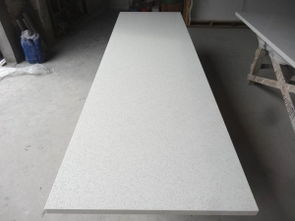
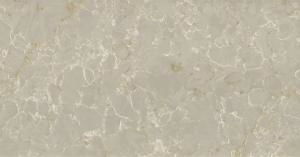
Beyond the raw material, the aesthetic appeal of quartz countertops is a significant cost factor. Quartz is renowned for its versatility in design. It can mimic the intricate veining of natural marble, the earthy tones of granite, or boast a solid, uniform color for a sleek, contemporary look. The complexity and rarity of a particular pattern or color significantly impact its price. For instance, a solid white or black quartz might be more readily available and therefore less expensive than a design that replicates the nuanced beauty of Calacatta marble with its delicate grey veining and subtle gold undertones. Designs that involve intricate veining, random patterns, or multiple colors often require more sophisticated manufacturing processes, leading to a higher cost per meter. Think of it like choosing a print for fabric – a simple stripe will be less costly than a complex landscape.
The thickness of the quartz slab is another crucial determinant of cost. Standard countertop thickness usually ranges from 2cm (¾ inch) to 3cm (1 ¼ inch). Thicker slabs, like the 3cm option, offer a more substantial and luxurious feel, and naturally, they require more material, translating to a higher price per meter. While 2cm is perfectly functional and durable for most applications, some homeowners opt for the enhanced visual depth and perceived robustness of 3cm. It’s a decision that balances budget with a desire for a premium finish.
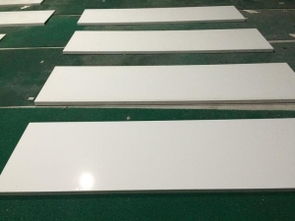
Furthermore, the edge profile you choose for your countertop can add to the overall cost. Simple, straightforward edges like a eased or square edge are typically included in the base price. However, if you dream of a more elaborate edge, such as a bullnose, ogee, or waterfall edge (where the countertop material extends vertically down the side of the cabinet), these require additional fabrication time and expertise, and thus, come with an added charge. The more intricate the edge design, the more labor and precision are involved, directly influencing the final price.
The sheer scale of your kitchen also plays a pivotal role in the per-meter calculation. Naturally, a larger kitchen with more linear meters of countertop will incur a higher total cost, even if the price per meter remains the same. It’s also important to consider that some manufacturers might have minimum order quantities or surcharges for very small projects, though this is less common for standard kitchen renovations. When obtaining quotes, ensure you’re comparing prices based on the same linear meters and the same specifications to get an accurate understanding of the varying costs.

The origin and brand of the quartz can also influence the price. Well-established, reputable brands often command a premium due to their consistent quality, extensive warranties, and recognized aesthetic appeal. These brands have invested heavily in research, development, and marketing, and their pricing often reflects this. While generic or lesser-known brands might offer a more budget-friendly option, it’s always prudent to investigate their product quality, warranty terms, and customer reviews to ensure you’re not compromising on durability or appearance in the long run. The adage “you get what you pay for” often rings true in the world of high-quality building materials.
Finally, the installation process itself is a significant component of the overall cost. Quartz is a heavy material that requires specialized tools and expertise to cut, fabricate, and install correctly. Professional installation ensures that seams are virtually invisible, edges are precisely finished, and the countertops are securely fitted. While the temptation to DIY might arise for cost savings, the risk of errors leading to costly damage or an unprofessional finish is substantial. Professional fabricators and installers have the knowledge to handle the complexities of quartz, including precise measurements, mitering for sink cutouts, and ensuring a perfect fit against walls and appliances. Therefore, the quoted price per meter often includes a substantial portion allocated to skilled labor and the precision required for a flawless installation. Understanding these contributing factors provides a clearer picture of why quartz countertop prices can vary, setting the stage for a more informed decision-making process in your kitchen renovation journey.
Continuing our exploration into the cost of quartz kitchen countertops, we’ve established that the price per meter is a multifaceted figure, influenced by material quality, design, thickness, edge profiles, kitchen size, brand, and installation. Now, let’s delve deeper into practical considerations and how to navigate the pricing landscape to secure the best value for your dream kitchen. The figures we’ll discuss are general estimates and can fluctuate based on geographical location, supplier, and specific market conditions. However, understanding these ranges will empower you to have more productive conversations with fabricators and designers.
Generally speaking, the cost of quartz countertops in many Western markets can range from approximately $50 to $200 per square foot, which translates to roughly $540 to $2150 per linear meter, assuming a standard depth of 600mm (approximately 2 feet). This broad range highlights the impact of the factors we’ve already discussed. For a more budget-conscious choice, you might find solid, basic colors or simpler patterns from less established brands in the lower end of this spectrum. These options still offer the inherent benefits of quartz – durability, stain resistance, and a non-porous surface – but may lack the intricate visual appeal of premium designs.
Moving towards the mid-range, typically between $75 to $150 per square foot ($800 to $1600 per linear meter), you’ll find a wider array of popular colors and patterns. This is where you can often source quartz that mimics the look of natural stones like granite or marble without the associated maintenance challenges. Many well-regarded brands offer their most sought-after designs in this price bracket, providing a good balance between aesthetic sophistication and cost-effectiveness. If you’re looking for a classic Carrara marble look or a consistent, elegant grey, this is often the sweet spot.
The premium segment of the quartz market, ranging from $150 to $200+ per square foot ($1600 to $2150+ per linear meter), is where you’ll find the most exquisite and intricate designs. This includes quartz slabs that meticulously replicate high-end natural stones, boast unique veining patterns, or feature sophisticated color blends. Brands known for their cutting-edge technology and design innovation often fall into this category. If you have your heart set on a show-stopping centerpiece for your kitchen, perhaps a dramatic waterfall edge in a complex marble-look quartz, expect to be in this price tier.
It’s important to remember that these per-meter costs are usually for the material itself, including basic fabrication like cutting to size and simple edge treatments. The final installed price will almost always be higher. Installation costs are a significant addition, and they can vary based on the complexity of the job, the number of seams required, the need for specialized lifting equipment, and the installer’s labor rates. For a standard kitchen installation, you might expect to add anywhere from $30 to $70 per square foot ($320 to $750 per linear meter) for professional labor. This covers the skilled craftsmanship, precision cutting for sink and appliance cutouts, delivery, and the secure fitting of the countertops.
The total cost of your quartz countertops will, therefore, be the sum of the material cost per meter (or square foot) multiplied by the total linear meters (or square feet) needed, plus the cost of any premium edge profiles, plus the installation charges, and potentially any additional services like sink installation or template creation fees. For example, a kitchen requiring 5 linear meters of mid-range quartz at $1000 per linear meter, with a more elaborate edge profile costing an extra $200 per meter, and professional installation at $500 per meter, would result in a total cost of approximately ($1000 + $200 + $500) * 5 = $8500. This simplified calculation illustrates how the different elements contribute to the final figure.
When you approach fabricators for quotes, it’s crucial to be as specific as possible. Provide them with detailed measurements, your preferred color and pattern, desired edge profile, and any special requirements (like a double-thickness appearance or specific sink cutouts). Ask for a detailed breakdown of the quote, clearly itemizing the cost of the material, fabrication, and installation. This transparency will help you compare offers accurately and identify any hidden fees. Don’t hesitate to get quotes from multiple suppliers; prices can vary significantly between different stone yards and fabricators.
Consider the warranty offered by the manufacturer and installer. Most reputable quartz brands offer a limited lifetime warranty against manufacturing defects, which is a testament to their durability and quality. Understanding the terms of this warranty can provide peace of mind and add value to your investment. Furthermore, think about the long-term value proposition. While the upfront cost might seem substantial, the longevity, resilience, and low maintenance of quartz mean that you are investing in a surface that will likely last for decades without needing replacement or costly repairs. Its resistance to staining, etching, and scratching means less money spent on cleaning products and more time enjoying your kitchen.
In conclusion, the cost of quartz kitchen countertops per meter is not a fixed number but a dynamic reflection of quality, design, and professional execution. By understanding the individual components that contribute to the final price, being specific in your requests, and obtaining multiple quotes, you can confidently navigate the options and select a quartz countertop that not only fits your budget but also elevates your kitchen into a space of enduring beauty and functionality. The gleam of quartz is a long-term investment in the heart of your home, a decision that promises both aesthetic delight and practical satisfaction for years to come.









