
The hum of innovation in the world of interior design and architecture is often punctuated by the emergence of materials that promise not just aesthetics, but also durability, versatility, and a certain je ne sais quoi. Among these, artificial stone has carved out a significant niche, transforming kitchens, bathrooms, and commercial spaces with its seamless appeal and practical advantages. When the name “Koris” surfaces in these discussions, it brings with it a wave of intrigue, particularly the question that echoes through design studios and home renovation forums: “Is Koris artificial stone domestically produced?” This question, seemingly straightforward, opens a gateway to a deeper exploration of manufacturing origins, global supply chains, and the very essence of what makes a material desirable.

The term “artificial stone” itself is broad, encompassing a spectrum of manufactured materials designed to mimic the look and feel of natural stone, often with enhanced properties. This category includes solid surfaces, engineered quartz, and other composite materials. Koris, as a brand, is most frequently associated with solid surface materials – a non-porous, homogeneous blend of acrylic polymers and alumina trihydrate (ATH), derived from bauxite ore. This composition is what grants solid surfaces their signature characteristics: they can be thermoformed into curves, seams are virtually invisible when properly joined, and they are repairable, making them a favorite for designers and fabricators alike.
To address the core of the inquiry – “Is Koris artificial stone domestically produced?” – we must first understand what “domestic” implies in the context of a globalized manufacturing landscape. For many consumers and businesses, “domestic” refers to the country where the final product is purchased or where the company headquarters are located. However, the reality of modern manufacturing is rarely so simple. Raw materials are sourced from various regions, manufacturing processes might be distributed across different facilities, and branding often transcends geographical boundaries.
In the case of Koris, the narrative is indeed one of global reach and sophisticated manufacturing. While the brand may have originated or established a strong presence in a particular region, its production and distribution network often extend far beyond a single domestic border. This is not uncommon for high-quality building materials. Companies invest in state-of-the-art facilities, often strategically located to optimize production costs, access raw materials, and serve key markets efficiently. Therefore, a direct “yes” or “no” answer to whether Koris is exclusively domestically produced might be misleading. Instead, it’s more accurate to say that the production capabilities and the market presence of Koris often span across multiple regions, with a significant emphasis on advanced manufacturing techniques that can be found in leading industrial nations.
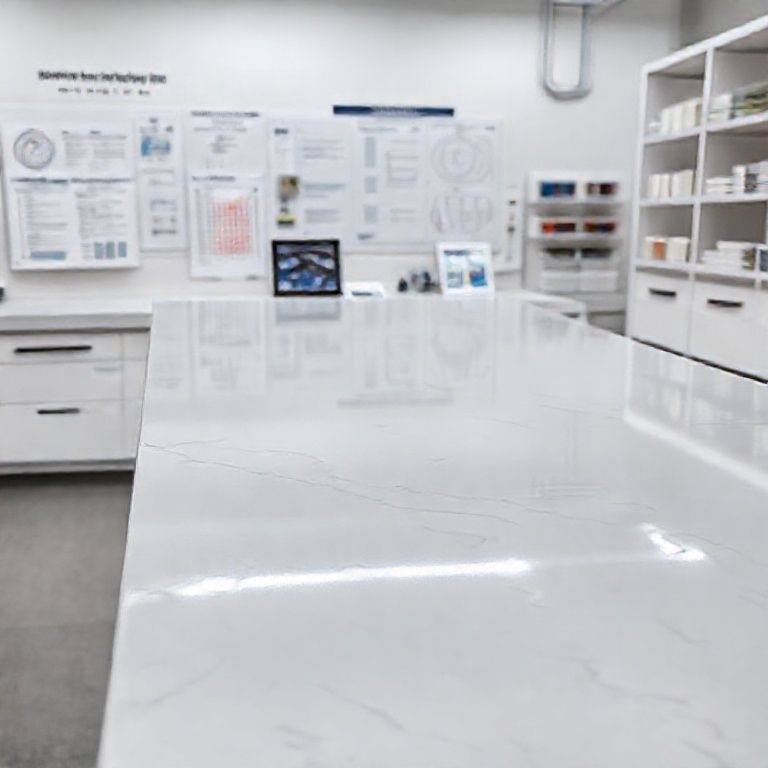
The allure of Koris artificial stone lies not just in its origin, but in its performance and aesthetic flexibility. The ability to achieve seamless integrations, whether it’s a countertop flowing into a backsplash or a shower wall with no visible grout lines, is a testament to the material’s advanced formulation and the skill of fabricators. This seamlessness contributes to a hygienic surface, as there are fewer places for bacteria to accumulate – a crucial consideration for kitchens and bathrooms. Furthermore, the inherent non-porosity means that spills and stains are less likely to penetrate the material, making it remarkably easy to clean and maintain.
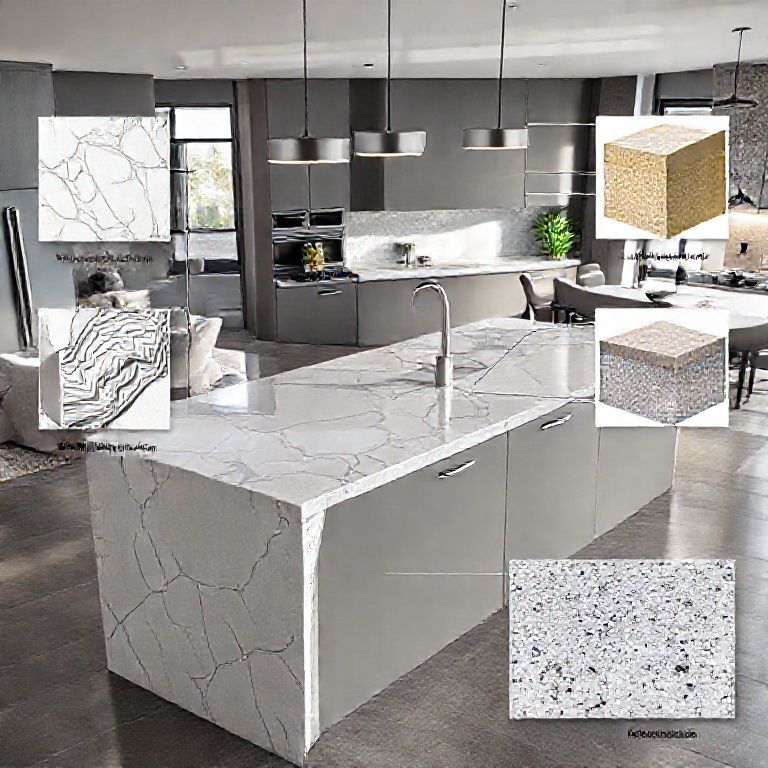
The design possibilities with Koris are virtually endless. Available in an extensive palette of colors, patterns, and textures, it can mimic the veining of marble, the speckled appearance of granite, or present entirely abstract and contemporary finishes. This adaptability allows designers to achieve a specific look and feel without the inherent limitations or maintenance concerns of natural stone. For instance, achieving a pure white, seamless countertop that is also stain-resistant is often more practical and cost-effective with a solid surface like Koris than with a natural marble.
The manufacturing process for high-quality solid surfaces like Koris is a complex dance of chemistry and engineering. It begins with the precise blending of acrylic resins and mineral fillers. These ingredients are mixed under controlled conditions to ensure homogeneity and consistency. The resulting slurry is then cast, often into large sheets, and cured. This curing process is critical for developing the material’s strength, durability, and thermal properties. Post-curing, the sheets are typically polished to achieve the desired finish, ranging from a matte to a high-gloss sheen. The quality control at each stage is paramount, ensuring that the final product meets stringent standards for color consistency, structural integrity, and surface finish.
The investment in advanced manufacturing technology is what allows brands like Koris to deliver a premium product. This includes sophisticated mixing equipment, precision casting lines, and automated polishing systems. The pursuit of excellence in these areas often leads companies to establish or partner with manufacturing facilities that possess cutting-edge capabilities, irrespective of their precise geographical location. This globalized approach to production allows for economies of scale and the adoption of best practices from around the world, ultimately benefiting the end consumer with a superior product.
So, when we return to the question of origin, it’s not about identifying a single birthplace, but appreciating the intricate web of expertise and technology that brings Koris artificial stone to life. It’s about recognizing that the “domestic” aspect might be tied more to the brand’s identity and market focus than to a single point of manufacture. The real story of Koris is in its journey from raw components to a finished material that empowers designers and homeowners to create beautiful, functional, and enduring spaces. It’s a story of material science, manufacturing excellence, and a commitment to delivering a product that stands the test of time and trends. The question of “domestically produced” serves as an entry point into understanding this broader narrative of global collaboration and specialized craftsmanship that defines the modern artificial stone industry.
Continuing our exploration into the origins and appeal of Koris artificial stone, the question “Is Koris artificial stone domestically produced?” leads us further down the rabbit hole of global manufacturing and brand positioning. While the initial response might touch upon the widespread nature of production and supply chains, a deeper dive reveals that the perception of domesticity can be as influential as the physical location of a factory. For many consumers, particularly in markets like China, the concept of “domestic” production is evolving. It often signifies products that are manufactured within the country, adhering to local standards, and perhaps benefiting from local innovation and economic development.
In the context of China, a global manufacturing powerhouse, the term “domestic production” for a material like Koris artificial stone can take on several meanings. It could refer to a brand that is headquartered in China and produces its solid surface materials within Chinese factories. It could also refer to international brands that have established significant manufacturing operations within China, leveraging the country’s advanced industrial infrastructure and skilled workforce. The key here is the capability and quality of the manufacturing process itself.
Koris, as a brand or a type of artificial stone, often signifies a commitment to quality that transcends simple geographical labels. If Koris is manufactured in China, it is likely being produced in facilities that adhere to stringent quality control measures, employing advanced technologies that are on par with international standards. The Chinese market for building materials is vast and highly competitive, demanding a high level of product performance and aesthetic appeal. Brands that succeed in this environment typically invest heavily in research and development, material science, and production efficiency.
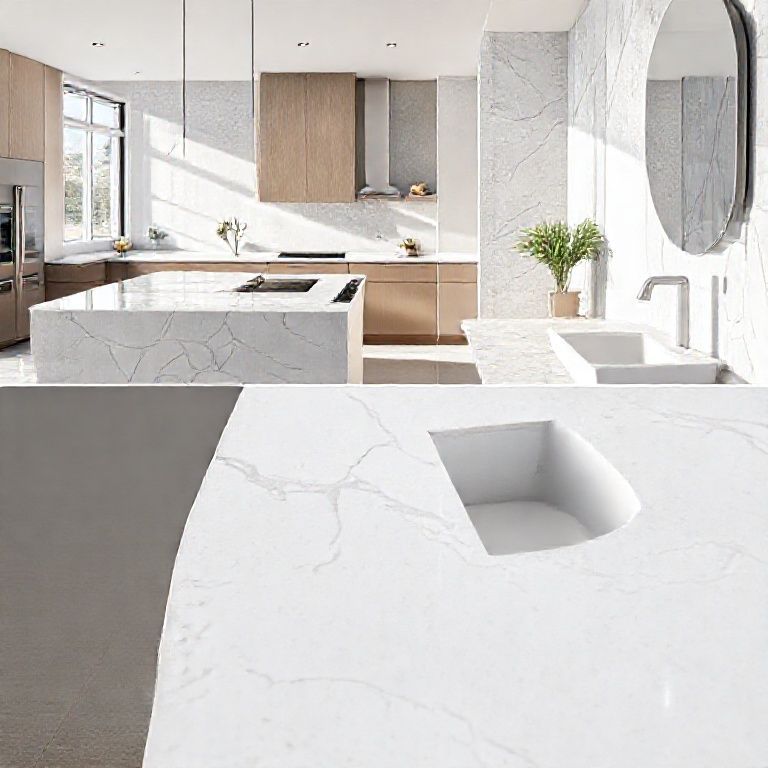
The term “solid surface” itself is a significant differentiator. Unlike some other forms of artificial stone that might be primarily resin-based or ceramic, solid surface, as exemplified by Koris, is known for its unique blend of acrylic polymer and mineral filler. This composition allows for a degree of workability and aesthetic freedom that is hard to match. The ability to achieve seamless joints is a hallmark of quality solid surface fabrication, and this is a process that requires both skilled labor and a material that is designed for such intricate work. When considering whether Koris is domestically produced, it’s important to assess if the “domestic” factories possess the specialized equipment and trained personnel to achieve these seamless integrations and intricate designs.
The narrative of domestic production for Koris in China is often interwoven with the country’s ascent as a global leader in manufacturing. For decades, China has been the “world’s factory,” producing a vast array of goods. In recent years, there has been a significant shift towards higher-value manufacturing, innovation, and quality control. Companies producing artificial stone, including those that might fall under the “Koris” umbrella or brands that adopt similar manufacturing processes, are increasingly investing in sophisticated technology and adhering to international certifications. This means that a product manufactured in China today can often meet, and sometimes exceed, the quality and performance standards of products made elsewhere.
The demand for Koris and similar artificial stones in the Chinese domestic market is driven by a growing middle class with rising aesthetic expectations and an increasing focus on durable, low-maintenance home environments. Furthermore, the commercial sector – hotels, restaurants, hospitals, and retail spaces – are major consumers of these materials due to their hygiene, durability, and design flexibility. If Koris is produced domestically in China, it signifies a maturation of the local industry, capable of meeting these sophisticated demands.
The “soft article” aspect of this discussion allows us to move beyond mere technicalities and explore the emotional and aspirational connection people have with their living and working spaces. The choice of materials, like countertops or wall claddings, is deeply personal and impacts the daily experience of a home or business. Koris, with its promise of seamless beauty and robust performance, taps into this desire for a refined and functional environment. Whether it’s domestically produced or not, its value proposition lies in its ability to deliver on these aspirations.
When discussing the “domestically produced” aspect, it’s also relevant to consider the economic implications. Supporting domestic manufacturing can foster local job creation, stimulate economic growth, and potentially reduce lead times and shipping costs for local consumers. For brands like Koris, having a strong domestic production base in a significant market like China can be a strategic advantage, allowing them to be more responsive to local trends and demands.
However, it’s also important to acknowledge that the global nature of the industry means that even domestically produced materials might rely on imported components or technologies. The supply chain for artificial stone is complex, involving everything from chemical suppliers to specialized machinery manufacturers. Therefore, a purely insular view of domestic production might not capture the full picture.
Ultimately, the question of whether Koris artificial stone is domestically produced is best answered by understanding the specific brand, its manufacturing partners, and the market it serves. If a particular Koris product is marketed as “Made in China,” it’s a testament to the country’s advanced manufacturing capabilities in this sector. It implies a product crafted with modern technology, stringent quality control, and designed to meet the demanding standards of both the local and international markets. The “Koris” name, in this sense, becomes synonymous with a certain standard of quality and aesthetic, regardless of where that specific sheet of solid surface was formed. The true value of Koris artificial stone lies in its inherent qualities: its seamless appearance, its hygienic properties, its repairability, and its endless design potential. The origin, whether perceived as domestic or global, is a layer that adds to its narrative, but the material’s performance and beauty are what truly define its lasting appeal. The evolution of manufacturing in China, particularly in specialized sectors like artificial stone, means that “domestic” can indeed represent a benchmark of quality and innovation.









