
The kitchen, often lauded as the heart of the home, is a space that thrives on both functionality and a welcoming ambiance. When embarking on a kitchen renovation or new build, the doorway is an often-overlooked element that holds immense potential to shape the entire feel and flow of the space. Today, we’re diving deep into the design possibilities of a rather generous proposition: a 1.2-meter (approximately 4 feet) wide kitchen door. This isn’t just a passage; it’s an opportunity for architectural statement, a canvas for creativity, and a crucial component in optimizing your kitchen’s performance. Forget the standard, unassuming portals; a 1.2-meter door opens up a world of design sophistication and practical advantages.
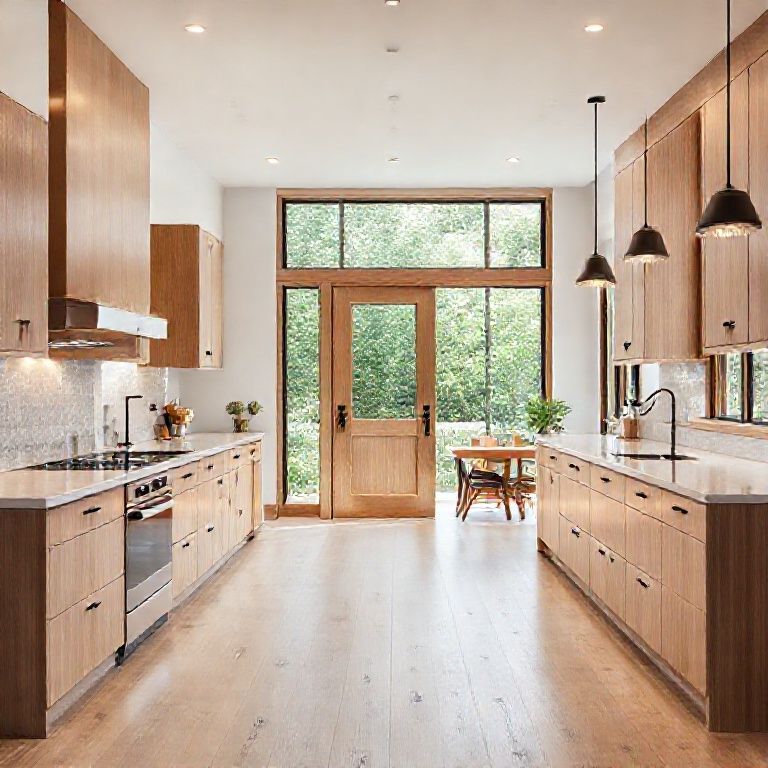
The beauty of a wider doorway lies in its inherent ability to promote a sense of spaciousness and seamless transition between areas. In a home where the kitchen often spills into dining rooms, living areas, or even outdoor entertaining spaces, a broad opening encourages a more fluid movement of people and ideas. It’s an invitation to gather, to converse, and to truly inhabit the space. For those who love to entertain, this generous width means less awkward shuffling of guests, easier delivery of platters, and a more integrated party atmosphere. Imagine the ease of passing trays of appetizers or serving drinks without feeling cramped. This is where good design transcends mere aesthetics and delves into the realm of lived experience.
So, how do we harness the potential of this substantial entryway? The first consideration is the style of the door itself. A 1.2-meter opening demands a door that complements its grandeur, rather than being dwarfed by it. This is where you can truly make a statement. Think beyond the utilitarian.
Classic Elegance: For a timeless appeal, consider a double-door configuration. This immediately elevates the sense of occasion. French doors, with their glass panes, can be a spectacular choice. They allow light to permeate both spaces, creating a visual connection and making both the kitchen and the adjoining room feel larger. The glass can be clear for an uninterrupted view, frosted for a touch of privacy, or even decorative with etched patterns. The frames of these French doors can be crafted from rich hardwoods like oak or cherry for a warm, traditional feel, or painted in a crisp white or a bold accent color to match your kitchen’s palette. The hardware, from the handles to the hinges, becomes a jewelry piece for your door, so choose wisely – perhaps polished brass for a vintage look, brushed nickel for modern sophistication, or matte black for a dramatic edge.
Modern Minimalism: If your aesthetic leans towards contemporary, a single, statement door can be incredibly impactful. Opt for a door with clean lines and minimal ornamentation. Materials like sleek, frosted glass set in a slim aluminum or stainless steel frame can create a sophisticated, uncluttered look. Alternatively, a solid wood door with a bold, vertical grain or a striking texture can serve as a sculptural element. Consider a pivot door. These doors are hinged at the bottom and swing open from a central point, offering a dramatic and very modern opening experience. A 1.2-meter pivot door can be a true showstopper, especially if it’s crafted from an unexpected material or features a unique finish.
Rustic Charm: For a more organic and cozy vibe, think about barn doors. A 1.2-meter opening is perfectly suited for a wide, double barn door setup. The sliding mechanism adds a unique visual interest, and the rustic materials – reclaimed wood, distressed finishes, or even metal accents – bring warmth and character. This style is particularly effective if your kitchen incorporates natural elements like stone, wood countertops, or exposed beams. The visual weight of a substantial barn door can anchor the space and provide a focal point.
Beyond the door panel itself, the surrounding frame and casing are equally important. A wide doorway can accommodate more elaborate trim work, adding architectural detail that enhances the overall design. Think about a robust, craftsman-style trim for a traditional home, or a minimalist, shadow-line reveal for a modern space. The choice of material for the frame – whether it’s painted wood, stained timber, or even a contrasting material like metal – can further define the style.
Moreover, the functionality of the door’s operation is a key consideration for a 1.2-meter opening. While traditional hinged doors are always an option, the width allows for other possibilities that can enhance space-saving and ease of use.
Pocket Doors: A pocket door, which slides into a hidden cavity within the wall, is a brilliant solution for maximizing usable space. A 1.2-meter pocket door would offer a wide, unobstructed opening when fully retracted, making it ideal for open-plan living or tight layouts where a swinging door would be impractical. The seamless disappearance of the door into the wall contributes to a sleek, modern aesthetic.
Bi-fold Doors: For a truly expansive opening that can virtually disappear, consider bi-fold doors. These doors concertina neatly to one side, offering a wide, open threshold that can blur the lines between your kitchen and an adjacent room or even an outdoor patio. This is a fantastic option for creating an indoor-outdoor flow, perfect for summer entertaining.
The decision about the type of door and its operation will significantly impact the kitchen’s overall feel and its connection to the rest of your home. A 1.2-meter doorway is an opportunity to move beyond the purely functional and embrace design that celebrates connection, light, and spaciousness. It’s about creating an entrance that doesn’t just lead into the kitchen, but rather welcomes you into a culinary haven.
Having explored the diverse stylistic avenues for a 1.2-meter wide kitchen door, let’s delve deeper into how to maximize its impact through strategic design choices and material selections that enhance both its visual appeal and its practical utility. A doorway of this generous proportion is not merely an aperture; it’s an architectural opportunity to imbue your kitchen with character, flow, and a distinct personality.
The choice of materials for your 1.2-meter door is paramount. It’s not just about what looks good, but also about durability, maintenance, and how the material integrates with your kitchen’s overall design scheme.
Wood: The timeless appeal of wood cannot be overstated. For a classic or traditional kitchen, solid wood doors like oak, cherry, maple, or walnut offer warmth, richness, and a sense of enduring quality. The grain patterns and natural variations in wood add depth and character. You can opt for a stained finish to highlight the wood’s natural beauty, or a painted finish to complement your kitchen’s color palette. A 1.2-meter wide door crafted from a beautiful hardwood can be a significant design feature, exuding a sense of craftsmanship and luxury. For a more modern take, consider sleek, veneered doors with clean lines.
Glass: As mentioned, glass is a fantastic material for widening visual connections and enhancing light. Frosted or textured glass can offer privacy while still allowing light to filter through. For a bolder statement, consider etched or patterned glass. Stained glass, with its intricate designs and vibrant colors, can be a stunning focal point, particularly in a more eclectic or vintage-inspired kitchen. Frameless glass doors can create an almost invisible transition, emphasizing openness. When choosing glass, consider its safety features, such as tempered or laminated glass, especially in a busy household.
Metal: Metal doors, often found in industrial or contemporary designs, can add a robust and edgy feel. Steel, aluminum, or even bronze can be used. A metal-framed door with glass inserts offers a stylish juxtaposition of materials. For a truly unique look, consider a metal door with a brushed, hammered, or patinated finish. Metal doors are known for their durability and low maintenance.
Composite Materials: Modern composite materials offer a blend of durability, design flexibility, and often, a more budget-friendly option. These can mimic the look of wood or metal and are resistant to warping, cracking, and fading.
Beyond the door panel, the surrounding architectural elements play a critical role in framing your 1.2-meter gateway. The door frame and casing are your chance to add further detail and style.
For a traditional kitchen, consider substantial, decorative moldings for the casing. These can be painted to match your cabinetry or walls, or stained to complement the door itself. Think about a plinth block at the base of the casing for an extra touch of classical detail.
In a modern or minimalist kitchen, a simple, clean-lined frame is often best. This could be a thin metal reveal, a flush-mounted frame, or even a shadow gap that creates a subtle separation without adding visual clutter. The absence of ornate trim can emphasize the sleekness of the door and the surrounding wall.
The transition zone around the doorway is also worth considering. How does the flooring change from one space to another? A seamless transition with the same flooring material can enhance the feeling of openness. Alternatively, a subtle change in flooring, perhaps a border of a different material, can subtly delineate the two spaces while still maintaining a sense of flow.
Lighting plays a crucial role in highlighting your grand kitchen entrance. Consider installing accent lighting that draws attention to the doorway. This could be a beautifully designed pendant light suspended above the threshold, wall sconces on either side, or even subtle LED strip lighting integrated into the ceiling or the door frame itself. Thoughtful lighting can transform the doorway from a functional element into a welcoming beacon.
Furthermore, think about how the 1.2-meter opening integrates with your kitchen layout and workflow. If your kitchen is part of an open-plan living space, the doorway design should complement the adjoining room’s aesthetic. If it leads to an outdoor area, consider the practicality of weather-resistant materials and perhaps a threshold that minimizes tripping hazards.
Hardware is the jewelry of your door. For a 1.2-meter door, the hardware needs to be robust and proportionate to the door’s size. Large, statement handles or levers can be both functional and decorative. Consider the finish – polished chrome for a sleek, modern look; brushed nickel for a softer, contemporary feel; matte black for a dramatic statement; or antique brass for a vintage touch. The type of lock or latch should also be considered based on your security needs and aesthetic preferences.
Finally, accessorizing the doorway can add a personal touch and enhance its visual appeal. A beautiful rug placed just inside or outside the threshold can define the space. A console table or a decorative bench placed nearby can create a welcoming staging area. Consider the artwork or decorative elements that will adorn the walls around the doorway.
A 1.2-meter wide kitchen door is far more than a simple portal; it’s a deliberate design choice that can significantly enhance the usability, aesthetics, and overall atmosphere of your home. By carefully considering the door style, materials, framing, lighting, and hardware, you can transform this generous opening into a grand gateway that invites connection, celebrates light, and elevates your kitchen from a mere workspace to a truly captivating heart of your home.









