
The Great Bathroom Basin Debate: Integrated vs. Undermount – Which Reigns Supreme?
The bathroom, that most intimate of spaces, is more than just a functional room; it’s a personal sanctuary, a place for quiet reflection, and the starting point for many of our days. And at the heart of this personal oasis lies the bathroom basin, a cornerstone of both utility and aesthetic. Today, we’re diving headfirst into a perennial design dilemma that often leaves homeowners scratching their heads: the choice between an integrated basin (一体盆) and an undermount basin (台下盆). This isn’t just about picking a sink; it’s about shaping the very experience of your bathroom.
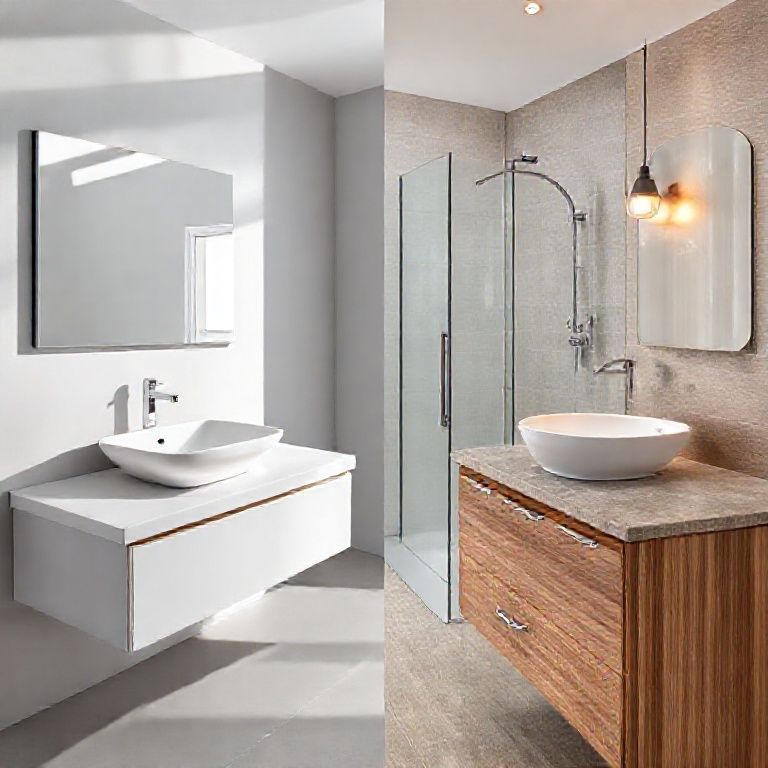
Let’s begin by demystifying these two popular contenders. An integrated basin, often referred to as a “one-piece” or “seamless” sink, is precisely what its name suggests. The basin and the countertop are fused together as a single unit. Imagine a sculpture where the basin flows organically from the surface it rests upon. This typically happens in materials like solid surface (e.g., Corian), cultured marble, or certain types of composite materials. The beauty here lies in its uninterrupted sweep, offering a visually sleek and modern appearance. There are no seams, no awkward joins, just a smooth, continuous plane.
On the other hand, the undermount basin (台下盆) is a different beast altogether. As the name implies, this type of sink is installed beneath the countertop. The rim of the basin is securely attached to the underside of the countertop material, be it granite, quartz, marble, or even laminate. This leaves the top surface of your vanity completely clear, with only the basin opening visible. The effect is one of understated elegance, a sophisticated look that prioritizes a clean, uncluttered countertop.
Now, let’s get down to brass tacks: what are the advantages of each? For the integrated basin, the primary draw is undoubtedly its aesthetic. The seamless design evokes a sense of modern luxury. It’s a bold statement, a minimalist dream brought to life. The lack of seams means no grout lines to worry about, which can be a significant plus for those who loathe scrubbing. Cleaning, in theory, becomes a breeze – a simple wipe-down of the entire surface. This unbroken expanse also offers a unique tactile experience, a smooth, continuous surface that feels both premium and inviting. From a practical standpoint, the absence of a separate basin and countertop can sometimes translate to easier installation, as it’s a single, albeit sometimes heavy, unit to place. Furthermore, for certain materials, the integrated design can offer enhanced durability. Because the basin and countertop are made from the same material, there’s no risk of chipping or cracking at the seam where two different materials might meet.
However, the integrated basin isn’t without its potential shortcomings. While cleaning is often touted as a major benefit, the sheer size and weight of some integrated units can make them cumbersome to handle, especially during installation or if a repair is ever needed. If the basin itself were to suffer damage – say, a deep scratch or a chip – the entire integrated unit would likely need to be replaced, which can be a costly affair. Repairing a localized patch on a large, fused piece can also be more challenging and less aesthetically pleasing than repairing a standalone basin. Another consideration is the material limitations. While integrated basins are available in a variety of materials, they are most commonly found in solid surface or cultured marble. If you have your heart set on a natural stone countertop like granite or quartz, an integrated basin in that material is likely not an option. The visual impact, while stunning, can also be a double-edged sword. The monolithic appearance might not suit every bathroom style, particularly more traditional or rustic designs.
Moving on to the undermount basin, its allure lies in its sophisticated simplicity and remarkable practicality. The most significant advantage here is the unobstructed countertop space. Imagine a vast, clear expanse where you can lay out your toiletries, arrange decorative items, or simply have ample room to move around. This is especially beneficial in smaller bathrooms where maximizing usable surface area is key. The visual appeal of an undermount sink is undeniable. It creates a clean, uncluttered look that allows the beauty of the countertop material to truly shine. Whether you’ve invested in a stunning slab of marble or a sleek quartz surface, the undermount installation ensures that the countertop remains the star of the show.
Cleaning is another major win for undermount basins. Because the basin is installed beneath the countertop, you can easily wipe water, soap, and debris directly from the counter into the sink. There’s no lip or ledge to trap grime, making daily tidying a swift and efficient process. This is a huge advantage for anyone who values a sparkling clean bathroom with minimal effort. Furthermore, undermount sinks are compatible with a vast array of countertop materials, including granite, quartz, marble, solid surface, and even some high-quality laminates. This versatility gives you immense freedom in choosing the perfect countertop for your design vision. From a durability perspective, while the basin itself is a separate component, the installation method often leads to a very secure and robust setup. If the basin does sustain damage, it can typically be replaced independently of the countertop, which can be a more cost-effective solution than replacing an entire integrated unit.
However, the undermount world isn’t entirely free of its own set of considerations. The installation process for undermount sinks can be more complex than for some other types. It requires precise cutting of the countertop and a secure mounting system to ensure the basin stays firmly in place. This can sometimes translate to a higher installation cost. Moreover, while cleaning the countertop into the sink is easy, the rim where the basin meets the underside of the countertop can, over time, accumulate soap scum or mineral deposits if not regularly wiped down. This is a minor point, but it’s worth noting that a diligent wipe of this edge is necessary to maintain the pristine look. The choice of faucet can also be a factor; some faucets are designed to be deck-mounted (mounted directly on the sink or countertop), while others are wall-mounted. This is less of a drawback and more of a design consideration, but it’s something to keep in mind during the planning phase.
As we transition into the second part of our discussion, we’ll delve deeper into the practicalities, weigh the pros and cons more critically, and consider how each type of basin might fit into your specific lifestyle and aesthetic preferences. We’ll also touch upon the often-crucial element of cost and explore how to make the best decision for your personal sanctuary.
Continuing our exploration of the integrated versus undermount basin conundrum, it’s time to get down to the nitty-gritty of how these choices impact your daily life and your wallet. We’ve established the fundamental differences and their initial aesthetic and functional implications. Now, let’s sharpen our focus on the practicalities that truly matter when you’re living with your bathroom sink day in and day out.
When we talk about maintenance and cleaning, both have their strong suits. For the integrated basin, the promise of a seamless, grout-free surface is incredibly appealing. Imagine a countertop that simply flows into a basin, allowing you to sweep crumbs and water directly into the drain without encountering any irritating edges. This is particularly beneficial for busy households where a quick wipe-down is the order of the day. However, the materials often used for integrated basins, like solid surface, can be susceptible to scratching if harsh cleaning implements or abrasive cleaners are used. While minor scratches can often be buffed out, significant damage can be more challenging to repair seamlessly compared to a separate basin. The sheer size and weight of some integrated units can also make deep cleaning or reaching awkward spots a bit more of a workout.
The undermount basin, on the other hand, excels in its ease of countertop cleaning. The ability to simply wipe everything directly into the sink is a game-changer for maintaining a spotless vanity. The separation of the basin from the countertop also means that if the basin itself gets stained or damaged, it can often be replaced without having to disturb the countertop. This is a significant advantage in terms of long-term cost and convenience. However, as mentioned, that subtle lip where the basin meets the underside of the countertop can become a small haven for grime if not regularly attended to. A quick spray and wipe with a bathroom cleaner should suffice, but it’s a small area that requires consistent attention to prevent buildup.
Let’s talk about durability and longevity. Integrated basins, being constructed from a single piece of material, can be remarkably robust. If the material is high-quality, such as a premium solid surface, it can withstand the rigors of daily use for many years. The absence of seams means there’s no risk of grout cracking or sealant failing, which are common issues with some other sink installations. However, the inherent vulnerability lies in the material itself. If the basin is made from a less durable composite or cultured marble, it might be more prone to chipping or staining over time. As noted before, a significant crack or chip in an integrated basin typically means replacing the entire unit.
Undermount basins, when installed correctly in a durable countertop material like granite or quartz, can offer exceptional longevity. These countertop materials are renowned for their resistance to stains, scratches, and heat. The basin itself, whether made of porcelain, ceramic, or stainless steel, is a separate component that can be chosen for its specific durability. The real test of longevity here lies in the quality of the installation and the materials used. A well-installed undermount sink in a premium countertop will likely stand the test of time beautifully. The ability to replace just the basin if needed provides a layer of long-term security and flexibility.
Now, the elephant in the room: cost. This is where things get nuanced. Generally speaking, integrated basins can sometimes be more affordable upfront, especially those made from cultured marble or certain solid surface materials. The “one-piece” nature can simplify manufacturing and installation, potentially leading to lower costs. However, high-end, custom-molded solid surface integrated basins can be quite expensive, rivaling or even exceeding the cost of a good quality undermount setup. The potential for higher replacement costs if damage occurs should also be factored into the long-term financial equation.
Undermount basins, especially when paired with premium countertop materials like natural stone, can represent a significant investment. The cost of the basin itself, coupled with the precision cutting and installation required for the countertop, can add up. However, the vast range of price points for both basins and countertops means that an undermount setup can be tailored to various budgets. A good quality ceramic undermount sink paired with a solid surface or quartz countertop can be a very competitive option. Moreover, the potential for less costly repairs or replacements down the line can make an undermount sink a wise long-term financial decision.
Ultimately, the choice between an integrated basin and an undermount basin hinges on your priorities. If your heart is set on a minimalist, seamless aesthetic and you prioritize uninterrupted countertop space with a modern edge, an integrated basin might be your ideal choice, provided you’re comfortable with the material options and potential replacement costs. The visual impact is undeniable, and for those who appreciate clean lines and a sense of spaciousness, it’s a compelling option.
If, however, you value versatility in countertop materials, ease of countertop cleaning, and the flexibility of replacing just the basin if necessary, an undermount basin is likely the winner. The sophisticated look of an undermount sink, combined with its practical advantages, makes it a perennial favorite for a reason. It allows the beauty of your chosen countertop to take center stage while offering a highly functional and easy-to-maintain bathing space.
Before you make your final decision, consider the following: What is your budget? What materials are you drawn to for your countertop? What is your tolerance for cleaning and maintenance? What is your overall bathroom design aesthetic – modern, traditional, minimalist, eclectic? Having a clear understanding of your answers to these questions will illuminate the path towards the basin that will best serve your needs and elevate your personal sanctuary for years to come. Whichever you choose, the basin is more than just a functional fixture; it’s an integral part of your daily ritual, a small but significant element that contributes to the overall harmony and enjoyment of your home.









