
The heart of any home often beats strongest in the kitchen. It’s where culinary masterpieces are born, where families gather to share stories, and where the aroma of freshly brewed coffee can transform a mundane morning into something magical. And at the center of this vibrant hub, standing as a silent sentinel to countless moments, is the countertop. For many homeowners, the choice of countertop material is a deeply personal one, a blend of aesthetics, functionality, and budget. Two contenders frequently vie for the spotlight: acrylic and solid surface, often referred to collectively as “artificial marble” in broader discussions. While both offer a modern, customizable alternative to traditional materials like granite or marble, they possess distinct characteristics that can sway your decision. So, let’s pull back the curtain and delve into the captivating world of acrylic and solid surface, exploring which might just be the perfect fit for your culinary canvas.

Imagine a material that can be molded, shaped, and seamlessly joined to create surfaces that appear almost sculpted from a single, continuous piece. This is the allure of solid surface, a composite material that has captivated designers and homeowners alike for decades. Its most defining feature is its non-porous nature. This isn’t just a fancy technical term; it translates to a significant practical advantage. Unlike natural stone or even some other engineered materials, solid surface doesn’t absorb liquids. This means spills from red wine, vibrant tomato sauce, or even just a forgetful splash of coffee are unlikely to leave lasting stains. For a busy kitchen, this inherent resistance to staining offers a welcome peace of mind. Furthermore, this non-porosity contributes to a highly hygienic surface. Bacteria and mold find it incredibly difficult to take root, making solid surface an excellent choice for those who prioritize a clean and sanitary environment, especially for food preparation.
The aesthetic possibilities with solid surface are truly remarkable. It’s available in an astonishing array of colors, patterns, and finishes. From the pristine white of a minimalist dream to the deep, dramatic hues of a more contemporary space, there’s a solid surface to match almost any design vision. What truly sets it apart, however, is its ability to be fabricated with inconspicuous seams. This means you can have a countertop that stretches across a large island or a lengthy kitchen run without the visual interruption of traditional joints. This seamless integration creates a sleek, uninterrupted flow that enhances the overall clean lines and sophistication of your kitchen design. Beyond its visual appeal, solid surface is also remarkably repairable. Minor scratches or nicks, which can occur with daily use in any kitchen, can often be buffed out or even repaired by a professional, restoring the surface to its former glory. This reparability adds to its long-term value and appeal.
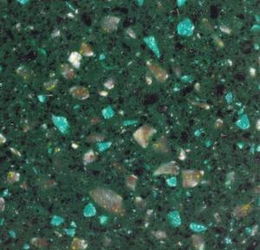
Now, let’s turn our attention to acrylic. Often categorized under the broader umbrella of solid surface, acrylic countertops – specifically those made from 100% acrylic resins – offer a distinct set of characteristics that deserve their own spotlight. Think of acrylic as the agile gymnast of countertop materials. It’s incredibly versatile, known for its remarkable ability to be thermoformed. This means that under heat, acrylic can be bent and shaped into curves, bowls, and intricate designs that are simply not possible with other countertop materials without resorting to multiple, visible seams. This thermoforming capability opens up a world of creative possibilities for designers, allowing for truly bespoke and artistic kitchen and bathroom installations. Integrated sinks, for example, can be seamlessly molded directly into the countertop, creating a fluid transition that is both aesthetically pleasing and incredibly easy to clean.
The inherent properties of 100% acrylic are also worth celebrating. Like its broader solid surface cousin, acrylic is non-porous, which means it resists stains and is highly hygienic. Its surface is smooth and dense, making it difficult for bacteria to penetrate. This is a significant advantage in a kitchen environment where cleanliness is paramount. One of the most compelling aspects of acrylic countertops is their extensive color palette and ability to mimic the look of natural materials. From the veining of marble to the flecks of granite, acrylic can achieve a remarkably convincing aesthetic. What’s more, many acrylic formulations are UV-resistant, meaning they are less likely to fade over time when exposed to sunlight. This is a notable advantage in kitchens with large windows or skylights, ensuring your countertop maintains its vibrant appearance for years to come. The repairability of acrylic is also a significant plus. Minor scratches can often be buffed out, and deeper damage can be professionally repaired, extending the lifespan of your investment.
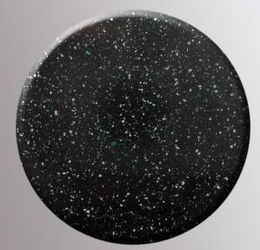
When comparing acrylic and solid surface more broadly, it’s important to acknowledge that the term “solid surface” itself is a bit of an umbrella. True 100% acrylic solid surface is a premium product within this category. Many products marketed as “solid surface” are actually a blend of acrylic and polyester resins, offering a balance of properties and cost. This distinction is crucial because the performance and aesthetic qualities can vary. However, for the purpose of this discussion, we’ll consider “solid surface” as referring to the general category, with 100% acrylic being a particularly high-performing and versatile subset.
Both acrylic and solid surface materials excel in their ability to offer a non-porous, hygienic, and aesthetically pleasing countertop solution. They provide a welcome departure from the maintenance demands of natural stone, while offering a wealth of design flexibility. As we move into the second part of our exploration, we’ll dive deeper into the practical considerations: durability, heat resistance, cost, and installation, helping you to weigh the nuances and make a confident decision for your dream kitchen. The choice between these innovative materials isn’t just about selecting a surface; it’s about investing in the heart of your home, a surface that will witness countless meals, laughter, and memories.
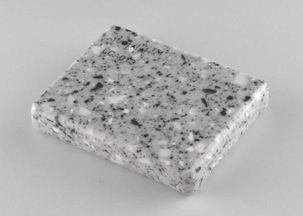
Continuing our deep dive into the fascinating world of acrylic and solid surface countertops, we’ve already established their impressive aesthetic appeal and hygienic benefits. Now, let’s roll up our sleeves and get down to the nitty-gritty of practical performance, comparing these materials head-to-head on key factors that will influence your daily kitchen life and your budget.
One of the most significant considerations for any kitchen countertop is its durability and resistance to everyday wear and tear. Both acrylic and solid surface are known for their resilience, but there are subtle differences to consider. Acrylic, particularly 100% acrylic solid surface, often boasts a slightly softer surface compared to some polyester-based solid surfaces. This means that while it’s highly resistant to stains and impacts, it can be more susceptible to scratching from sharp objects or abrasive cleaning materials. However, this perceived “softness” is also its superpower when it comes to repairs. Minor scratches on acrylic can often be buffed out with a fine-grit sandpaper or a specialized polishing compound, a task that can sometimes be achieved as a DIY project with a bit of care. For deeper scratches or chips, professional refinishing is usually an option, effectively restoring the surface to its original condition.
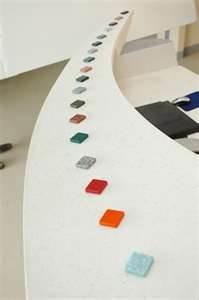
Solid surface, in its broader definition, can vary in its scratch resistance depending on its composition. Polyester-based solid surfaces might offer a slightly harder initial surface, potentially providing a bit more resistance to superficial scratches. However, if a scratch does occur, the repair process might be slightly more involved than with 100% acrylic, often requiring professional intervention for a seamless finish. The key takeaway here is that while both materials are durable, understanding the specific composition of the solid surface product you’re considering can offer insight into its specific scratch resistance. Despite this, it’s worth remembering that both are generally more forgiving and repairable than many natural stones, which can chip or crack irrevocably.
Heat resistance is another crucial aspect, especially in a busy kitchen. Neither acrylic nor solid surface should be considered completely heat-proof. Placing extremely hot pots or pans directly onto the surface can cause damage, leading to discoloration or even melting in the case of acrylic. For 100% acrylic, extreme heat can soften the material. Solid surface, especially polyester blends, can also be affected. It’s always recommended to use trivets or hot pads when placing hot cookware on either surface. The threshold for damage can vary between specific products and manufacturers, so it’s wise to consult the product specifications. Generally, while both can withstand moderate heat, they are not designed for direct contact with high temperatures for extended periods.
When it comes to cost, both acrylic and solid surface fall into a mid-to-high price range, generally more affordable than premium natural stones like high-grade granite or marble, but more expensive than laminate. The price can fluctuate significantly based on the brand, the complexity of the design, the thickness of the material, and whether it’s a 100% acrylic formulation or a polyester blend. Generally, 100% acrylic solid surfaces tend to be at the higher end of the solid surface price spectrum due to their superior thermoforming capabilities and aesthetic potential. Installation costs also play a significant role. Because these materials often require specialized fabrication and installation techniques to achieve seamless joints, professional installation is typically recommended and factored into the overall cost. DIY installation is rarely advisable for achieving the high-end, seamless look that these materials are known for.
The installation process for both acrylic and solid surface is quite different from that of natural stone. They are fabricated off-site in a controlled environment, allowing for precise cuts, edge profiles, and the integration of features like sinks. The seamless nature of these countertops means that once fabricated, they are typically installed as a single piece or with very discreet seams that are chemically bonded and sanded smooth. This meticulous installation process contributes to their premium appearance and functionality, but it also underscores the need for skilled professionals.
Let’s talk about maintenance. The good news here is that both acrylic and solid surface are remarkably easy to maintain. Daily cleaning is usually a simple matter of wiping down with a damp cloth and a mild soap. Their non-porous nature prevents the absorption of everyday spills, making clean-up a breeze. Harsh chemicals and abrasive scrubbers should be avoided, as they can dull the finish or even damage the surface, particularly with acrylic. Regular polishing with a specialized solid surface cleaner can help maintain the shine and protect the surface from minor abrasions over time.
Considering the nuances, the choice between acrylic and solid surface often comes down to your specific priorities. If you’re envisioning highly intricate, curved designs, integrated sinks with a completely seamless flow, and the ultimate in design flexibility, 100% acrylic solid surface might be your top pick. Its thermoforming capabilities allow for truly unique and artistic installations. If your design goals are more conventional, but you still desire the benefits of a non-porous, seamless, and repairable surface, a broader category of solid surface (which may include polyester blends) can offer excellent value and performance. The key is to understand the specific product’s composition and its associated properties.
Ultimately, both acrylic and solid surface offer a compelling modern alternative to traditional countertop materials. They provide a beautiful, hygienic, and relatively low-maintenance surface that can elevate the look and feel of your kitchen or bathroom. By understanding their individual strengths and weaknesses regarding scratch resistance, heat tolerance, cost, and maintenance, you can confidently select the material that best aligns with your lifestyle, design aspirations, and budget, creating a space that is not only functional but also a true reflection of your personal style.









