
The quest for the perfect countertop is a journey many homeowners embark on, often with a mix of excitement and trepidation. In the realm of modern surfacing materials, two contenders frequently vie for the top spot: acrylic and solid surface. While often grouped together due to their composite nature and seamless aesthetic potential, they are distinct entities, each possessing unique characteristics that cater to different needs and desires. Understanding these differences is key to unlocking the full potential of your kitchen or bathroom design.

Let’s begin by demystifying acrylic countertops. Often referred to by brand names like Corian (though Corian is technically a specific brand of solid surface, the term is sometimes used colloquially to encompass similar materials), acrylic surfaces are essentially non-porous, solid, homogeneous materials. They are manufactured from a blend of acrylic polymers and alumina trihydrate (ATH), a mineral derived from bauxite ore. This composition grants them a remarkable degree of workability, allowing them to be thermoformed into curves, shaped into intricate designs, and joined seamlessly without visible seams. This ability to be molded and shaped is one of acrylic’s most compelling advantages. Imagine a waterfall edge that flows uninterrupted, a perfectly rounded sink integrated directly into the countertop, or even custom-designed shelving that appears to grow organically from the wall. This design flexibility opens up a world of creative possibilities that are simply unattainable with traditional materials like granite or marble.
The non-porous nature of acrylic is another significant benefit, particularly in areas where hygiene is paramount, such as kitchens and bathrooms. Unlike natural stone, which can harbor bacteria and stains due to its inherent porosity, acrylic offers a smooth, impermeable surface. This means spills, whether they be red wine, coffee, or grease, are far less likely to penetrate the material and leave permanent marks. Cleaning becomes a breeze – a simple wipe with soap and water is usually sufficient. This resistance to staining and ease of maintenance makes acrylic a practical choice for busy households. Furthermore, its non-porous quality also means it is highly resistant to mold and mildew growth, contributing to a healthier indoor environment.
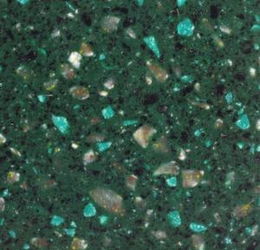
Aesthetically, acrylic offers a vast spectrum of colors, patterns, and finishes. From solid, vibrant hues that make a bold design statement to subtle, marble-like veining that mimics the look of natural stone, the options are virtually limitless. This versatility allows homeowners to perfectly match their countertops to their existing décor or to create a striking focal point that defines the entire room. The ability to achieve a seamless look, where joints are virtually invisible, further enhances its clean and modern appeal. This is particularly advantageous in larger kitchens or bathrooms where multiple pieces of material would otherwise result in visible seams, disrupting the flow and visual harmony of the space.
However, no material is without its drawbacks, and acrylic is no exception. One of its most notable limitations is its susceptibility to scratches. While durable in many respects, the relatively softer nature of acrylic means it can be more prone to surface scratches from sharp objects or abrasive cleaning pads. This doesn’t mean it’s fragile, but rather that a certain degree of care is required during use. Fortunately, this is often a manageable issue. Minor scratches can typically be buffed out and repaired, restoring the surface to its original pristine condition. This repairability is a significant advantage over materials like laminate, where a scratch often means a permanent blemish. For those who are particularly concerned about scratching, opting for a matte finish can help to disguise minor abrasions more effectively than a high-gloss surface.
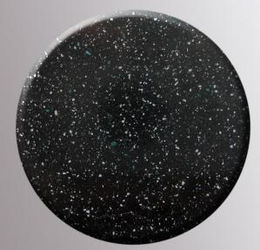
Another consideration is acrylic’s heat resistance. While it can withstand moderate heat, it is not impervious to damage from hot pots and pans placed directly on its surface. Prolonged exposure to high temperatures can lead to scorching, discoloration, or even melting. Therefore, using trivets and hot pads is essential when working with hot cookware. This is a common requirement for many countertop materials, but it’s a point worth emphasizing for acrylic.
When it comes to cost, acrylic countertops generally fall into the mid-to-high price range, depending on the complexity of the design, the brand, and the specific finish chosen. While it may not be the most budget-friendly option, its durability, seamless appearance, and repairability can offer excellent long-term value. The initial investment can be offset by its longevity and the reduced need for frequent replacements or extensive repairs.
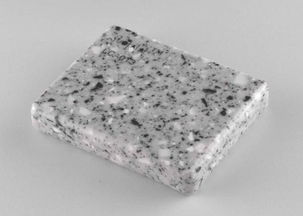
In essence, acrylic countertops offer an exceptional blend of design freedom, hygienic properties, and a sleek, modern aesthetic. Their ability to be molded, their stain resistance, and the vast array of customization options make them a compelling choice for those seeking a truly bespoke and low-maintenance surface. However, the potential for scratching and the need for careful heat management are factors that must be weighed against these advantages. Understanding these characteristics is the first step in determining if acrylic is the right foundation for your next renovation.
Transitioning from the moldable allure of acrylic, we now delve into the robust world of solid surface countertops. Often, the lines between acrylic and solid surface can blur in everyday conversation, leading to confusion. It’s important to clarify that while acrylic is a key component in many solid surface formulations, “solid surface” is a broader category that encompasses a range of composite materials. The most common formulation for solid surface countertops consists of a blend of acrylic polymer and mineral filler, typically alumina trihydrate (ATH). However, some solid surface materials may incorporate polyester resins alongside or instead of acrylic, leading to slightly different performance characteristics. For the purpose of this comparison, we’ll focus on the most prevalent acrylic-based solid surface materials, which share many similarities with pure acrylic but also possess distinct differences.
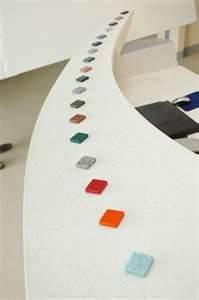
One of the defining features of solid surface countertops is their exceptional durability and resilience. While they share the non-porous nature of pure acrylic, the specific composition and manufacturing process often result in a material that is even more resistant to impact and wear. This makes them an ideal choice for high-traffic areas where robustness is a primary concern, such as busy family kitchens or commercial spaces. The inherent strength of solid surface means it can withstand the rigors of daily use without showing signs of wear and tear.
Like acrylic, solid surface countertops excel in their hygienic properties. The non-porous surface is impervious to stains and does not support the growth of mold, mildew, or bacteria. This makes them a fantastic option for kitchens and bathrooms, where cleanliness is paramount. Spills wipe away effortlessly, and the seamless integration of sinks further enhances the ease of cleaning, eliminating those pesky crevices where dirt and grime can accumulate. This ease of maintenance translates to a healthier living environment and less time spent on arduous cleaning tasks.
The seamless aesthetic that solid surface is renowned for is another major draw. Just like acrylic, solid surface materials can be joined with specialized adhesives that create invisible seams. This allows for expansive, uninterrupted surfaces, creating a sleek and modern look that is highly sought after. The ability to integrate sinks and backsplashes seamlessly is a particular advantage, offering a fluid and continuous design that is both beautiful and practical. This is where the design possibilities truly shine, allowing for a cohesive and visually appealing space.
When it comes to heat resistance, solid surface generally performs comparably to or slightly better than pure acrylic. While it’s still advisable to use trivets and hot pads, it can typically tolerate slightly higher temperatures before showing signs of damage. This provides a small but valuable margin of error in a busy kitchen environment. However, it’s still a good practice to be mindful of direct heat exposure.
The visual appeal of solid surface is another area where it shines. It is available in an astonishing array of colors, patterns, and textures, ranging from pure whites and subtle neutrals to vibrant hues and sophisticated veining that mimics natural stone. The consistency of color and pattern throughout the entire thickness of the material means that even if the surface is scratched, the underlying color remains the same, making repairs less noticeable. This uniformity is a significant advantage over materials with a surface layer that can wear away.
Repairability is a cornerstone of the solid surface advantage. Minor scratches, chips, and even deeper gouges can often be repaired by trained professionals. The process typically involves sanding down the damaged area and then re-polishing the surface, effectively making the repair invisible. This ability to restore a solid surface countertop to its original condition significantly extends its lifespan and contributes to its long-term value. This is a stark contrast to materials like laminate or some types of natural stone, where damage can be permanent and costly to fix.
In terms of cost, solid surface countertops are generally positioned in the mid-to-high price bracket, often comparable to or slightly higher than acrylic, depending on the brand and complexity of the fabrication. The initial investment is a consideration, but when you factor in the longevity, ease of maintenance, repairability, and the timeless aesthetic, solid surface offers a compelling return on investment. It’s a material that is designed to last and maintain its beauty over many years.
Comparing acrylic and solid surface directly, the primary distinction often lies in the nuances of their composition and, consequently, their performance characteristics. While both offer seamless integration, non-porous surfaces, and a wide range of aesthetic options, solid surface materials, particularly those with a higher mineral content, may exhibit slightly superior resistance to impact and heat. The repairability of both is a major selling point, but the ease with which minor imperfections can be addressed in solid surface often gives it an edge in terms of long-term pristine appearance.
Ultimately, the choice between acrylic and solid surface hinges on your specific priorities. If ultimate design flexibility, including complex curves and integrated features, is paramount, and you are diligent with heat protection and mindful of potential scratching, pure acrylic might be your ideal choice. If you prioritize maximum durability, slightly better heat tolerance, and the proven resilience of a material designed for heavy use, while still enjoying a seamless and hygienic surface, then solid surface is likely the superior option. Both materials represent a significant upgrade from traditional surfaces, offering a beautiful, functional, and long-lasting addition to your home. The decision is a personal one, guided by a careful consideration of aesthetics, functionality, and the practical demands of your lifestyle.









