
In the grand theater of home renovation, few decisions carry the weight and visual impact of choosing the right countertop. It’s the stage upon which culinary creations come to life, morning routines unfold, and where friends and family often gather. For years, the spotlight has been shared by a dazzling array of materials, each vying for the coveted position of “perfect surface.” Today, we’re turning our discerning gaze towards two contemporary contenders that have captivated designers and homeowners alike: acrylic and solid surface. Often discussed in the same breath, these materials share a synthetic origin, but their individual characteristics paint a surprisingly distinct picture. So, buckle up, design aficionados, as we embark on an in-depth exploration to unravel the mysteries of “亚克力和人造石哪个好” – which is better, acrylic or solid surface?

Let’s start by demystifying these materials. When we talk about “solid surface” in the context of countertops, we’re typically referring to a composite material made from a blend of acrylic polymers and alumina trihydrate (ATH), derived from bauxite ore. This fusion creates a non-porous, homogeneous material that can be thermoformed, shaped, and seamlessly joined. Think of brands like Corian, Swanstone, or Staron. It’s a material that often whispers of understated elegance and practical resilience.
Acrylic, on the other hand, is a type of clear thermoplastic that, in the context of countertops, often refers to a 100% acrylic polymer composite. While similar in its synthetic makeup to solid surface, a pure acrylic formulation can offer a different set of properties. Some materials marketed as “acrylic” might be more accurately described as modified acrylics or even acrylic-laminates, which can influence their performance and feel. For clarity, when we use “acrylic” in this discussion, we’re generally referring to the 100% acrylic polymer composite that aims for a specific set of aesthetic and functional outcomes, distinct from the mineral-filled nature of traditional solid surface.
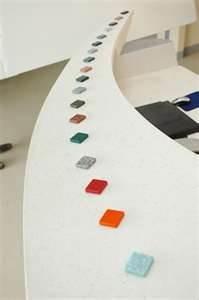
The visual appeal of both materials is where the conversation often begins. Solid surface is renowned for its ability to mimic the look of natural stone, but without the inherent porosity and maintenance challenges. It comes in a vast spectrum of colors and patterns, from the subtle veining of faux marble to bold, contemporary hues and even translucent options that can be backlit for a dramatic effect. The seamless integration is a significant selling point. Because it can be glued together with specialized adhesives that melt the material, seams virtually disappear, creating a continuous, flowing surface that is both aesthetically pleasing and hygienic. This is particularly advantageous for large islands or complex kitchen layouts where a monolithic look is desired. The edges can be shaped into a variety of profiles, from a simple eased edge to more elaborate bullnose or ogee designs, allowing for a tailored finish.
Acrylic, especially in its purest form, can offer a luminous quality and a depth of color that is quite distinct. It’s often associated with a sleeker, more modern aesthetic, though it can be adapted to various styles. Like solid surface, acrylic is also non-porous and can be fabricated with invisible seams, offering that same continuous, hygienic surface. The thermoformability of acrylic is a significant advantage, allowing for truly unique designs, such as curved countertops or integrated sinks that flow seamlessly from the countertop itself. The range of colors available in acrylic can be breathtaking, from vibrant, jewel-toned shades to softer pastels and sophisticated neutrals. Some acrylic formulations can even achieve a higher gloss finish than traditional solid surface, contributing to a more luxurious feel.
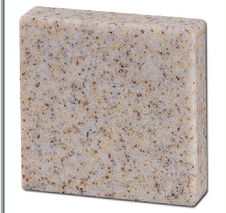
However, the devil, as they say, is in the details – and in this case, the details lie in performance and durability. Both materials are non-porous, which is a major win in any kitchen or bathroom. This means they resist staining from common spills like wine, coffee, and juice, and they don’t harbor bacteria or mold. This makes them excellent choices for those prioritizing hygiene. Cleaning is generally straightforward; a damp cloth with mild soap is usually sufficient. For tougher stains, a non-abrasive cleaner can often do the trick, but it’s always wise to consult the manufacturer’s guidelines.
When it comes to heat resistance, this is where a significant divergence can occur. Solid surface materials generally have a moderate level of heat resistance. While they can withstand the occasional hot pan placed down for a few seconds, it’s generally recommended to use trivets for prolonged exposure to high temperatures. Excessive or prolonged heat can lead to thermal shock, discoloration, or even warping. Acrylic, particularly 100% acrylic, can be more susceptible to heat damage. Direct contact with very hot pots and pans can cause permanent marring, scorching, or melting. This is a crucial consideration for any home cook who frequently places hot items directly on their countertops. While manufacturers offer heat-resistant grades and recommend precautions, it’s a factor that cannot be overlooked.
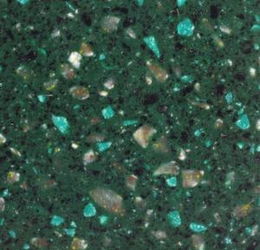
Scratch resistance is another area where the two materials present different profiles. Both are susceptible to scratching to some degree, but the nature and visibility of scratches can vary. Solid surface, with its homogeneous composition, means that scratches are often only in the top layer and can typically be sanded out and refinished to look like new. This repairability is a significant advantage. Acrylic, especially in glossier finishes, can sometimes show scratches more readily. While also repairable, the process might require a more delicate touch or specialized techniques depending on the specific acrylic formulation and finish. Lighter colors and matte finishes on both materials tend to camouflage minor abrasions better than darker, high-gloss surfaces.
The cost factor is always a significant consideration in any renovation project. Generally speaking, both acrylic and solid surface fall into a mid-to-high price range when compared to laminate or tile, but often below premium natural stones like granite or quartz. However, the specific price point can vary widely based on the brand, the complexity of the design, the fabrication required (e.g., edge profiles, integrated sinks), and the installation costs. Historically, solid surface might have been perceived as slightly more budget-friendly than some higher-end 100% acrylic options, but this can fluctuate based on market trends and specific product lines. It’s always best to get detailed quotes for your specific project to make an accurate comparison.
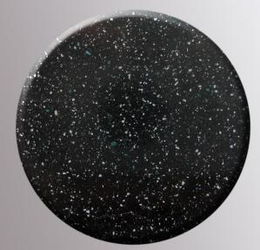
So, as we draw the first half of our exploration to a close, we see that both acrylic and solid surface offer compelling advantages, particularly their non-porous nature, seamless integration, and wide aesthetic appeal. However, subtle but important differences emerge when we consider their resistance to heat and scratches, and the nuances of their repairability. The choice between them begins to crystallize around priorities: is seamless elegance and a potentially more luminous finish your driving force, or is a balance of robust everyday performance with proven repairability your ultimate goal?
Continuing our deep dive into the world of modern countertop materials, we now turn our attention to the practicalities and long-term considerations that will help you definitively answer the question: “亚克力和人造石哪个好?” In the first part, we established the foundational differences between acrylic and solid surface, touching on their composition, aesthetic potential, and initial performance characteristics like non-porosity and seamlessness. Now, let’s delve deeper into the areas that often make or break a countertop choice: durability in real-world conditions, repairability, environmental impact, and the all-important factor of how they age over time.
When we talk about the “feel” of a countertop, it’s a subjective but crucial element. Solid surface often presents a slightly warmer, more tactile surface compared to some acrylics, which can sometimes feel more “plasticky” depending on the specific formulation and finish. This is, of course, a matter of personal preference. Some homeowners might prefer the perceived solidity and density of a mineral-filled material, while others might be drawn to the lighter, perhaps more “engineered” feel of a pure acrylic. Gently running your hand over samples of both materials in a showroom can offer valuable, albeit subjective, insight.
Let’s revisit the crucial aspect of heat resistance. As mentioned, solid surface typically offers moderate heat resistance, while 100% acrylic can be more sensitive. For kitchens where cooking is frequent and intense, this is a significant factor. If you’re someone who places hot pots directly from the stove or oven onto the counter, even for a moment, solid surface might offer a greater sense of security. However, it’s not a green light to neglect trivets entirely. Both materials benefit from mindful use. For acrylic, if heat is a major concern, it would be prudent to look for specialized formulations designed for improved heat resistance or to commit to a strict regimen of using trivets and hot pads. The allure of an integrated acrylic sink that seamlessly flows into a countertop, for example, might be weighed against the potential risks associated with direct heat exposure near the cooking zones.
Repairability, as we touched upon, is a key differentiator. The beauty of solid surface’s homogeneous nature is its remarkable ability to be repaired. Minor scratches, chips, or even burns can often be sanded out by a qualified professional, restoring the surface to its original pristine condition. This is akin to refinishing wood. For homeowners who value longevity and the ability to refresh their countertops over time, this repairability is a massive advantage. It means that a small accident doesn’t necessarily spell the end of your countertop’s beauty. Acrylic, while also repairable, might require more specialized techniques or professional intervention, especially for deeper damage or specific finishes. The process might not always yield the same “like new” result as with solid surface, depending on the extent of the damage and the specific acrylic compound.
Environmental considerations are increasingly influencing purchasing decisions. Both acrylic and solid surface are synthetic materials, which means their production involves chemical processes. However, the raw materials for solid surface, particularly alumina trihydrate, are derived from bauxite ore, a naturally occurring mineral. Many solid surface manufacturers are also making strides in sustainability, using recycled content in their products and pursuing eco-friendly manufacturing practices. Acrylic, being a petroleum-based product, has a different environmental footprint. However, advancements in acrylic production are exploring bio-based or recycled acrylics, and the durability and longevity of acrylic countertops can contribute to a reduced need for replacement, thereby mitigating some of the initial environmental impact. It’s worth investigating the specific environmental certifications and sustainability initiatives of individual brands within both categories.
The longevity and how these materials “age” are also important. Both materials are designed for durability and should provide years of service when properly cared for. Solid surface, with its proven track record, is known for its ability to withstand daily wear and tear and maintain its appearance over time, especially in matte or satin finishes which are more forgiving of surface imperfections. Acrylic’s aging can be more dependent on the quality of the specific product and the level of care it receives. High-gloss acrylic finishes, while stunning initially, may be more prone to showing micro-scratches over time, which can dull the luster. However, with careful maintenance, acrylic can also age gracefully, retaining its color and structural integrity for many years.
When it comes to stain resistance, both materials excel due to their non-porous nature. This is a huge advantage over natural stone materials like marble or granite, which require regular sealing to prevent staining. For everyday spills of coffee, wine, juice, or oil, both acrylic and solid surface are highly resistant. However, it’s always good practice to wipe up spills promptly to prevent any potential issues, especially with highly pigmented substances on lighter surfaces.
Let’s consider the aesthetics again, but with a focus on how they contribute to different design philosophies. Solid surface, with its ability to mimic natural stone and its extensive color palette, can integrate seamlessly into both traditional and contemporary kitchens and bathrooms. Its capacity for seamless integration makes it a champion of understated elegance, creating a sense of calm and continuity. Acrylic, especially in its purer forms, can lean more towards a modern, minimalist, or even futuristic aesthetic. Its potential for vibrant colors and unique forms – like dramatic curves or integrated features – makes it a material for those who want their countertops to be a statement piece, a true design element that pushes boundaries.
Installation is another practical consideration. Both materials require professional installation for optimal results, particularly to achieve those seamless joints. The cost of installation will be a significant portion of the overall project budget and will vary based on the complexity of the design, the location, and the installer’s rates.
Ultimately, the question of “亚克力和人造石哪个好” doesn’t have a single, universal answer. It’s a decision deeply rooted in your personal lifestyle, aesthetic preferences, and priorities.
If your priority is:
Maximum durability and repairability for a busy household: Solid surface might be the front-runner. Its ability to be sanded and refinished makes it incredibly forgiving of daily wear and tear. A truly unique, modern, or avant-garde design: Acrylic, with its superior thermoforming capabilities and potential for vibrant, luminous colors, could be your ideal material. Budget flexibility within the mid-to-high range: Both are comparable, but specific product lines and fabrication needs will dictate the final cost. It’s essential to get detailed quotes. A warmer, more tactile feel: Solid surface often has a slight edge here. Minimizing the risk of heat damage in an active kitchen: Solid surface generally offers better resistance, though neither is impervious to extreme heat.
In conclusion, both acrylic and solid surface represent significant advancements in countertop technology, offering beautiful, functional, and hygienic surfaces for modern homes. Solid surface often provides a robust, repairable, and versatile option that blends timeless appeal with practical resilience. Acrylic, on the other hand, opens doors to more daring design possibilities and a distinctively modern aesthetic, often with a luminous quality. By carefully weighing their respective strengths and weaknesses against your specific needs and desires, you can confidently navigate this countertop conundrum and select the material that will truly elevate your living space. The best choice is not about which is inherently superior, but which is superior for you.









