
In the grand theater of home design, countertops often play a starring role. They are the hardworking canvases where culinary creations come to life, the silent witnesses to morning coffees and late-night conversations, and the visual anchors that define a room’s aesthetic. Yet, for many homeowners navigating the labyrinth of renovation, the choice between solid surface and engineered stone can feel like a scene straight out of a suspense thriller. Both boast impressive durability and a sleek, modern appeal, but beneath their polished exteriors lie distinct personalities and performance profiles. Let’s peel back the layers and explore these two formidable contenders.

Solid surface, a term that conjures images of seamless integration and effortless style, is often synonymous with brands like Corian. At its core, solid surface is a composite material, typically made from acrylic polymers and alumina trihydrate (ATH). This unique blend grants it a remarkable ability to be molded, shaped, and thermoformed into virtually any design imaginable. Think of countertops that swoop and curve, seamlessly transitioning into integrated sinks, or backsplashes that flow uninterrupted from the wall. This unparalleled design flexibility is arguably solid surface’s superpower. Its non-porous nature is another significant advantage. Unlike natural stone, which can absorb liquids and harbor bacteria, solid surface provides a hygienic barrier. Spills are easily wiped away, and the material resists staining from common culprits like wine, coffee, and oil. This makes it an excellent choice for busy kitchens and bathrooms where cleanliness is paramount.
Furthermore, solid surface possesses a pleasing tactile quality. It’s warmer to the touch than stone, offering a more inviting feel underhand. The uniformity of its color and pattern means that scratches or minor damage can often be repaired by sanding and polishing, restoring the surface to its original glory. This reparability can be a significant long-term cost-saver and a boon for those who worry about the inevitable wear and tear of daily life. The aesthetic possibilities are vast, ranging from classic whites and subtle earth tones to vibrant hues and intricate patterns that mimic natural materials. Its ability to be backlit also opens up a world of dramatic and sophisticated design options, creating a soft, diffused glow that adds ambiance to any space.
However, solid surface isn’t without its vulnerabilities. Its relative softness means it’s more susceptible to scratches and heat damage than engineered stone. While minor abrasions can be buffed out, deep gouges or burns can be challenging and costly to repair. Therefore, while it’s a resilient material, a certain level of care is still required. Using cutting boards and trivets is not merely a suggestion but a necessity to preserve its pristine appearance. The price point for solid surface can also vary significantly, with higher-end designs and complex installations commanding a premium. While it might seem more accessible than some exotic natural stones, it often sits in a similar or even higher price bracket than many engineered stone options.
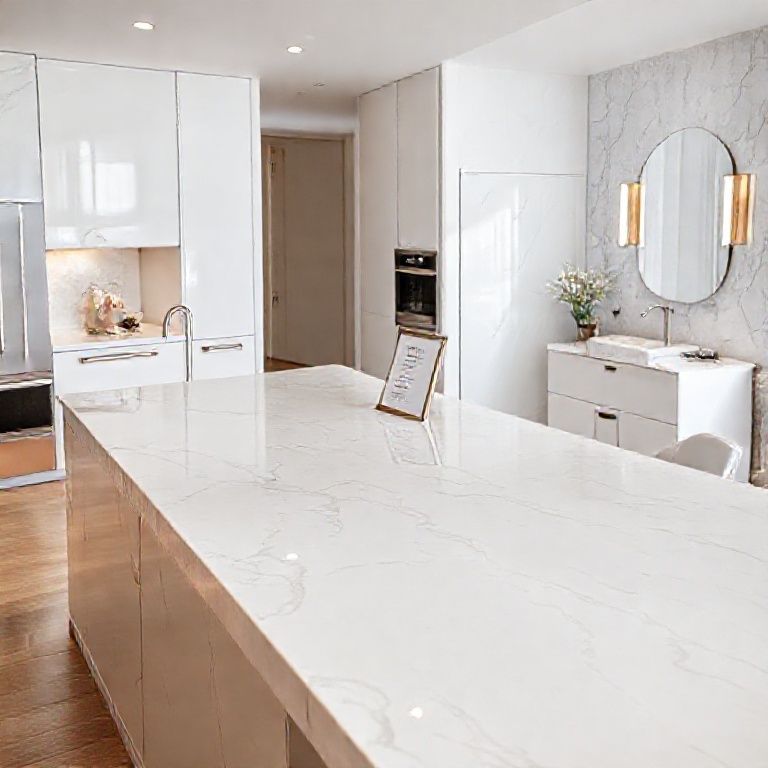
Now, let’s turn our attention to engineered stone, often referred to as quartz. This is not your grandmother’s granite. Engineered stone is a man-made marvel, a fusion of approximately 90-95% natural quartz crystals with polymers and pigments. This high concentration of quartz is what gives engineered stone its formidable strength and durability. The manufacturing process involves crushing quartz into fine particles, mixing them with resins and binders, and then compressing and heating them under immense pressure. The result is a material that is exceptionally hard, dense, and non-porous.
The non-porosity of engineered stone is a game-changer for hygiene and maintenance. Similar to solid surface, it actively resists staining and is impervious to bacteria and mold growth. This makes it an ideal choice for kitchens where food preparation is a daily ritual. The inherent hardness of quartz also means it’s highly resistant to scratches, chips, and heat. You can often place hot pots directly from the stove onto engineered stone without fear of scorching or discoloration, though it’s always prudent to use trivets as an extra layer of protection. The consistency of engineered stone is another key selling point. Unlike natural stone, which can have unpredictable veins and color variations, engineered stone offers a uniform look. This predictability is highly valued by designers and homeowners who seek a specific aesthetic and a flawless finish.
The visual appeal of engineered stone is incredibly diverse. Manufacturers can control the color, pattern, and texture with remarkable precision. This allows for an almost endless array of designs, from pure, unadulterated whites and sleek monochromatic finishes to intricate patterns that artfully mimic the veining of marble or the speckling of granite. The ability to achieve such realistic natural stone looks without the inherent maintenance challenges of their natural counterparts is a significant draw. Moreover, the consistent quality and availability of engineered stone make it a reliable choice for large projects or when matching existing elements is crucial. Its inherent durability often translates to a long lifespan, making it a wise investment for a home.
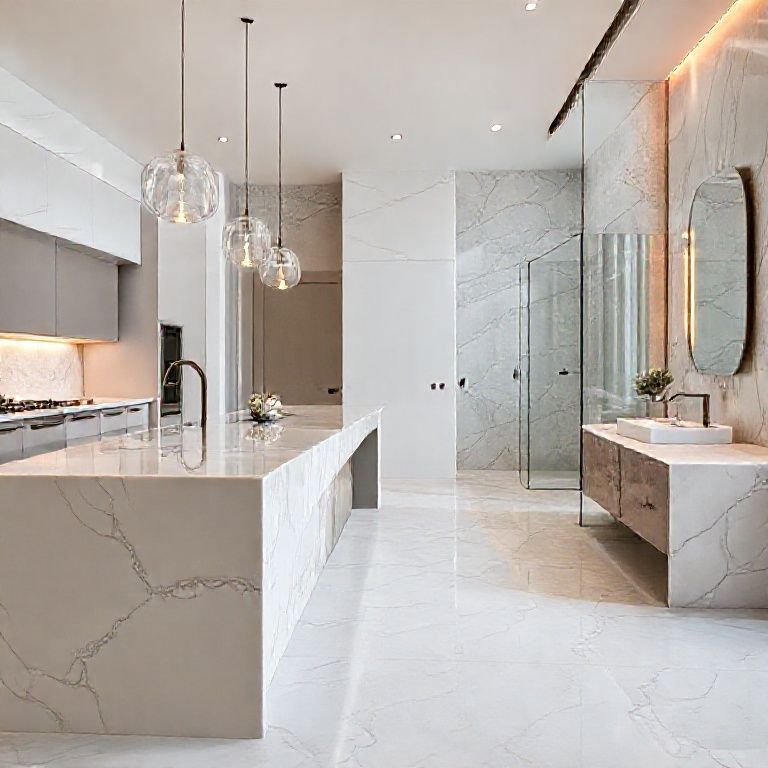
However, engineered stone’s rigidity, while a strength in many respects, can also be a limitation. Its hardness makes it more prone to chipping or cracking under sharp, focused impact compared to the slight flex of solid surface. While it can be repaired, the process is often more involved than for solid surface, sometimes requiring professional intervention. The seams in engineered stone countertops are also more noticeable than in solid surface due to its inherent rigidity and the manufacturing process. While skilled fabricators can minimize them, they will always be present. Finally, while the cost of engineered stone has become more competitive, it can still be a significant investment, and certain intricate patterns or premium brands can rival or even surpass the price of high-quality solid surface.
Having dissected the individual strengths and weaknesses of solid surface and engineered stone, the crucial question remains: which one deserves pride of place in your home? The answer, as is often the case in design, is not a simple one-size-fits-all decree, but rather a nuanced exploration of your specific needs, lifestyle, and aesthetic aspirations. It’s about finding the perfect duet between material and purpose.
Let’s consider the practicalities. For the culinary adventurer, the one who wields knives with gusto and embraces the occasional spill as a badge of honor, engineered stone often emerges as the frontrunner. Its formidable resistance to scratches, heat, and stains means it can withstand the rigors of a high-traffic kitchen with admirable fortitude. If your kitchen is the heart of your home, a place where entertaining is frequent and culinary experiments are the norm, engineered stone offers a sense of security. You can chop, dice, and sauté with a degree of freedom, knowing your countertop can handle the intensity. The consistent, predictable patterns also lend themselves beautifully to modern, minimalist kitchens where clean lines and a streamlined aesthetic are paramount. Imagine a stark white quartz countertop against dark cabinetry – it’s a statement of sophisticated simplicity.
On the other hand, if your design vision leans towards the avant-garde, if you dream of a seamless, flowing aesthetic that blurs the lines between countertop, sink, and backsplash, then solid surface beckons. The ability to create integrated sinks, where the countertop material flows uninterrupted into the basin, is a major draw for those seeking a truly bespoke and hygienic solution. This eliminates the grout lines and crevices where dirt and grime can accumulate, offering a level of cleanliness that is simply unparalleled. For bathrooms, where elegance and a spa-like tranquility are often desired, the soft, warm touch of solid surface and its ability to be molded into elegant curves can be incredibly appealing. Furthermore, if you appreciate the possibility of minor repairs, the sandability of solid surface offers a long-term benefit, allowing you to refresh and rejuvenate your countertops over time.
Now, let’s talk aesthetics. The world of engineered stone offers an astonishing breadth of design. If you are captivated by the luxurious veining of marble but wary of its porosity and maintenance, then a high-quality quartz that meticulously mimics Calacatta or Carrara marble can be a superb compromise. The ability to achieve such realistic natural stone looks with superior performance is a testament to modern engineering. For those who prefer a more uniform and understated look, solid whites, grays, and blacks are readily available, offering a clean and contemporary foundation for any design. The consistency ensures that what you see in the showroom is precisely what you will get in your home.
Solid surface, while perhaps not offering the same level of hyper-realistic natural stone imitation, excels in its own unique aesthetic domain. Its strength lies in its inherent versatility and the unexpected forms it can take. The ability to achieve vibrant, saturated colors that are not found in nature opens up a world of bold design choices. Imagine a vibrant teal solid surface countertop in a playful kitchen or a dramatic, opaque black that seems to absorb light. The option for backlit surfaces also adds a layer of sophistication and drama, transforming a functional surface into a luminous focal point. This makes solid surface a compelling choice for those who want their countertops to be a statement piece, a work of art in their own right.
Considering the investment, both materials represent a significant financial commitment. Engineered stone, particularly popular designs, can range from moderately expensive to quite high-end. Its durability, however, often translates into a long-term investment that pays dividends in terms of longevity and low maintenance. Solid surface pricing can be more variable, with simpler designs being more affordable and complex, custom-molded installations reaching higher price points. While its reparability can save money in the long run, the initial cost can be comparable to or even exceed that of many engineered stone options. Therefore, careful budgeting and obtaining multiple quotes are essential steps in this decision-making process.
Ultimately, the choice between solid surface and engineered stone is a personal one, a reflection of your priorities. If unwavering durability, resistance to extreme wear and tear, and the ability to achieve hyper-realistic natural stone looks are paramount, engineered stone might be your champion. If seamless design, integrated elements, a warmer tactile feel, and the possibility of future repairs are more aligned with your vision, solid surface presents a compelling argument.
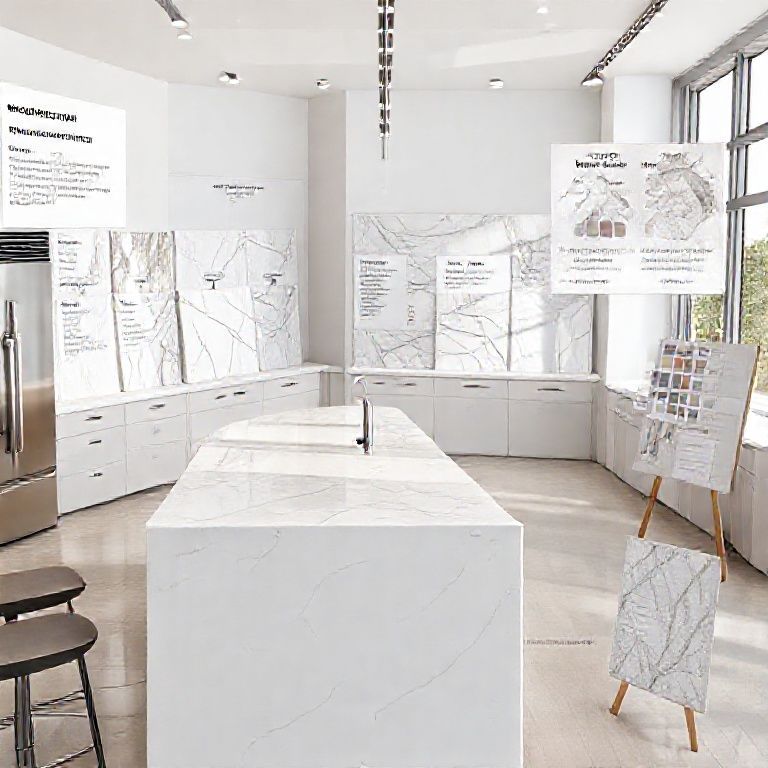
Before you make your final decision, I strongly encourage you to visit showrooms and see these materials in person. Touch them, feel their texture, and observe their color and pattern under different lighting conditions. Request samples and bring them home to see how they look in your space, against your cabinetry and flooring. Talk to fabricators and installers about their experiences with each material – their insights can be invaluable. This thoughtful consideration, this deep dive into the materials that will form the backdrop of your daily life, will ensure that your countertop choice is not just a decision, but a lasting source of satisfaction and pride. Whether you choose the robust resilience of engineered stone or the fluid artistry of solid surface, the result will be a kitchen or bathroom that is both beautiful and functionally superior, a testament to your discerning taste and a space you’ll cherish for years to come.









