
The quest for the perfect countertop is a journey many homeowners embark on with a mixture of excitement and trepidation. It’s a significant investment, a focal point of daily life, and a decision that can elevate or detract from the overall ambiance of your home. Among the myriad of choices, two materials consistently surface in discussions for their unique blend of form and function: Corian solid surface and porcelain. But when faced with the irresistible allure of both, the question naturally arises: which is the superior choice for your home? Let’s dive deep into the world of these contemporary titans, dissecting their strengths, weaknesses, and ultimately, helping you discern which material will best harmonize with your lifestyle and aesthetic aspirations.

Corian, a brand name that has become almost synonymous with solid surface countertops, burst onto the scene with a promise of seamless beauty and unparalleled versatility. Developed by DuPont, this non-porous composite material is composed of acrylic polymer and alumina trihydrate (ATH), derived from bauxite ore. What immediately sets Corian apart is its monolithic nature. Unlike natural stone or even some engineered materials, Corian is manufactured in large sheets, allowing for seamless fabrication and installation. This means no unsightly grout lines in your kitchen or bathroom, a significant boon for hygiene and ease of cleaning. Imagine a sprawling kitchen island, a continuous waterfall edge, or integrated sinks that blend flawlessly into the countertop – Corian makes these design dreams a tangible reality. The seamlessness extends to its repairability. Minor scratches or chips can often be buffed out or repaired by a professional, breathing new life into your surfaces without the need for a complete replacement. This resilience and the ability to maintain a pristine appearance over time are significant draws for busy households.
Aesthetically, Corian offers a vast palette of colors and patterns, ranging from solid, vibrant hues that make a contemporary statement to subtle, marbled designs that mimic the elegance of natural stone. This extensive range provides a designer’s playground, allowing for a high degree of customization to match any interior design scheme. Whether you’re aiming for a minimalist chic, a bold artistic statement, or a classic, understated look, there’s likely a Corian color to fit the bill. Furthermore, Corian’s inherent warmth to the touch, compared to the often chilly sensation of stone, adds a layer of comfort to everyday use. It’s a material that feels approachable, a gentle addition to the heart of the home.
However, like any material, Corian has its considerations. While it’s scratch-resistant, it’s not scratch-proof. Vigorous chopping directly on the surface or dragging heavy pots and pans can lead to marks that, while often repairable, do require attention. Similarly, while Corian boasts good heat resistance, prolonged exposure to extreme heat, such as placing a hot pan directly from the stove, can cause scorching or discoloration. Using trivets and cutting boards is a wise practice to preserve its immaculate finish. Its price point also places it in the mid-to-high range of countertop materials, reflecting its innovative composition and fabrication possibilities. For those seeking the absolute hardest, most heat-proof surface available, Corian might not be the ultimate champion, but for a harmonious blend of seamless design, customizability, and practical maintenance, it remains a formidable contender.
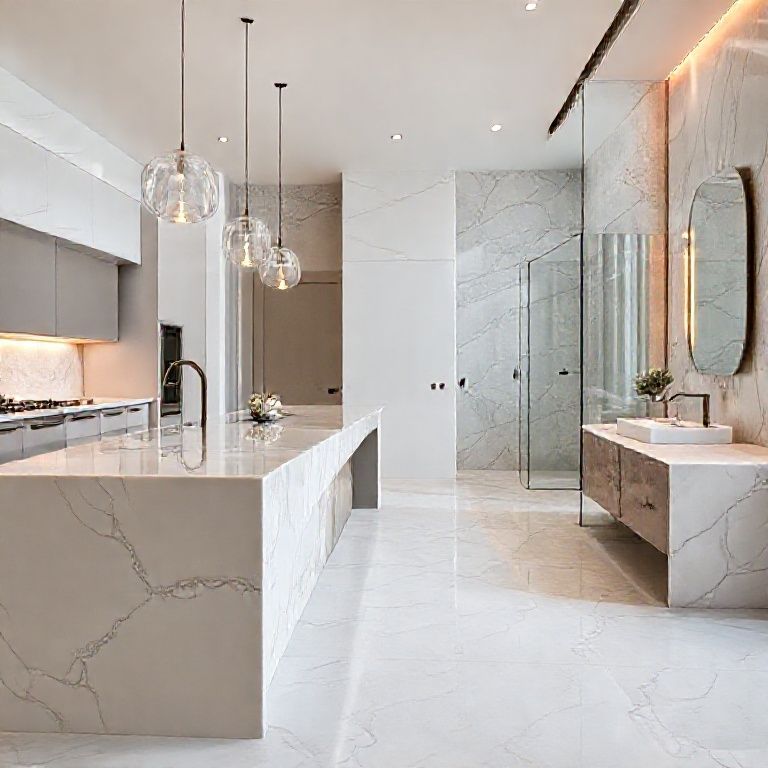
Now, let’s turn our attention to porcelain, a material that has steadily climbed the ranks of countertop popularity, celebrated for its exceptional durability and sophisticated aesthetic. Far from the delicate dinnerware of yesteryear, modern porcelain slabs are engineered for the rigors of kitchen and bathroom use. Porcelain itself is a ceramic material made from a fine-grained clay mixture, fired at extremely high temperatures. This intense firing process results in a material that is incredibly dense, hard, and non-porous. The term “non-porous” is key here. Unlike natural stones like granite or marble, which often require regular sealing to prevent staining, porcelain is inherently resistant to liquids, stains, and bacteria. This makes it an exceptionally hygienic choice, particularly for food preparation areas and bathrooms where moisture is a constant.
The manufacturing process for porcelain slabs involves pressing the raw materials into slabs and then firing them in kilns at temperatures exceeding 1,200 degrees Celsius. This creates a material that is not only incredibly hard but also exceptionally resistant to heat. You can place hot pots and pans directly onto a porcelain countertop without the fear of scorching or damage, a significant advantage for avid cooks. Its resistance to scratching and chipping is also remarkable, making it one of the most robust countertop materials available. If you’re someone who tends to be a bit heavy-handed or prefers a low-maintenance surface that can withstand the daily hustle and bustle without showing wear and tear, porcelain presents a compelling argument.
Aesthetically, porcelain has undergone a dramatic transformation, moving beyond simple, uniform colors to sophisticated designs that mimic natural stone with astonishing realism. Manufacturers employ advanced digital printing technologies to replicate the intricate veining of marble, the rich patterns of granite, and even the textured look of concrete or wood. This allows homeowners to achieve the luxurious appearance of natural stone without the associated maintenance challenges or the often higher price tag of premium natural materials. The versatility in design means you can find a porcelain slab that perfectly complements your kitchen’s cabinetry, flooring, and overall style, from a sleek, modern look to a more rustic, organic feel. The large format slabs also minimize the need for seams, offering a clean, continuous appearance, though achieving truly seamless integration like Corian can be more challenging due to the material’s inherent brittleness during fabrication.
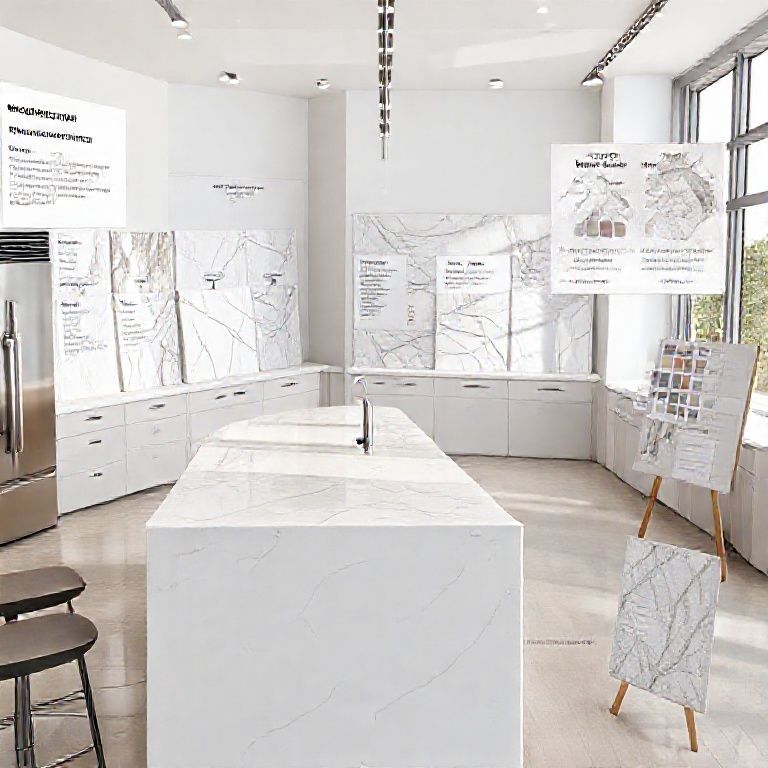
However, porcelain is not without its own set of caveats. While incredibly hard, this hardness also means it can be brittle. A sharp, heavy object dropped directly onto an edge or corner could potentially chip or crack the material. This makes edge detail and installation crucial. While resistant to scratches, very aggressive scraping with extremely hard materials could, in rare instances, leave a mark. Another point to consider is the cost. High-quality porcelain slabs, especially those with intricate designs and from reputable manufacturers, can be a significant investment, often comparable to or even exceeding the cost of some natural stones. Furthermore, due to its density and hardness, cutting and fabrication of porcelain require specialized tools and expertise, which can sometimes translate to higher installation costs. The grout lines, while less prominent with large format slabs, are still a factor to consider, especially in areas prone to staining. While the porcelain itself is stain-proof, the grout between slabs can absorb spills if not properly sealed and maintained.
Continuing our exploration into the realm of countertop materials, we’ve established the foundational strengths of both Corian solid surface and porcelain. Now, let’s delve deeper into the practicalities of living with these materials, examining their performance in the real-world scenarios of a busy kitchen and a tranquil bathroom, and finally, how to make the ultimate decision for your home.
The kitchen, often hailed as the heart of the home, is where countertops face their toughest tests. Imagine the daily barrage: slicing vegetables, rolling out dough, placing hot pots, spills of wine or coffee. How do Corian and porcelain fare under this culinary onslaught? Corian’s non-porous nature is a significant advantage here. It actively resists stains from common kitchen culprits like tomato sauce, red wine, and coffee. Its seamless construction means there are no crevices for bacteria to hide, making it a hygienic choice for food preparation. The integrated sink option is a game-changer for many, eliminating the dreaded crumb-catching gap between the countertop and the sink basin. However, as we touched upon, its susceptibility to scratches and heat marks requires a conscious effort to use cutting boards and trivets. While repairs are possible, the need for them can be a detractor for those who envision a completely maintenance-free surface. The warm, tactile feel of Corian also makes it a more comfortable surface to lean against while working or for children to sit at the island.
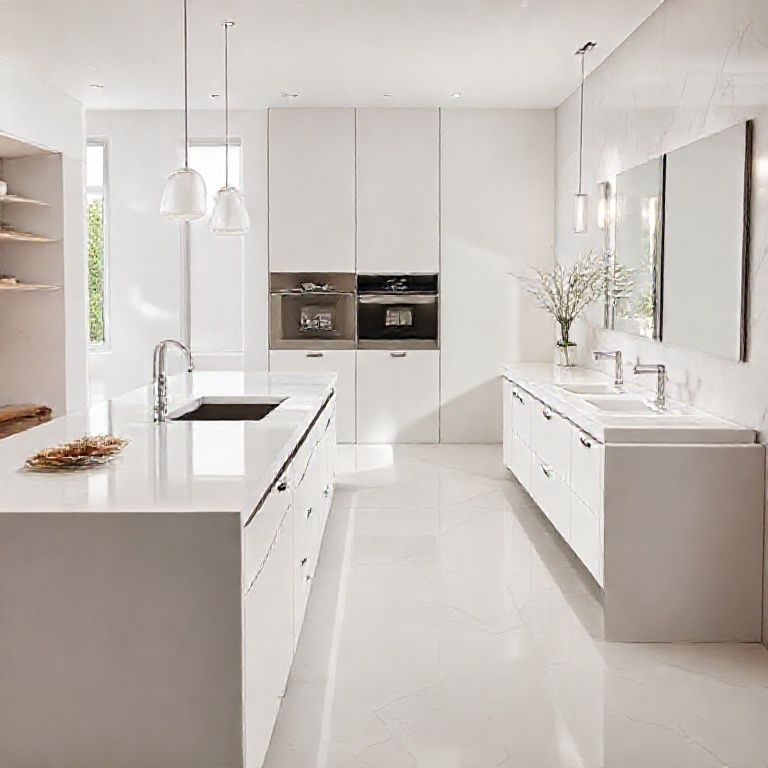
Porcelain, on the other hand, truly shines in its robustness. Its extreme hardness and density mean it stands up exceptionally well to scratches, cuts, and everyday wear and tear. The ability to place hot pans directly onto the surface without worry is a freedom that many cooks cherish. Its impermeability to liquids makes it virtually stain-proof, so that spilled glass of red wine is less of a disaster and more of a fleeting inconvenience. This makes it an exceptionally low-maintenance option, appealing to those who want their countertops to look pristine with minimal effort. However, its hardness can also be its Achilles’ heel. A dropped heavy pot or a sharp, angled impact directly on an edge could lead to a chip or crack, requiring a more involved repair than a simple buffing of a Corian surface. The aesthetic of a seamless look, while achievable with large slabs, is still typically punctuated by grout lines, which, despite advancements in grout technology, can still be a potential area for staining or harboring grime if not meticulously maintained.
Moving into the bathroom, the demands shift slightly, with moisture resistance and ease of cleaning taking center stage. Both Corian and porcelain excel in this environment. Corian’s non-porosity makes it highly resistant to water damage and the growth of mold and mildew, making it an excellent choice for vanity tops and integrated sinks. The seamless design further enhances its hygiene, as there are no places for soap scum or water to accumulate. Its soft, warm feel also adds a touch of luxury to a personal sanctuary. Porcelain also demonstrates superior performance in the bathroom. Its impermeability to water means it won’t be damaged by splashes from the sink or shower. It’s incredibly easy to wipe clean, resisting toothpaste smudges, makeup stains, and hairspray residue with ease. For those who appreciate a sleek, modern aesthetic, porcelain can offer the look of marble or other luxurious stones without the inherent porosity and maintenance concerns associated with those natural materials.
When it comes to making the final decision, it’s about aligning the material’s characteristics with your lifestyle, budget, and design vision. Consider the primary use of the space. If your kitchen is a high-traffic culinary hub where durability and heat resistance are paramount, and you don’t mind using protective measures, porcelain’s robust nature might be more appealing. If you prioritize a seamless aesthetic, integrated sinks, a warmer feel, and the ability to repair minor imperfections, Corian could be your ideal choice.
Think about your tolerance for maintenance. Are you someone who diligently uses trivets and cutting boards, or do you prefer a surface that can handle almost anything without flinching? Corian requires a bit more conscious care to maintain its pristine appearance, while porcelain offers a more “set it and forget it” approach in terms of everyday resilience.
Your aesthetic preferences are, of course, crucial. While both materials offer a wide range of colors and patterns, the subtle nuances can make a difference. Corian often offers more vibrant and unique solid colors, while porcelain excels at replicating the intricate beauty of natural stones with remarkable fidelity. The way light interacts with each material can also vary; Corian can have a matte or slightly glossy finish, while porcelain can mimic the depth and luminescence of natural stone.
Finally, consider the budget. While both are premium materials, pricing can fluctuate based on the specific brand, color, complexity of fabrication, and installation. It’s advisable to get detailed quotes for both options, factoring in any necessary accessories like integrated sinks. A lower upfront cost for one material might be offset by its longevity or repairability over time, so it’s worth looking at the total cost of ownership.
In essence, the choice between Corian solid surface and porcelain is not about declaring one definitively “better” than the other. It’s about understanding their distinct personalities and identifying which one resonates most with your unique needs and desires. Corian offers a world of seamless design and tactile comfort, perfect for those who value integrated aesthetics and a repairable surface. Porcelain presents an unyielding strength and a mastery of realistic imitation, ideal for the practically minded homeowner who demands exceptional durability and low maintenance. By carefully weighing these attributes against your own lifestyle and design aspirations, you can confidently select the countertop material that will not only serve your needs but also bring you joy for years to come.









