
The heart of any home often beats strongest in the kitchen. It’s a space for culinary adventures, shared laughter, and the comforting aroma of home-cooked meals. And at the epicenter of this vibrant hub lies the countertop – a silent workhorse that bears witness to our daily lives. When it comes to selecting this crucial element, two materials often emerge in the spotlight, each with its own legion of devoted fans: Corian solid surface and porcelain. The question that echoes in renovation showrooms and design blogs alike is: “可丽耐人造石和陶瓷哪个好些呢?” (Which is better, Corian solid surface or porcelain?). This isn’t just a superficial aesthetic choice; it’s a decision that impacts durability, maintenance, and the overall feel of your culinary sanctuary.

Let’s begin our exploration with Corian solid surface, a name that has become almost synonymous with modern kitchen design. Developed by DuPont, Corian is a composite material, meticulously crafted from acrylic polymer and alumina trihydrate (ATH). The result is a non-porous, homogenous surface that feels warm and smooth to the touch, a stark contrast to the often cool, hard feel of natural stone. One of Corian’s most compelling advantages lies in its seamless integration. Seams, those unsightly lines that can trap dirt and bacteria, are virtually non-existent. This is achieved through a specialized adhesive that bonds Corian pieces together, creating a continuous, unbroken surface. Imagine a sprawling island with an integrated sink, all flowing as one elegant piece – that’s the magic of Corian. This seamlessness not only enhances the visual appeal but also elevates hygiene standards, as there are no crevices for unwanted guests to hide.
Beyond its seamless potential, Corian boasts a remarkable degree of design flexibility. It’s available in an astonishing spectrum of colors and patterns, from subtle, earthy tones that mimic natural stone to bold, vibrant hues that make a statement. This versatility allows homeowners to truly personalize their kitchens, aligning them with their unique style and existing décor. Furthermore, Corian can be thermoformed, meaning it can be heated and molded into curved or organic shapes. This opens up a world of creative possibilities, allowing for bespoke designs that go beyond the conventional straight edges. Think waterfall edges that cascade elegantly down the sides of an island, or curved breakfast bars that invite conversation.
When it comes to practicalities, Corian holds its own. Its non-porous nature means it’s highly resistant to stains. Spills of wine, coffee, or oil are unlikely to penetrate the surface, making cleanup a breeze with just soap and water. This inherent resistance also contributes to its hygienic properties, as it doesn’t harbor bacteria or mold. For those who entertain frequently or have young children, this stain resistance and ease of cleaning are invaluable. Moreover, Corian is relatively durable. While not impervious to scratches, minor abrasions can often be buffed out or repaired by a professional, restoring the surface to its original glory. This repairability is a significant advantage, offering a longer lifespan and preserving the aesthetic integrity of your countertops over time.
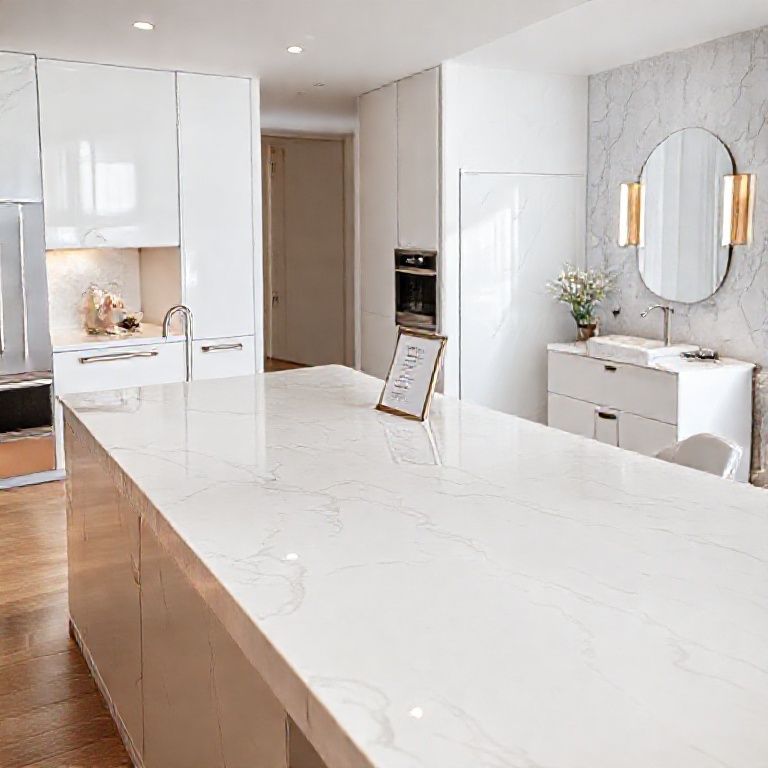
However, no material is without its trade-offs. While Corian is resistant to stains, it can be susceptible to heat damage. Placing hot pots and pans directly on the surface without a trivet is a definite no-no, as it can lead to scorching or discoloration. This necessitates a mindful approach to cooking and an adherence to using protective barriers. Similarly, while durable, it’s not indestructible. Sharp objects can cause scratches, and heavy impacts could potentially lead to chips or cracks, particularly at edges or corners. These instances, while repairable, do require attention and can be an added consideration for homeowners who prioritize an utterly indestructible surface.
The aesthetic of Corian is often described as modern, sophisticated, and smooth. It offers a clean, uncluttered look that can complement a variety of kitchen styles, from minimalist to contemporary. Its matte or semi-gloss finish provides a refined elegance that doesn’t shout for attention but rather whispers of quality and thoughtful design. For those seeking a countertop that offers a seamless look, exceptional hygiene, and a canvas for creative expression, Corian solid surface presents a compelling and highly attractive option. It’s a material that blends form and function with an artful precision, promising a kitchen that is as beautiful as it is practical.
As we continue our deep dive, we’ll turn our attention to porcelain, a material steeped in history and celebrated for its inherent strength and beauty. Porcelain, a type of ceramic that has been fired at extremely high temperatures, possesses a density and hardness that make it a formidable contender in the countertop arena. Its journey from ancient pottery to sophisticated architectural surface is a testament to its enduring appeal and evolving capabilities. The question of “可丽耐人造石和陶瓷哪个好些呢?” now leads us to dissect the unique attributes of this remarkable material, preparing us for a comprehensive comparison that will illuminate the path to your ideal kitchen.
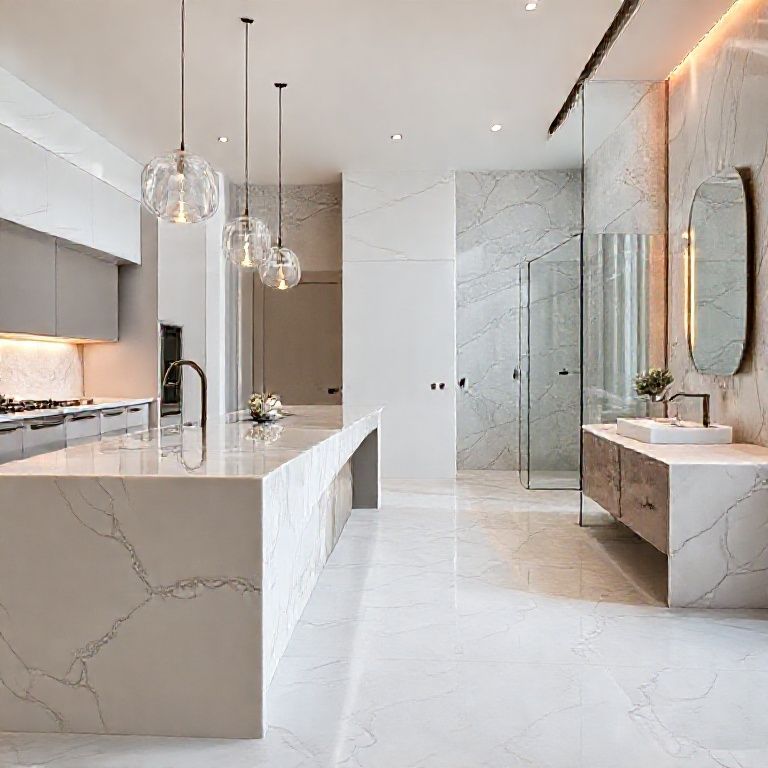
Continuing our quest to decipher the “可丽耐人造石和陶瓷哪个好些呢?” (Which is better, Corian solid surface or porcelain?) puzzle, we now shift our focus to the formidable contender: porcelain. This ancient material, renowned for its exquisite beauty and robust nature, has undergone a remarkable evolution, transforming from delicate tableware into a powerhouse for modern kitchen surfaces. Porcelain countertops are crafted from natural clay and other minerals, fired at exceptionally high temperatures. This intense process results in a material that is incredibly dense, hard, and virtually impervious to a multitude of daily challenges.
One of porcelain’s most significant strengths lies in its unparalleled durability and resilience. Its extreme hardness makes it highly resistant to scratches, chips, and cracks. This is a material that can withstand the rigors of a busy kitchen with remarkable fortitude. Imagine chopping vegetables directly on the surface (though a cutting board is always recommended for blade longevity!) or sliding heavy pots and pans – porcelain can often take it in stride. This inherent toughness translates to a countertop that is built to last, offering a sense of permanence and reliability that many homeowners deeply value.
Beyond its brawn, porcelain boasts an impressive resistance to heat. Unlike some materials that require constant vigilance with trivets and hot pads, many porcelain countertops can tolerate direct contact with hot cookware. This offers a significant degree of freedom and convenience in the kitchen, allowing for a more fluid and less inhibited cooking experience. While it’s always wise to exercise caution with extreme temperature fluctuations, porcelain’s inherent heat resistance is a game-changer for those who prioritize functionality and a no-fuss approach.
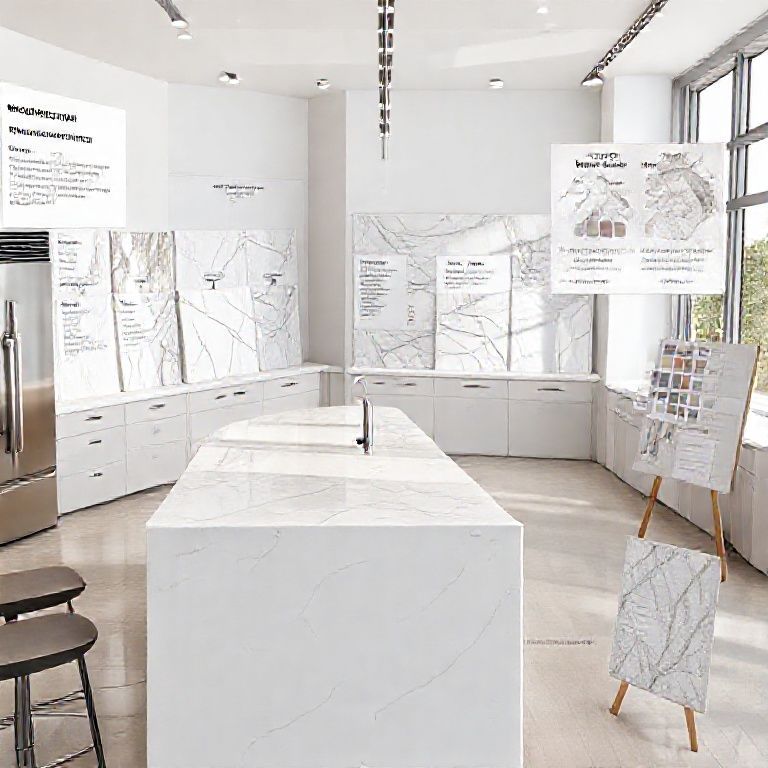
Furthermore, porcelain is entirely non-porous. This is a critical distinction that sets it apart from many other materials, including some natural stones that require regular sealing. Its dense, impermeable surface means that it will not absorb liquids, making it exceptionally resistant to stains. Spills from red wine, coffee, or tomato sauce are unlikely to penetrate, leaving no lasting marks. This also contributes to its superior hygienic properties, as there are no tiny pores for bacteria, mold, or mildew to take root. For kitchens where hygiene is paramount, particularly those with young children or individuals with compromised immune systems, porcelain offers a reassuringly clean and sanitary surface.
The aesthetic appeal of porcelain is another compelling factor. It has the remarkable ability to mimic the look of natural stone, such as marble or granite, with astonishing realism. Modern printing techniques allow for intricate veining, subtle textures, and a depth of color that can rival the genuine article. This means you can achieve the sophisticated elegance of natural stone without the associated maintenance or cost. Porcelain is also available in a vast array of finishes, from matte to high-gloss, and can be produced in large slabs, minimizing the need for visible seams, especially in certain formats like large-format tiles or sintered stone products. This ability to replicate sought-after natural aesthetics while offering superior performance is a significant draw.
However, even porcelain has its considerations. While incredibly hard, this very hardness can make it more susceptible to chipping or cracking if subjected to a sharp, heavy impact, particularly on edges or corners. Dropping a heavy cast-iron skillet directly onto an edge, for instance, could potentially cause damage. While such damage can often be repaired, it’s a point to consider for those who envision a completely indestructible surface. Also, the installation of porcelain countertops can be more complex and often requires specialized tools and expertise due to its density and hardness. This can sometimes translate to higher installation costs compared to other materials.
When it comes to maintenance, porcelain is blessedly low. Its non-porous nature means it doesn’t require sealing, and its stain and heat resistance simplify cleaning. A simple wipe-down with a damp cloth and mild detergent is usually all that’s needed to keep it looking pristine. This minimal upkeep makes it an ideal choice for busy households or individuals who prefer to spend less time cleaning and more time enjoying their kitchen.
So, to circle back to the crucial question: “可丽耐人造石和陶瓷哪个好些呢?” The answer, as is often the case with design choices, is nuanced and deeply personal. Corian offers a unique blend of seamless design, repairability, and a warm, tactile feel, making it a fantastic option for those who value integrated sinks, customizable shapes, and a modern aesthetic. Porcelain, on the other hand, champions unparalleled durability, extreme heat and stain resistance, and the ability to replicate the beauty of natural stone with impressive fidelity, making it a robust and elegant choice for the demanding environment of a kitchen.
Ultimately, the “better” material is the one that best aligns with your lifestyle, aesthetic preferences, and practical needs. Consider your cooking habits, your tolerance for maintenance, the overall design vision for your kitchen, and your budget. Both Corian solid surface and porcelain are exceptional materials that can transform your kitchen into a beautiful, functional, and enduring space. The journey of selecting the perfect countertop is an exciting one, and by understanding the distinct strengths and characteristics of each, you are well on your way to creating a kitchen that is not only a culinary hub but also a true reflection of your personal style and aspirations.









