
Imagine stepping into a home that whispers elegance and speaks of thoughtful design. The countertops, often the unsung heroes of a kitchen or bathroom, play a pivotal role in this narrative. They are the canvas where culinary creations come to life, the stage for morning rituals, and a silent testament to your personal style. But when it comes to choosing that perfect surface, the options can feel overwhelming. Today, we’re turning our attention to two popular contenders that often find themselves in the spotlight: acrylic and solid surface. While they might seem like distant cousins in the world of composite materials, their differences are more profound than you might initially think, influencing everything from their aesthetic appeal and durability to their maintenance needs and, of course, their impact on your budget.

Let’s begin our exploration with acrylic. Often lauded for its versatility and seamless appearance, acrylic, also known by brand names like Corian (though Corian is technically a solid surface, the term has become somewhat generalized), is a type of polymer resin. Its primary allure lies in its ability to be molded into virtually any shape and size, allowing for incredible design flexibility. Think of those stunning, integrated sinks that flow effortlessly from the countertop, or intricate curved edges that defy the limitations of traditional materials. This inherent malleability also means that seams, those often-unwelcome lines that can trap dirt and detract from a clean look, can be virtually eliminated. When installed by skilled professionals, acrylic surfaces can appear as if they were carved from a single, magnificent block, offering a truly monolithic and sophisticated aesthetic.
The visual appeal of acrylic is another strong suit. It’s available in an astonishing array of colors and patterns, from subtle, marble-like veining to bold, vibrant hues that can serve as a striking focal point in your design. This wide spectrum of choices means that whether you’re aiming for a minimalist, modern vibe or a more eclectic, statement-making space, acrylic can adapt to your vision. Furthermore, its non-porous nature is a significant advantage, particularly in high-moisture areas like kitchens and bathrooms. This means it’s highly resistant to staining from common culprits like coffee, wine, or tomato sauce. Spills are less likely to seep into the material, making cleanup a breeze and contributing to a more hygienic environment. This resistance to moisture also means that acrylic is less prone to developing mold or mildew, a welcome benefit for any homeowner.
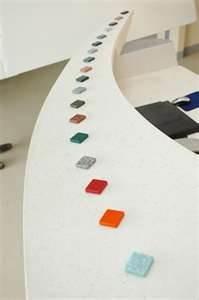
However, no material is without its trade-offs, and acrylic is no exception. While its non-porous quality makes it resistant to stains, it can also make it more susceptible to scratches and heat damage. Think about sliding a hot pan directly from the stove onto an acrylic surface – this is generally a recipe for disaster, potentially causing discoloration or even melting. While minor scratches can often be buffed out or repaired, deeper gouges can be more challenging to rectify and might require professional intervention. This means that a bit of extra care and attention is needed in the kitchen, with the diligent use of trivets and cutting boards becoming essential companions to your acrylic countertops.
Another consideration is the “feel” of acrylic. While it offers a smooth and pleasant surface, it can sometimes lack the inherent heft and luxurious solidity that some homeowners associate with natural stone or even some higher-end composite materials. This is a subjective point, of course, and depends on individual preferences. In terms of cost, acrylic can fall into a mid-range category. While it’s generally more affordable than natural granite or quartz, it can sometimes be comparable to or even exceed the price of other solid surface options, depending on the specific brand, color, and complexity of the installation. The specialized nature of acrylic fabrication also means that installation costs can be a significant factor.
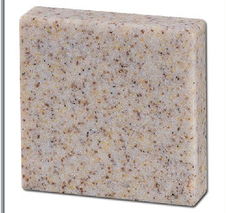
When it comes to maintenance, acrylic’s ease of cleaning is a major draw. A simple wipe-down with a damp cloth and mild soap is usually all that’s needed to keep it looking pristine. Its seamless nature means no grout lines to scrub or crevices to harbor grime. However, as mentioned, vigilance against heat and sharp objects is paramount. Resurfacing or refinishing is possible for significant damage, but it’s an additional expense and requires specialized skills. The longevity of acrylic is generally good, with many homeowners enjoying their acrylic surfaces for decades with proper care, but it might not possess the same heirloom quality or extreme resilience that some premium materials offer.
Now, let’s pivot to the realm of solid surface. This is a category that often causes confusion, as the term “solid surface” can encompass a range of materials, including acrylic-based composites. However, in common usage and for the purpose of this comparison, we’ll focus on the more traditional understanding of solid surface materials that often incorporate mineral fillers alongside resins. These materials are engineered to mimic the look and feel of natural stone while offering enhanced performance characteristics.
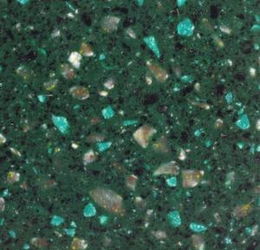
One of the most celebrated attributes of solid surface countertops is their remarkable durability. They are engineered to withstand the rigors of daily life, offering a robust resistance to impact and chipping. This makes them an excellent choice for busy households where durability is a top priority. Like acrylic, solid surface materials are also non-porous. This shared characteristic translates to excellent stain resistance and ease of cleaning, making them equally adept at handling spills in the kitchen or bathroom. The non-porous nature also means they are hygienic and less likely to harbor bacteria.
The aesthetic possibilities with solid surface are also quite extensive, though perhaps not as unbound as with pure acrylic. You’ll find a wide selection of colors, patterns, and finishes that can replicate the look of granite, marble, quartz, and even concrete. The ability to achieve these sophisticated looks without the inherent maintenance challenges of natural stone is a significant draw for many homeowners. Furthermore, solid surface materials can also be fabricated with integrated sinks and seamless seams, offering a similar clean and modern appearance to acrylic. The manufacturing process for solid surface often involves pressing and heating a mixture of mineral fillers (like bauxite) and acrylic or polyester resins. This process results in a dense, homogenous material.
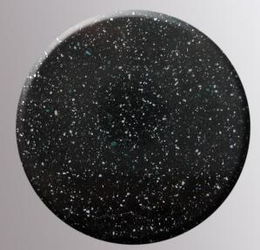
However, where solid surface truly distinguishes itself is in its superior heat resistance compared to pure acrylic. While you still wouldn’t want to place scorching hot pots directly onto the surface without protection, solid surface generally handles moderate heat much better than acrylic. This offers a greater degree of peace of mind in the kitchen, reducing the constant worry of accidental heat exposure. This enhanced thermal stability is a key differentiator that makes solid surface a more forgiving option for many users.
In terms of scratch resistance, solid surface materials tend to perform better than acrylic as well. While not entirely immune to scratches, they are generally more resilient and less prone to showing minor surface abrasions. Deeper scratches can often be repaired through sanding and refinishing, a process that can restore the countertop to its original glory. This ability to be renewed through refinishing is a significant advantage for maintaining the long-term beauty of your surfaces.
When it comes to cost, solid surface materials can vary widely. They often sit in a mid-to-high price range, potentially being more expensive than some acrylic options but more affordable than high-end granite or quartz. The cost will depend heavily on the brand, the complexity of the design, and the installation requirements. The installation process for solid surface also requires skilled professionals to ensure a seamless and durable finish.
The feel of solid surface is often described as more substantial and dense than acrylic, closer to the feel of natural stone. This perceived solidity can contribute to a more luxurious and high-end impression. Maintenance, as with acrylic, is generally straightforward. Regular cleaning with mild soap and water is sufficient. Avoiding abrasive cleaners is recommended to preserve the finish. The repairability through sanding and refinishing is a key aspect of its long-term care.
The decision between acrylic and solid surface countertops isn’t just about aesthetics; it’s about understanding how each material aligns with your lifestyle, your design aspirations, and your practical needs. While both offer non-porous surfaces, seamless integration, and a vast palette of colors, their underlying compositions lead to distinct performance characteristics that can significantly influence your daily experience. Let’s delve deeper into these differences, exploring the nuances that might tip the scales in favor of one over the other.
Consider the environment in which your countertops will live. If your kitchen is a high-octane zone where pots and pans are frequently moved, and culinary experiments often involve hot ingredients, then the superior heat resistance of solid surface might offer a compelling advantage. While neither material is impervious to direct, prolonged heat from a stove or oven, solid surface is generally more forgiving of the occasional hot plate or brief contact with warm cookware. This translates to a bit more freedom and less anxiety when you’re in the midst of a busy cooking session. Imagine the scenario of quickly placing a pot of boiled pasta onto the counter to drain – with solid surface, you might feel a greater sense of confidence than with acrylic, where such an action, if repeated, could lead to potential discoloration or surface damage.
Scratch resistance is another crucial battleground. In a household with young children or pets, or simply one where everyday activities involve a fair amount of countertop use (think chopping vegetables directly on the surface, though not recommended for any material, or sliding appliances), the relative resilience of solid surface can be a deciding factor. While neither material is impervious to scratches, solid surface generally exhibits a higher threshold before showing visible marks. This means that minor abrasions that might become noticeable on acrylic could be less apparent on solid surface. Furthermore, the ability of solid surface to be sanded and refinished is a significant boon for long-term upkeep. Deep scratches or surface dulling can often be addressed by professional refinishing, effectively rejuvenating the countertop and extending its lifespan considerably. While acrylic can be repaired, the process might be more involved and potentially less effective for deeper damage compared to the sanding capability of solid surface.
When it comes to the tactile experience, there’s a subtle but noticeable difference. Acrylic, being a more purely polymer-based material, can sometimes feel slightly lighter or more “plasticky” to the touch, especially in comparison to the denser, mineral-filled composition of solid surface. Solid surface often imparts a feeling of greater substance and solidity, more akin to natural stone. This is a subjective preference, of course, and some might not notice or care about this distinction. However, for those who value a certain gravitas and a premium feel in their home finishes, the denser nature of solid surface might be more appealing.
The repairability aspect is a vital consideration for the longevity and continued aesthetic appeal of your countertops. Both acrylic and solid surface can be repaired, but the methods and effectiveness differ. For minor scratches or scuffs on acrylic, buffing or polishing might suffice. For deeper damage, professional refinishing or even patch repairs can be undertaken. However, the inherent composition of acrylic can sometimes make it more challenging to achieve a perfectly seamless repair for significant damage compared to solid surface. With solid surface, the ability to sand down the material and then re-polish it to match the original finish is a powerful advantage. This allows for the restoration of surfaces that have suffered more extensive wear and tear, making it a more forgiving material in the long run. It’s like having a built-in eraser for surface imperfections.
Let’s talk about environmental considerations, a growing concern for many homeowners. Both acrylic and solid surface are manufactured materials, and their production processes involve energy and resources. However, the specific environmental impact can vary depending on the manufacturer and the exact composition of the material. Some solid surface manufacturers are increasingly focusing on using recycled content and developing more sustainable production methods. It’s worth investigating the specific brands and their environmental certifications if this is a key factor in your decision. When it comes to end-of-life, both materials can often be recycled, though the infrastructure for this may vary by region.
The installation process for both materials requires skilled professionals. The ability to achieve seamless joints and integrated sinks, which is a major selling point for both, relies heavily on the expertise of the fabricator and installer. The cost of installation can be a significant portion of the overall project price, and it’s crucial to get detailed quotes that cover all aspects of the fabrication and fitting. For acrylic, the ability to thermoform it into complex shapes might involve more intricate fabrication techniques. Solid surface, with its density, requires precise cutting and joining to achieve seamless results.
Now, let’s look at the visual aspect one more time. Acrylic offers an unparalleled ability to be molded into unique and complex shapes. If you envision a truly avant-garde design with flowing curves, intricate details, or a completely custom-shaped island, acrylic’s inherent plasticity gives designers and fabricators more creative freedom. Solid surface also allows for integrated sinks and some degree of shaping, but the extreme design flexibility often leans towards acrylic. In terms of color palettes, both offer a vast range. Acrylic might have an edge in offering extremely vibrant and opaque colors due to its purely polymer base. Solid surface often excels in replicating the natural variations and patterns found in stone, offering a more nuanced and sophisticated visual depth in many of its designs.
Cost is, of course, a significant driver for many. As a general guideline, acrylic can sometimes be a more budget-friendly option, especially for simpler designs. However, highly customized acrylic installations can quickly become more expensive. Solid surface materials typically occupy a mid-to-high price bracket. They are generally more affordable than high-end granite or quartz, but can be comparable to or even exceed the cost of some acrylic options. It’s always advisable to obtain multiple quotes from reputable fabricators for both materials, factoring in the specific design complexity, color choices, and any desired features like integrated sinks.
Ultimately, the choice between acrylic and solid surface hinges on prioritizing your needs. If your heart is set on achieving complex, sculptural forms and you are diligent with heat protection and careful handling, acrylic can be a fantastic choice, offering seamless beauty and a wide range of colors. If your priority is enhanced durability, superior heat and scratch resistance for a high-traffic environment, and a material that feels more substantial underhand, then solid surface might be the more practical and robust option. Both materials can transform a space, offering a sleek, modern, and hygienic surface. The “best” choice is the one that best aligns with how you live, how you use your space, and the lasting impression you wish to create.









