
The world of interior design is often a dance between the timeless and the innovative, the tried-and-true and the cutting-edge. Nowhere is this dichotomy more beautifully expressed than in the realm of stone. For centuries, natural stone, quarried from the very heart of the earth, has been the undisputed king of surfaces, gracing everything from ancient Roman forums to the most opulent modern kitchens. Yet, in recent decades, a formidable contender has emerged: artificial stone. Engineered with precision and creativity, these man-made marvels are challenging the traditional dominance of their natural counterparts, offering a dazzling array of possibilities. So, the age-old question arises, a whisper among designers and homeowners alike: “人造石材和天然石材哪个好?” Which is better, artificial stone or natural stone?

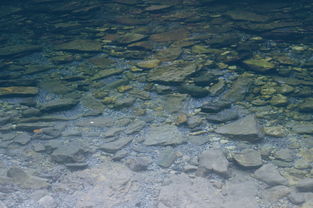
The allure of natural stone is undeniable. It speaks of geological time, of slow, deliberate formation, and of a beauty that is utterly unique. Each slab is a testament to the earth’s artistry, with veins, patterns, and subtle color variations that can never be perfectly replicated. Think of the dramatic swirls of black and white in a pristine piece of Calacatta marble, or the warm, earthy tones of a honed travertine. These are not merely surfaces; they are stories etched in rock, bringing a sense of authenticity and organic grandeur to any space. The tactile experience of natural stone is also a significant part of its appeal. The cool, smooth touch of polished granite or the slightly textured feel of slate underfoot evokes a connection to something primal and enduring.
However, this natural beauty comes with its own set of considerations. Natural stones, while stunning, can be porous and susceptible to staining and etching, particularly softer stones like marble. This means that spills from red wine, citrus juice, or oily foods can leave their mark, requiring diligent sealing and immediate clean-up. Furthermore, the inherent variations in natural stone can be both a blessing and a curse. While it ensures uniqueness, it also means that the exact color and pattern you see in a sample might not be precisely what you receive in a larger slab. This unpredictability, while part of its charm for some, can be a challenge for those seeking absolute uniformity.
Then there’s the practical side. The weight of natural stone slabs, especially granite and marble, can necessitate reinforced cabinetry and specialized installation techniques, adding to the overall cost and complexity of a project. Maintenance, too, requires a certain commitment. Regular sealing is often recommended to protect against stains and moisture, and certain cleaning agents must be avoided to prevent damage to the stone’s surface. For those who entertain frequently or have busy households with children, the ongoing care and potential for wear and tear can be a deterrent.
Enter the world of artificial stone, a realm where science meets aesthetics. These materials, often composed of natural stone fragments bound together with resins and pigments, or entirely engineered from minerals and polymers, offer a compelling alternative. The most prominent example is quartz. Engineered quartz surfaces are celebrated for their incredible durability and low maintenance. The manufacturing process allows for the creation of extremely dense, non-porous surfaces that are highly resistant to stains, scratches, and heat. Imagine a kitchen countertop that can withstand the rigmarole of daily cooking – chopping, spills, hot pans – with minimal fuss. This is the promise of engineered quartz.
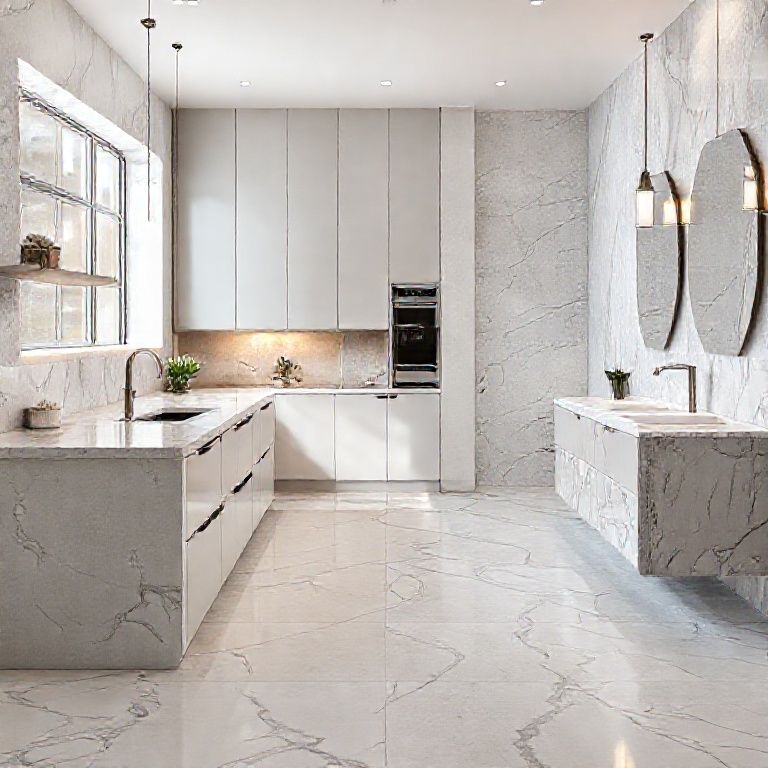
The consistency and predictability of artificial stone are major draws. Unlike natural stone, where no two slabs are alike, engineered quartz offers a remarkable uniformity in color and pattern. This makes it easier for designers and homeowners to achieve a precise look, ensuring that the material ordered will match the sample perfectly. The range of aesthetic options is also vastly expanded. While natural stone is limited by what the earth provides, artificial stone can be manufactured in an astonishing array of colors, from classic whites and grays to vibrant hues and unique textures. You can even find engineered stones that mimic the look of natural marble but with enhanced durability and less susceptibility to etching. This opens up a world of creative possibilities, allowing for a truly customized design.
The ease of maintenance is another significant advantage of artificial stone, particularly quartz. Because it is non-porous, it doesn’t require sealing and is incredibly easy to clean with mild soap and water. This makes it an ideal choice for kitchens and bathrooms where hygiene is paramount. The reduced risk of staining also means less worry and more enjoyment of your living spaces. Furthermore, the consistent density of engineered quartz makes it less prone to chipping or cracking compared to some natural stones.
However, it’s not all smooth sailing in the artificial stone world. While highly durable, engineered quartz is not indestructible. It can be susceptible to thermal shock (sudden, extreme temperature changes) which can cause discoloration or even cracking. Additionally, while many engineered stones are designed to mimic natural beauty, some might lack the depth and unique character that only a naturally formed material can possess. The resins used in some artificial stones can also be sensitive to harsh chemicals, so understanding the manufacturer’s cleaning recommendations is key.
The cost factor can also be a complex equation. While initially, some artificial stones might seem more expensive per square foot than certain types of natural stone, when you factor in the reduced installation costs (due to lighter weight and easier fabrication) and the lower long-term maintenance expenses, the overall value proposition can shift. It’s a case of looking at the complete picture, from purchase to installation to years of enjoyment. Ultimately, the “better” choice isn’t a universal decree; it’s a deeply personal decision woven from the threads of aesthetic preference, lifestyle needs, budget, and a dash of practical pragmatism.
The discussion around artificial versus natural stone is not merely an academic exercise; it’s a practical exploration that directly impacts the heart of our homes. Whether you’re dreaming of a culinary sanctuary in the kitchen or a serene retreat in the bathroom, the surfaces you choose play a pivotal role in shaping the overall ambiance, functionality, and longevity of the space. Let’s delve deeper into the unique attributes of each, weighing their strengths and weaknesses in the context of real-world application.
Consider the kitchen, the bustling hub of domestic life. Here, countertops bear the brunt of daily activity. The raw power of granite, a volcanic rock formed under immense heat and pressure, offers unparalleled durability. Its dense crystalline structure makes it highly resistant to scratches, heat, and stains, a champion of the culinary arena. A well-sealed granite countertop can withstand years of chopping, slicing, and simmering with remarkable resilience. The vast spectrum of colors and patterns available in granite, from the speckled flecks of speckled granite to the dramatic veining of blue pearl, means there’s a granite to complement virtually any kitchen design. However, even granite isn’t entirely impervious. Its natural pores, though small, can absorb liquids if not properly sealed, leading to potential staining over time. Regular resealing, typically annually or bi-annually depending on usage, is a non-negotiable aspect of granite ownership to maintain its pristine condition.
Marble, on the other hand, is the epitome of timeless elegance. Its luxurious veining, often in swirls of gray, white, and even subtle hues of green or pink, exudes sophistication and grandeur. It’s the stone that graces ancient sculptures and aristocratic homes for a reason. However, marble is a softer stone than granite, making it more susceptible to etching from acidic substances like lemon juice, vinegar, or tomato sauce. These spills can create dull spots on the polished surface that are difficult, if not impossible, to remove. Furthermore, marble is more porous than granite, meaning it stains more readily. While marble can be sealed, it requires a more delicate touch and frequent attention. For those who view their kitchen as a pristine showpiece and are meticulous about cleaning, marble can be an exquisite choice. But for a high-traffic, family-oriented kitchen, the constant vigilance required might prove overwhelming.
This is where engineered quartz truly shines in the kitchen. Its non-porous nature is a game-changer. Spills are no longer a cause for panic; a quick wipe is all that’s needed. This inherent resistance to stains makes it a favorite for busy families. The consistent, predictable patterns also allow for a seamless look, which can be particularly appealing in modern or minimalist kitchen designs. Manufacturers of engineered quartz have also become incredibly adept at mimicking the look of natural stones. You can find quartz that replicates the classic beauty of Carrara marble or the dramatic patterns of Calacatta, but without the inherent vulnerabilities of the natural material. The durability of quartz means it can handle the rigors of daily cooking, and its low maintenance aspect frees up valuable time for more enjoyable pursuits. The primary consideration with quartz is its resistance to extreme heat. While it can handle hot pans for short periods, placing a scorching hot pot directly on the surface for an extended time can cause discoloration or thermal shock. Using trivets is always a wise precaution.
Moving to the bathroom, the demands shift slightly, but the importance of surface choice remains. Here, moisture resistance and ease of cleaning take center stage. Natural stones like slate or travertine can add a wonderful earthy texture and warmth to a bathroom floor or shower enclosure. Slate, with its natural cleft surface, provides excellent slip resistance, a crucial safety feature in a wet environment. Travertine, with its characteristic pits and pores, can be filled and polished for a smoother finish or left natural for a more rustic feel. However, like their kitchen counterparts, these natural stones will require sealing to prevent water absorption and staining from common bathroom products like soaps and shampoos.
For a truly low-maintenance and highly water-resistant option in the bathroom, engineered quartz is again a strong contender. Its impermeability makes it an excellent choice for vanity tops and shower walls, effectively preventing mold and mildew growth. The ease of cleaning also means that soap scum and water spots can be wiped away with minimal effort, keeping the bathroom looking fresh and hygienic. The vast array of colors and patterns in engineered quartz allows for a personalized touch, whether you’re aiming for a spa-like serenity with soft whites and grays or a bolder statement with deep jewel tones.
The aesthetic considerations are, of course, paramount. Natural stone offers an unparalleled depth and organic beauty that many find irreplaceable. The subtle variations, the unique veins, the sheer geological history embedded within each piece – these are qualities that artificial stone, despite its advancements, cannot perfectly replicate. There’s a certain gravitas, a sense of permanence and natural artistry, that comes with a slab of true marble or granite. For some, this authenticity is non-negotiable, the ultimate expression of refined taste.
However, the creative palette offered by artificial stone is undeniably compelling. The ability to achieve specific colors, consistent patterns, and even metallic or concrete-like finishes opens up a world of design possibilities that natural stone simply cannot match. If you envision a bright, bold kitchen island or a sleek, minimalist bathroom, artificial stone can often deliver precisely that vision with greater predictability and potentially less compromise. The consistency also means that if you’re renovating or extending a space years later, you’re far more likely to find an exact match for your existing artificial stone than for a natural stone from a particular quarry.
Ultimately, the question of “人造石材和天然石材哪个好?” is less about finding a definitive victor and more about understanding your own priorities. If your heart yearns for the inimitable, organic beauty of nature and you’re prepared for the associated maintenance, natural stone will undoubtedly capture your imagination. If practicality, low maintenance, consistency, and a wider range of color and pattern options are at the forefront of your decision-making, then artificial stone, particularly engineered quartz, presents a compelling and often superior solution. It’s a conversation between the timeless allure of the earth’s creations and the ingenious possibilities of human innovation, a choice that will undoubtedly shape the character and functionality of your home for years to come.









