
The quest for the perfect bathroom often hinges on the details, and few details are as impactful as the washbasin countertop. It’s the stage upon which your daily rituals unfold – from the morning rush to the evening wind-down. For years, ceramic has held a venerable position, a testament to its enduring appeal and proven performance. But in recent times, a new challenger has emerged, capturing the attention of designers and homeowners alike: sintered stone, often referred to by its trademarked name, Dekton, or simply as porcelain slabs. The question on many minds is: which is truly the superior choice for a washbasin countertop, ceramic or sintered stone? Let’s embark on a journey to unravel the nuances of each material, arming you with the knowledge to select the perfect foundation for your basin.

Ceramic, a material steeped in history and tradition, boasts a lineage that stretches back millennia. Its inherent beauty lies in its versatility. From the humble utilitarian sink to the ornate, hand-painted creations, ceramic has adapted and evolved, proving its timeless relevance. When we speak of ceramic countertops for washbasins, we’re often referring to glazed ceramic, a material that has been fired at high temperatures to create a durable, non-porous surface. The glaze offers a protective layer, shielding the ceramic body from stains and moisture. This is a significant advantage in a bathroom environment where water is an ever-present element. Spills are inevitable, and the inherent resistance of glazed ceramic to water ingress means that it’s less prone to damage from prolonged exposure. Furthermore, ceramic is renowned for its ease of maintenance. A simple wipe with a damp cloth and a mild detergent is usually all that’s required to keep it looking pristine. This low-maintenance aspect is a significant draw for busy households, where time is a precious commodity.
Beyond its practical advantages, ceramic offers a spectrum of aesthetic possibilities. The glaze can be formulated to mimic the appearance of natural stone, wood, or even concrete, providing a designer with a vast palette to work with. This adaptability allows ceramic to seamlessly integrate into a wide range of interior design styles, from traditional and rustic to contemporary and minimalist. The sheer variety of colors, patterns, and finishes available means that you can find a ceramic countertop to perfectly match your vision for your bathroom sanctuary. Think of the cool, clean lines of a minimalist bathroom, where a sleek, white ceramic countertop provides a perfect canvas for a modern vessel sink. Or perhaps a more traditional setting, where a ceramic countertop with a subtle veining pattern evokes the elegance of marble without the associated maintenance burdens. The tactile experience of ceramic is also noteworthy. It often possesses a smooth, cool-to-the-touch surface that adds a sense of luxury and refinement to the bathroom environment.
However, ceramic is not without its vulnerabilities. While the glaze provides a protective barrier, it can be susceptible to chipping or cracking if subjected to significant impact. Dropping a heavy object onto the edge of a ceramic countertop, for instance, could result in irreparable damage. This fragility is a key consideration, especially in high-traffic bathrooms or areas where accidental knocks are more likely. While repairs can sometimes be made, they are rarely invisible and can detract from the overall aesthetic. Furthermore, while ceramic is generally stain-resistant, certain highly acidic or abrasive cleaning agents, if left in contact for extended periods, could potentially etch or dull the glaze over time. This means that while maintenance is generally straightforward, a degree of caution is still warranted when selecting cleaning products. Despite these considerations, the enduring popularity of ceramic speaks volumes about its inherent strengths. Its affordability, relative to some other countertop materials, also makes it an attractive option for a broad range of budgets, allowing homeowners to achieve a stylish and functional bathroom without breaking the bank. The reliability and familiarity of ceramic have cemented its place as a beloved material in the world of interior design, and for good reason.
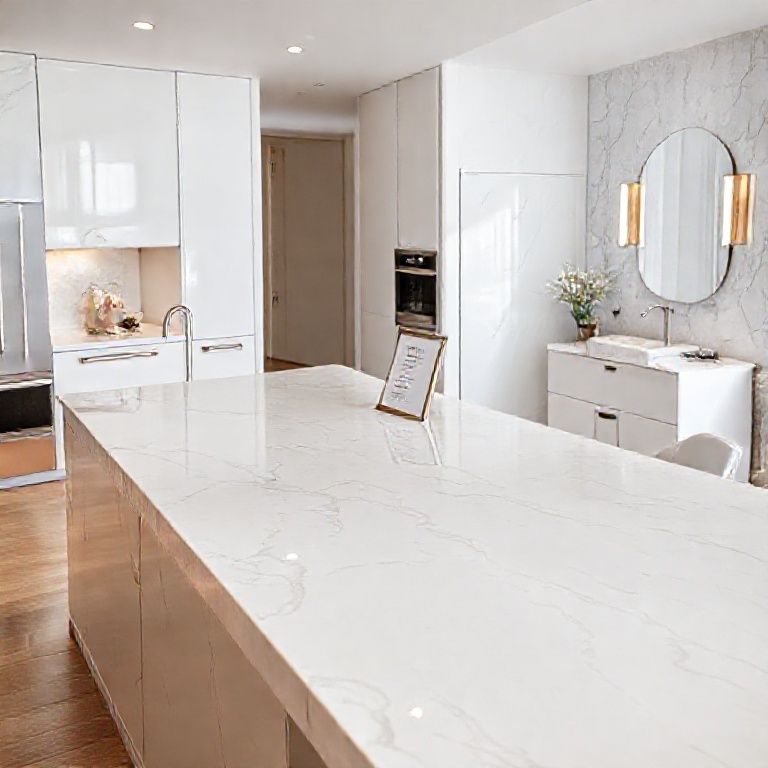
The manufacturing process of ceramic involves mixing clay, water, and other natural minerals, which are then molded into shape and fired in a kiln at extremely high temperatures. This process creates a hard, dense material. For countertops and sinks, a glaze is then applied before a second firing. This glaze is the key to its non-porous nature and its resistance to staining and moisture. The result is a material that is both beautiful and practical, a true workhorse in the bathroom. Its thermal shock resistance is also generally good, meaning it can withstand minor fluctuations in temperature without cracking. However, extreme and sudden temperature changes can still pose a risk, particularly if there are pre-existing micro-fractures in the material. When considering a ceramic countertop, it’s important to understand that while it’s durable for everyday use, it’s not indestructible. A little care and attention will go a long way in preserving its beauty and functionality for years to come. The comforting familiarity of ceramic, coupled with its proven track record, makes it a reliable and sensible choice for many a washbasin.
In the ever-evolving landscape of interior design, innovation constantly presents us with new materials that promise to redefine our living spaces. Sintered stone, a relatively recent entrant to the home improvement scene, has rapidly gained traction, particularly for applications demanding exceptional durability and a sophisticated aesthetic, such as kitchen countertops and, increasingly, washbasin surfaces. Unlike traditional materials, sintered stone is not merely a composite; it’s a product of advanced manufacturing processes that mimic and accelerate the geological metamorphosis of natural stone. This technological marvel offers a compelling alternative to ceramic, pushing the boundaries of what we expect from our bathroom surfaces.
The creation of sintered stone is a fascinating process. It begins with a carefully selected blend of natural raw materials – primarily clays, feldspar, quartz, and mineral oxides – which are meticulously ground into fine powders. These powders are then subjected to an intense process of high pressure and extremely high temperatures (often exceeding 1200°C or 2200°F). Crucially, during this process, a technique called ‘sintering’ occurs, where the particles fuse together without fully melting, creating a solid, extremely dense, and homogenous slab. This controlled, accelerated formation process imbues sintered stone with a remarkable set of properties that set it apart from its predecessors.
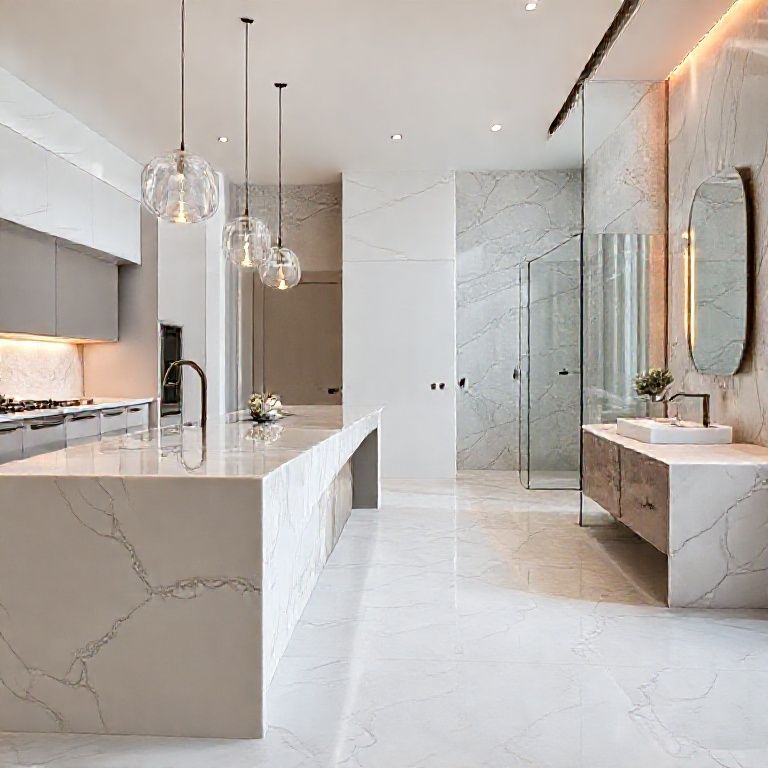
One of the most lauded characteristics of sintered stone is its unparalleled durability and resistance. Its incredibly dense molecular structure makes it virtually impervious to stains, scratches, and even etching from acids and harsh chemicals. Imagine a bathroom countertop that can withstand the daily onslaught of toothpaste, makeup, and cleaning products without showing a single mark. This level of resilience is a significant advantage, especially in busy family bathrooms where wear and tear are a constant concern. Furthermore, sintered stone exhibits exceptional resistance to heat and UV rays, meaning it won’t discolor or degrade when exposed to direct sunlight or hot items, though direct contact with extreme heat sources is still not recommended. Its impermeability also extends to water absorption, registering at almost zero percent. This makes it inherently resistant to mold, mildew, and bacteria growth, contributing to a more hygienic bathroom environment.
From an aesthetic perspective, sintered stone offers a contemporary elegance that appeals to modern sensibilities. It can be manufactured to replicate the exquisite veining and natural variations of premium natural stones like marble and quartzite with astonishing accuracy. However, its controlled production process allows for greater consistency and a wider range of design possibilities than is often achievable with natural stone. You can find sintered stone in a vast array of colors, patterns, and finishes, from ultra-matte to high-gloss, and even textured surfaces that mimic the feel of natural materials. This versatility allows designers to achieve a bespoke look that is both luxurious and highly functional. The thin profile options available for sintered stone also contribute to a sleeker, more minimalist aesthetic, which is highly sought after in contemporary bathroom design.
However, the cutting-edge technology behind sintered stone comes with a higher price tag compared to traditional ceramic. The manufacturing process is energy-intensive and requires specialized equipment, which translates to a greater initial investment. While its durability might offset costs in the long run through reduced maintenance and replacement needs, the upfront expense can be a deterrent for some homeowners. Additionally, because sintered stone is so incredibly hard and dense, its fabrication requires specialized tools and expertise. Cutting, drilling, and installing sintered stone slabs are not DIY-friendly tasks and necessitate the engagement of experienced professionals, which can add to the overall cost of installation. While its resistance to impact is generally high, like any hard material, it can chip or crack if subjected to a very sharp, forceful blow on an edge or corner. While repairs are possible, they are complex and may not be as seamless as with other materials.
When comparing the two, ceramic offers a more budget-friendly and widely accessible option, with a long history of proven performance and a vast range of styles. It’s a reliable choice for many. Sintered stone, on the other hand, represents the pinnacle of modern material science, offering unparalleled durability, stain resistance, and a sophisticated, contemporary aesthetic. Its superior performance in demanding environments makes it an excellent long-term investment for those who prioritize resilience and a high-end finish. Ultimately, the choice between ceramic and sintered stone for your washbasin countertop will depend on your individual priorities: your budget, your aesthetic preferences, and the level of durability and maintenance you require for your personal sanctuary. Both materials have their strengths, and understanding these nuances will empower you to make a decision that you’ll be delighted with for years to come.









